Personnalité religieuse
António Marto
1947 - aujourd'hui
PAGES VUES SUR FR.WIKIPEDIA (PV)
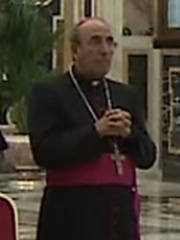
 António Marto
Sa biographie est disponible en 22 langues sur Wikipédia (en hausse par rapport à 18 en 2024). António Marto est le 1,923rd personnalité religieuse le plus populaire (en hausse du 2,411th en 2024), la 232nd biographie la plus populaire du Portugal (en hausse du 305th en 2019), ainsi que le 15th personnalité religieuse du Portugal le plus populaire.
Indicateurs de mémorabilité
11k
Pages vues
12 derniers mois
61.20
HPI
Indice de popularité historique
Faits marquants
5 mai
António Marto partage sa date d'anniversaire (5 mai) avec Karl Marx, Søren Kierkegaard et Leopold II, Holy Roman Emperor.
Pages vues de António Marto par langue
Parmi les Personnalité religieuse
Parmi les Personnalité religieuse, António Marto occupe le rang 1,923 sur 3,187. Avant lui viennent Caspar Schwenckfeld, Thomas Byles, Raymond Franz, Crescenzio Sepe, Diego Laynez, et Sobekemsaf II. Après lui viennent Joseph Vaz, Hans Tausen, George Pell, Hyacinth, Sergio Sebastiani, et Ignatius Joseph III Yonan.
Personnalité religieuse les plus populaires sur Wikipédia
Voir tous les classements
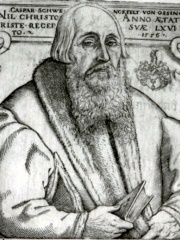
Caspar Schwenckfeld
1490 - 1561
HPI : 61.22
Rang : 1,917
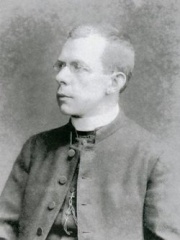
Thomas Byles
1870 - 1912
HPI : 61.22
Rang : 1,918
Raymond Franz
1922 - 2010
HPI : 61.22
Rang : 1,919
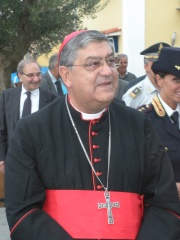
Crescenzio Sepe
1943 - présent
HPI : 61.22
Rang : 1,920
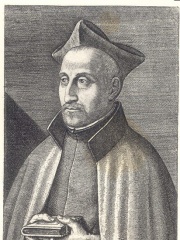
Diego Laynez
1512 - 1565
HPI : 61.21
Rang : 1,921
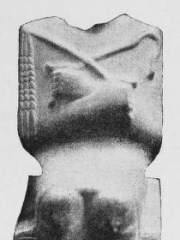
Sobekemsaf II
1600 BC - 1600 BC
HPI : 61.21
Rang : 1,922
António Marto
1947 - présent
HPI : 61.20
Rang : 1,923
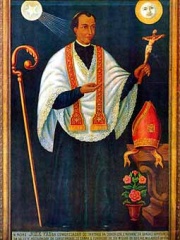
Joseph Vaz
1651 - 1711
HPI : 61.20
Rang : 1,924
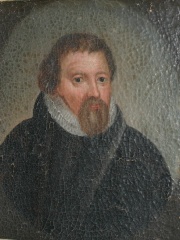
Hans Tausen
1494 - 1561
HPI : 61.20
Rang : 1,925
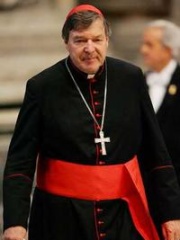
George Pell
1941 - 2023
HPI : 61.19
Rang : 1,926
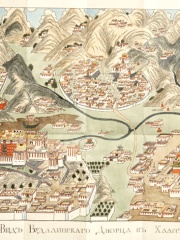
Hyacinth
1777 - 1853
HPI : 61.18
Rang : 1,927
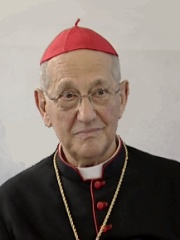
Sergio Sebastiani
1931 - 2024
HPI : 61.18
Rang : 1,928
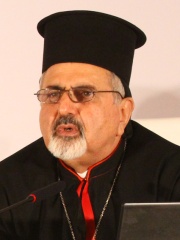
Ignatius Joseph III Yonan
1944 - présent
HPI : 61.18
Rang : 1,929

Contemporains
Parmi les personnes nées en 1947, António Marto occupe le rang 269. Avant lui viennent Soe Win, Mitch Mitchell, Peter Strauss, Harry Redknapp, Alan Dale, et Ray Wise. Après lui viennent Stefan Persson, Hugh Keays-Byrne, Ron Rivest, Kailash Purryag, Deborah Lipstadt, et Viktor Klima.
Autres personnes nées en 1947
Voir tous les classements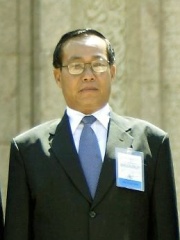
Soe Win
POLITICIAN
1947 - 2007
HPI : 61.41
Rang : 263
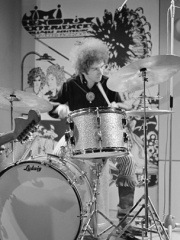
Mitch Mitchell
MUSICIAN
1947 - 2008
HPI : 61.37
Rang : 264
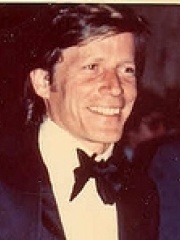
Peter Strauss
ACTOR
1947 - présent
HPI : 61.27
Rang : 265

Harry Redknapp
COACH
1947 - présent
HPI : 61.27
Rang : 266

Alan Dale
ACTOR
1947 - présent
HPI : 61.22
Rang : 267
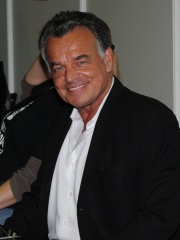
Ray Wise
ACTOR
1947 - présent
HPI : 61.21
Rang : 268
António Marto
RELIGIOUS FIGURE
1947 - présent
HPI : 61.20
Rang : 269
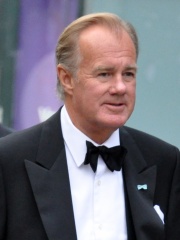
Stefan Persson
BUSINESSPERSON
1947 - présent
HPI : 61.20
Rang : 270
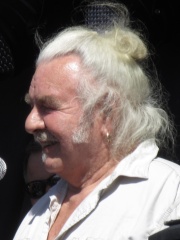
Hugh Keays-Byrne
ACTOR
1947 - 2020
HPI : 61.18
Rang : 271
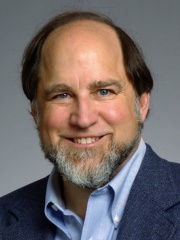
Ron Rivest
COMPUTER SCIENTIST
1947 - présent
HPI : 61.15
Rang : 272
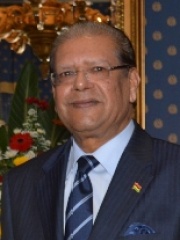
Kailash Purryag
POLITICIAN
1947 - 2025
HPI : 61.15
Rang : 273
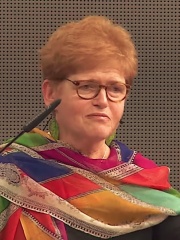
Deborah Lipstadt
HISTORIAN
1947 - présent
HPI : 61.07
Rang : 274
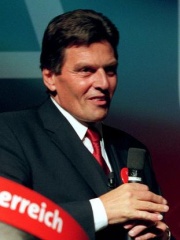
Viktor Klima
POLITICIAN
1947 - présent
HPI : 61.07
Rang : 275
En Portugal
Parmi les personnes nées en Portugal, António Marto occupe le rang 232 sur 633. Avant lui viennent Francisco Serrão (1500), Carlos do Carmo (1939), Leonor Teles (1350), Eleanor of Portugal, Queen of Denmark (1211), Nuno Gomes (1976), et Carlos Seixas (1704). Après lui viennent Manuel Teixeira Gomes (1860), Manuel Bento (1948), Bento de Góis (1562), António José de Almeida (1866), Alexandre Herculano (1810), et Fernando I, Duke of Braganza (1403).
Autres personnes nées en Portugal
Voir tous les classements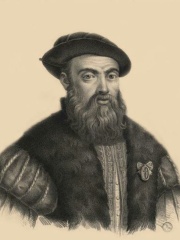
Francisco Serrão
EXPLORER
1500 - 1521
HPI : 61.33
Rang : 226
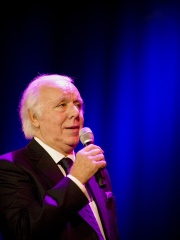
Carlos do Carmo
SINGER
1939 - 2021
HPI : 61.32
Rang : 227
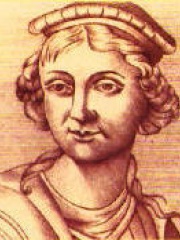
Leonor Teles
POLITICIAN
1350 - 1386
HPI : 61.31
Rang : 228
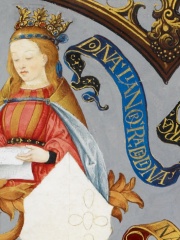
Eleanor of Portugal, Queen of Denmark
POLITICIAN
1211 - 1231
HPI : 61.30
Rang : 229

Nuno Gomes
SOCCER PLAYER
1976 - présent
HPI : 61.25
Rang : 230
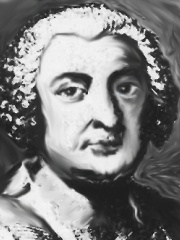
Carlos Seixas
COMPOSER
1704 - 1742
HPI : 61.25
Rang : 231
António Marto
RELIGIOUS FIGURE
1947 - présent
HPI : 61.20
Rang : 232
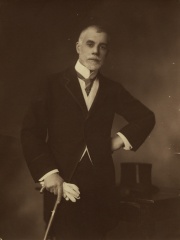
Manuel Teixeira Gomes
POLITICIAN
1860 - 1941
HPI : 61.12
Rang : 233

Manuel Bento
SOCCER PLAYER
1948 - 2007
HPI : 61.09
Rang : 234
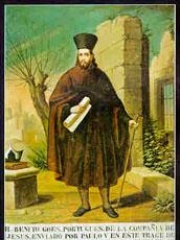
Bento de Góis
EXPLORER
1562 - 1607
HPI : 61.02
Rang : 235
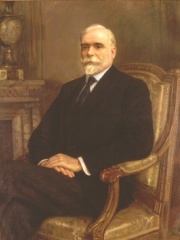
António José de Almeida
POLITICIAN
1866 - 1929
HPI : 61.01
Rang : 236
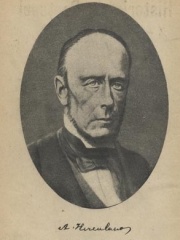
Alexandre Herculano
WRITER
1810 - 1877
HPI : 61.00
Rang : 237
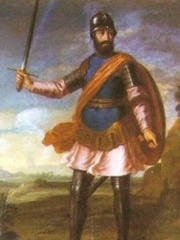
Fernando I, Duke of Braganza
POLITICIAN
1403 - 1478
HPI : 60.98
Rang : 238
Parmi les Personnalité religieuse en Portugal
Parmi les Personnalité religieuse nés en Portugal, António Marto occupe le rang 15. Avant lui viennent Beatrice of Silva (1424), Pelagio Galvani (1165), António de Andrade (1580), José Policarpo (1936), Manuel Clemente (1948), et Alexandrina of Balazar (1904). Après lui viennent James of Portugal (1433), John of Biclaro (540), José Tolentino de Mendonça (1965), Manuel Gonçalves Cerejeira (1888), Simão Rodrigues (1510), et António Ribeiro (1928).
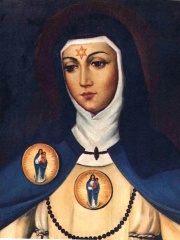
Beatrice of Silva
1424 - 1492
HPI : 63.62
Rang : 9
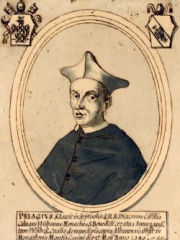
Pelagio Galvani
1165 - 1230
HPI : 62.57
Rang : 10
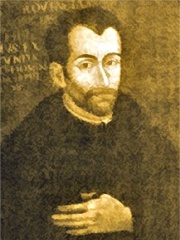
António de Andrade
1580 - 1634
HPI : 61.74
Rang : 11
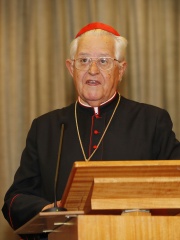
José Policarpo
1936 - 2014
HPI : 61.50
Rang : 12
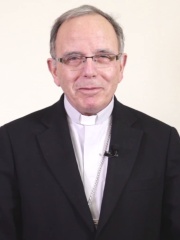
Manuel Clemente
1948 - présent
HPI : 61.41
Rang : 13
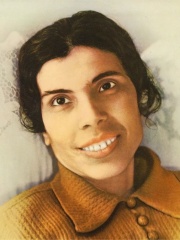
Alexandrina of Balazar
1904 - 1955
HPI : 61.33
Rang : 14
António Marto
1947 - présent
HPI : 61.20
Rang : 15

James of Portugal
1433 - 1459
HPI : 60.45
Rang : 16

John of Biclaro
540 - 621
HPI : 60.19
Rang : 17
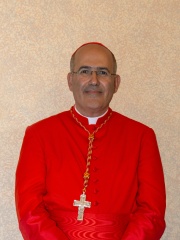
José Tolentino de Mendonça
1965 - présent
HPI : 59.89
Rang : 18
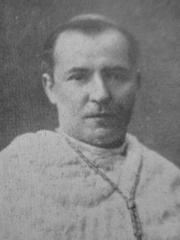
Manuel Gonçalves Cerejeira
1888 - 1977
HPI : 59.88
Rang : 19
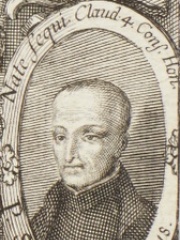
Simão Rodrigues
1510 - 1579
HPI : 58.42
Rang : 20
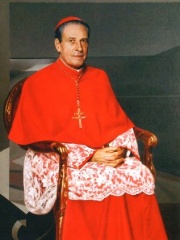
António Ribeiro
1928 - 1998
HPI : 58.21
Rang : 21




