شخصية دينية
Pedro Barreto
1944 - حتى اليوم
AR.WIKIPEDIA PAGE VIEWS (PV)
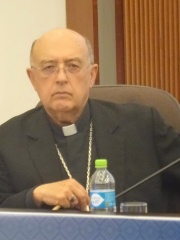
 Pedro Barreto
سيرته الذاتية متاحة بـ23 لغة مختلفة على ويكيبيديا (زيادة من 20 في 2024). يحتل Pedro Barreto المرتبة 2,009 بين أكثر شخصية دينية شعبيةً (تراجعًا من 1,892 في 2024)، والمرتبة 54 بين أكثر السير الذاتية شعبيةً في بيرو (تراجعًا من 50 في 2019)، كما يحتل المرتبة 7 بين أكثر شخصية دينية من بيرو شعبيةً.
Memorability Metrics
10k
Page Views
Past 12 months
60.69
HPI
Historical Popularity Index
Page views of Pedro Barreto by language
Among شخصية دينية
Among شخصية دينية, Pedro Barreto ranks 2,009 out of 3,187. Before him are Jacob, Margrave of Baden-Baden, Theodor Innitzer, Stanislaus Hosius, Enrico Dante, Hashem Safieddine, and Julie Billiart. After him are Friar Julian, Ann Lee, John Scholasticus, Alexius of Constantinople, Gershom ben Judah, and Carlo Acutis.
Most Popular شخصية دينية in Wikipedia
Go to all Rankings
Jacob, Margrave of Baden-Baden
1407 - 1453
HPI: 60.72
Rank: 2,003
Theodor Innitzer
1875 - 1955
HPI: 60.72
Rank: 2,004
Stanislaus Hosius
1504 - 1579
HPI: 60.71
Rank: 2,005
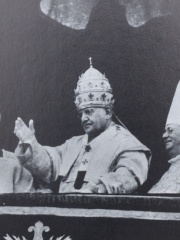
Enrico Dante
1884 - 1967
HPI: 60.70
Rank: 2,006
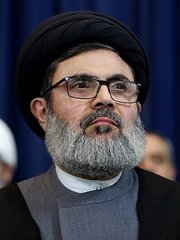
Hashem Safieddine
1964 - 2024
HPI: 60.69
Rank: 2,007
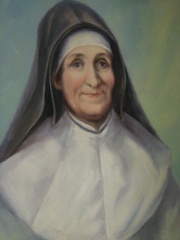
Julie Billiart
1751 - 1816
HPI: 60.69
Rank: 2,008
Pedro Barreto
1944 - Present
HPI: 60.69
Rank: 2,009
Friar Julian
1250 - Present
HPI: 60.69
Rank: 2,010
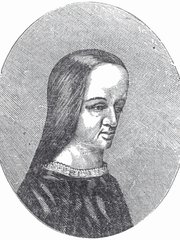
Ann Lee
1736 - 1784
HPI: 60.68
Rank: 2,011

John Scholasticus
503 - 577
HPI: 60.67
Rank: 2,012
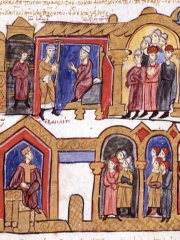
Alexius of Constantinople
HPI: 60.67
Rank: 2,013

Gershom ben Judah
960 - 1028
HPI: 60.67
Rank: 2,014

Carlo Acutis
1991 - 2006
HPI: 60.67
Rank: 2,015

Contemporaries
Among people born in 1944, Pedro Barreto ranks 310. Before him are Jiří Holeček, Boris Mikhailov, Tim Rice, Jean-Louis Debré, Klaus Fichtel, and Mahieddine Khalef. After him are Carl Bernstein, Gary Glitter, Kuniya Daini, Jean-Pierre Ricard, Richard Belzer, and Onufriy.
Others Born in 1944
Go to all Rankings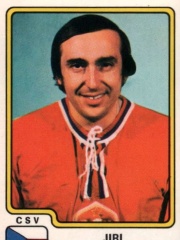
Jiří Holeček
HOCKEY PLAYER
1944 - Present
HPI: 60.78
Rank: 304
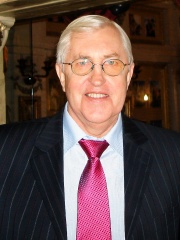
Boris Mikhailov
POLITICIAN
1944 - Present
HPI: 60.78
Rank: 305
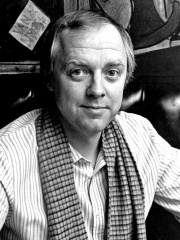
Tim Rice
MUSICIAN
1944 - Present
HPI: 60.78
Rank: 306
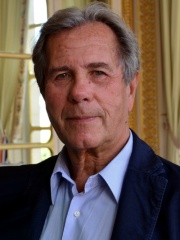
Jean-Louis Debré
POLITICIAN
1944 - 2025
HPI: 60.77
Rank: 307

Klaus Fichtel
SOCCER PLAYER
1944 - Present
HPI: 60.72
Rank: 308

Mahieddine Khalef
COACH
1944 - 2024
HPI: 60.71
Rank: 309
Pedro Barreto
RELIGIOUS FIGURE
1944 - Present
HPI: 60.69
Rank: 310
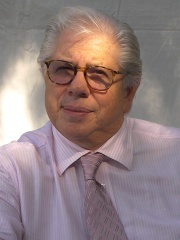
Carl Bernstein
WRITER
1944 - Present
HPI: 60.61
Rank: 311
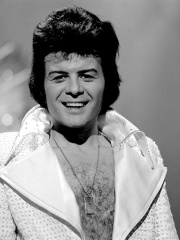
Gary Glitter
SINGER
1944 - Present
HPI: 60.57
Rank: 312

Kuniya Daini
SOCCER PLAYER
1944 - Present
HPI: 60.57
Rank: 313
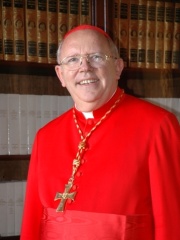
Jean-Pierre Ricard
RELIGIOUS FIGURE
1944 - Present
HPI: 60.56
Rank: 314
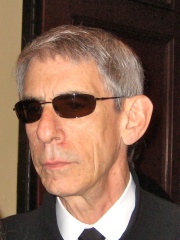
Richard Belzer
ACTOR
1944 - 2023
HPI: 60.54
Rank: 315
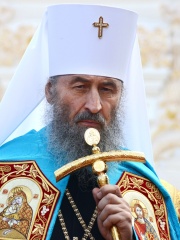
Onufriy
RELIGIOUS FIGURE
1944 - Present
HPI: 60.54
Rank: 316
In بيرو
Among people born in بيرو, Pedro Barreto ranks 54 out of NaN. Before him are Fernando Fernán Gómez (1921), Claudio Pizarro (1978), Manuel A. Odría (1896), Fernando Belaúnde (1912), José María Arguedas (1911), and Agustín Gamarra (1785). After him are Manuel Prado Ugarteche (1889), Óscar R. Benavides (1876), Boris Vallejo (1941), Augusto B. Leguía (1863), Francisco Morales Bermúdez (1921), and Luis Miguel Sánchez Cerro (1889).
Others born in بيرو
Go to all Rankings
Fernando Fernán Gómez
ACTOR
1921 - 2007
HPI: 61.82
Rank: 48

Claudio Pizarro
SOCCER PLAYER
1978 - Present
HPI: 61.58
Rank: 49
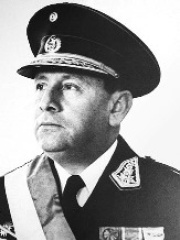
Manuel A. Odría
POLITICIAN
1896 - 1974
HPI: 61.32
Rank: 50
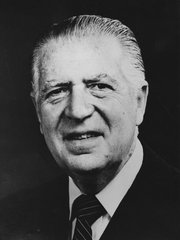
Fernando Belaúnde
POLITICIAN
1912 - 2002
HPI: 61.17
Rank: 51
José María Arguedas
WRITER
1911 - 1969
HPI: 61.16
Rank: 52
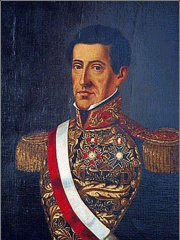
Agustín Gamarra
POLITICIAN
1785 - 1841
HPI: 61.05
Rank: 53
Pedro Barreto
RELIGIOUS FIGURE
1944 - Present
HPI: 60.69
Rank: 54
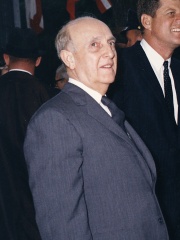
Manuel Prado Ugarteche
POLITICIAN
1889 - 1967
HPI: 60.61
Rank: 55
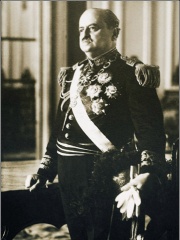
Óscar R. Benavides
POLITICIAN
1876 - 1945
HPI: 60.35
Rank: 56
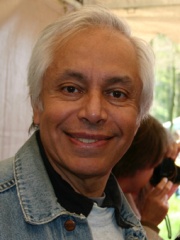
Boris Vallejo
PAINTER
1941 - Present
HPI: 60.27
Rank: 57
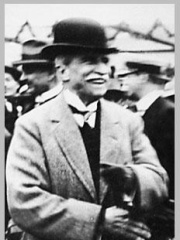
Augusto B. Leguía
POLITICIAN
1863 - 1932
HPI: 60.26
Rank: 58
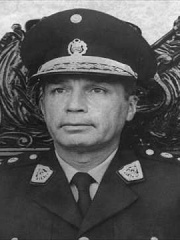
Francisco Morales Bermúdez
POLITICIAN
1921 - 2022
HPI: 60.25
Rank: 59
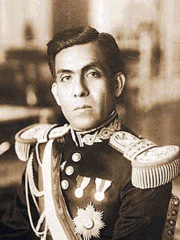
Luis Miguel Sánchez Cerro
POLITICIAN
1889 - 1933
HPI: 60.19
Rank: 60
Among شخصية دينية In بيرو
Among شخصية دينية born in بيرو, Pedro Barreto ranks 7. Before him are Manco Cápac (1250), Rose of Lima (1586), Martin de Porres (1579), Sinchi Roca (1230), Juan Luis Cipriani Thorne (1943), and Mayta Cápac (1290). After him are Juan Guevara (1882).
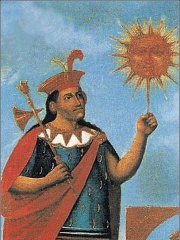
Manco Cápac
1250 - 1169
HPI: 73.13
Rank: 1
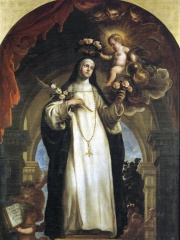
Rose of Lima
1586 - 1617
HPI: 72.88
Rank: 2
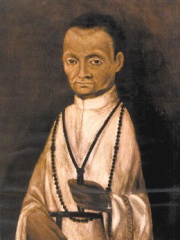
Martin de Porres
1579 - 1639
HPI: 68.63
Rank: 3
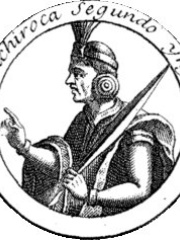
Sinchi Roca
1230 - 1260
HPI: 66.23
Rank: 4
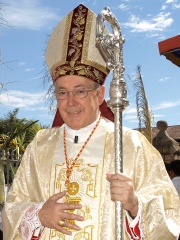
Juan Luis Cipriani Thorne
1943 - Present
HPI: 65.40
Rank: 5
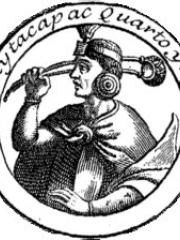
Mayta Cápac
1290 - 1320
HPI: 65.34
Rank: 6
Pedro Barreto
1944 - Present
HPI: 60.69
Rank: 7
Juan Guevara
1882 - 1954
HPI: 54.50
Rank: 8




