Personnalité religieuse
Francesco Montenegro
1946 - aujourd'hui
PAGES VUES SUR FR.WIKIPEDIA (PV)
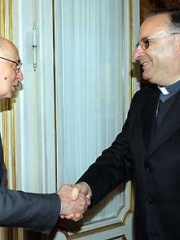
 Francesco Montenegro
Sa biographie est disponible en 21 langues sur Wikipédia (en hausse par rapport à 16 en 2024). Francesco Montenegro est le 1,892nd personnalité religieuse le plus populaire (en hausse du 2,794th en 2024), la 2,478th biographie la plus populaire d'Italie (en hausse du 3,838th en 2019), ainsi que le 438th personnalité religieuse d'Italie le plus populaire.
Indicateurs de mémorabilité
15k
Pages vues
12 derniers mois
61.35
HPI
Indice de popularité historique
Faits marquants
+28k
Francesco Montenegro a gagné 28,430 places au classement HPI mondial de Pantheon, passant du n° 59,999 au n° 31,608.
Pages vues de Francesco Montenegro par langue
Parmi les Personnalité religieuse
Parmi les Personnalité religieuse, Francesco Montenegro occupe le rang 1,892 sur 3,189. Avant lui viennent Pandita Ramabai, Gil Álvarez Carrillo de Albornoz, Marie Laveau, Domenico Calcagno, Julian of Toledo, et Mohammad-Baqer Majlesi. Après lui viennent Carlo Furno, John of Shanghai and San Francisco, Juraj Križanić, Alexandrina of Balazar, Maximilian Henry of Bavaria, et Luigi Sturzo.
Personnalité religieuse les plus populaires sur Wikipédia
Voir tous les classements
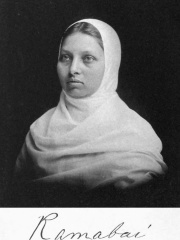
Pandita Ramabai
1858 - 1922
HPI : 61.41
Rang : 1,886
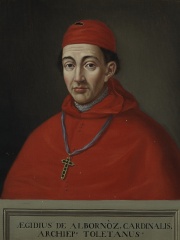
Gil Álvarez Carrillo de Albornoz
1310 - 1367
HPI : 61.40
Rang : 1,887
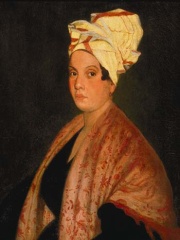
Marie Laveau
1801 - 1881
HPI : 61.37
Rang : 1,888
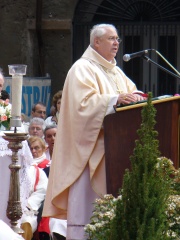
Domenico Calcagno
1943 - présent
HPI : 61.36
Rang : 1,889
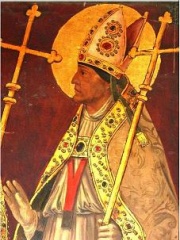
Julian of Toledo
642 - 690
HPI : 61.36
Rang : 1,890
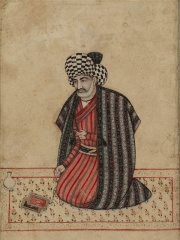
Mohammad-Baqer Majlesi
1627 - présent
HPI : 61.35
Rang : 1,891
Francesco Montenegro
1946 - présent
HPI : 61.35
Rang : 1,892
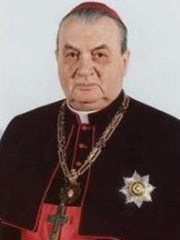
Carlo Furno
1921 - 2015
HPI : 61.35
Rang : 1,893
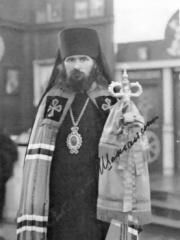
John of Shanghai and San Francisco
1896 - 1966
HPI : 61.34
Rang : 1,894

Juraj Križanić
1618 - 1683
HPI : 61.34
Rang : 1,895
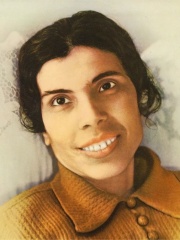
Alexandrina of Balazar
1904 - 1955
HPI : 61.33
Rang : 1,896
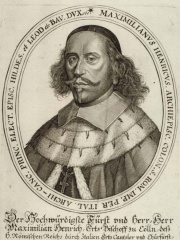
Maximilian Henry of Bavaria
1621 - 1688
HPI : 61.32
Rang : 1,897
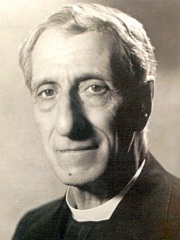
Luigi Sturzo
1871 - 1959
HPI : 61.32
Rang : 1,898

Contemporains
Parmi les personnes nées en 1946, Francesco Montenegro occupe le rang 278. Avant lui viennent Steve Kanaly, Silvio Rodríguez, Tyne Daly, Al Green, Henryk Kasperczak, et Udo Lindenberg. Après lui viennent Arnoldo Alemán, Jean-Baptiste Bagaza, Peter Sutcliffe, Johnson Toribiong, Pierino Prati, et Aleksander Wolszczan.
Autres personnes nées en 1946
Voir tous les classements
Steve Kanaly
ACTOR
1946 - présent
HPI : 61.51
Rang : 272
Silvio Rodríguez
SINGER
1946 - présent
HPI : 61.50
Rang : 273
Tyne Daly
ACTOR
1946 - présent
HPI : 61.44
Rang : 274

Al Green
SINGER
1946 - présent
HPI : 61.44
Rang : 275
Henryk Kasperczak
COACH
1946 - présent
HPI : 61.36
Rang : 276
Udo Lindenberg
WRITER
1946 - présent
HPI : 61.36
Rang : 277
Francesco Montenegro
RELIGIOUS FIGURE
1946 - présent
HPI : 61.35
Rang : 278
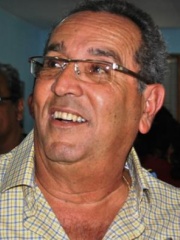
Arnoldo Alemán
POLITICIAN
1946 - présent
HPI : 61.32
Rang : 279
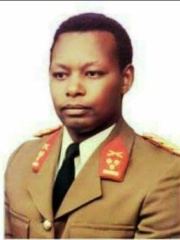
Jean-Baptiste Bagaza
POLITICIAN
1946 - 2016
HPI : 61.25
Rang : 280
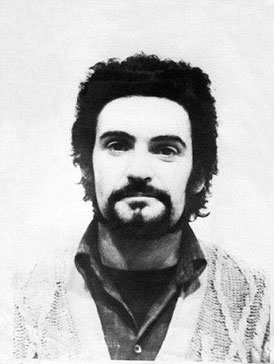
Peter Sutcliffe
EXTREMIST
1946 - 2020
HPI : 61.24
Rang : 281
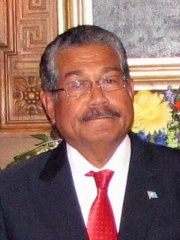
Johnson Toribiong
POLITICIAN
1946 - présent
HPI : 61.22
Rang : 282
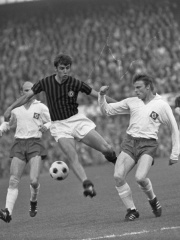
Pierino Prati
SOCCER PLAYER
1946 - 2020
HPI : 61.17
Rang : 283
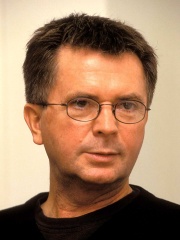
Aleksander Wolszczan
ASTRONOMER
1946 - présent
HPI : 61.11
Rang : 284
En Italie
Parmi les personnes nées en Italie, Francesco Montenegro occupe le rang 2,478 sur 5,905. Avant lui viennent Gio Ponti (1891), Carlo Matteucci (1811), Pietro Anastasi (1948), Domenico Calcagno (1943), Ottavia Piccolo (1949), et Publius Rutilius Rufus (-158). Après lui viennent Carlo Furno (1921), Edoardo Agnelli (1892), Lorenzo Tiepolo (1300), Flavia Domitilla (null), Orazio Vecchi (1550), et Archduke Louis of Austria (1784).
Autres personnes nées en Italie
Voir tous les classements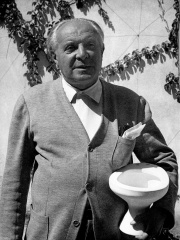
Gio Ponti
ARCHITECT
1891 - 1979
HPI : 61.41
Rang : 2,472
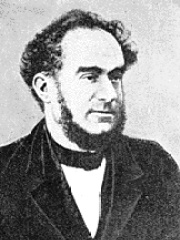
Carlo Matteucci
PHYSICIST
1811 - 1868
HPI : 61.41
Rang : 2,473
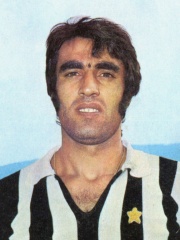
Pietro Anastasi
SOCCER PLAYER
1948 - 2020
HPI : 61.40
Rang : 2,474
Domenico Calcagno
RELIGIOUS FIGURE
1943 - présent
HPI : 61.36
Rang : 2,475

Ottavia Piccolo
ACTOR
1949 - présent
HPI : 61.36
Rang : 2,476

Publius Rutilius Rufus
POLITICIAN
158 BC - 78 BC
HPI : 61.35
Rang : 2,477
Francesco Montenegro
RELIGIOUS FIGURE
1946 - présent
HPI : 61.35
Rang : 2,478
Carlo Furno
RELIGIOUS FIGURE
1921 - 2015
HPI : 61.35
Rang : 2,479
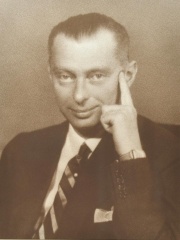
Edoardo Agnelli
BUSINESSPERSON
1892 - 1935
HPI : 61.34
Rang : 2,480
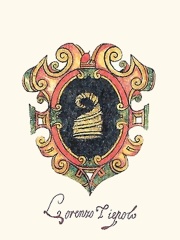
Lorenzo Tiepolo
POLITICIAN
1300 - 1275
HPI : 61.34
Rang : 2,481
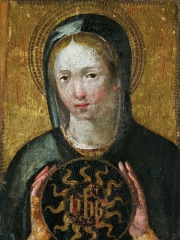
Flavia Domitilla
NOBLEMAN
HPI : 61.34
Rang : 2,482
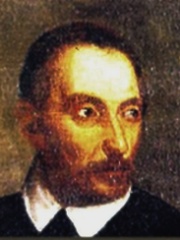
Orazio Vecchi
COMPOSER
1550 - 1605
HPI : 61.33
Rang : 2,483
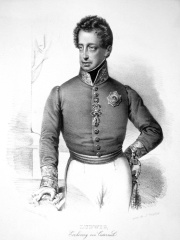
Archduke Louis of Austria
POLITICIAN
1784 - 1864
HPI : 61.33
Rang : 2,484
Parmi les Personnalité religieuse en Italie
Parmi les Personnalité religieuse nés en Italie, Francesco Montenegro occupe le rang 438. Avant lui viennent Federico Lombardi (1942), Andrew Avellino (1521), Gregorio Barbarigo (1625), Joseph the Hymnographer (816), Pietro Aldobrandini (1571), et Domenico Calcagno (1943). Après lui viennent Carlo Furno (1921), Luigi Sturzo (1871), Giovanni Battista Scalabrini (1839), John Gualbert (995), Antonio Bacci (1885), et Dagobert of Pisa (1100).
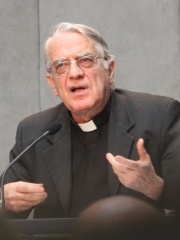
Federico Lombardi
1942 - présent
HPI : 61.52
Rang : 432
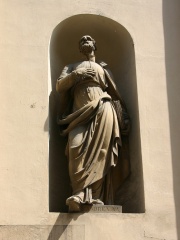
Andrew Avellino
1521 - 1608
HPI : 61.52
Rang : 433
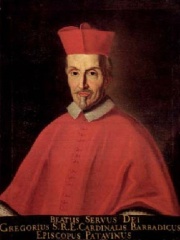
Gregorio Barbarigo
1625 - 1697
HPI : 61.44
Rang : 434
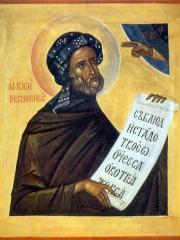
Joseph the Hymnographer
816 - 886
HPI : 61.44
Rang : 435
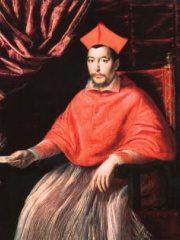
Pietro Aldobrandini
1571 - 1621
HPI : 61.43
Rang : 436
Domenico Calcagno
1943 - présent
HPI : 61.36
Rang : 437
Francesco Montenegro
1946 - présent
HPI : 61.35
Rang : 438
Carlo Furno
1921 - 2015
HPI : 61.35
Rang : 439
Luigi Sturzo
1871 - 1959
HPI : 61.32
Rang : 440
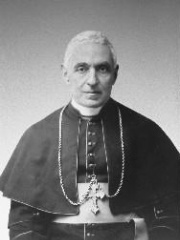
Giovanni Battista Scalabrini
1839 - 1905
HPI : 61.31
Rang : 441
John Gualbert
995 - 1073
HPI : 61.30
Rang : 442

Antonio Bacci
1885 - 1971
HPI : 61.24
Rang : 443
Dagobert of Pisa
1100 - 1107
HPI : 61.22
Rang : 444




