Personnalité religieuse
Ignatius Joseph III Yonan
1944 - aujourd'hui
PAGES VUES SUR FR.WIKIPEDIA (PV)
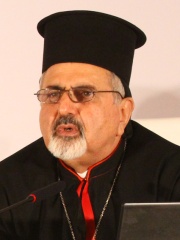
 Ignatius Joseph III Yonan
Sa biographie est disponible en 24 langues sur Wikipédia. Ignatius Joseph III Yonan est le 1,929th personnalité religieuse le plus populaire (en hausse du 2,211th en 2024), la 131st biographie la plus populaire de Syrie (en hausse du 140th en 2019), ainsi que le 19th personnalité religieuse de Syrie le plus populaire.
Indicateurs de mémorabilité
25k
Pages vues
12 derniers mois
61.18
HPI
Indice de popularité historique
Faits marquants
+9,160
Ignatius Joseph III Yonan a gagné 9,160 places au classement HPI mondial de Pantheon, passant du n° 41,384 au n° 32,266.
Pages vues de Ignatius Joseph III Yonan par langue
Parmi les Personnalité religieuse
Parmi les Personnalité religieuse, Ignatius Joseph III Yonan occupe le rang 1,929 sur 3,189. Avant lui viennent António Marto, Joseph Vaz, Hans Tausen, George Pell, Hyacinth, et Sergio Sebastiani. Après lui viennent Brynjólfur Sveinsson, Kimpa Vita, Neferkasokar, Fernando Sebastián Aguilar, Jean du Bellay, et Irenaios.
Personnalité religieuse les plus populaires sur Wikipédia
Voir tous les classements
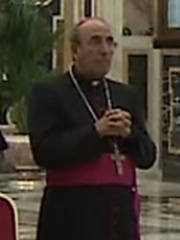
António Marto
1947 - présent
HPI : 61.20
Rang : 1,923
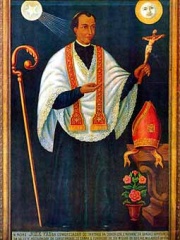
Joseph Vaz
1651 - 1711
HPI : 61.20
Rang : 1,924
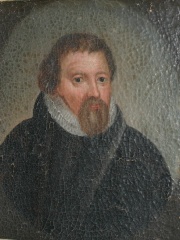
Hans Tausen
1494 - 1561
HPI : 61.20
Rang : 1,925
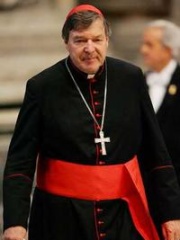
George Pell
1941 - 2023
HPI : 61.19
Rang : 1,926
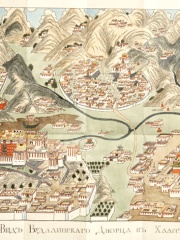
Hyacinth
1777 - 1853
HPI : 61.18
Rang : 1,927
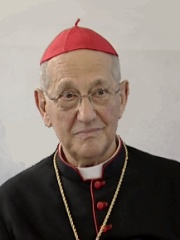
Sergio Sebastiani
1931 - 2024
HPI : 61.18
Rang : 1,928
Ignatius Joseph III Yonan
1944 - présent
HPI : 61.18
Rang : 1,929

Brynjólfur Sveinsson
1605 - 1675
HPI : 61.17
Rang : 1,930
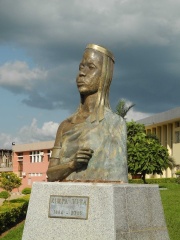
Kimpa Vita
1684 - 1706
HPI : 61.17
Rang : 1,931
Neferkasokar
2800 av. J.-C. - 2800 av. J.-C.
HPI : 61.15
Rang : 1,932
Fernando Sebastián Aguilar
1929 - 2019
HPI : 61.14
Rang : 1,933
Jean du Bellay
1492 - 1560
HPI : 61.14
Rang : 1,934

Irenaios
1939 - 2023
HPI : 61.13
Rang : 1,935

Contemporains
Parmi les personnes nées en 1944, Ignatius Joseph III Yonan occupe le rang 286. Avant lui viennent Rick Davies, Michael Buffer, Terry Brooks, John Milius, Angela Winkler, et Katsuyoshi Kuwahara. Après lui viennent Taylor Hackford, Vernor Vinge, Abdul Qadir, Eddie Gómez, Peter Bieri, et Robert Hanssen.
Autres personnes nées en 1944
Voir tous les classements
Rick Davies
MUSICIAN
1944 - 2025
HPI : 61.39
Rang : 280

Michael Buffer
PRESENTER
1944 - présent
HPI : 61.32
Rang : 281
Terry Brooks
WRITER
1944 - présent
HPI : 61.29
Rang : 282
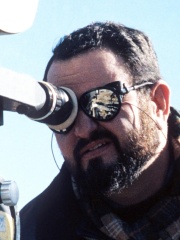
John Milius
FILM DIRECTOR
1944 - présent
HPI : 61.23
Rang : 283

Angela Winkler
ACTOR
1944 - présent
HPI : 61.23
Rang : 284

Katsuyoshi Kuwahara
SOCCER PLAYER
1944 - présent
HPI : 61.20
Rang : 285
Ignatius Joseph III Yonan
RELIGIOUS FIGURE
1944 - présent
HPI : 61.18
Rang : 286
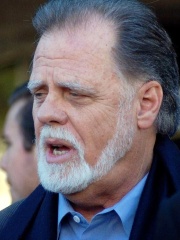
Taylor Hackford
FILM DIRECTOR
1944 - présent
HPI : 61.17
Rang : 287
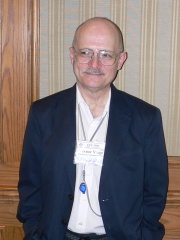
Vernor Vinge
COMPUTER SCIENTIST
1944 - 2024
HPI : 61.16
Rang : 288
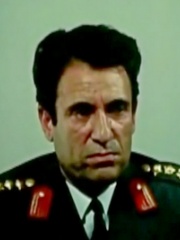
Abdul Qadir
POLITICIAN
1944 - 2014
HPI : 61.11
Rang : 289
Eddie Gómez
MUSICIAN
1944 - présent
HPI : 61.10
Rang : 290

Peter Bieri
WRITER
1944 - 2023
HPI : 61.08
Rang : 291
Robert Hanssen
MAFIOSO
1944 - 2023
HPI : 61.07
Rang : 292
En Syrie
Parmi les personnes nées en Syrie, Ignatius Joseph III Yonan occupe le rang 131 sur 245. Avant lui viennent Sami al-Hinnawi (1898), Ben-Hadad I (-1000), Ali Abdullah Ayyoub (1952), Muhammad Mustafa Mero (1941), Riad al-Asaad (1961), et Khalid al-Azm (1903). Après lui viennent George Sabra (1947), Maslama ibn Abd al-Malik (685), Ibn Abi Usaibia (1204), Khalid Bakdash (1912), Hayır Bey (1464), et Maryana Marrash (1848).
Autres personnes nées en Syrie
Voir tous les classements
Sami al-Hinnawi
POLITICIAN
1898 - 1950
HPI : 61.60
Rang : 125
Ben-Hadad I
POLITICIAN
1000 av. J.-C. - 900 av. J.-C.
HPI : 61.50
Rang : 126
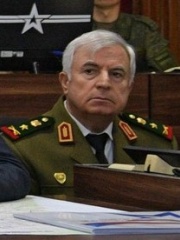
Ali Abdullah Ayyoub
POLITICIAN
1952 - présent
HPI : 61.42
Rang : 127

Muhammad Mustafa Mero
POLITICIAN
1941 - 2020
HPI : 61.32
Rang : 128
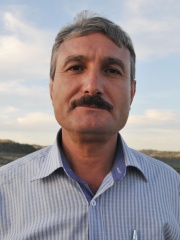
Riad al-Asaad
MILITARY PERSONNEL
1961 - présent
HPI : 61.32
Rang : 129
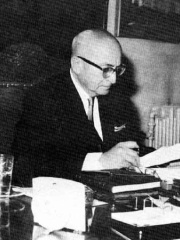
Khalid al-Azm
POLITICIAN
1903 - 1965
HPI : 61.32
Rang : 130
Ignatius Joseph III Yonan
RELIGIOUS FIGURE
1944 - présent
HPI : 61.18
Rang : 131
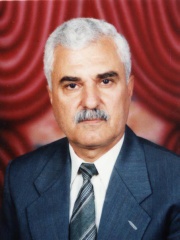
George Sabra
POLITICIAN
1947 - présent
HPI : 60.99
Rang : 132

Maslama ibn Abd al-Malik
POLITICIAN
685 - 738
HPI : 60.99
Rang : 133

Ibn Abi Usaibia
PHYSICIAN
1204 - 1269
HPI : 60.96
Rang : 134

Khalid Bakdash
POLITICIAN
1912 - 1995
HPI : 60.66
Rang : 135
Hayır Bey
POLITICIAN
1464 - 1522
HPI : 60.66
Rang : 136
Maryana Marrash
WRITER
1848 - 1919
HPI : 60.55
Rang : 137
Parmi les Personnalité religieuse en Syrie
Parmi les Personnalité religieuse nés en Syrie, Ignatius Joseph III Yonan occupe le rang 19. Avant lui viennent Ignatius IV of Antioch (1920), John X of Antioch (1955), Eulogius of Alexandria (501), Ibn Asakir (1105), Gregory III Laham (1933), et Ignatius Moses I Daoud (1930). Après lui viennent Ignatius Aphrem II (1965), Cosmas of Maiuma (675), Hilarion Capucci (1922), Ibas of Edessa (400), Shah Nimatullah Wali (1330), et Maximos IV Sayegh (1878).
Ignatius IV of Antioch
1920 - 2012
HPI : 64.07
Rang : 13
John X of Antioch
1955 - présent
HPI : 63.92
Rang : 14
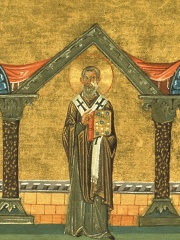
Eulogius of Alexandria
501 - 608
HPI : 63.89
Rang : 15

Ibn Asakir
1105 - 1176
HPI : 63.08
Rang : 16
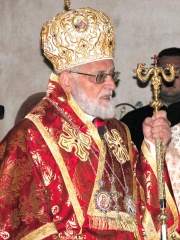
Gregory III Laham
1933 - présent
HPI : 63.03
Rang : 17

Ignatius Moses I Daoud
1930 - 2012
HPI : 62.37
Rang : 18
Ignatius Joseph III Yonan
1944 - présent
HPI : 61.18
Rang : 19
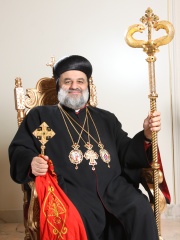
Ignatius Aphrem II
1965 - présent
HPI : 60.08
Rang : 20
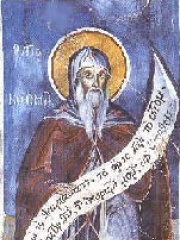
Cosmas of Maiuma
675 - 760
HPI : 59.94
Rang : 21
Hilarion Capucci
1922 - 2017
HPI : 59.09
Rang : 22

Ibas of Edessa
400 - 457
HPI : 57.89
Rang : 23

Shah Nimatullah Wali
1330 - 1429
HPI : 55.73
Rang : 24

Maximos IV Sayegh
1878 - 1967
HPI : 54.40
Rang : 25




