Filosoof
Al-Ghazali
1058 - 1111
NL.WIKIPEDIA-PAGINAWEERGAVEN (PV)

 Al-Ghazali
Zijn biografie is beschikbaar in 121 verschillende talen op Wikipedia (toegenomen van 115 in 2024). Al-Ghazali staat op plaats 30 onder de meest populaire filosoof (gedaald van plaats 29 in 2024), plaats 4 onder de meest populaire biografieën uit Iran (gedaald van plaats 2 in 2019) en op de eerste plaats onder de populairste filosoof uit Iran.
Bekendheidsstatistieken
790k
Paginaweergaven
Afgelopen 12 maanden
85.99
HPI
Historische populariteitsindex
Data-inzichten
#1
Al-Ghazali is de meest memorabele van de 9 opmerkelijke personen geboren in Tus, Iran, in het huidige Iran.
#331
Meer dan 9 eeuwen na de dood staat Al-Ghazali nog altijd op plaats 331 van alle personen in Pantheon.
121
De biografie van Al-Ghazali verschijnt in 121 taalversies van Wikipedia — meer dan bij 98% van alle Filosoof.
Paginaweergaven van Al-Ghazali per taal
Onder Filosoof
Onder Filosoof staat Al-Ghazali op plaats 30 van 1,267. Vóór hem staan Arthur Schopenhauer, Montesquieu, Democritus, Seneca the Younger, Epicurus, en Averroes. Na hem komen Thomas Hobbes, Friedrich Engels, Auguste Comte, Martin Heidegger, Maria Montessori, en Parmenides.
Populairste Filosoof op Wikipedia
Naar alle ranglijsten
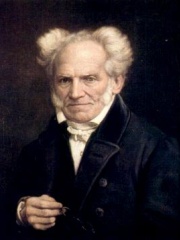
Arthur Schopenhauer
1788 - 1860
HPI: 87.55
Plaats: 24
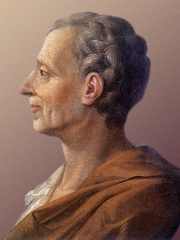
Montesquieu
1689 - 1755
HPI: 87.46
Plaats: 25
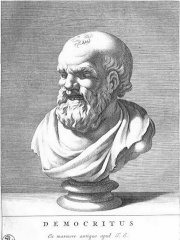
Democritus
460 BC - 360 BC
HPI: 86.85
Plaats: 26
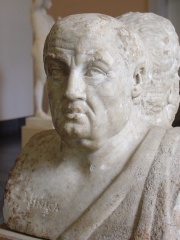
Seneca the Younger
4 BC - 65
HPI: 86.81
Plaats: 27
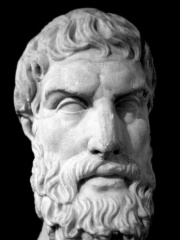
Epicurus
341 BC - 269 BC
HPI: 86.65
Plaats: 28
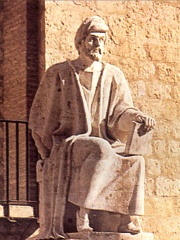
Averroes
1126 - 1198
HPI: 86.05
Plaats: 29
Al-Ghazali
1058 - 1111
HPI: 85.99
Plaats: 30
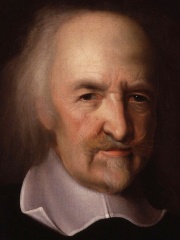
Thomas Hobbes
1588 - 1679
HPI: 85.75
Plaats: 31
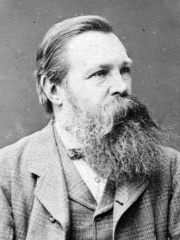
Friedrich Engels
1820 - 1895
HPI: 85.72
Plaats: 32
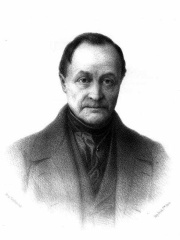
Auguste Comte
1798 - 1857
HPI: 85.43
Plaats: 33
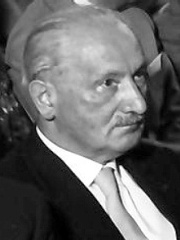
Martin Heidegger
1889 - 1976
HPI: 84.92
Plaats: 34
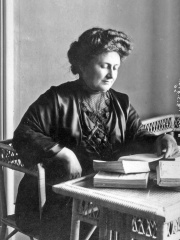
Maria Montessori
1870 - 1952
HPI: 84.59
Plaats: 35
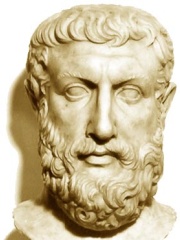
Parmenides
501 BC - 470 BC
HPI: 84.47
Plaats: 36

Tijdgenoten
Onder de mensen geboren in 1058 staat Al-Ghazali op plaats 1. Na hem komen Baldwin I of Jerusalem, Odo I, Duke of Burgundy, en Andronikos Doukas. Onder de mensen overleden in 1111 staat Al-Ghazali op plaats 1. Na hem komen Bohemond I of Antioch, Robert of Molesme, Robert II, Count of Flanders, Roger Borsa, Antipope Sylvester IV, Berthold II, Duke of Swabia, en Otto II, Count of Habsburg.
Anderen geboren in 1058
Naar alle ranglijstenAl-Ghazali
PHILOSOPHER
1058 - 1111
HPI: 85.99
Plaats: 1

Baldwin I of Jerusalem
POLITICIAN
1058 - 1118
HPI: 75.50
Plaats: 2
Odo I, Duke of Burgundy
POLITICIAN
1058 - 1103
HPI: 64.26
Plaats: 3
Andronikos Doukas
POLITICIAN
1058 - 1077
HPI: 60.37
Plaats: 4
Anderen overleden in 1111
Naar alle ranglijstenAl-Ghazali
PHILOSOPHER
1058 - 1111
HPI: 85.99
Plaats: 1
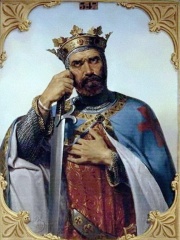
Bohemond I of Antioch
MILITARY PERSONNEL
1054 - 1111
HPI: 73.89
Plaats: 2

Robert of Molesme
RELIGIOUS FIGURE
1024 - 1111
HPI: 70.19
Plaats: 3
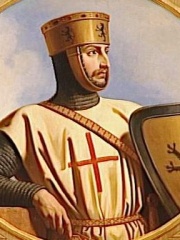
Robert II, Count of Flanders
POLITICIAN
1065 - 1111
HPI: 67.53
Plaats: 4
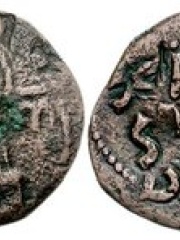
Roger Borsa
POLITICIAN
1060 - 1111
HPI: 64.21
Plaats: 5

Antipope Sylvester IV
RELIGIOUS FIGURE
1100 - 1111
HPI: 63.29
Plaats: 6
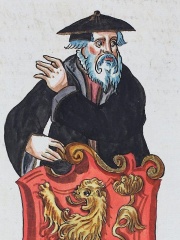
Berthold II, Duke of Swabia
POLITICIAN
1050 - 1111
HPI: 61.34
Plaats: 7
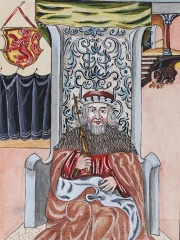
Otto II, Count of Habsburg
NOBLEMAN
1100 - 1111
HPI: 59.23
Plaats: 8
In Iran
Onder de mensen geboren in Iran staat Al-Ghazali op plaats 4 van 631. Vóór hem staan Xerxes I (-519), Cyrus the Great (-600), en Omar Khayyam (1048). Na hem komen Zoroaster (-2000), Ruhollah Khomeini (1902), Abu Nuwas (762), Jabir ibn Hayyan (721), Harun al-Rashid (766), Mohammad Reza Pahlavi (1919), Darius III (-380), en Ali Khamenei (1939).
Anderen geboren in Iran
Naar alle ranglijsten
Xerxes I
POLITICIAN
519 BC - 475 BC
HPI: 87.97
Plaats: 1
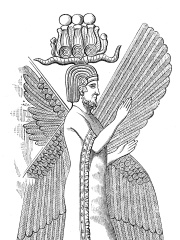
Cyrus the Great
POLITICIAN
600 BC - 530 BC
HPI: 86.91
Plaats: 2
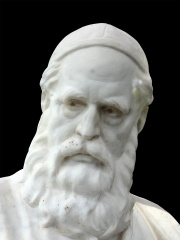
Omar Khayyam
MATHEMATICIAN
1048 - 1131
HPI: 86.69
Plaats: 3
Al-Ghazali
PHILOSOPHER
1058 - 1111
HPI: 85.99
Plaats: 4
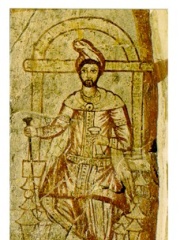
Zoroaster
RELIGIOUS FIGURE
2000 BC - 2000 BC
HPI: 85.42
Plaats: 5
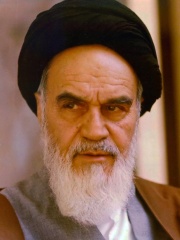
Ruhollah Khomeini
RELIGIOUS FIGURE
1902 - 1989
HPI: 83.10
Plaats: 6
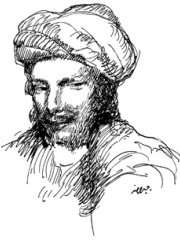
Abu Nuwas
WRITER
762 - 814
HPI: 82.59
Plaats: 7
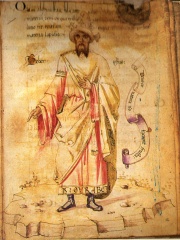
Jabir ibn Hayyan
CHEMIST
721 - 815
HPI: 82.30
Plaats: 8

Harun al-Rashid
POLITICIAN
766 - 809
HPI: 82.20
Plaats: 9
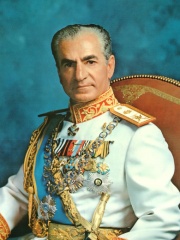
Mohammad Reza Pahlavi
POLITICIAN
1919 - 1980
HPI: 82.03
Plaats: 10
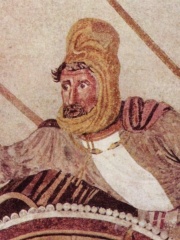
Darius III
POLITICIAN
380 BC - 330 BC
HPI: 81.71
Plaats: 11
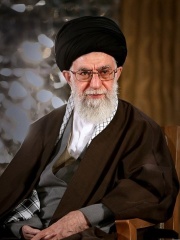
Ali Khamenei
POLITICIAN
1939 - 2026
HPI: 81.36
Plaats: 12
Onder Filosoof in Iran
Onder Filosoof geboren in Iran staat Al-Ghazali op plaats 1. Na hem komen Al-Tabari (839), Bodhidharma (483), Fakhr al-Din al-Razi (1149), Bayazid Bastami (804), Miskawayh (932), Mazdak (450), Shahab al-Din Yahya ibn Habash Suhrawardi (1155), Haji Bektash Veli (1209), Mulla Sadra (1571), Al-Baydawi (1201), en Shihab al-Din 'Umar al-Suhrawardi (1145).
Al-Ghazali
1058 - 1111
HPI: 85.99
Plaats: 1

Al-Tabari
839 - 923
HPI: 78.71
Plaats: 2

Bodhidharma
483 - 540
HPI: 78.17
Plaats: 3
Fakhr al-Din al-Razi
1149 - 1209
HPI: 71.93
Plaats: 4
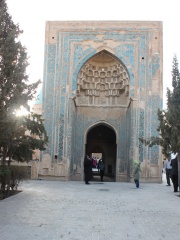
Bayazid Bastami
804 - 874
HPI: 71.16
Plaats: 5

Miskawayh
932 - 1030
HPI: 70.88
Plaats: 6
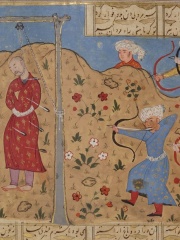
Mazdak
450 - 529
HPI: 70.30
Plaats: 7
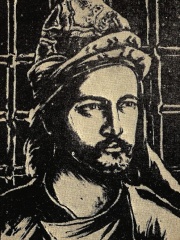
Shahab al-Din Yahya ibn Habash Suhrawardi
1155 - 1191
HPI: 68.46
Plaats: 8
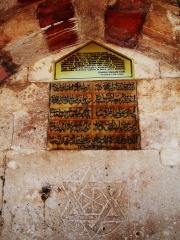
Haji Bektash Veli
1209 - 1271
HPI: 68.44
Plaats: 9

Mulla Sadra
1571 - 1636
HPI: 68.03
Plaats: 10
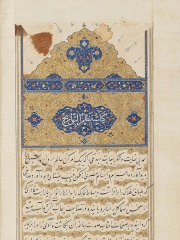
Al-Baydawi
1201 - heden
HPI: 64.85
Plaats: 11
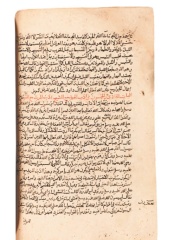
Shihab al-Din 'Umar al-Suhrawardi
1145 - 1234
HPI: 64.44
Plaats: 12




