哲学家
弗里德里希·恩格斯
1820 - 1895
ZH.WIKIPEDIA 页面浏览量 (PV)
 弗里德里希·恩格斯
知名度指标
1.2M
页面浏览量
过去12个月
85.72
HPI
历史知名度指数
弗里德里希·恩格斯的各语言页面浏览量
在哲学家中
在哲学家中,弗里德里希·恩格斯排名第32位(共1,267人)。 排在他之前的有:Democritus, Seneca the Younger, Epicurus, Averroes, Al-Ghazali, 和Thomas Hobbes. 排在他之后的有:Auguste Comte, Martin Heidegger, Maria Montessori, Parmenides, Søren Kierkegaard, 和Origen.
维基百科上最受欢迎的哲学家
查看全部排名
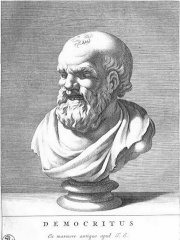
Democritus
460 BC - 360 BC
HPI: 86.85
排名: 26
Seneca the Younger
4 BC - 65
HPI: 86.81
排名: 27
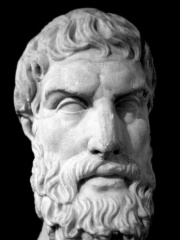
Epicurus
341 BC - 269 BC
HPI: 86.65
排名: 28
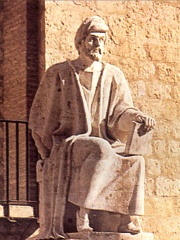
Averroes
1126 - 1198
HPI: 86.05
排名: 29
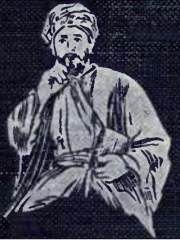
Al-Ghazali
1058 - 1111
HPI: 85.99
排名: 30
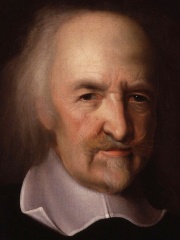
Thomas Hobbes
1588 - 1679
HPI: 85.75
排名: 31
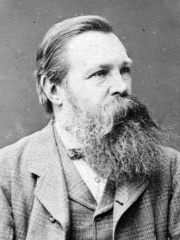
Friedrich Engels
1820 - 1895
HPI: 85.72
排名: 32
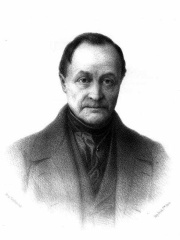
Auguste Comte
1798 - 1857
HPI: 85.43
排名: 33
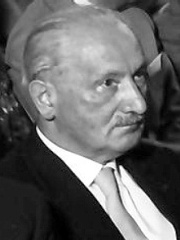
Martin Heidegger
1889 - 1976
HPI: 84.92
排名: 34
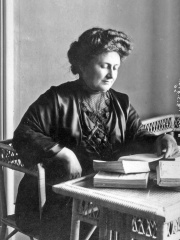
Maria Montessori
1870 - 1952
HPI: 84.59
排名: 35
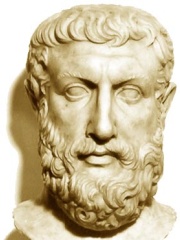
Parmenides
501 BC - 470 BC
HPI: 84.47
排名: 36
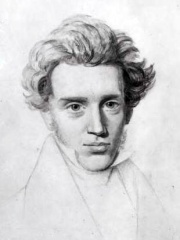
Søren Kierkegaard
1813 - 1855
HPI: 84.47
排名: 37
Origen
185 - 254
HPI: 84.46
排名: 38

同时代人物
在1820年出生的人中,弗里德里希·恩格斯排名第1位。 排在他之后的有:Florence Nightingale, Victor Emmanuel II of Italy, Herbert Spencer, Nadar, William John Macquorn Rankine, Anne Brontë, Harriet Tubman, Henri, Count of Chambord, Edmond Becquerel, Henri Vieuxtemps, 和Multatuli. 在1895年去世的人中,弗里德里希·恩格斯排名第2位。 排在他之前的有:Louis Pasteur. 排在他之后的有:Alexandre Dumas fils, Berthe Morisot, Thomas Henry Huxley, Leopold von Sacher-Masoch, José Martí, Franz von Suppé, Empress Myeongseong, Isma'il Pasha, Julius Lothar Meyer, 和Adam Opel.
其他1820年出生的人
查看全部排名Friedrich Engels
PHILOSOPHER
1820 - 1895
HPI: 85.72
排名: 1
Florence Nightingale
PHYSICIAN
1820 - 1910
HPI: 83.23
排名: 2
Victor Emmanuel II of Italy
POLITICIAN
1820 - 1878
HPI: 82.61
排名: 3
Herbert Spencer
PHILOSOPHER
1820 - 1903
HPI: 80.25
排名: 4
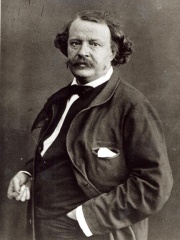
Nadar
PHOTOGRAPHER
1820 - 1910
HPI: 77.63
排名: 5
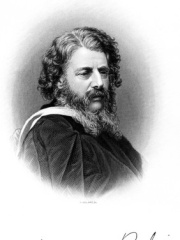
William John Macquorn Rankine
ENGINEER
1820 - 1872
HPI: 76.98
排名: 6
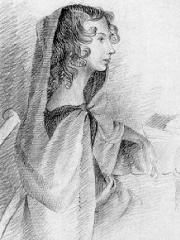
Anne Brontë
WRITER
1820 - 1849
HPI: 75.21
排名: 7
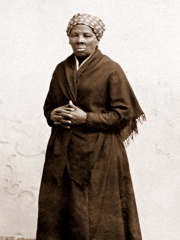
Harriet Tubman
SOCIAL ACTIVIST
1820 - 1913
HPI: 73.54
排名: 8
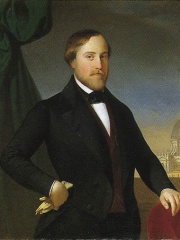
Henri, Count of Chambord
POLITICIAN
1820 - 1883
HPI: 73.09
排名: 9
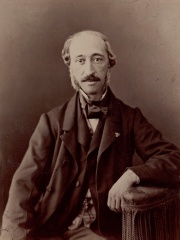
Edmond Becquerel
PHYSICIST
1820 - 1891
HPI: 72.83
排名: 10
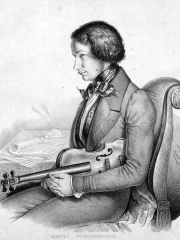
Henri Vieuxtemps
COMPOSER
1820 - 1881
HPI: 70.77
排名: 11
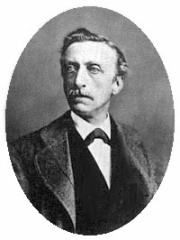
Multatuli
WRITER
1820 - 1887
HPI: 70.61
排名: 12
其他1895年去世的人
查看全部排名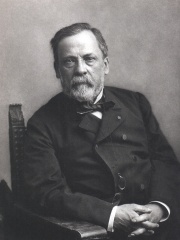
Louis Pasteur
CHEMIST
1822 - 1895
HPI: 89.24
排名: 1
Friedrich Engels
PHILOSOPHER
1820 - 1895
HPI: 85.72
排名: 2
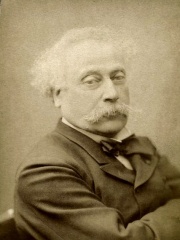
Alexandre Dumas fils
WRITER
1824 - 1895
HPI: 81.76
排名: 3
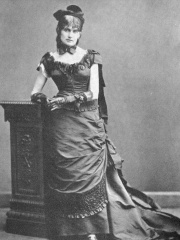
Berthe Morisot
PAINTER
1841 - 1895
HPI: 77.77
排名: 4
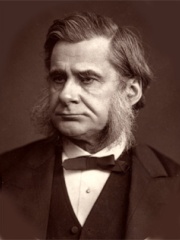
Thomas Henry Huxley
BIOLOGIST
1825 - 1895
HPI: 75.76
排名: 5
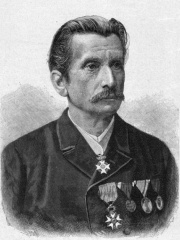
Leopold von Sacher-Masoch
WRITER
1836 - 1895
HPI: 74.47
排名: 6
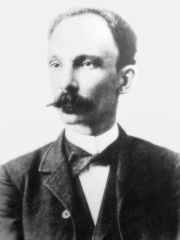
José Martí
WRITER
1853 - 1895
HPI: 73.05
排名: 7
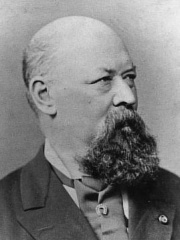
Franz von Suppé
COMPOSER
1819 - 1895
HPI: 72.63
排名: 8

Empress Myeongseong
POLITICIAN
1851 - 1895
HPI: 72.42
排名: 9
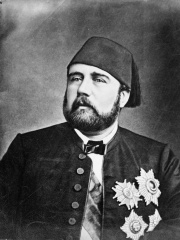
Isma'il Pasha
POLITICIAN
1830 - 1895
HPI: 71.90
排名: 10
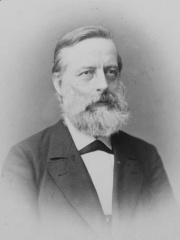
Julius Lothar Meyer
CHEMIST
1830 - 1895
HPI: 71.87
排名: 11
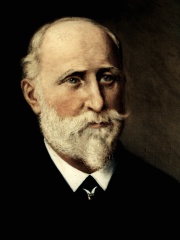
Adam Opel
INVENTOR
1837 - 1895
HPI: 71.80
排名: 12
在德国
在出生于德国的人中,弗里德里希·恩格斯排名第29位(共NaN人)。 排在他之前的有:Karl Benz (1844), Henry Kissinger (1923), Max Weber (1864), Wilhelm Röntgen (1845), Frederick the Great (1712), 和Johannes Brahms (1833). 排在他之后的有:Angela Merkel (1954), Max Planck (1858), Bernhard Riemann (1826), Anne Frank (1929), Sigismund, Holy Roman Emperor (1368), 和Hermann Hesse (1877).
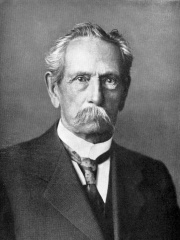
Karl Benz
INVENTOR
1844 - 1929
HPI: 88.12
排名: 23
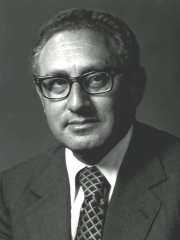
Henry Kissinger
POLITICIAN
1923 - 2023
HPI: 87.92
排名: 24
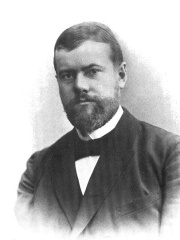
Max Weber
SOCIOLOGIST
1864 - 1920
HPI: 87.20
排名: 25
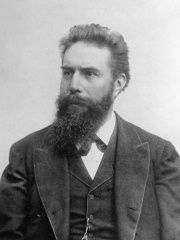
Wilhelm Röntgen
PHYSICIST
1845 - 1923
HPI: 87.15
排名: 26
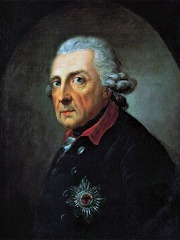
Frederick the Great
POLITICIAN
1712 - 1786
HPI: 85.80
排名: 27
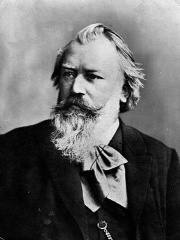
Johannes Brahms
COMPOSER
1833 - 1897
HPI: 85.79
排名: 28
Friedrich Engels
PHILOSOPHER
1820 - 1895
HPI: 85.72
排名: 29
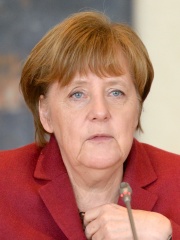
Angela Merkel
POLITICIAN
1954 - 至今
HPI: 85.63
排名: 30

Max Planck
PHYSICIST
1858 - 1947
HPI: 85.41
排名: 31
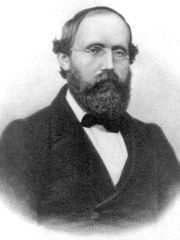
Bernhard Riemann
MATHEMATICIAN
1826 - 1866
HPI: 85.32
排名: 32
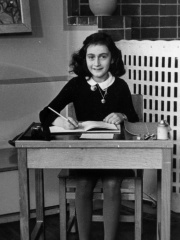
Anne Frank
WRITER
1929 - 1945
HPI: 85.31
排名: 33
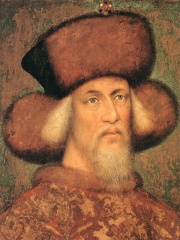
Sigismund, Holy Roman Emperor
POLITICIAN
1368 - 1437
HPI: 85.25
排名: 34
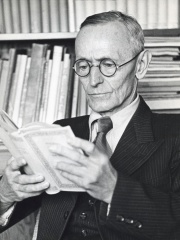
Hermann Hesse
WRITER
1877 - 1962
HPI: 85.13
排名: 35
在德国的哲学家中
在出生于德国的哲学家中,弗里德里希·恩格斯排名第3位。 排在他之前的有:Friedrich Nietzsche (1844), 和Georg Wilhelm Friedrich Hegel (1770). 排在他之后的有:Martin Heidegger (1889), Hannah Arendt (1906), Johann Gottlieb Fichte (1762), Nicholas of Cusa (1401), Friedrich Wilhelm Joseph Schelling (1775), Karl Jaspers (1883), Ludwig Feuerbach (1804), Rudolf Christoph Eucken (1846), 和Jürgen Habermas (1929).
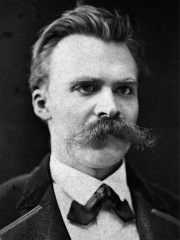
Friedrich Nietzsche
1844 - 1900
HPI: 90.17
排名: 1
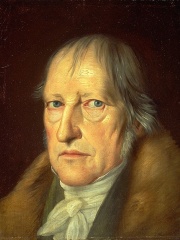
Georg Wilhelm Friedrich Hegel
1770 - 1831
HPI: 88.27
排名: 2
Friedrich Engels
1820 - 1895
HPI: 85.72
排名: 3
Martin Heidegger
1889 - 1976
HPI: 84.92
排名: 4
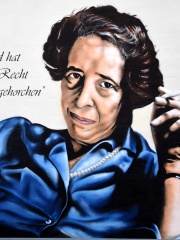
Hannah Arendt
1906 - 1975
HPI: 82.29
排名: 5
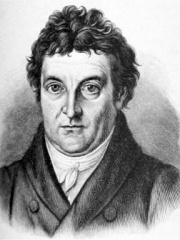
Johann Gottlieb Fichte
1762 - 1814
HPI: 81.40
排名: 6

Nicholas of Cusa
1401 - 1464
HPI: 80.39
排名: 7
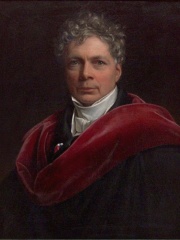
Friedrich Wilhelm Joseph Schelling
1775 - 1854
HPI: 80.32
排名: 8
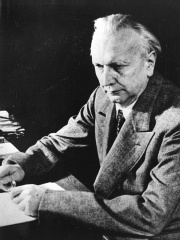
Karl Jaspers
1883 - 1969
HPI: 80.28
排名: 9
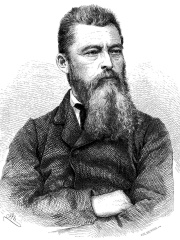
Ludwig Feuerbach
1804 - 1872
HPI: 80.22
排名: 10
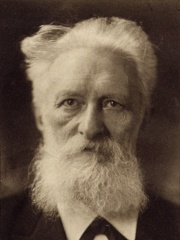
Rudolf Christoph Eucken
1846 - 1926
HPI: 79.85
排名: 11
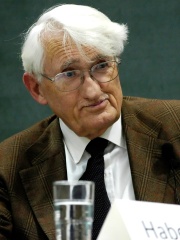
Jürgen Habermas
1929 - 2026
HPI: 79.46
排名: 12




