宗教家
Ibn Hazm
994 - 1064
JA.WIKIPEDIA ページビュー (PV)
 Ibn Hazm
知名度指標
120k
ページビュー
過去12か月
72.87
HPI
歴史的人気指数
データインサイト
#134 / 3,981
Ibn HazmはPantheonに収録されたスペイン生まれの3,981人中第134位で、上位4%に入ります。
Ibn Hazmの言語別ページビュー
宗教家の中で
宗教家の中で、Ibn Hazmは3,189人中568位です。 彼より上位:Halimah bint Abi Dhuayb, Jehoshaphat, Ibrahim ibn Muhammad, Paul of Thebes, Rose of Lima, 、Archduke Rudolf of Austria. 彼より下位:Annas, Josemaría Escrivá, Pope Severinus, Pope Stephen V, Paul the Deacon, 、Meritaten.
ウィキペディアで最も人気のある宗教家
すべてのランキングを見る
Halimah bint Abi Dhuayb
550 - 629
HPI: 72.96
順位: 562
Jehoshaphat
紀元前908 - 紀元前849
HPI: 72.95
順位: 563

Ibrahim ibn Muhammad
630 - 632
HPI: 72.91
順位: 564

Paul of Thebes
227 - 342
HPI: 72.89
順位: 565
Rose of Lima
1586 - 1617
HPI: 72.88
順位: 566
Archduke Rudolf of Austria
1788 - 1831
HPI: 72.87
順位: 567
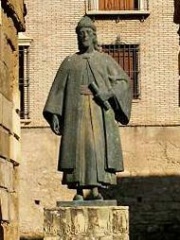
Ibn Hazm
994 - 1064
HPI: 72.87
順位: 568

Annas
紀元前22 - 66
HPI: 72.86
順位: 569
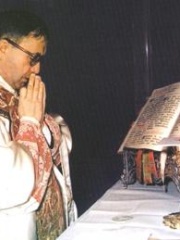
Josemaría Escrivá
1902 - 1975
HPI: 72.84
順位: 570
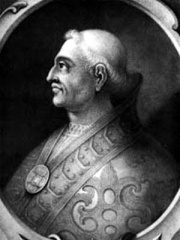
Pope Severinus
600 - 640
HPI: 72.83
順位: 571
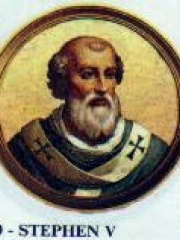
Pope Stephen V
850 - 891
HPI: 72.83
順位: 572
Paul the Deacon
720 - 799
HPI: 72.76
順位: 573
Meritaten
紀元前1400 - 紀元前1400
HPI: 72.75
順位: 574

同時代の人物
994年生まれの人の中で、Ibn Hazmは1位です。 彼より下位:Alfonso V of León, 、Al-Bayhaqi. 1064年に亡くなった人の中で、Ibn Hazmは1位です。
994年生まれのその他の人物
すべてのランキングを見るIbn Hazm
RELIGIOUS FIGURE
994 - 1064
HPI: 72.87
順位: 1
Alfonso V of León
POLITICIAN
994 - 1028
HPI: 67.62
順位: 2

Al-Bayhaqi
RELIGIOUS FIGURE
994 - 1066
HPI: 66.07
順位: 3
1064年に亡くなったその他の人物
すべてのランキングを見るスペインの中で
スペイン生まれの人の中で、Ibn Hazmは3,981人中134位です。 彼より上位:Solomon ibn Gabirol (1021), Ferdinand III of Castile (1199), Peter of Castile (1334), Ricardo Zamora (1901), Francisco Suárez (1548), 、Paco de Lucía (1947). 彼より下位:Josemaría Escrivá (1902), Josep Borrell (1947), Catherine of Navarre (1470), Princess Isabella of Parma (1741), Henry II of Navarre (1503), 、Diego de Almagro (1475).
スペイン生まれのその他の人物
すべてのランキングを見る
Solomon ibn Gabirol
PHILOSOPHER
1021 - 1058
HPI: 73.35
順位: 128

Ferdinand III of Castile
POLITICIAN
1199 - 1252
HPI: 73.30
順位: 129
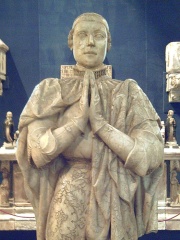
Peter of Castile
POLITICIAN
1334 - 1369
HPI: 73.17
順位: 130

Ricardo Zamora
SOCCER PLAYER
1901 - 1978
HPI: 73.15
順位: 131
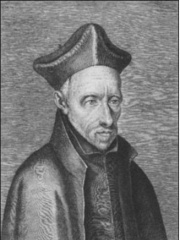
Francisco Suárez
PHILOSOPHER
1548 - 1617
HPI: 73.14
順位: 132

Paco de Lucía
MUSICIAN
1947 - 2014
HPI: 73.06
順位: 133
Ibn Hazm
RELIGIOUS FIGURE
994 - 1064
HPI: 72.87
順位: 134
Josemaría Escrivá
RELIGIOUS FIGURE
1902 - 1975
HPI: 72.84
順位: 135
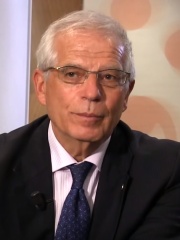
Josep Borrell
POLITICIAN
1947 - 現在
HPI: 72.83
順位: 136
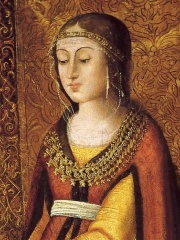
Catherine of Navarre
POLITICIAN
1470 - 1517
HPI: 72.72
順位: 137

Princess Isabella of Parma
POLITICIAN
1741 - 1763
HPI: 72.63
順位: 138
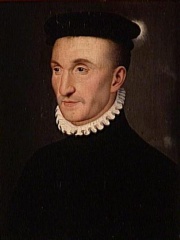
Henry II of Navarre
POLITICIAN
1503 - 1555
HPI: 72.54
順位: 139
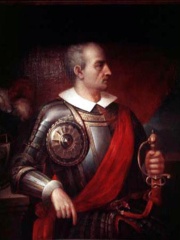
Diego de Almagro
EXPLORER
1475 - 1538
HPI: 72.51
順位: 140
スペインの宗教家の中で
スペイン生まれの宗教家の中で、Ibn Hazmは17位です。 彼より上位:Tomás de Torquemada (1420), John of the Cross (1542), Joan Enric Vives Sicília (1949), Antipope Benedict XIII (1328), Vincent of Saragossa (300), 、Vincent Ferrer (1350). 彼より下位:Josemaría Escrivá (1902), Francis Borgia, 4th Duke of Gandía (1510), Raymond of Penyafort (1175), Eulalia of Mérida (290), Peter of Saint Joseph de Betancur (1626), 、Isidore the Laborer (1080).
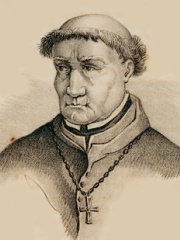
Tomás de Torquemada
1420 - 1498
HPI: 78.04
順位: 11

John of the Cross
1542 - 1591
HPI: 77.88
順位: 12
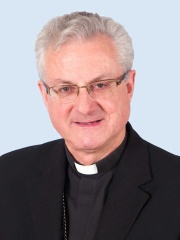
Joan Enric Vives Sicília
1949 - 現在
HPI: 76.00
順位: 13
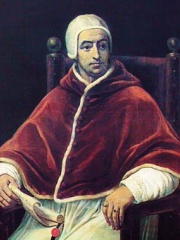
Antipope Benedict XIII
1328 - 1423
HPI: 74.05
順位: 14
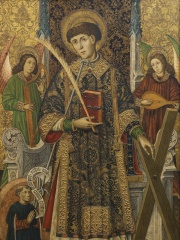
Vincent of Saragossa
300 - 304
HPI: 73.81
順位: 15
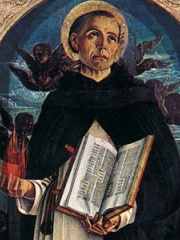
Vincent Ferrer
1350 - 1419
HPI: 73.67
順位: 16
Ibn Hazm
994 - 1064
HPI: 72.87
順位: 17
Josemaría Escrivá
1902 - 1975
HPI: 72.84
順位: 18
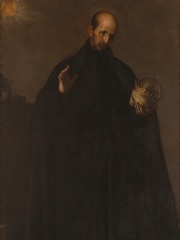
Francis Borgia, 4th Duke of Gandía
1510 - 1572
HPI: 71.27
順位: 19
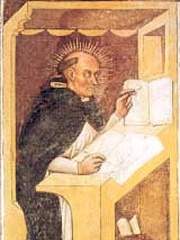
Raymond of Penyafort
1175 - 1275
HPI: 70.66
順位: 20

Eulalia of Mérida
290 - 304
HPI: 70.29
順位: 21
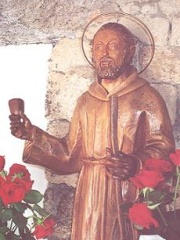
Peter of Saint Joseph de Betancur
1626 - 1667
HPI: 69.34
順位: 22
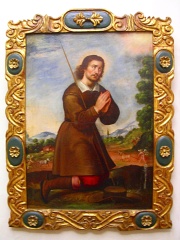
Isidore the Laborer
1080 - 1130
HPI: 69.18
順位: 23




