政治家
Agrippa Postumus
12 BC - 14
JA.WIKIPEDIA ページビュー (PV)
 Agrippa Postumus
知名度指標
140k
ページビュー
過去12か月
66.99
HPI
歴史的人気指数
Agrippa Postumusの言語別ページビュー
政治家の中で
政治家の中で、Agrippa Postumusは19,576人中4,665位です。 彼より上位:Juan Almeida Bosque, Louis Alexandre, Count of Toulouse, Charles I Gonzaga, Duke of Mantua, Dušan Simović, Suleiman of Persia, 、Jane Avril. 彼より下位:Menua, Emperor Wu of Liang, Conrad, Duke of Lorraine, Jovan Vladimir, Archduke Joseph August of Austria, 、Prince Karl Anton August of Schleswig-Holstein-Sonderburg-Beck.
ウィキペディアで最も人気のある政治家
すべてのランキングを見る

Juan Almeida Bosque
1927 - 2009
HPI: 67.00
順位: 4,661
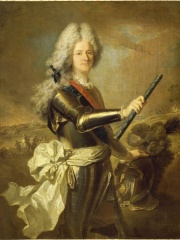
Louis Alexandre, Count of Toulouse
1678 - 1737
HPI: 67.00
順位: 4,662
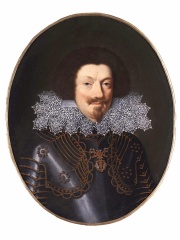
Charles I Gonzaga, Duke of Mantua
1580 - 1637
HPI: 67.00
順位: 4,663
Dušan Simović
1882 - 1962
HPI: 67.00
順位: 4,664
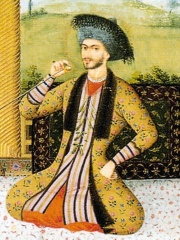
Suleiman of Persia
1647 - 1694
HPI: 67.00
順位: 4,665

Jane Avril
1868 - 1943
HPI: 67.00
順位: 4,666
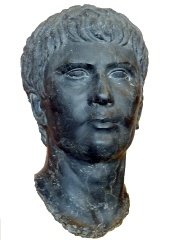
Agrippa Postumus
12 BC - 14
HPI: 66.99
順位: 4,667

Menua
900 BC - 786 BC
HPI: 66.99
順位: 4,668

Emperor Wu of Liang
464 - 549
HPI: 66.99
順位: 4,669
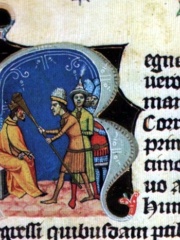
Conrad, Duke of Lorraine
922 - 955
HPI: 66.99
順位: 4,670
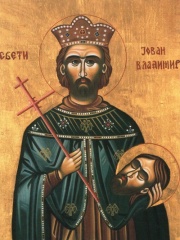
Jovan Vladimir
990 - 1016
HPI: 66.99
順位: 4,671
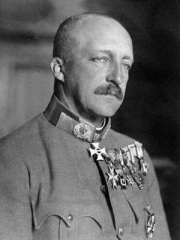
Archduke Joseph August of Austria
1872 - 1962
HPI: 66.99
順位: 4,672
Prince Karl Anton August of Schleswig-Holstein-Sonderburg-Beck
1727 - 1759
HPI: 66.99
順位: 4,673

同時代の人物
12 BC年生まれの人の中で、Agrippa Postumusは3位です。 彼より上位:Pontius Pilate, 、Cassius Chaerea. 14年に亡くなった人の中で、Agrippa Postumusは3位です。 彼より上位:Augustus, 、Julia the Elder. 彼より下位:Parthenius of Nicaea, Lucius Aemilius Paullus, Paullus Fabius Maximus, Marcus Plautius Silvanus, 、Antonius Musa.
12 BC年生まれのその他の人物
すべてのランキングを見る
Pontius Pilate
POLITICIAN
12 BC - 38
HPI: 84.56
順位: 1

Cassius Chaerea
POLITICIAN
12 BC - 41
HPI: 68.55
順位: 2
Agrippa Postumus
POLITICIAN
12 BC - 14
HPI: 66.99
順位: 3
14年に亡くなったその他の人物
すべてのランキングを見る
Augustus
POLITICIAN
63 BC - 14
HPI: 92.03
順位: 1
Julia the Elder
COMPANION
39 BC - 14
HPI: 73.42
順位: 2
Agrippa Postumus
POLITICIAN
12 BC - 14
HPI: 66.99
順位: 3

Parthenius of Nicaea
WRITER
1 BC - 14
HPI: 60.47
順位: 4

Lucius Aemilius Paullus
POLITICIAN
100 BC - 14
HPI: 59.49
順位: 5

Paullus Fabius Maximus
POLITICIAN
40 BC - 14
HPI: 59.19
順位: 6

Marcus Plautius Silvanus
POLITICIAN
HPI: 58.56
順位: 7

Antonius Musa
PHYSICIAN
63 BC - 14
HPI: 57.32
順位: 8
イタリアの中で
イタリア生まれの人の中で、Agrippa PostumusはNaN人中1,338位です。 彼より上位:Giuseppe Conte (1964), Bernabò Visconti (1323), Benedict the Moor (1526), Orcagna (1315), Ascanio Sforza (1455), 、Paula of Rome (347). 彼より下位:Simon of Sicily (1093), Verres (-120), Renata Scotto (1934), Maria Pia of Savoy (1847), Giovanni Domenico Tiepolo (1727), 、Asconius Pedianus (-9).
イタリア生まれのその他の人物
すべてのランキングを見る
Giuseppe Conte
POLITICIAN
1964 - 現在
HPI: 67.03
順位: 1,332
Bernabò Visconti
POLITICIAN
1323 - 1385
HPI: 67.03
順位: 1,333

Benedict the Moor
RELIGIOUS FIGURE
1526 - 1589
HPI: 67.02
順位: 1,334
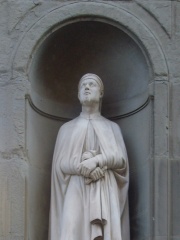
Orcagna
PAINTER
1315 - 1368
HPI: 67.02
順位: 1,335
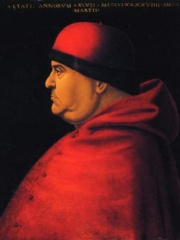
Ascanio Sforza
RELIGIOUS FIGURE
1455 - 1505
HPI: 67.01
順位: 1,336
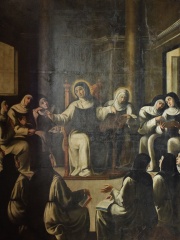
Paula of Rome
RELIGIOUS FIGURE
347 - 406
HPI: 67.00
順位: 1,337
Agrippa Postumus
POLITICIAN
12 BC - 14
HPI: 66.99
順位: 1,338

Simon of Sicily
1093 - 1105
HPI: 66.98
順位: 1,339

Verres
POLITICIAN
120 BC - 43 BC
HPI: 66.98
順位: 1,340

Renata Scotto
SINGER
1934 - 2023
HPI: 66.98
順位: 1,341
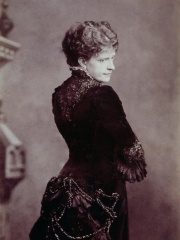
Maria Pia of Savoy
POLITICIAN
1847 - 1911
HPI: 66.97
順位: 1,342

Giovanni Domenico Tiepolo
PAINTER
1727 - 1804
HPI: 66.96
順位: 1,343

Asconius Pedianus
WRITER
9 BC - 76
HPI: 66.94
順位: 1,344
イタリアの政治家の中で
イタリア生まれの政治家の中で、Agrippa Postumusは309位です。 彼より上位:Ivanoe Bonomi (1873), Prince Ferdinando, Duke of Genoa (1822), Sigismondo Pandolfo Malatesta (1417), Archduke Rainer Joseph of Austria (1783), Giuseppe Conte (1964), 、Bernabò Visconti (1323). 彼より下位:Verres (-120), Maria Pia of Savoy (1847), Julia Flavia (64), Giovanni Gronchi (1887), Amintore Fanfani (1908), 、Dion of Syracuse (-409).
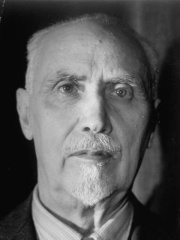
Ivanoe Bonomi
1873 - 1951
HPI: 67.13
順位: 303
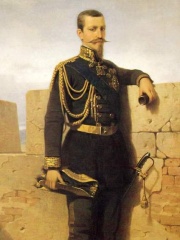
Prince Ferdinando, Duke of Genoa
1822 - 1855
HPI: 67.08
順位: 304
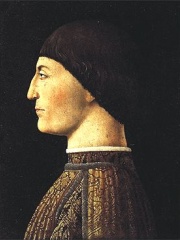
Sigismondo Pandolfo Malatesta
1417 - 1468
HPI: 67.08
順位: 305
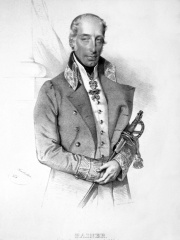
Archduke Rainer Joseph of Austria
1783 - 1853
HPI: 67.04
順位: 306
Giuseppe Conte
1964 - 現在
HPI: 67.03
順位: 307
Bernabò Visconti
1323 - 1385
HPI: 67.03
順位: 308
Agrippa Postumus
12 BC - 14
HPI: 66.99
順位: 309
Verres
120 BC - 43 BC
HPI: 66.98
順位: 310
Maria Pia of Savoy
1847 - 1911
HPI: 66.97
順位: 311
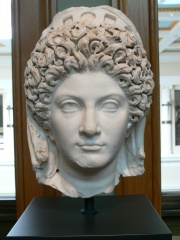
Julia Flavia
64 - 91
HPI: 66.94
順位: 312
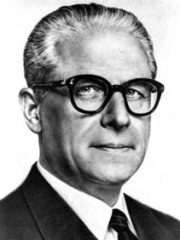
Giovanni Gronchi
1887 - 1978
HPI: 66.94
順位: 313
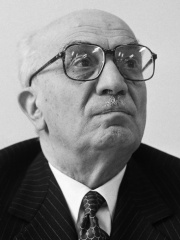
Amintore Fanfani
1908 - 1999
HPI: 66.94
順位: 314
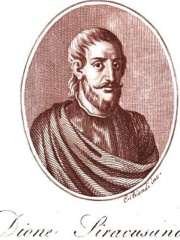
Dion of Syracuse
409 BC - 354 BC
HPI: 66.92
順位: 315




