Filosofo
Theano
600 BC - 600 BC
VISUALIZZAZIONI SU IT.WIKIPEDIA (PV)

 Theano
La sua biografia è disponibile in 35 lingue su Wikipedia (in aumento rispetto a 32 nel 2024). Theano è la 218ª filosofo più popolare (in aumento dal 245ª nel 2024), la 620ª biografia più popolare dell'Italia (in aumento dal 664ª nel 2019) e la 19ª filosofo più popolare dell'Italia.
Metriche di memorabilità
40k
Visualizzazioni
Ultimi 12 mesi
73.38
HPI
Indice di popolarità storica
Dati in evidenza
35
La biografia di Theano copre 35 edizioni linguistiche di Wikipedia e ottiene un Indice di Popolarità Storica di 73.38.
Visualizzazioni della pagina di Theano per lingua
Tra Filosofo
Tra Filosofo, Theano occupa la posizione 218 su 1,285. Prima di lei ci sono Julia Kristeva, Miguel de Unamuno, Orosius, Baltasar Gracián, Hippasus, e G. E. M. Anscombe. Dopo di lei ci sono Muhammad Abduh, Solomon ibn Gabirol, Benjamin Constant, Xenocrates, Julius Evola, e Francisco Suárez.
Filosofo più popolari su Wikipedia
Vai a tutte le classifiche

Julia Kristeva
1941 - presente
HPI: 73.68
Posizione: 212
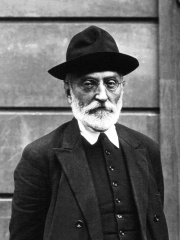
Miguel de Unamuno
1864 - 1936
HPI: 73.57
Posizione: 213
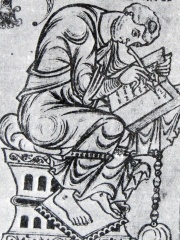
Orosius
375 - 420
HPI: 73.52
Posizione: 214
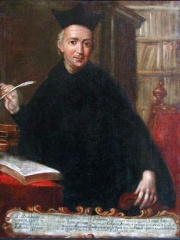
Baltasar Gracián
1601 - 1658
HPI: 73.52
Posizione: 215
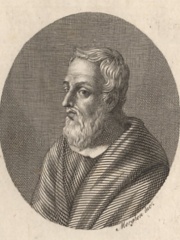
Hippasus
600 BC - 500 BC
HPI: 73.44
Posizione: 216
G. E. M. Anscombe
1919 - 2001
HPI: 73.41
Posizione: 217
Theano
600 BC - 600 BC
HPI: 73.38
Posizione: 218
Muhammad Abduh
1849 - 1905
HPI: 73.35
Posizione: 219
Solomon ibn Gabirol
1021 - 1058
HPI: 73.35
Posizione: 220
Benjamin Constant
1767 - 1830
HPI: 73.28
Posizione: 221
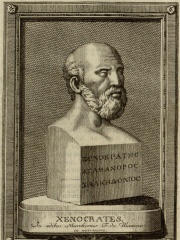
Xenocrates
396 BC - 314 BC
HPI: 73.16
Posizione: 222
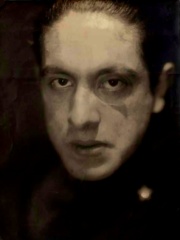
Julius Evola
1898 - 1974
HPI: 73.16
Posizione: 223
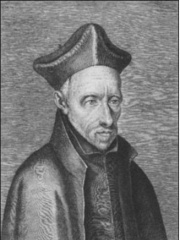
Francisco Suárez
1548 - 1617
HPI: 73.14
Posizione: 224

Contemporanei
Tra le persone nate nel 600 BC, Theano occupa la posizione 17. Prima di lei ci sono Belshazzar, Mardonius, Gaius Marcius Coriolanus, Cambyses I, Pheidippides, e Hippasus. Dopo di lei ci sono Polycrates, Mahapajapati Gotami, Nahum, Bias of Priene, Hippias, e Lucius Junius Brutus. Tra le persone decedute nel 600 BC, Theano occupa la posizione 8. Prima di lei ci sono Draco, Tomyris, Maya, Belshazzar, Habakkuk, e Astyages. Dopo di lei ci sono Epimenides, Anacharsis, Phalaris, Alcetas I of Macedon, Ibycus, e Sushruta.
Altre persone nate nel 600 BC
Vai a tutte le classifiche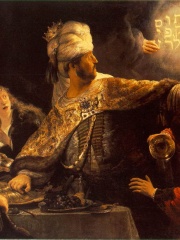
Belshazzar
RELIGIOUS FIGURE
600 BC - 600 BC
HPI: 75.54
Posizione: 11

Mardonius
MILITARY PERSONNEL
600 BC - 479 BC
HPI: 75.10
Posizione: 12
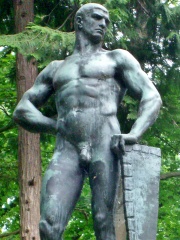
Gaius Marcius Coriolanus
POLITICIAN
600 BC - 500 BC
HPI: 74.23
Posizione: 13
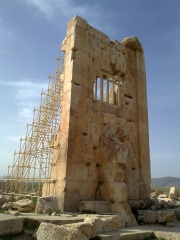
Cambyses I
POLITICIAN
600 BC - 559 BC
HPI: 73.84
Posizione: 14
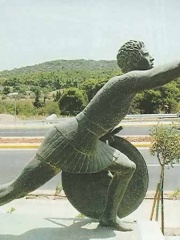
Pheidippides
SOCIAL ACTIVIST
600 BC - 490 BC
HPI: 73.68
Posizione: 15
Hippasus
PHILOSOPHER
600 BC - 500 BC
HPI: 73.44
Posizione: 16
Theano
PHILOSOPHER
600 BC - 600 BC
HPI: 73.38
Posizione: 17
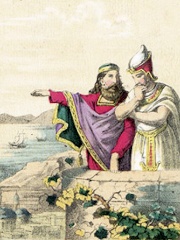
Polycrates
POLITICIAN
600 BC - 515 BC
HPI: 73.36
Posizione: 18
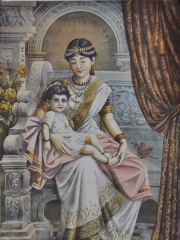
Mahapajapati Gotami
RELIGIOUS FIGURE
600 BC - 480 BC
HPI: 73.12
Posizione: 19
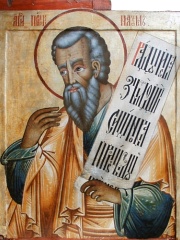
Nahum
POLITICIAN
600 BC - 700 BC
HPI: 72.86
Posizione: 20
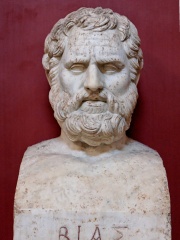
Bias of Priene
PHILOSOPHER
600 BC - 530 BC
HPI: 72.32
Posizione: 21
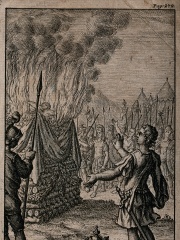
Hippias
POLITICIAN
600 BC - 490 BC
HPI: 72.28
Posizione: 22
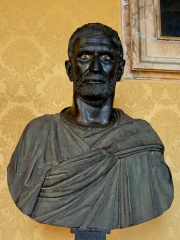
Lucius Junius Brutus
POLITICIAN
600 BC - 509 BC
HPI: 72.25
Posizione: 23
Altre persone decedute nel 600 BC
Vai a tutte le classifiche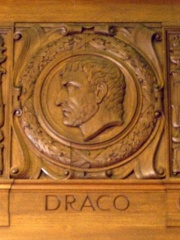
Draco
PUBLIC WORKER
650 BC - 600 BC
HPI: 82.30
Posizione: 2
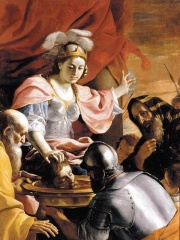
Tomyris
POLITICIAN
600 BC - 600 BC
HPI: 81.59
Posizione: 3
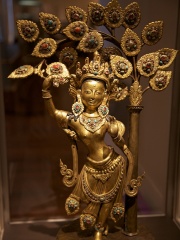
Maya
RELIGIOUS FIGURE
600 BC - 600 BC
HPI: 77.09
Posizione: 4
Belshazzar
RELIGIOUS FIGURE
600 BC - 600 BC
HPI: 75.54
Posizione: 5
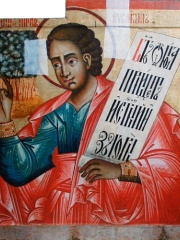
Habakkuk
RELIGIOUS FIGURE
626 BC - 600 BC
HPI: 75.32
Posizione: 6
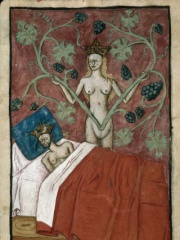
Astyages
POLITICIAN
700 BC - 600 BC
HPI: 74.02
Posizione: 7
Theano
PHILOSOPHER
600 BC - 600 BC
HPI: 73.38
Posizione: 8
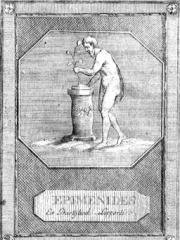
Epimenides
PHILOSOPHER
690 BC - 600 BC
HPI: 71.11
Posizione: 9
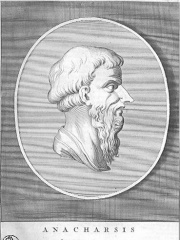
Anacharsis
PHILOSOPHER
700 BC - 600 BC
HPI: 70.65
Posizione: 10
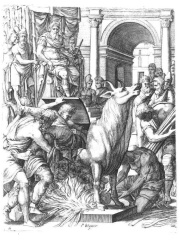
Phalaris
POLITICIAN
700 BC - 600 BC
HPI: 70.56
Posizione: 11

Alcetas I of Macedon
POLITICIAN
550 BC - 600 BC
HPI: 69.87
Posizione: 12

Ibycus
WRITER
600 BC - 600 BC
HPI: 69.19
Posizione: 13
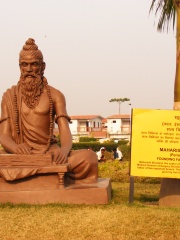
Sushruta
PHYSICIAN
620 BC - 600 BC
HPI: 68.12
Posizione: 14
In Italia
Tra le persone nate in Italia, Theano occupa la posizione 620 su 5,905. Prima di lei ci sono Lazzaro Spallanzani (1729), Dionysius I of Syracuse (-430), Julia the Elder (-39), Publius Clodius Pulcher (-90), Matilda of Tuscany (1046), e Giovanni Borgia, 2nd Duke of Gandia (1474). Dopo di lei ci sono Gianni Rodari (1920), Dominic Savio (1842), Archduke Charles, Duke of Teschen (1771), Aloysius Gonzaga (1568), Caterina Sforza (1463), e Baldassare Castiglione (1478).
Altre persone nate in Italia
Vai a tutte le classifiche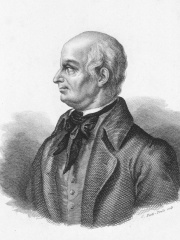
Lazzaro Spallanzani
BIOLOGIST
1729 - 1799
HPI: 73.44
Posizione: 614
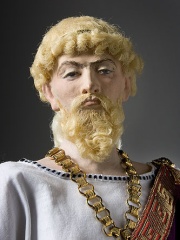
Dionysius I of Syracuse
POLITICIAN
430 BC - 366 BC
HPI: 73.43
Posizione: 615
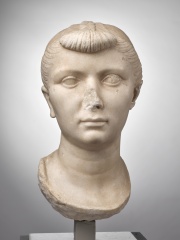
Julia the Elder
COMPANION
39 BC - 14
HPI: 73.42
Posizione: 616
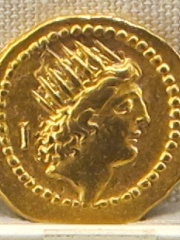
Publius Clodius Pulcher
POLITICIAN
90 BC - 52 BC
HPI: 73.41
Posizione: 617
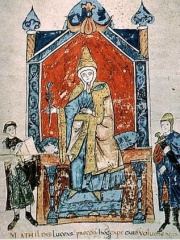
Matilda of Tuscany
MILITARY PERSONNEL
1046 - 1115
HPI: 73.40
Posizione: 618
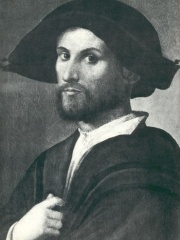
Giovanni Borgia, 2nd Duke of Gandia
NOBLEMAN
1474 - 1497
HPI: 73.39
Posizione: 619
Theano
PHILOSOPHER
600 BC - 600 BC
HPI: 73.38
Posizione: 620
Gianni Rodari
JOURNALIST
1920 - 1980
HPI: 73.36
Posizione: 621

Dominic Savio
RELIGIOUS FIGURE
1842 - 1857
HPI: 73.33
Posizione: 622
Archduke Charles, Duke of Teschen
NOBLEMAN
1771 - 1847
HPI: 73.33
Posizione: 623
Aloysius Gonzaga
RELIGIOUS FIGURE
1568 - 1591
HPI: 73.32
Posizione: 624
Caterina Sforza
COMPANION
1463 - 1509
HPI: 73.32
Posizione: 625
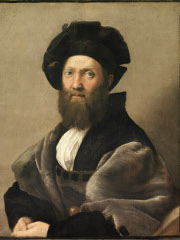
Baldassare Castiglione
WRITER
1478 - 1529
HPI: 73.29
Posizione: 626
Tra Filosofo in Italia
Tra Filosofo nati in Italia, Theano occupa la posizione 19. Prima di lei ci sono Marsilio Ficino (1433), Giambattista Vico (1668), Tommaso Campanella (1568), Cesare Beccaria (1738), Alcmaeon of Croton (-510), e Hippasus (-600). Dopo di lei ci sono Julius Evola (1898), Benedetto Croce (1866), Giorgio Agamben (1942), Marsilius of Padua (1275), Elena Cornaro Piscopia (1646), e Pietro Pomponazzi (1462).
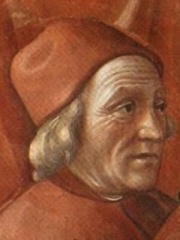
Marsilio Ficino
1433 - 1499
HPI: 77.16
Posizione: 13
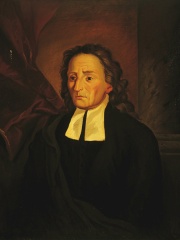
Giambattista Vico
1668 - 1744
HPI: 76.67
Posizione: 14
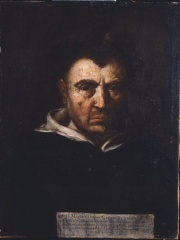
Tommaso Campanella
1568 - 1639
HPI: 76.67
Posizione: 15
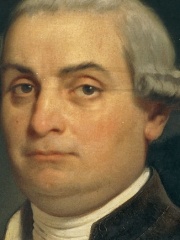
Cesare Beccaria
1738 - 1794
HPI: 74.89
Posizione: 16
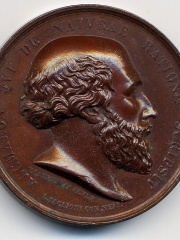
Alcmaeon of Croton
510 BC - 450 BC
HPI: 73.88
Posizione: 17
Hippasus
600 BC - 500 BC
HPI: 73.44
Posizione: 18
Theano
600 BC - 600 BC
HPI: 73.38
Posizione: 19
Julius Evola
1898 - 1974
HPI: 73.16
Posizione: 20
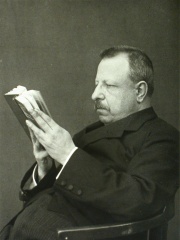
Benedetto Croce
1866 - 1952
HPI: 72.94
Posizione: 21
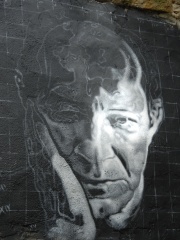
Giorgio Agamben
1942 - presente
HPI: 72.65
Posizione: 22

Marsilius of Padua
1275 - 1342
HPI: 71.76
Posizione: 23
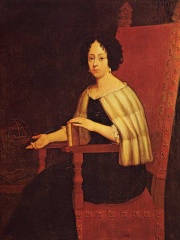
Elena Cornaro Piscopia
1646 - 1684
HPI: 70.48
Posizione: 24
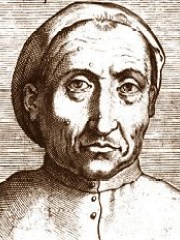
Pietro Pomponazzi
1462 - 1525
HPI: 70.27
Posizione: 25




