Politico
Thamphthis
2600 BC - 2560 BC
VISUALIZZAZIONI SU IT.WIKIPEDIA (PV)

 Thamphthis
La sua biografia è disponibile in 29 lingue su Wikipedia (in aumento rispetto a 28 nel 2024). Thamphthis è il 4114° politico più popolare (in aumento dal 6011° nel 2024), la 200ª biografia più popolare dell'Egitto (in aumento dal 266ª nel 2019) e il 95° politico più popolare dell'Egitto.
Metriche di memorabilità
14k
Visualizzazioni
Ultimi 12 mesi
67.79
HPI
Indice di popolarità storica
Dati in evidenza
#12,709
A oltre 45 secoli dalla morte, Thamphthis occupa ancora la posizione n. 12,709 tra tutte le personalità di Pantheon.
Visualizzazioni della pagina di Thamphthis per lingua
Tra Politico
Tra Politico, Thamphthis occupa la posizione 4,112 su 19,576. Prima di lui ci sono Emperor Zhao of Han, Thusnelda, Shah Shujah Durrani, Catherine of Saxe-Lauenburg, Jules de Polignac, e Sin-shumu-lishir. Dopo di lui ci sono Leopold Berchtold, Marcus Ulpius Traianus the Elder, Louis, Count of Évreux, Petar Mladenov, Emperor Ping of Han, e Raymond VI, Count of Toulouse.
Politico più popolari su Wikipedia
Vai a tutte le classifiche

Emperor Zhao of Han
94 BC - 74 BC
HPI: 67.80
Posizione: 4,108

Thusnelda
100 BC - 17
HPI: 67.80
Posizione: 4,109
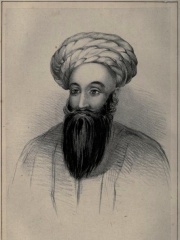
Shah Shujah Durrani
1785 - 1842
HPI: 67.79
Posizione: 4,110
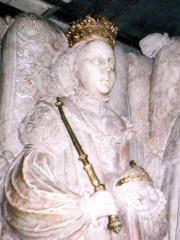
Catherine of Saxe-Lauenburg
1513 - 1535
HPI: 67.79
Posizione: 4,111

Jules de Polignac
1780 - 1847
HPI: 67.79
Posizione: 4,112
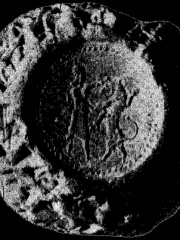
Sin-shumu-lishir
700 BC - 627 BC
HPI: 67.79
Posizione: 4,113
Thamphthis
2600 BC - 2560 BC
HPI: 67.79
Posizione: 4,114
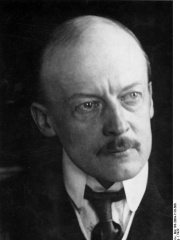
Leopold Berchtold
1863 - 1942
HPI: 67.78
Posizione: 4,115
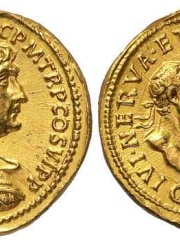
Marcus Ulpius Traianus the Elder
30 - 100
HPI: 67.78
Posizione: 4,116
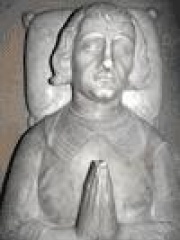
Louis, Count of Évreux
1276 - 1319
HPI: 67.78
Posizione: 4,117

Petar Mladenov
1936 - 2000
HPI: 67.78
Posizione: 4,118

Emperor Ping of Han
9 BC - 6
HPI: 67.78
Posizione: 4,119
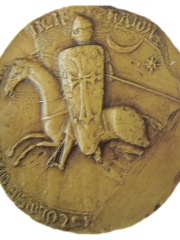
Raymond VI, Count of Toulouse
1156 - 1222
HPI: 67.78
Posizione: 4,120

Contemporanei
Tra le persone nate nel 2600 BC, Thamphthis occupa la posizione 4. Prima di lui ci sono Djedefre, Userkaf, e Shepseskaf. Dopo di lui ci sono Hetepheres II, Khentkaus I, Meresankh III, Djedefhor, Khamerernebty II, Kawab, Nefertiabet, e Ankhhaf. Tra le persone decedute nel 2560 BC, Thamphthis occupa la posizione 1. Dopo di lui c'è Hetepheres II.
Altre persone nate nel 2600 BC
Vai a tutte le classifiche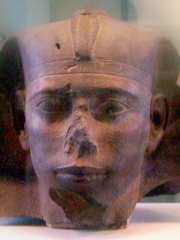
Djedefre
POLITICIAN
2600 BC - 2570 BC
HPI: 73.55
Posizione: 1
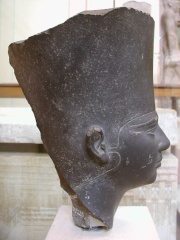
Userkaf
POLITICIAN
2600 BC - 2500 BC
HPI: 71.73
Posizione: 2
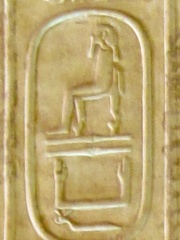
Shepseskaf
POLITICIAN
2600 BC - 2499 BC
HPI: 71.31
Posizione: 3
Thamphthis
POLITICIAN
2600 BC - 2560 BC
HPI: 67.79
Posizione: 4
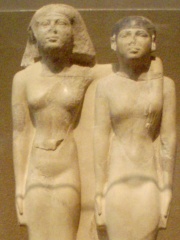
Hetepheres II
POLITICIAN
2600 BC - 2560 BC
HPI: 66.78
Posizione: 5
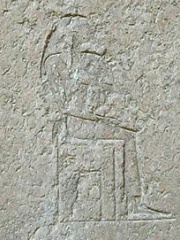
Khentkaus I
COMPANION
2600 BC - 2600 BC
HPI: 64.93
Posizione: 6
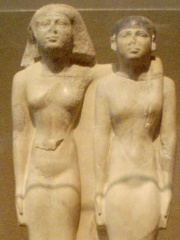
Meresankh III
POLITICIAN
2600 BC - 2600 BC
HPI: 62.08
Posizione: 7

Djedefhor
POLITICIAN
2600 BC - 2600 BC
HPI: 61.88
Posizione: 8
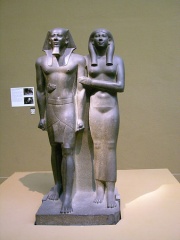
Khamerernebty II
POLITICIAN
2600 BC - 2600 BC
HPI: 60.57
Posizione: 9
Kawab
NOBLEMAN
2600 BC - 2600 BC
HPI: 59.93
Posizione: 10
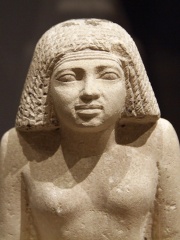
Nefertiabet
NOBLEMAN
2600 BC - presente
HPI: 59.63
Posizione: 11
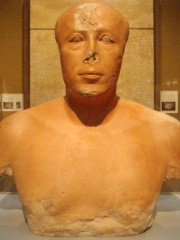
Ankhhaf
POLITICIAN
2600 BC - 2600 BC
HPI: 58.69
Posizione: 12
Altre persone decedute nel 2560 BC
Vai a tutte le classificheThamphthis
POLITICIAN
2600 BC - 2560 BC
HPI: 67.79
Posizione: 1
Hetepheres II
POLITICIAN
2600 BC - 2560 BC
HPI: 66.78
Posizione: 2
In Egitto
Tra le persone nate in Egitto, Thamphthis occupa la posizione 200 su 642. Prima di lui ci sono Hetepheres I (-2700), Neferefre (-2500), Cosmas Indicopleustes (600), Al-Ashraf Khalil (1260), Intef III (-2050), e Tewfik Pasha (1852). Dopo di lui ci sono Merit-Ptah (-2700), Mentuhotep III (-2050), Zahi Hawass (1947), Claude François (1939), Autobiography of Harkhuf (-2300), e Kiya (-1400).
Altre persone nate in Egitto
Vai a tutte le classifiche
Hetepheres I
POLITICIAN
2700 BC - 2700 BC
HPI: 68.08
Posizione: 194
Neferefre
POLITICIAN
2500 BC - 2458 BC
HPI: 68.07
Posizione: 195

Cosmas Indicopleustes
EXPLORER
600 - 550
HPI: 67.91
Posizione: 196
Al-Ashraf Khalil
POLITICIAN
1260 - 1293
HPI: 67.89
Posizione: 197
Intef III
POLITICIAN
2050 BC - 2065 BC
HPI: 67.87
Posizione: 198
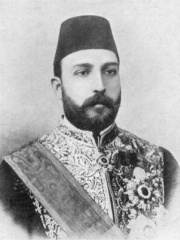
Tewfik Pasha
POLITICIAN
1852 - 1892
HPI: 67.81
Posizione: 199
Thamphthis
POLITICIAN
2600 BC - 2560 BC
HPI: 67.79
Posizione: 200

Merit-Ptah
PHYSICIAN
2700 BC - 2659 BC
HPI: 67.68
Posizione: 201
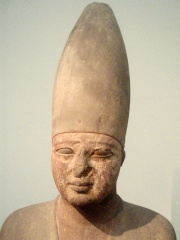
Mentuhotep III
POLITICIAN
2050 BC - 2005 BC
HPI: 67.63
Posizione: 202
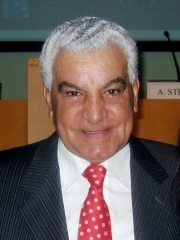
Zahi Hawass
ARCHAEOLOGIST
1947 - presente
HPI: 67.62
Posizione: 203

Claude François
SINGER
1939 - 1978
HPI: 67.62
Posizione: 204
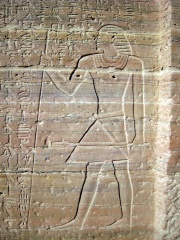
Autobiography of Harkhuf
POLITICIAN
2300 BC - 2259 BC
HPI: 67.47
Posizione: 205
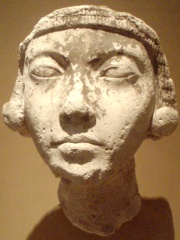
Kiya
POLITICIAN
1400 BC - 1400 BC
HPI: 67.46
Posizione: 206
Tra Politico in Egitto
Tra Politico nati in Egitto, Thamphthis occupa la posizione 95. Prima di lui ci sono Intef II (-2150), Hetepheres I (-2700), Neferefre (-2500), Al-Ashraf Khalil (1260), Intef III (-2050), e Tewfik Pasha (1852). Dopo di lui ci sono Mentuhotep III (-2050), Autobiography of Harkhuf (-2300), Kiya (-1400), Tetisheri (-1600), An-Nasir Muhammad (1285), e As-Salih Ayyub (1205).
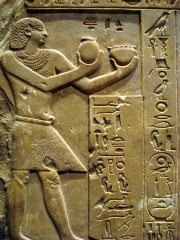
Intef II
2150 BC - 2073 BC
HPI: 68.20
Posizione: 89
Hetepheres I
2700 BC - 2700 BC
HPI: 68.08
Posizione: 90
Neferefre
2500 BC - 2458 BC
HPI: 68.07
Posizione: 91
Al-Ashraf Khalil
1260 - 1293
HPI: 67.89
Posizione: 92
Intef III
2050 BC - 2065 BC
HPI: 67.87
Posizione: 93
Tewfik Pasha
1852 - 1892
HPI: 67.81
Posizione: 94
Thamphthis
2600 BC - 2560 BC
HPI: 67.79
Posizione: 95
Mentuhotep III
2050 BC - 2005 BC
HPI: 67.63
Posizione: 96
Autobiography of Harkhuf
2300 BC - 2259 BC
HPI: 67.47
Posizione: 97
Kiya
1400 BC - 1400 BC
HPI: 67.46
Posizione: 98
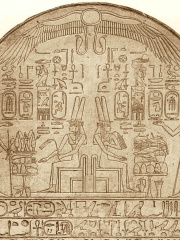
Tetisheri
1600 BC - 1540 BC
HPI: 67.40
Posizione: 99
An-Nasir Muhammad
1285 - 1341
HPI: 67.30
Posizione: 100
As-Salih Ayyub
1205 - 1249
HPI: 67.22
Posizione: 101




