Politico
Autobiography of Harkhuf
2300 BC - 2259 BC
VISUALIZZAZIONI SU IT.WIKIPEDIA (PV)
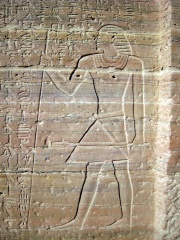
 Autobiography of Harkhuf
La sua biografia è disponibile in 19 lingue su Wikipedia. Autobiography of Harkhuf è il 4303° politico più popolare (in aumento dal 10101° nel 2024), la 205ª biografia più popolare dell'Egitto (in aumento dal 382ª nel 2019) e il 97° politico più popolare dell'Egitto.
Metriche di memorabilità
12k
Visualizzazioni
Ultimi 12 mesi
67.47
HPI
Indice di popolarità storica
Dati in evidenza
+19k
Autobiography of Harkhuf ha guadagnato 18,987 posizioni nella classifica HPI globale di Pantheon, passando dal n. 32,281 al n. 13,306.
Visualizzazioni della pagina di Autobiography of Harkhuf per lingua
Tra Politico
Tra Politico, Autobiography of Harkhuf occupa la posizione 4,301 su 20,022. Prima di lui ci sono Bardas, Redbad, King of the Frisians, Kenneth III of Scotland, Baldwin V, Count of Flanders, Alan García, e Childebert the Adopted. Dopo di lui ci sono Qara Yusuf, Vardan Mamikonian, Rhesus of Thrace, Kiya, Jaap de Hoop Scheffer, e Katō Kiyomasa.
Politico più popolari su Wikipedia
Vai a tutte le classifiche

Bardas
816 - 866
HPI: 67.48
Posizione: 4,297
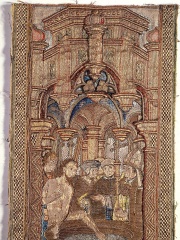
Redbad, King of the Frisians
HPI: 67.48
Posizione: 4,298
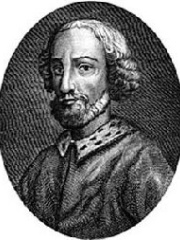
Kenneth III of Scotland
1000 - 1005
HPI: 67.48
Posizione: 4,299

Baldwin V, Count of Flanders
1012 - 1067
HPI: 67.47
Posizione: 4,300
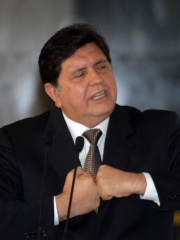
Alan García
1949 - 2019
HPI: 67.47
Posizione: 4,301
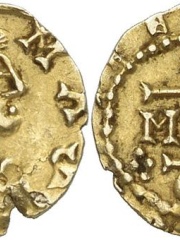
Childebert the Adopted
650 - 662
HPI: 67.47
Posizione: 4,302
Autobiography of Harkhuf
2300 BC - 2259 BC
HPI: 67.47
Posizione: 4,303
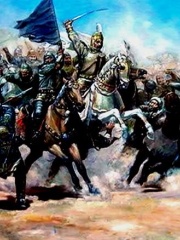
Qara Yusuf
1357 - 1420
HPI: 67.46
Posizione: 4,304
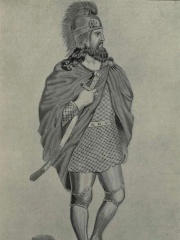
Vardan Mamikonian
388 - 451
HPI: 67.46
Posizione: 4,305
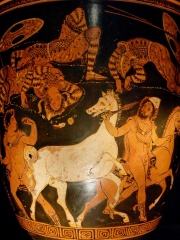
Rhesus of Thrace
HPI: 67.46
Posizione: 4,306
Kiya
1400 BC - 1400 BC
HPI: 67.46
Posizione: 4,307

Jaap de Hoop Scheffer
1948 - presente
HPI: 67.46
Posizione: 4,308

Katō Kiyomasa
1561 - 1611
HPI: 67.45
Posizione: 4,309

Contemporanei
Tra le persone nate nel 2300 BC, Autobiography of Harkhuf occupa la posizione 4. Prima di lui ci sono Sargon of Akkad, Enheduanna, e Merenre Nemtyemsaf II. Dopo di lui ci sono Neferkare Neby, Dudu of Akkad, Puzur-Inshushinak, Erridupizir, Pamba, Ankhesenpepi IV, e Iput II. Tra le persone decedute nel 2259 BC, Autobiography of Harkhuf occupa la posizione 1.
Altre persone nate nel 2300 BC
Vai a tutte le classifiche
Sargon of Akkad
POLITICIAN
2300 BC - 2215 BC
HPI: 78.68
Posizione: 1
Enheduanna
WRITER
2300 BC - 2300 BC
HPI: 74.16
Posizione: 2
Merenre Nemtyemsaf II
POLITICIAN
2300 BC - 2200 BC
HPI: 67.77
Posizione: 3
Autobiography of Harkhuf
POLITICIAN
2300 BC - 2259 BC
HPI: 67.47
Posizione: 4
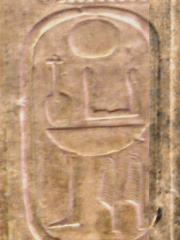
Neferkare Neby
PHYSICIAN
2300 BC - 2260 BC
HPI: 63.73
Posizione: 5
Dudu of Akkad
POLITICIAN
2300 BC - 2200 BC
HPI: 63.29
Posizione: 6
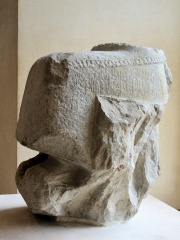
Puzur-Inshushinak
POLITICIAN
2300 BC - presente
HPI: 59.36
Posizione: 7

Erridupizir
POLITICIAN
2300 BC - 2300 BC
HPI: 58.94
Posizione: 8

Pamba
POLITICIAN
2300 BC - 2300 BC
HPI: 58.03
Posizione: 9

Ankhesenpepi IV
COMPANION
2300 BC - presente
HPI: 56.55
Posizione: 10
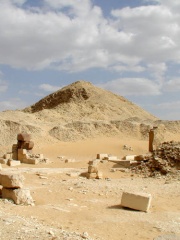
Iput II
POLITICIAN
2300 BC - 2200 BC
HPI: 56.49
Posizione: 11
Altre persone decedute nel 2259 BC
Vai a tutte le classificheIn Egitto
Tra le persone nate in Egitto, Autobiography of Harkhuf occupa la posizione 205 su 773. Prima di lui ci sono Tewfik Pasha (1852), Thamphthis (-2600), Merit-Ptah (-2700), Mentuhotep III (-2050), Zahi Hawass (1947), e Claude François (1939). Dopo di lui ci sono Kiya (-1400), Tetisheri (-1600), Meketaten (-1348), Hemiunu (-2500), An-Nasir Muhammad (1285), e Dhul-Nun al-Misri (796).
Altre persone nate in Egitto
Vai a tutte le classifiche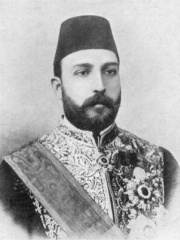
Tewfik Pasha
POLITICIAN
1852 - 1892
HPI: 67.81
Posizione: 199

Thamphthis
POLITICIAN
2600 BC - 2560 BC
HPI: 67.79
Posizione: 200

Merit-Ptah
PHYSICIAN
2700 BC - 2659 BC
HPI: 67.68
Posizione: 201
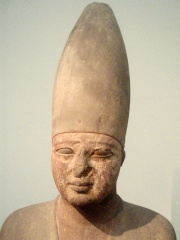
Mentuhotep III
POLITICIAN
2050 BC - 2005 BC
HPI: 67.63
Posizione: 202
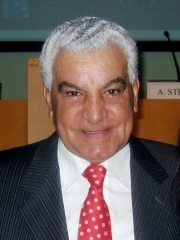
Zahi Hawass
ARCHAEOLOGIST
1947 - presente
HPI: 67.62
Posizione: 203

Claude François
SINGER
1939 - 1978
HPI: 67.62
Posizione: 204
Autobiography of Harkhuf
POLITICIAN
2300 BC - 2259 BC
HPI: 67.47
Posizione: 205
Kiya
POLITICIAN
1400 BC - 1400 BC
HPI: 67.46
Posizione: 206
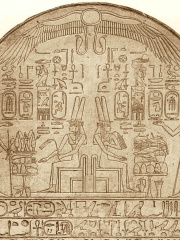
Tetisheri
POLITICIAN
1600 BC - 1540 BC
HPI: 67.40
Posizione: 207
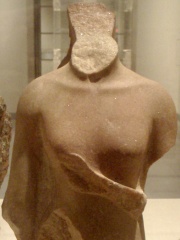
Meketaten
COMPANION
1348 BC - 1338 BC
HPI: 67.38
Posizione: 208
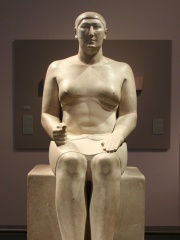
Hemiunu
ARCHITECT
2500 BC - 2501 BC
HPI: 67.31
Posizione: 209
An-Nasir Muhammad
POLITICIAN
1285 - 1341
HPI: 67.30
Posizione: 210

Dhul-Nun al-Misri
PHILOSOPHER
796 - 859
HPI: 67.23
Posizione: 211
Tra Politico in Egitto
Tra Politico nati in Egitto, Autobiography of Harkhuf occupa la posizione 97. Prima di lui ci sono Neferefre (-2500), Al-Ashraf Khalil (1260), Intef III (-2050), Tewfik Pasha (1852), Thamphthis (-2600), e Mentuhotep III (-2050). Dopo di lui ci sono Kiya (-1400), Tetisheri (-1600), An-Nasir Muhammad (1285), As-Salih Ayyub (1205), Mohammed Badie (1943), e Neferure (-1500).
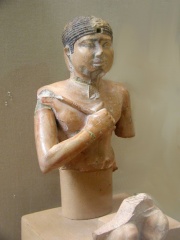
Neferefre
2500 BC - 2458 BC
HPI: 68.07
Posizione: 91
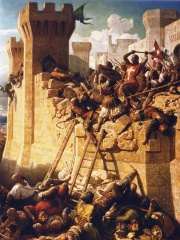
Al-Ashraf Khalil
1260 - 1293
HPI: 67.89
Posizione: 92
Intef III
2050 BC - 2065 BC
HPI: 67.87
Posizione: 93
Tewfik Pasha
1852 - 1892
HPI: 67.81
Posizione: 94
Thamphthis
2600 BC - 2560 BC
HPI: 67.79
Posizione: 95
Mentuhotep III
2050 BC - 2005 BC
HPI: 67.63
Posizione: 96
Autobiography of Harkhuf
2300 BC - 2259 BC
HPI: 67.47
Posizione: 97
Kiya
1400 BC - 1400 BC
HPI: 67.46
Posizione: 98
Tetisheri
1600 BC - 1540 BC
HPI: 67.40
Posizione: 99
An-Nasir Muhammad
1285 - 1341
HPI: 67.30
Posizione: 100
As-Salih Ayyub
1205 - 1249
HPI: 67.22
Posizione: 101
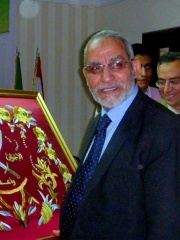
Mohammed Badie
1943 - presente
HPI: 67.21
Posizione: 102
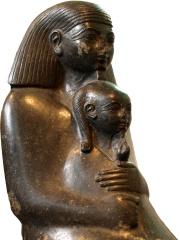
Neferure
1500 BC - 1500 BC
HPI: 66.95
Posizione: 103




