Philosophe
Yi Hwang
1501 - 1570
FR.WIKIPEDIA PAGE VIEWS (PV)
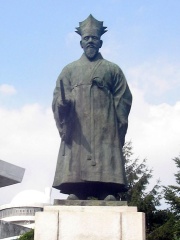
 Yi Hwang
Sa biographie est disponible en 26 langues sur Wikipédia (en hausse par rapport à 25 en 2024). Yi Hwang est le 420th philosophe le plus populaire (en hausse du 484th en 2024), la 68th biographie la plus populaire du Corée du Sud (en hausse du 72nd en 2019), ainsi que le philosophe du Corée du Sud le plus populaire.
Memorability Metrics
53k
Page Views
Past 12 months
67.75
HPI
Historical Popularity Index
Page views of Yi Hwang by language
Among Philosophes
Among philosophes, Yi Hwang ranks 420 out of 1,267. Before him are Bharadwaja, Francis Hutcheson, Alain de Benoist, Adolf von Harnack, Masanobu Fukuoka, and John Toland. After him are Étienne Gilson, Gargi Vachaknavi, Dong Zhongshu, Timon of Phlius, Michael J. Sandel, and Pavel Florensky.
Most Popular Philosophes in Wikipedia
Go to all Rankings
Bharadwaja
2000 BC - 2000 BC
HPI: 67.98
Rank: 414
Francis Hutcheson
1694 - 1746
HPI: 67.91
Rank: 415
Alain de Benoist
1943 - Present
HPI: 67.91
Rank: 416
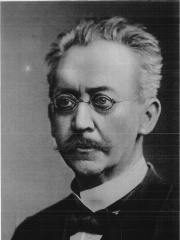
Adolf von Harnack
1851 - 1930
HPI: 67.84
Rank: 417
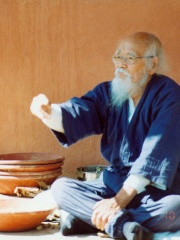
Masanobu Fukuoka
1913 - 2008
HPI: 67.78
Rank: 418
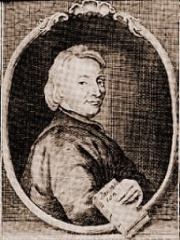
John Toland
1670 - 1722
HPI: 67.77
Rank: 419
Yi Hwang
1501 - 1570
HPI: 67.75
Rank: 420
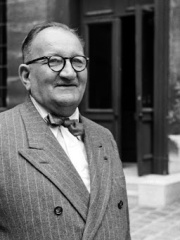
Étienne Gilson
1884 - 1978
HPI: 67.75
Rank: 421

Gargi Vachaknavi
700 BC - Present
HPI: 67.74
Rank: 422
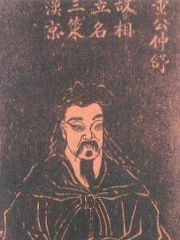
Dong Zhongshu
179 BC - 104 BC
HPI: 67.73
Rank: 423
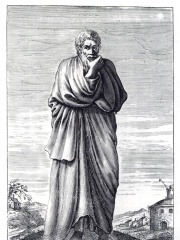
Timon of Phlius
320 BC - 230 BC
HPI: 67.63
Rank: 424
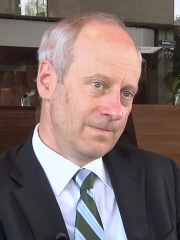
Michael J. Sandel
1953 - Present
HPI: 67.59
Rank: 425
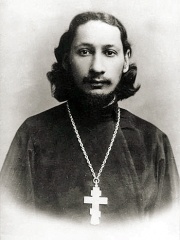
Pavel Florensky
1882 - 1937
HPI: 67.58
Rank: 426

Contemporaries
Among people born in 1501, Yi Hwang ranks 5. Before him are Anne Boleyn, Pope Marcellus II, Gerolamo Cardano, and Isabella of Austria. After him are Queen Munjeong, Sahib I Giray, Garcilaso de la Vega, Pietro Andrea Mattioli, Leonhart Fuchs, Bairam Khan, and Ivan Susanin. Among people deceased in 1570, Yi Hwang ranks 4. Before him are Jacopo Sansovino, Francesco Primaticcio, and Francesco Melzi. After him are Philibert de l'Orme, Paris Bordone, João de Barros, Frans Floris, James Stewart, 1st Earl of Moray, Moses ben Jacob Cordovero, Daniele Barbaro, and Eleonora Gonzaga, Duchess of Urbino.
Others Born in 1501
Go to all Rankings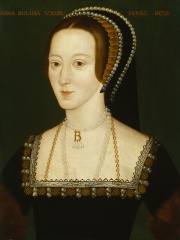
Anne Boleyn
COMPANION
1501 - 1536
HPI: 86.36
Rank: 1
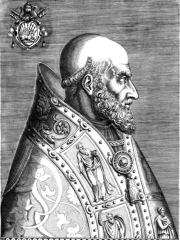
Pope Marcellus II
RELIGIOUS FIGURE
1501 - 1555
HPI: 81.90
Rank: 2
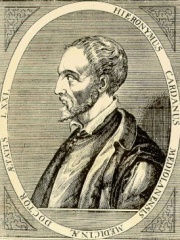
Gerolamo Cardano
MATHEMATICIAN
1501 - 1576
HPI: 79.79
Rank: 3
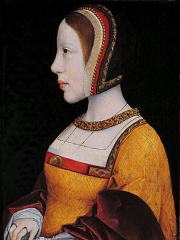
Isabella of Austria
COMPANION
1501 - 1526
HPI: 73.18
Rank: 4
Yi Hwang
PHILOSOPHER
1501 - 1570
HPI: 67.75
Rank: 5

Queen Munjeong
POLITICIAN
1501 - 1565
HPI: 67.75
Rank: 6

Sahib I Giray
POLITICIAN
1501 - 1551
HPI: 66.19
Rank: 7
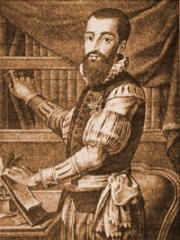
Garcilaso de la Vega
WRITER
1501 - 1536
HPI: 65.96
Rank: 8
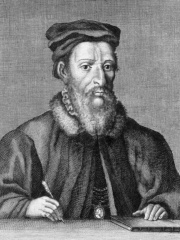
Pietro Andrea Mattioli
PHYSICIAN
1501 - 1578
HPI: 65.39
Rank: 9
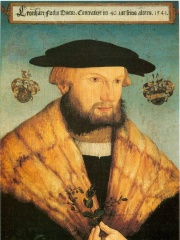
Leonhart Fuchs
PHYSICIAN
1501 - 1566
HPI: 64.74
Rank: 10
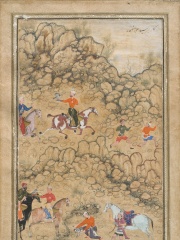
Bairam Khan
POLITICIAN
1501 - 1561
HPI: 64.44
Rank: 11
Ivan Susanin
POLITICIAN
1501 - 1613
HPI: 62.53
Rank: 12
Others Deceased in 1570
Go to all Rankings
Jacopo Sansovino
SCULPTOR
1486 - 1570
HPI: 71.91
Rank: 1
Francesco Primaticcio
PAINTER
1504 - 1570
HPI: 70.02
Rank: 2
Francesco Melzi
PAINTER
1491 - 1570
HPI: 68.41
Rank: 3
Yi Hwang
PHILOSOPHER
1501 - 1570
HPI: 67.75
Rank: 4
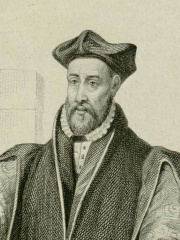
Philibert de l'Orme
ARCHITECT
1514 - 1570
HPI: 65.52
Rank: 5
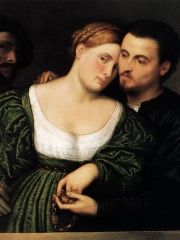
Paris Bordone
PAINTER
1500 - 1570
HPI: 65.00
Rank: 6
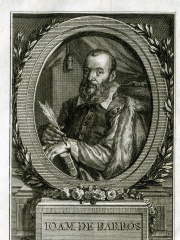
João de Barros
WRITER
1496 - 1570
HPI: 63.59
Rank: 7
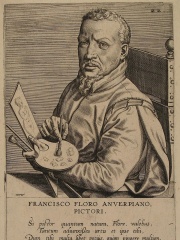
Frans Floris
PAINTER
1519 - 1570
HPI: 63.26
Rank: 8
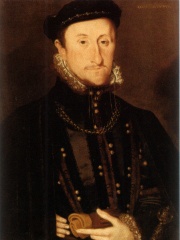
James Stewart, 1st Earl of Moray
POLITICIAN
1531 - 1570
HPI: 63.03
Rank: 9
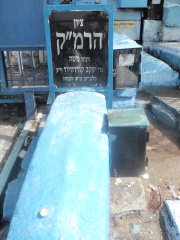
Moses ben Jacob Cordovero
RELIGIOUS FIGURE
1522 - 1570
HPI: 62.55
Rank: 10
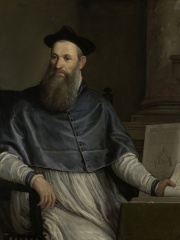
Daniele Barbaro
MATHEMATICIAN
1513 - 1570
HPI: 61.97
Rank: 11
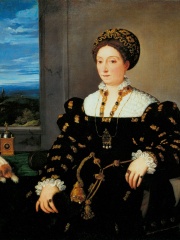
Eleonora Gonzaga, Duchess of Urbino
POLITICIAN
1493 - 1570
HPI: 61.46
Rank: 12
In Corée du Sud
Among people born in Corée du Sud, Yi Hwang ranks 68 out of NaN. Before him are Kim Ki-duk (1960), Charles J. Pedersen (1904), Munmu of Silla (626), Lee Byung-hun (1970), Nam June Paik (1932), and Lee Jae-myung (1964). After him are Queen Munjeong (1501), Son Heung-min (1992), Queen Cheorin (1837), Toyo Ito (1941), Park Ji-sung (1981), and Soh Jaipil (1864).
Others born in Corée du Sud
Go to all Rankings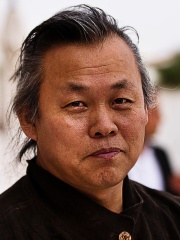
Kim Ki-duk
FILM DIRECTOR
1960 - 2020
HPI: 68.21
Rank: 62
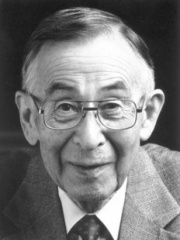
Charles J. Pedersen
CHEMIST
1904 - 1989
HPI: 68.20
Rank: 63
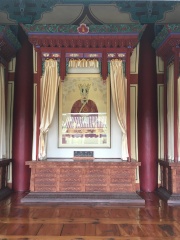
Munmu of Silla
POLITICIAN
626 - 681
HPI: 68.18
Rank: 64
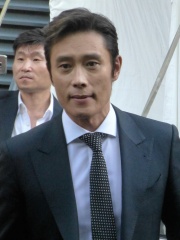
Lee Byung-hun
ACTOR
1970 - Present
HPI: 68.15
Rank: 65
Nam June Paik
MUSICIAN
1932 - 2006
HPI: 68.02
Rank: 66
Lee Jae-myung
POLITICIAN
1964 - Present
HPI: 67.77
Rank: 67
Yi Hwang
PHILOSOPHER
1501 - 1570
HPI: 67.75
Rank: 68
Queen Munjeong
POLITICIAN
1501 - 1565
HPI: 67.75
Rank: 69
Son Heung-min
SOCCER PLAYER
1992 - Present
HPI: 67.72
Rank: 70

Queen Cheorin
COMPANION
1837 - 1878
HPI: 67.41
Rank: 71
Toyo Ito
ARCHITECT
1941 - Present
HPI: 67.34
Rank: 72
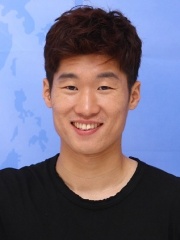
Park Ji-sung
SOCCER PLAYER
1981 - Present
HPI: 67.32
Rank: 73
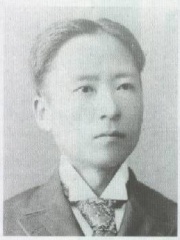
Soh Jaipil
SOCIAL ACTIVIST
1864 - 1951
HPI: 67.17
Rank: 74
Among Philosophes In Corée du Sud
Among philosophes born in Corée du Sud, Yi Hwang ranks 1. After him are Yi I (1536), Byung-Chul Han (1959), Yun Hyu (1617), Chŏng Yagyong (1762), and Jaegwon Kim (1934).
Yi Hwang
1501 - 1570
HPI: 67.75
Rank: 1
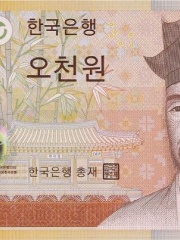
Yi I
1536 - 1584
HPI: 66.67
Rank: 2
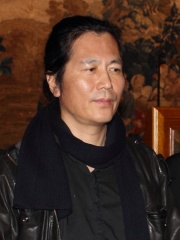
Byung-Chul Han
1959 - Present
HPI: 64.75
Rank: 3
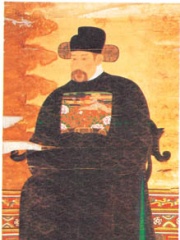
Yun Hyu
1617 - 1680
HPI: 61.95
Rank: 4
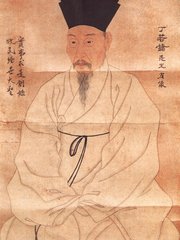
Chŏng Yagyong
1762 - 1836
HPI: 58.38
Rank: 5

Jaegwon Kim
1934 - 2019
HPI: 56.32
Rank: 6




