Политик
Queen Munjeong
1501 - 1565
ПРОСМОТРЫ RU.WIKIPEDIA (PV)

 Queen Munjeong
Её биография доступна на 20 различных языках в Википедии (рост с 19 в 2024 году). Queen Munjeong занимает 4137-е место среди самых популярных политик (рост с 4258-е места в 2024 году), занимает 69-е место среди самых популярных биографий из Республика Кореи (снижение с 68-е места в 2019 году) и занимает 52-е место среди политик Республика Корея.
Метрики памятности
83k
Просмотры страниц
За последние 12 месяцев
67.75
HPI
Индекс исторической популярности
Интересные факты
#69 / 1,519
Queen Munjeong занимает 69-е место среди 1,519 личностей Pantheon, родившихся в стране Республика Корея, входя в лучшие 5 % этой группы.
Просмотры страницы Queen Munjeong по языкам
Среди представителей профессии «Политик»
Среди представителей профессии «Политик» Queen Munjeong занимает 4,135-е место из 20,022. Перед ней идут Rafael del Riego, Roza Otunbayeva, Antonius Felix, Hisham I of Córdoba, Emperor Yōmei, и Yelü Dashi. После неё идут Ahmadou Ahidjo, Gitanas Nausėda, Sancho III of Castile, Robert Peel, Frederick I, Elector of Saxony, и Emperor Yuan of Han.
Самые популярные в Википедии: Политик
Все рейтинги
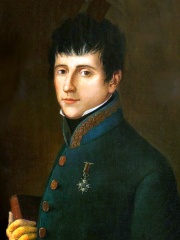
Rafael del Riego
1784 - 1823
HPI: 67.76
Место: 4,131
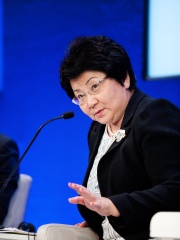
Roza Otunbayeva
1950 - наст. время
HPI: 67.75
Место: 4,132
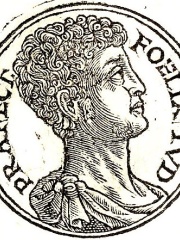
Antonius Felix
10 - 100
HPI: 67.75
Место: 4,133
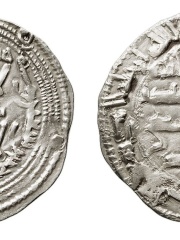
Hisham I of Córdoba
757 - 796
HPI: 67.75
Место: 4,134

Emperor Yōmei
540 - 587
HPI: 67.75
Место: 4,135

Yelü Dashi
1087 - 1143
HPI: 67.75
Место: 4,136
Queen Munjeong
1501 - 1565
HPI: 67.75
Место: 4,137
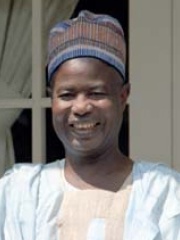
Ahmadou Ahidjo
1924 - 1989
HPI: 67.75
Место: 4,138
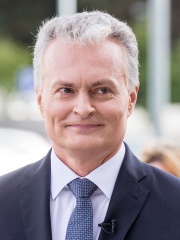
Gitanas Nausėda
1964 - наст. время
HPI: 67.75
Место: 4,139
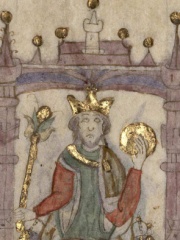
Sancho III of Castile
1134 - 1158
HPI: 67.75
Место: 4,140
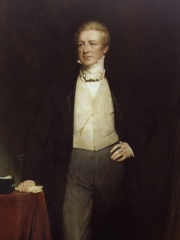
Robert Peel
1788 - 1850
HPI: 67.74
Место: 4,141
Frederick I, Elector of Saxony
1370 - 1428
HPI: 67.74
Место: 4,142
Emperor Yuan of Han
75 до н. э. - 33 до н. э.
HPI: 67.74
Место: 4,143

Современники
Среди людей, родившихся в 1501 году, Queen Munjeong занимает 6-е место. Перед ней идут Anne Boleyn, Pope Marcellus II, Gerolamo Cardano, Isabella of Austria, и Yi Hwang. После неё идут Sahib I Giray, Garcilaso de la Vega, Pietro Andrea Mattioli, Leonhart Fuchs, Bairam Khan, и Ivan Susanin. Среди людей, умерших в 1565 году, Queen Munjeong занимает 5-е место. Перед ней идут Pope Pius IV, Conrad Gessner, Dragut, и Lodovico Ferrari. После неё идут Cipriano de Rore, William Farel, Ashikaga Yoshiteru, Ranuccio Farnese, Mikołaj "the Black" Radziwiłł, Semiz Ali Pasha, и Lucia Anguissola.
Другие люди, родившиеся в 1501 году
Все рейтинги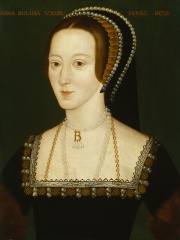
Anne Boleyn
COMPANION
1501 - 1536
HPI: 86.36
Место: 1
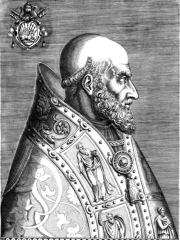
Pope Marcellus II
RELIGIOUS FIGURE
1501 - 1555
HPI: 81.90
Место: 2
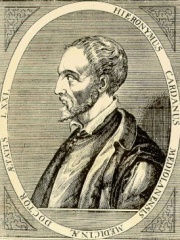
Gerolamo Cardano
MATHEMATICIAN
1501 - 1576
HPI: 79.79
Место: 3
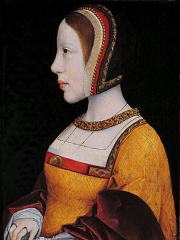
Isabella of Austria
COMPANION
1501 - 1526
HPI: 73.18
Место: 4
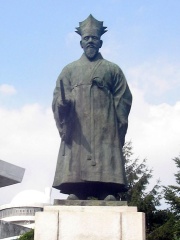
Yi Hwang
PHILOSOPHER
1501 - 1570
HPI: 67.75
Место: 5
Queen Munjeong
POLITICIAN
1501 - 1565
HPI: 67.75
Место: 6

Sahib I Giray
POLITICIAN
1501 - 1551
HPI: 66.19
Место: 7
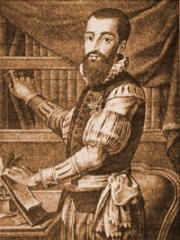
Garcilaso de la Vega
WRITER
1501 - 1536
HPI: 65.96
Место: 8
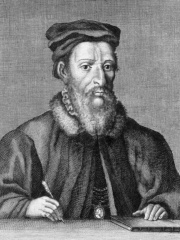
Pietro Andrea Mattioli
PHYSICIAN
1501 - 1578
HPI: 65.39
Место: 9
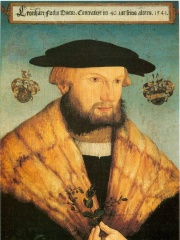
Leonhart Fuchs
PHYSICIAN
1501 - 1566
HPI: 64.74
Место: 10
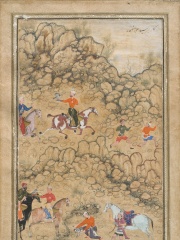
Bairam Khan
POLITICIAN
1501 - 1561
HPI: 64.44
Место: 11
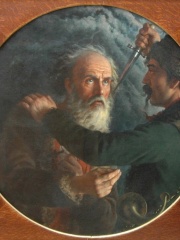
Ivan Susanin
POLITICIAN
1501 - 1613
HPI: 62.53
Место: 12
Другие люди, умершие в 1565 году
Все рейтинги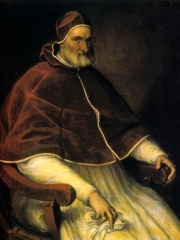
Pope Pius IV
RELIGIOUS FIGURE
1499 - 1565
HPI: 82.49
Место: 1
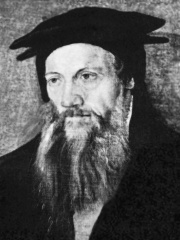
Conrad Gessner
BIOLOGIST
1516 - 1565
HPI: 75.08
Место: 2
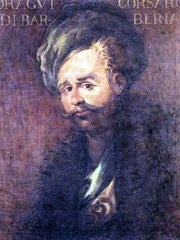
Dragut
MILITARY PERSONNEL
1485 - 1565
HPI: 73.33
Место: 3
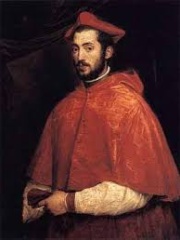
Lodovico Ferrari
MATHEMATICIAN
1522 - 1565
HPI: 70.38
Место: 4
Queen Munjeong
POLITICIAN
1501 - 1565
HPI: 67.75
Место: 5
Cipriano de Rore
COMPOSER
1515 - 1565
HPI: 67.18
Место: 6
William Farel
RELIGIOUS FIGURE
1489 - 1565
HPI: 65.10
Место: 7
Ashikaga Yoshiteru
POLITICIAN
1536 - 1565
HPI: 64.34
Место: 8
Ranuccio Farnese
RELIGIOUS FIGURE
1530 - 1565
HPI: 63.28
Место: 9
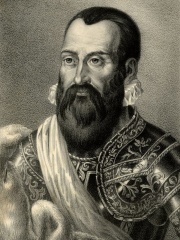
Mikołaj "the Black" Radziwiłł
POLITICIAN
1515 - 1565
HPI: 63.20
Место: 10

Semiz Ali Pasha
POLITICIAN
HPI: 62.45
Место: 11
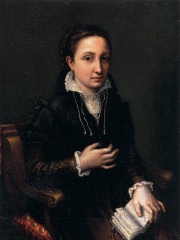
Lucia Anguissola
PAINTER
1536 - 1565
HPI: 62.37
Место: 12
В стране Республика Корея
Среди людей, родившихся в стране Республика Корея, Queen Munjeong занимает 69-е место из 1,519. Перед ней идут Charles J. Pedersen (1904), Munmu of Silla (626), Lee Byung-hun (1970), Nam June Paik (1932), Lee Jae-myung (1964), и Yi Hwang (1501). После неё идут Son Heung-min (1992), Queen Cheorin (1837), Toyo Ito (1941), Park Ji-sung (1981), Soh Jaipil (1864), и Jeong Dojeon (1342).
Другие люди, родившиеся в стране Республика Корея
Все рейтинги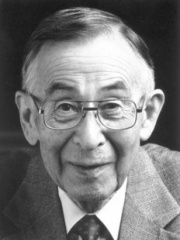
Charles J. Pedersen
CHEMIST
1904 - 1989
HPI: 68.20
Место: 63
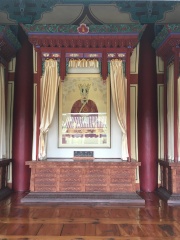
Munmu of Silla
POLITICIAN
626 - 681
HPI: 68.18
Место: 64
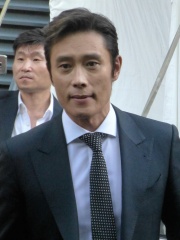
Lee Byung-hun
ACTOR
1970 - наст. время
HPI: 68.15
Место: 65
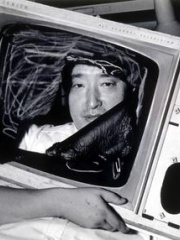
Nam June Paik
MUSICIAN
1932 - 2006
HPI: 68.02
Место: 66
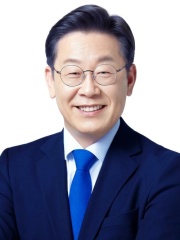
Lee Jae-myung
POLITICIAN
1964 - наст. время
HPI: 67.77
Место: 67
Yi Hwang
PHILOSOPHER
1501 - 1570
HPI: 67.75
Место: 68
Queen Munjeong
POLITICIAN
1501 - 1565
HPI: 67.75
Место: 69
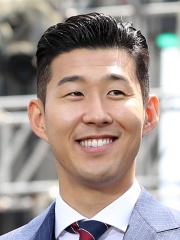
Son Heung-min
SOCCER PLAYER
1992 - наст. время
HPI: 67.72
Место: 70

Queen Cheorin
COMPANION
1837 - 1878
HPI: 67.41
Место: 71
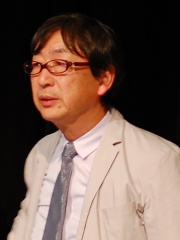
Toyo Ito
ARCHITECT
1941 - наст. время
HPI: 67.34
Место: 72
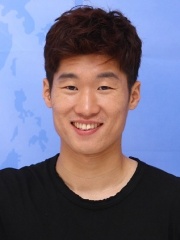
Park Ji-sung
SOCCER PLAYER
1981 - наст. время
HPI: 67.32
Место: 73
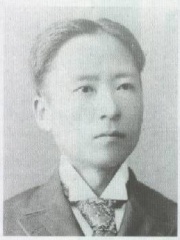
Soh Jaipil
SOCIAL ACTIVIST
1864 - 1951
HPI: 67.17
Место: 74
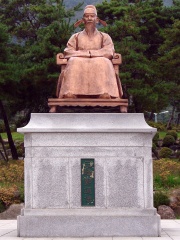
Jeong Dojeon
POLITICIAN
1342 - 1398
HPI: 67.15
Место: 75
Среди представителей профессии «Политик» в стране Республика Корея
Среди представителей профессии «Политик», родившихся в стране Республика Корея, Queen Munjeong занимает 52-е место. Перед ней идут Kim Jae-gyu (1926), Kim Tu-bong (1889), Gim Yu-sin (595), Heungseon Daewongun (1820), Munmu of Silla (626), и Lee Jae-myung (1964). После неё идут Jeong Dojeon (1342), Kim Kyu-sik (1881), Heo Jeong (1896), Kim Jong-pil (1926), Goh Kun (1938), и Chungnyeol of Goryeo (1236).
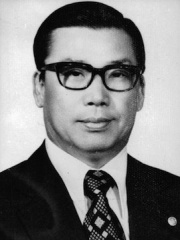
Kim Jae-gyu
1926 - 1980
HPI: 68.63
Место: 46
Kim Tu-bong
1889 - 1958
HPI: 68.55
Место: 47
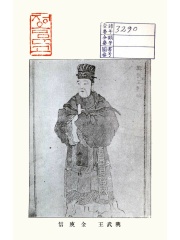
Gim Yu-sin
595 - 673
HPI: 68.28
Место: 48
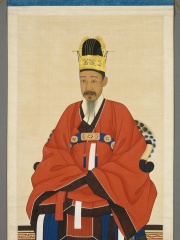
Heungseon Daewongun
1820 - 1898
HPI: 68.22
Место: 49
Munmu of Silla
626 - 681
HPI: 68.18
Место: 50
Lee Jae-myung
1964 - наст. время
HPI: 67.77
Место: 51
Queen Munjeong
1501 - 1565
HPI: 67.75
Место: 52
Jeong Dojeon
1342 - 1398
HPI: 67.15
Место: 53
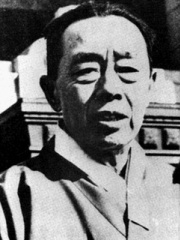
Kim Kyu-sik
1881 - 1950
HPI: 66.53
Место: 54
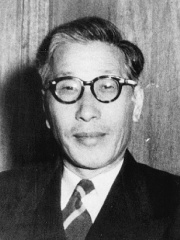
Heo Jeong
1896 - 1988
HPI: 66.37
Место: 55
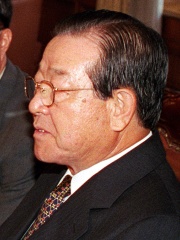
Kim Jong-pil
1926 - 2018
HPI: 65.89
Место: 56
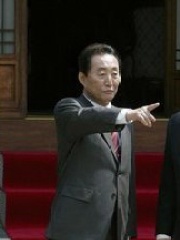
Goh Kun
1938 - наст. время
HPI: 65.56
Место: 57

Chungnyeol of Goryeo
1236 - 1308
HPI: 65.46
Место: 58




