سياسي
Lee Jae-myung
1964 - حتى اليوم
AR.WIKIPEDIA PAGE VIEWS (PV)
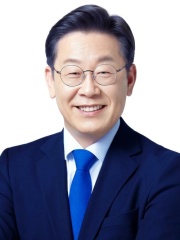

 Lee Jae-myung
سيرته الذاتية متاحة بـ48 لغة مختلفة على ويكيبيديا (زيادة من 22 في 2024). يحتل Lee Jae-myung المرتبة 4,124 بين أكثر سياسي شعبيةً (تقدمًا من 10,659 في 2024)، والمرتبة 67 بين أكثر السير الذاتية شعبيةً في كوريا الجنوبية (تقدمًا من 147 في 2019)، كما يحتل المرتبة 51 بين أكثر سياسي من كوريا الجنوبية شعبيةً.
Memorability Metrics
2.8M
Page Views
Past 12 months
67.77
HPI
Historical Popularity Index
Page views of Lee Jae-myung by language
Among سياسي
Among سياسي, Lee Jae-myung ranks 4,122 out of 19,576. Before him are Petar Mladenov, Emperor Ping of Han, Raymond VI, Count of Toulouse, Archidamus II, Stefan the First-Crowned, and Merenre Nemtyemsaf II. After him are Yolande of Aragon, Boleslaus II, Duke of Bohemia, Mohammad Khodabanda, Menahem, 12th Dalai Lama, and Pepin II of Aquitaine.
Most Popular سياسي in Wikipedia
Go to all Rankings
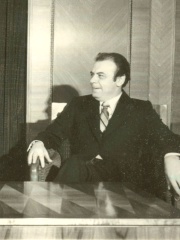
Petar Mladenov
1936 - 2000
HPI: 67.78
Rank: 4,118

Emperor Ping of Han
9 BC - 6
HPI: 67.78
Rank: 4,119
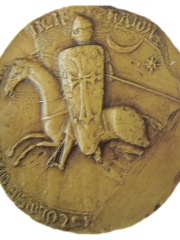
Raymond VI, Count of Toulouse
1156 - 1222
HPI: 67.78
Rank: 4,120
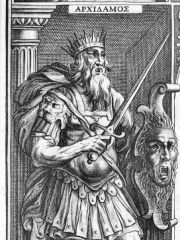
Archidamus II
450 BC - 420 BC
HPI: 67.78
Rank: 4,121
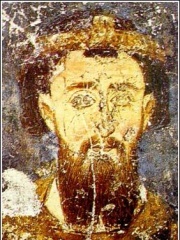
Stefan the First-Crowned
1166 - 1228
HPI: 67.77
Rank: 4,122
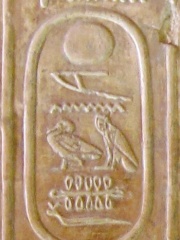
Merenre Nemtyemsaf II
2300 BC - 2200 BC
HPI: 67.77
Rank: 4,123
Lee Jae-myung
1964 - Present
HPI: 67.77
Rank: 4,124
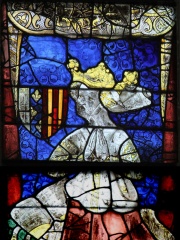
Yolande of Aragon
1384 - 1442
HPI: 67.77
Rank: 4,125
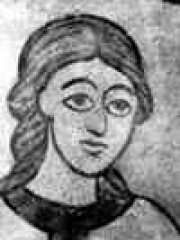
Boleslaus II, Duke of Bohemia
932 - 999
HPI: 67.77
Rank: 4,126
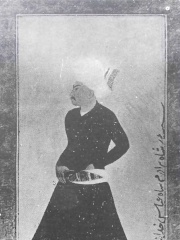
Mohammad Khodabanda
1531 - 1595
HPI: 67.77
Rank: 4,127
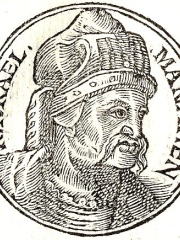
Menahem
800 BC - 760 BC
HPI: 67.76
Rank: 4,128
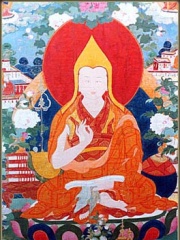
12th Dalai Lama
1857 - 1875
HPI: 67.76
Rank: 4,129
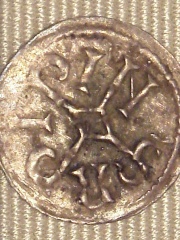
Pepin II of Aquitaine
823 - 864
HPI: 67.76
Rank: 4,130

Contemporaries
Among people born in 1964, Lee Jae-myung ranks 39. Before him are Ernesto Valverde, Eric Peterson, Oleksandr Turchynov, Tom Morello, Salvatore Schillaci, and Courteney Cox. After him are Gitanas Nausėda, Carlos Ruiz Zafón, Guillermo del Toro, Chris Cornell, Famke Janssen, and Gianluca Vialli.
Others Born in 1964
Go to all Rankings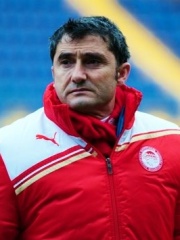
Ernesto Valverde
SOCCER PLAYER
1964 - Present
HPI: 68.61
Rank: 33
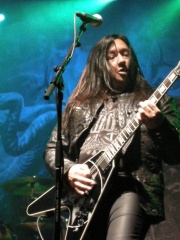
Eric Peterson
MUSICIAN
1964 - Present
HPI: 68.38
Rank: 34
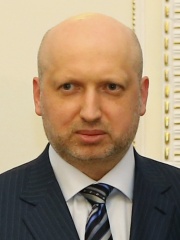
Oleksandr Turchynov
POLITICIAN
1964 - Present
HPI: 68.18
Rank: 35
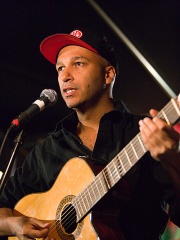
Tom Morello
SINGER
1964 - Present
HPI: 68.03
Rank: 36
Salvatore Schillaci
SOCCER PLAYER
1964 - 2024
HPI: 68.02
Rank: 37
Courteney Cox
ACTOR
1964 - Present
HPI: 67.91
Rank: 38
Lee Jae-myung
POLITICIAN
1964 - Present
HPI: 67.77
Rank: 39
Gitanas Nausėda
POLITICIAN
1964 - Present
HPI: 67.75
Rank: 40
Carlos Ruiz Zafón
WRITER
1964 - 2020
HPI: 67.57
Rank: 41
Guillermo del Toro
FILM DIRECTOR
1964 - Present
HPI: 67.48
Rank: 42
Chris Cornell
SINGER
1964 - 2017
HPI: 67.26
Rank: 43
Famke Janssen
ACTOR
1964 - Present
HPI: 67.19
Rank: 44
Gianluca Vialli
SOCCER PLAYER
1964 - 2023
HPI: 67.11
Rank: 45
In كوريا الجنوبية
Among people born in كوريا الجنوبية, Lee Jae-myung ranks 67 out of NaN. Before him are Heungseon Daewongun (1820), Kim Ki-duk (1960), Charles J. Pedersen (1904), Munmu of Silla (626), Lee Byung-hun (1970), and Nam June Paik (1932). After him are Yi Hwang (1501), Queen Munjeong (1501), Son Heung-min (1992), Queen Cheorin (1837), Toyo Ito (1941), and Park Ji-sung (1981).
Others born in كوريا الجنوبية
Go to all Rankings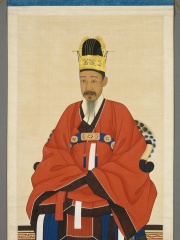
Heungseon Daewongun
POLITICIAN
1820 - 1898
HPI: 68.22
Rank: 61
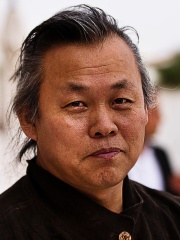
Kim Ki-duk
FILM DIRECTOR
1960 - 2020
HPI: 68.21
Rank: 62
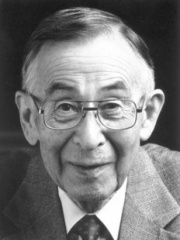
Charles J. Pedersen
CHEMIST
1904 - 1989
HPI: 68.20
Rank: 63
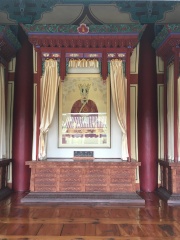
Munmu of Silla
POLITICIAN
626 - 681
HPI: 68.18
Rank: 64
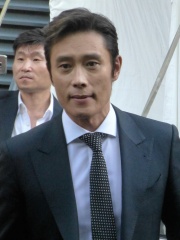
Lee Byung-hun
ACTOR
1970 - Present
HPI: 68.15
Rank: 65
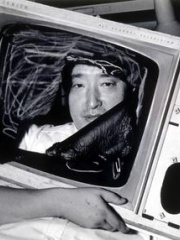
Nam June Paik
MUSICIAN
1932 - 2006
HPI: 68.02
Rank: 66
Lee Jae-myung
POLITICIAN
1964 - Present
HPI: 67.77
Rank: 67
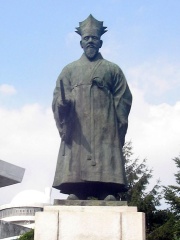
Yi Hwang
PHILOSOPHER
1501 - 1570
HPI: 67.75
Rank: 68

Queen Munjeong
POLITICIAN
1501 - 1565
HPI: 67.75
Rank: 69
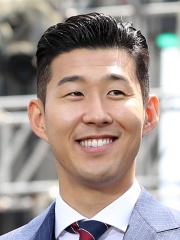
Son Heung-min
SOCCER PLAYER
1992 - Present
HPI: 67.72
Rank: 70

Queen Cheorin
COMPANION
1837 - 1878
HPI: 67.41
Rank: 71
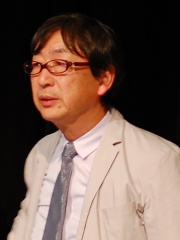
Toyo Ito
ARCHITECT
1941 - Present
HPI: 67.34
Rank: 72
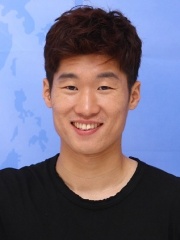
Park Ji-sung
SOCCER PLAYER
1981 - Present
HPI: 67.32
Rank: 73
Among سياسي In كوريا الجنوبية
Among سياسي born in كوريا الجنوبية, Lee Jae-myung ranks 51. Before him are Hyeokgeose of Silla (-69), Kim Jae-gyu (1926), Kim Tu-bong (1889), Gim Yu-sin (595), Heungseon Daewongun (1820), and Munmu of Silla (626). After him are Queen Munjeong (1501), Jeong Dojeon (1342), Kim Kyu-sik (1881), Heo Jeong (1896), Kim Jong-pil (1926), and Goh Kun (1938).

Hyeokgeose of Silla
69 BC - 4
HPI: 68.83
Rank: 45
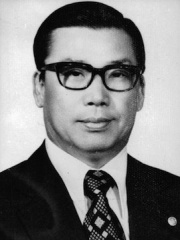
Kim Jae-gyu
1926 - 1980
HPI: 68.63
Rank: 46
Kim Tu-bong
1889 - 1958
HPI: 68.55
Rank: 47
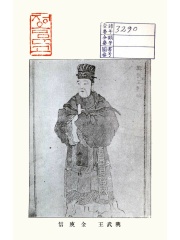
Gim Yu-sin
595 - 673
HPI: 68.28
Rank: 48
Heungseon Daewongun
1820 - 1898
HPI: 68.22
Rank: 49
Munmu of Silla
626 - 681
HPI: 68.18
Rank: 50
Lee Jae-myung
1964 - Present
HPI: 67.77
Rank: 51
Queen Munjeong
1501 - 1565
HPI: 67.75
Rank: 52
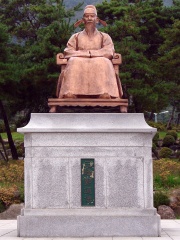
Jeong Dojeon
1342 - 1398
HPI: 67.15
Rank: 53
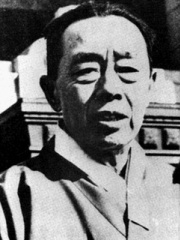
Kim Kyu-sik
1881 - 1950
HPI: 66.53
Rank: 54
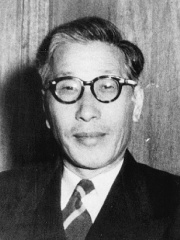
Heo Jeong
1896 - 1988
HPI: 66.37
Rank: 55
Kim Jong-pil
1926 - 2018
HPI: 65.89
Rank: 56
Goh Kun
1938 - Present
HPI: 65.56
Rank: 57




