Politicien
Alexander Helios
40 BC - 25 BC
PAGES VUES SUR FR.WIKIPEDIA (PV)
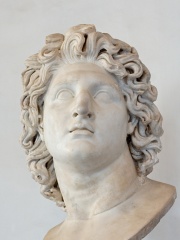
 Alexander Helios
Sa biographie est disponible en 34 langues sur Wikipédia. Alexander Helios est le 2,150th politicien le plus populaire (en baisse du 2,048th en 2024), la 119th biographie la plus populaire d'Égypte (en hausse du 121st en 2019), ainsi que le 52nd politicien d'Égypte le plus populaire.
Indicateurs de mémorabilité
200k
Pages vues
12 derniers mois
71.79
HPI
Indice de popularité historique
Faits marquants
#6,787
Plus de 20 siècles après sa mort, Alexander Helios occupe toujours le rang n° 6,787 parmi toutes les personnalités de Pantheon.
34
La biographie de Alexander Helios figure dans 34 éditions linguistiques de Wikipédia — plus que 76 % de l'ensemble des Politicien.
Pages vues de Alexander Helios par langue
Parmi les Politicien
Parmi les Politicien, Alexander Helios occupe le rang 2,149 sur 19,576. Avant lui viennent Nadab of Israel, Ramiz Alia, Axel Oxenstierna, Magnus V of Norway, Willi Stoph, et Amenhotep II. Après lui viennent Abdurrahman Wahid, Alessandro de' Medici, Duke of Florence, Humayun, Kato Svanidze, Mengistu Haile Mariam, et Theresa May.
Politicien les plus populaires sur Wikipédia
Voir tous les classements
Nadab of Israel
1000 BC - 960 BC
HPI : 71.80
Rang : 2,144
Ramiz Alia
1924 - 2011
HPI : 71.80
Rang : 2,145
Axel Oxenstierna
1583 - 1654
HPI : 71.80
Rang : 2,146
Magnus V of Norway
1156 - 1184
HPI : 71.80
Rang : 2,147
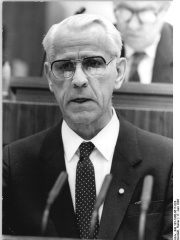
Willi Stoph
1914 - 1999
HPI : 71.80
Rang : 2,148
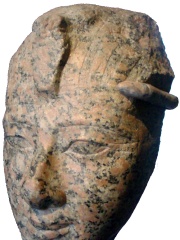
Amenhotep II
1401 BC - 1401 BC
HPI : 71.80
Rang : 2,149
Alexander Helios
40 BC - 25 BC
HPI : 71.79
Rang : 2,150
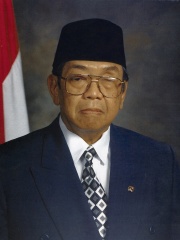
Abdurrahman Wahid
1940 - 2009
HPI : 71.79
Rang : 2,151
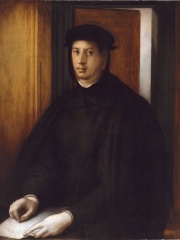
Alessandro de' Medici, Duke of Florence
1510 - 1537
HPI : 71.79
Rang : 2,152
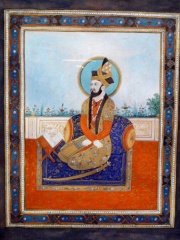
Humayun
1508 - 1556
HPI : 71.78
Rang : 2,153
Kato Svanidze
1885 - 1907
HPI : 71.78
Rang : 2,154
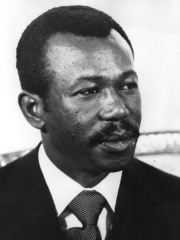
Mengistu Haile Mariam
1937 - présent
HPI : 71.78
Rang : 2,155
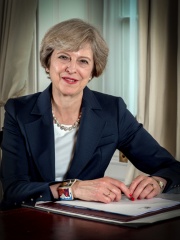
Theresa May
1956 - présent
HPI : 71.78
Rang : 2,156

Contemporains
Parmi les personnes nées en 40 BC, Alexander Helios occupe le rang 2. Avant lui vient Cleopatra Selene II. Après lui viennent Musa of Parthia, Gaius Asinius Gallus Saloninus, et Paullus Fabius Maximus. Parmi les personnes décédées en 25 BC, Alexander Helios occupe le rang 2. Avant lui vient Cornelius Nepos. Après lui viennent Publius Cornelius Lentulus Spinther, et Amyntas of Galatia.
Autres personnes nées en 40 BC
Voir tous les classements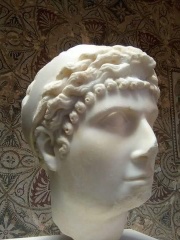
Cleopatra Selene II
POLITICIAN
40 BC - 5
HPI : 75.73
Rang : 1
Alexander Helios
POLITICIAN
40 BC - 25 BC
HPI : 71.79
Rang : 2
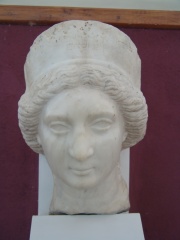
Musa of Parthia
POLITICIAN
40 BC - 20
HPI : 66.29
Rang : 3

Gaius Asinius Gallus Saloninus
WRITER
40 BC - 33
HPI : 65.52
Rang : 4

Paullus Fabius Maximus
POLITICIAN
40 BC - 14
HPI : 59.19
Rang : 5
Autres personnes décédées en 25 BC
Voir tous les classements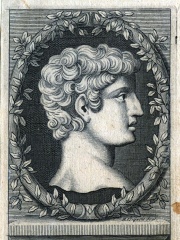
Cornelius Nepos
WRITER
100 BC - 25 BC
HPI : 74.23
Rang : 1
Alexander Helios
POLITICIAN
40 BC - 25 BC
HPI : 71.79
Rang : 2
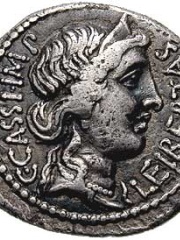
Publius Cornelius Lentulus Spinther
POLITICIAN
75 BC - 25 BC
HPI : 60.31
Rang : 3
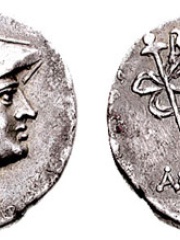
Amyntas of Galatia
POLITICIAN
100 BC - 25 BC
HPI : 57.30
Rang : 4
En Égypte
Parmi les personnes nées en Égypte, Alexander Helios occupe le rang 119 sur 642. Avant lui viennent Teti (-2350), Isma'il Pasha (1830), Den (-3000), Yusuf al-Qaradawi (1926), Djet (-3000), et Amenhotep II (-1401). Après lui viennent Userkaf (-2600), Apollos (100), Mohamed Hussein Tantawi (1935), Macarius of Egypt (300), Abbas II of Egypt (1874), et Shepseskaf (-2600).
Autres personnes nées en Égypte
Voir tous les classements
Teti
POLITICIAN
2350 BC - 2350 BC
HPI : 71.96
Rang : 113
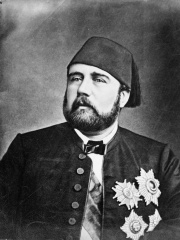
Isma'il Pasha
POLITICIAN
1830 - 1895
HPI : 71.90
Rang : 114
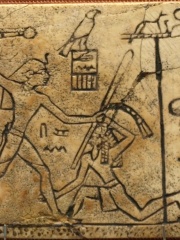
Den
ARCHAEOLOGIST
3000 BC - 2995 BC
HPI : 71.85
Rang : 115
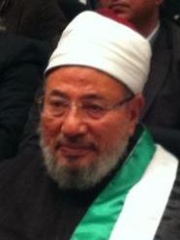
Yusuf al-Qaradawi
RELIGIOUS FIGURE
1926 - 2022
HPI : 71.85
Rang : 116
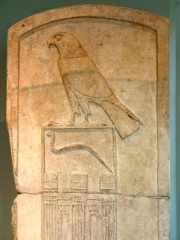
Djet
RELIGIOUS FIGURE
3000 BC - 2980 BC
HPI : 71.82
Rang : 117
Amenhotep II
POLITICIAN
1401 BC - 1401 BC
HPI : 71.80
Rang : 118
Alexander Helios
POLITICIAN
40 BC - 25 BC
HPI : 71.79
Rang : 119
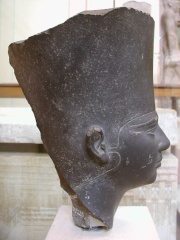
Userkaf
POLITICIAN
2600 BC - 2500 BC
HPI : 71.73
Rang : 120
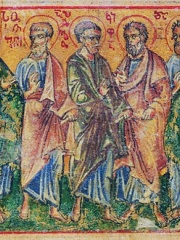
Apollos
RELIGIOUS FIGURE
100 - 100
HPI : 71.64
Rang : 121
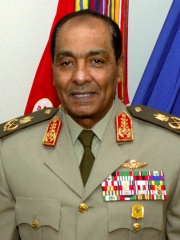
Mohamed Hussein Tantawi
POLITICIAN
1935 - 2021
HPI : 71.62
Rang : 122
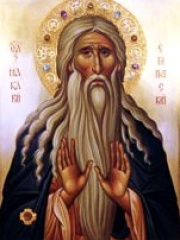
Macarius of Egypt
RELIGIOUS FIGURE
300 - 391
HPI : 71.38
Rang : 123
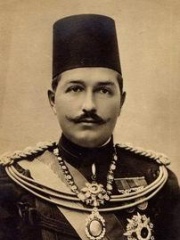
Abbas II of Egypt
POLITICIAN
1874 - 1944
HPI : 71.37
Rang : 124
Shepseskaf
POLITICIAN
2600 BC - 2499 BC
HPI : 71.31
Rang : 125
Parmi les Politicien en Égypte
Parmi les Politicien nés en Égypte, Alexander Helios occupe le rang 52. Avant lui viennent Seti II (-1300), Senakhtenre Ahmose (-1600), Kamose (-1600), Teti (-2350), Isma'il Pasha (1830), et Amenhotep II (-1401). Après lui viennent Userkaf (-2600), Mohamed Hussein Tantawi (1935), Abbas II of Egypt (1874), Shepseskaf (-2600), Apepi (-1600), et Sekhemkhet (-2800).
Seti II
1300 BC - 1194 BC
HPI : 72.22
Rang : 46
Senakhtenre Ahmose
1600 BC - 1600 BC
HPI : 72.21
Rang : 47
Kamose
1600 BC - 1549 BC
HPI : 72.17
Rang : 48
Teti
2350 BC - 2350 BC
HPI : 71.96
Rang : 49
Isma'il Pasha
1830 - 1895
HPI : 71.90
Rang : 50
Amenhotep II
1401 BC - 1401 BC
HPI : 71.80
Rang : 51
Alexander Helios
40 BC - 25 BC
HPI : 71.79
Rang : 52
Userkaf
2600 BC - 2500 BC
HPI : 71.73
Rang : 53
Mohamed Hussein Tantawi
1935 - 2021
HPI : 71.62
Rang : 54
Abbas II of Egypt
1874 - 1944
HPI : 71.37
Rang : 55
Shepseskaf
2600 BC - 2499 BC
HPI : 71.31
Rang : 56
Apepi
1600 BC - 1549 BC
HPI : 71.15
Rang : 57
Sekhemkhet
2800 BC - 2700 BC
HPI : 71.03
Rang : 58




