Politiker
Alexander Helios
40 BC - 25 BC
DE.WIKIPEDIA-SEITENAUFRUFE (PV)
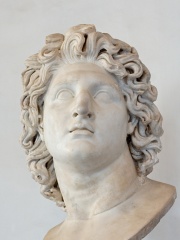
 Alexander Helios
Seine Biografie ist in 34 verschiedenen Sprachen auf Wikipedia verfügbar. Alexander Helios ist der 2,150th beliebteste Politiker (gesunken vom 2,048th im Jahr 2024), die 119th beliebteste Biografie aus Ägypten (gestiegen vom 121st im Jahr 2019) und der 52nd beliebteste aus Ägypten Politiker.
Bekanntheitsmetriken
200k
Seitenaufrufe
Letzte 12 Monate
71.79
HPI
Historischer Popularitätsindex
Seitenaufrufe von Alexander Helios nach Sprache
Unter Politiker
Unter Politiker belegt Alexander Helios Rang 2,149 von 19,576. Vor ihm stehen Nadab of Israel, Ramiz Alia, Axel Oxenstierna, Magnus V of Norway, Willi Stoph, und Amenhotep II. Nach ihm folgen Abdurrahman Wahid, Alessandro de' Medici, Duke of Florence, Humayun, Kato Svanidze, Mengistu Haile Mariam, und Theresa May.
Die beliebtesten Politiker auf Wikipedia
Zu allen Ranglisten
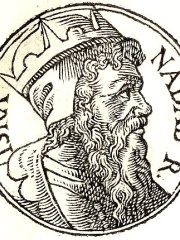
Nadab of Israel
1000 BC - 960 BC
HPI: 71.80
Rang: 2,144
Ramiz Alia
1924 - 2011
HPI: 71.80
Rang: 2,145
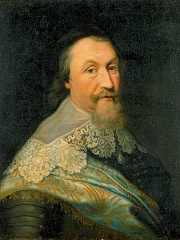
Axel Oxenstierna
1583 - 1654
HPI: 71.80
Rang: 2,146
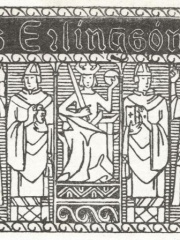
Magnus V of Norway
1156 - 1184
HPI: 71.80
Rang: 2,147
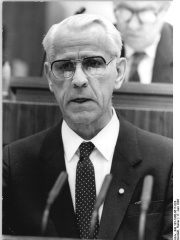
Willi Stoph
1914 - 1999
HPI: 71.80
Rang: 2,148
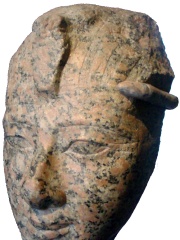
Amenhotep II
1401 BC - 1401 BC
HPI: 71.80
Rang: 2,149
Alexander Helios
40 BC - 25 BC
HPI: 71.79
Rang: 2,150
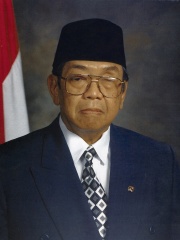
Abdurrahman Wahid
1940 - 2009
HPI: 71.79
Rang: 2,151
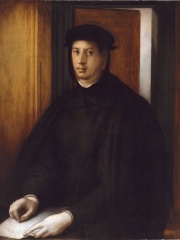
Alessandro de' Medici, Duke of Florence
1510 - 1537
HPI: 71.79
Rang: 2,152
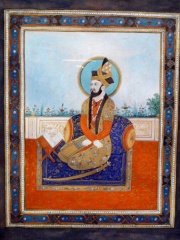
Humayun
1508 - 1556
HPI: 71.78
Rang: 2,153
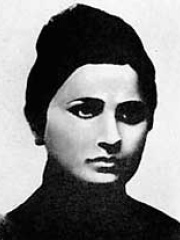
Kato Svanidze
1885 - 1907
HPI: 71.78
Rang: 2,154
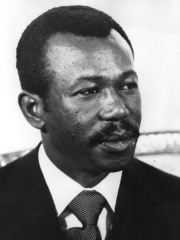
Mengistu Haile Mariam
1937 - heute
HPI: 71.78
Rang: 2,155

Theresa May
1956 - heute
HPI: 71.78
Rang: 2,156

Zeitgenossen
Unter den im Jahr 40 BC Geborenen belegt Alexander Helios Rang 2. Vor ihm steht Cleopatra Selene II. Nach ihm folgen Musa of Parthia, Gaius Asinius Gallus Saloninus, und Paullus Fabius Maximus. Unter den im Jahr 25 BC Verstorbenen belegt Alexander Helios Rang 2. Vor ihm steht Cornelius Nepos. Nach ihm folgen Publius Cornelius Lentulus Spinther, und Amyntas of Galatia.
Weitere im Jahr 40 BC Geborene
Zu allen Ranglisten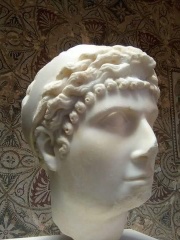
Cleopatra Selene II
POLITICIAN
40 BC - 5
HPI: 75.73
Rang: 1
Alexander Helios
POLITICIAN
40 BC - 25 BC
HPI: 71.79
Rang: 2
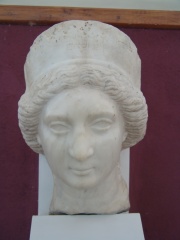
Musa of Parthia
POLITICIAN
40 BC - 20
HPI: 66.29
Rang: 3

Gaius Asinius Gallus Saloninus
WRITER
40 BC - 33
HPI: 65.52
Rang: 4

Paullus Fabius Maximus
POLITICIAN
40 BC - 14
HPI: 59.19
Rang: 5
Weitere im Jahr 25 BC Verstorbene
Zu allen Ranglisten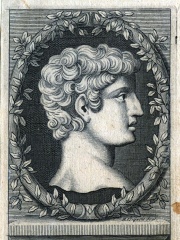
Cornelius Nepos
WRITER
100 BC - 25 BC
HPI: 74.23
Rang: 1
Alexander Helios
POLITICIAN
40 BC - 25 BC
HPI: 71.79
Rang: 2
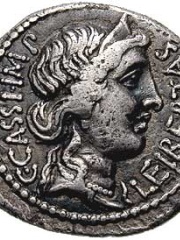
Publius Cornelius Lentulus Spinther
POLITICIAN
75 BC - 25 BC
HPI: 60.31
Rang: 3
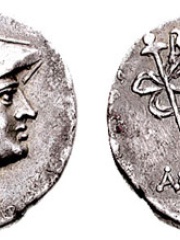
Amyntas of Galatia
POLITICIAN
100 BC - 25 BC
HPI: 57.30
Rang: 4
In Ägypten
Unter den in Ägypten Geborenen belegt Alexander Helios Rang 119 von NaN. Vor ihm stehen Teti (-2350), Isma'il Pasha (1830), Den (-3000), Yusuf al-Qaradawi (1926), Djet (-3000), und Amenhotep II (-1401). Nach ihm folgen Userkaf (-2600), Apollos (100), Mohamed Hussein Tantawi (1935), Macarius of Egypt (300), Abbas II of Egypt (1874), und Shepseskaf (-2600).
Weitere in Ägypten geborene Personen
Zu allen Ranglisten
Teti
POLITICIAN
2350 BC - 2350 BC
HPI: 71.96
Rang: 113
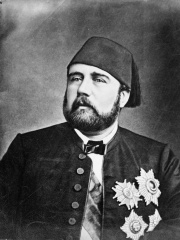
Isma'il Pasha
POLITICIAN
1830 - 1895
HPI: 71.90
Rang: 114
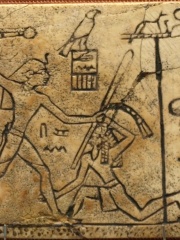
Den
ARCHAEOLOGIST
3000 BC - 2995 BC
HPI: 71.85
Rang: 115

Yusuf al-Qaradawi
RELIGIOUS FIGURE
1926 - 2022
HPI: 71.85
Rang: 116
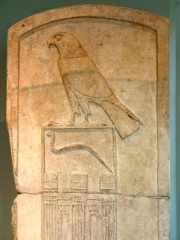
Djet
RELIGIOUS FIGURE
3000 BC - 2980 BC
HPI: 71.82
Rang: 117
Amenhotep II
POLITICIAN
1401 BC - 1401 BC
HPI: 71.80
Rang: 118
Alexander Helios
POLITICIAN
40 BC - 25 BC
HPI: 71.79
Rang: 119
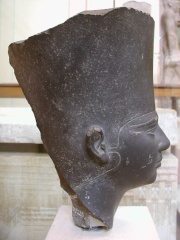
Userkaf
POLITICIAN
2600 BC - 2500 BC
HPI: 71.73
Rang: 120
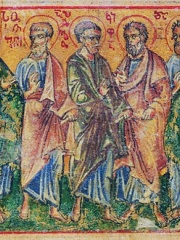
Apollos
RELIGIOUS FIGURE
100 - 100
HPI: 71.64
Rang: 121
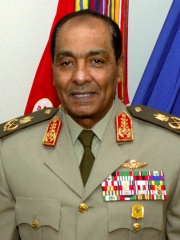
Mohamed Hussein Tantawi
POLITICIAN
1935 - 2021
HPI: 71.62
Rang: 122
Macarius of Egypt
RELIGIOUS FIGURE
300 - 391
HPI: 71.38
Rang: 123
Abbas II of Egypt
POLITICIAN
1874 - 1944
HPI: 71.37
Rang: 124
Shepseskaf
POLITICIAN
2600 BC - 2499 BC
HPI: 71.31
Rang: 125
Unter Politiker in Ägypten
Unter den in Ägypten geborenen Politiker belegt Alexander Helios Rang 52. Vor ihm stehen Seti II (-1300), Senakhtenre Ahmose (-1600), Kamose (-1600), Teti (-2350), Isma'il Pasha (1830), und Amenhotep II (-1401). Nach ihm folgen Userkaf (-2600), Mohamed Hussein Tantawi (1935), Abbas II of Egypt (1874), Shepseskaf (-2600), Apepi (-1600), und Sekhemkhet (-2800).
Seti II
1300 BC - 1194 BC
HPI: 72.22
Rang: 46
Senakhtenre Ahmose
1600 BC - 1600 BC
HPI: 72.21
Rang: 47
Kamose
1600 BC - 1549 BC
HPI: 72.17
Rang: 48
Teti
2350 BC - 2350 BC
HPI: 71.96
Rang: 49
Isma'il Pasha
1830 - 1895
HPI: 71.90
Rang: 50
Amenhotep II
1401 BC - 1401 BC
HPI: 71.80
Rang: 51
Alexander Helios
40 BC - 25 BC
HPI: 71.79
Rang: 52
Userkaf
2600 BC - 2500 BC
HPI: 71.73
Rang: 53
Mohamed Hussein Tantawi
1935 - 2021
HPI: 71.62
Rang: 54
Abbas II of Egypt
1874 - 1944
HPI: 71.37
Rang: 55
Shepseskaf
2600 BC - 2499 BC
HPI: 71.31
Rang: 56
Apepi
1600 BC - 1549 BC
HPI: 71.15
Rang: 57
Sekhemkhet
2800 BC - 2700 BC
HPI: 71.03
Rang: 58




