Religiöse Persönlichkeit
Ibn Qutaybah
828 - 889
DE.WIKIPEDIA PAGE VIEWS (PV)

 Ibn Qutaybah
Seine Biografie ist in 33 verschiedenen Sprachen auf Wikipedia verfügbar (gestiegen von 32 im Jahr 2024). Ibn Qutaybah ist der 891st beliebteste Religiöse Persönlichkeit (gesunken vom 808th im Jahr 2024), die 99th beliebteste Biografie aus Irak (gesunken vom 92nd im Jahr 2019) und der 15th beliebteste aus dem Irak Religiöse Persönlichkeit.
Memorability Metrics
47k
Page Views
Past 12 months
68.10
HPI
Historical Popularity Index
Page views of Ibn Qutaybah by language
Among Religiöse Persönlichkeits
Among religiöse persönlichkeits, Ibn Qutaybah ranks 891 out of 3,187. Before him are Stefan Wyszyński, Timothy Dolan, Georg Ratzinger, Stanislaus Kostka, Fariduddin Ganjshakar, and Leonard of Noblac. After him are Saint Maurus, Avvakum, Caesar Baronius, Robert de Sorbon, Apollinaris of Laodicea, and Zeno of Verona.
Most Popular Religiöse Persönlichkeits in Wikipedia
Go to all Rankings
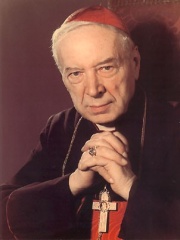
Stefan Wyszyński
1901 - 1981
HPI: 68.15
Rank: 885
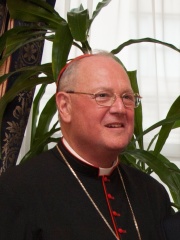
Timothy Dolan
1950 - Present
HPI: 68.12
Rank: 886

Georg Ratzinger
1924 - 2020
HPI: 68.12
Rank: 887

Stanislaus Kostka
1550 - 1568
HPI: 68.12
Rank: 888

Fariduddin Ganjshakar
1178 - 1265
HPI: 68.11
Rank: 889
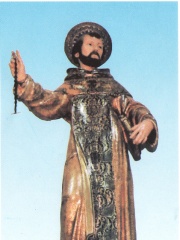
Leonard of Noblac
496 - 545
HPI: 68.11
Rank: 890
Ibn Qutaybah
828 - 889
HPI: 68.10
Rank: 891
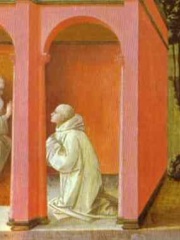
Saint Maurus
512 - 587
HPI: 68.07
Rank: 892
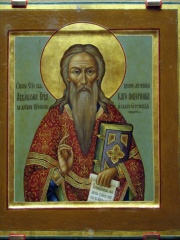
Avvakum
1620 - 1682
HPI: 68.05
Rank: 893
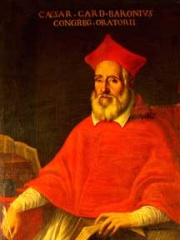
Caesar Baronius
1538 - 1607
HPI: 68.04
Rank: 894
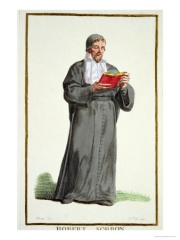
Robert de Sorbon
1201 - 1274
HPI: 68.00
Rank: 895

Apollinaris of Laodicea
310 - 390
HPI: 67.99
Rank: 896
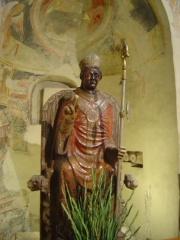
Zeno of Verona
300 - 371
HPI: 67.99
Rank: 897

Contemporaries
Among people born in 828, Ibn Qutaybah ranks 2. Before him is Boris I of Bulgaria. Among people deceased in 889, Ibn Qutaybah ranks 2. Before him is Eochaid, son of Rhun. After him is Giric.
Others Born in 828
Go to all Rankings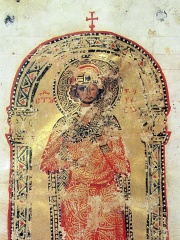
Boris I of Bulgaria
POLITICIAN
828 - 907
HPI: 72.71
Rank: 1
Ibn Qutaybah
RELIGIOUS FIGURE
828 - 889
HPI: 68.10
Rank: 2
Others Deceased in 889
Go to all Rankings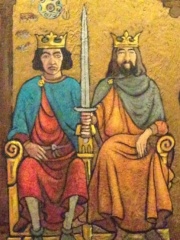
Eochaid, son of Rhun
POLITICIAN
900 - 889
HPI: 72.51
Rank: 1
Ibn Qutaybah
RELIGIOUS FIGURE
828 - 889
HPI: 68.10
Rank: 2
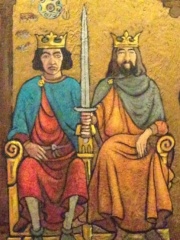
Giric
POLITICIAN
900 - 889
HPI: 62.55
Rank: 3
In Irak
Among people born in Irak, Ibn Qutaybah ranks 99 out of NaN. Before him are Al-Mu'tamid (844), Al-Mutanabbi (915), Nouri al-Maliki (1950), Al-Qahir (899), Al-Muhtadi (825), and Al-Muntasir (837). After him are Muhammad al-Shaybani (750), Al-Mu'tazz (847), Adad-nirari I (-1400), Sin-shumu-lishir (-700), Sin-Muballit (-1900), and Ibn Sirin (653).
Others born in Irak
Go to all Rankings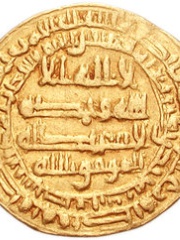
Al-Mu'tamid
POLITICIAN
844 - 892
HPI: 68.72
Rank: 93
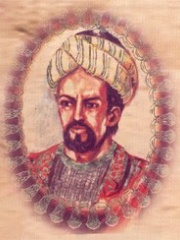
Al-Mutanabbi
WRITER
915 - 965
HPI: 68.51
Rank: 94
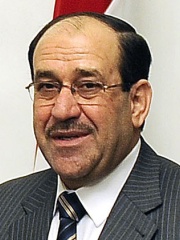
Nouri al-Maliki
POLITICIAN
1950 - Present
HPI: 68.49
Rank: 95
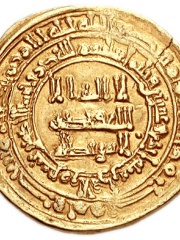
Al-Qahir
POLITICIAN
899 - 950
HPI: 68.33
Rank: 96
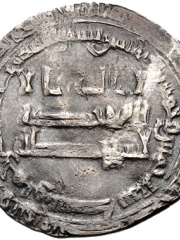
Al-Muhtadi
POLITICIAN
825 - 870
HPI: 68.20
Rank: 97
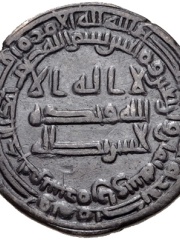
Al-Muntasir
POLITICIAN
837 - 862
HPI: 68.13
Rank: 98
Ibn Qutaybah
RELIGIOUS FIGURE
828 - 889
HPI: 68.10
Rank: 99

Muhammad al-Shaybani
LAWYER
750 - 805
HPI: 67.98
Rank: 100
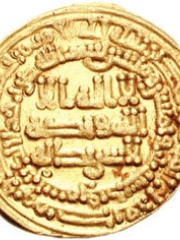
Al-Mu'tazz
SOCIAL ACTIVIST
847 - 869
HPI: 67.97
Rank: 101
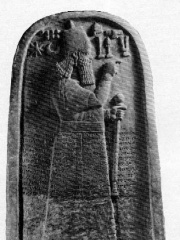
Adad-nirari I
POLITICIAN
1400 BC - 1274 BC
HPI: 67.88
Rank: 102
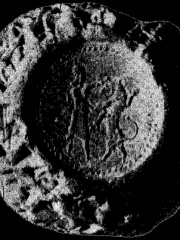
Sin-shumu-lishir
POLITICIAN
700 BC - 627 BC
HPI: 67.79
Rank: 103
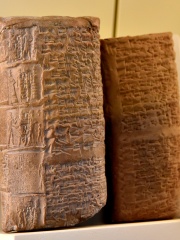
Sin-Muballit
POLITICIAN
1900 BC - 1793 BC
HPI: 67.66
Rank: 104

Ibn Sirin
WRITER
653 - 729
HPI: 67.63
Rank: 105
Among Religiöse Persönlichkeits In Irak
Among religiöse persönlichkeits born in Irak, Ibn Qutaybah ranks 15. Before him are Eber (-2038), Junayd of Baghdad (830), Louis Raphaël I Sako (1948), Ibn Hisham (701), Nahor, son of Serug (-1912), and Hillel the Elder (-110). After him are Mohammad Hussein Fadlallah (1935), Ibn Sa'd (784), Abo of Tiflis (756), Dinkha IV (1935), Ignatius Zakka I Iwas (1931), and Suhayb ar-Rumi (587).
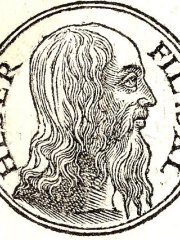
Eber
2038 BC - 1574 BC
HPI: 74.57
Rank: 9
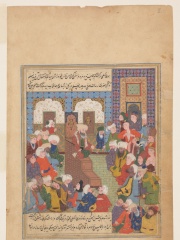
Junayd of Baghdad
830 - 910
HPI: 71.53
Rank: 10
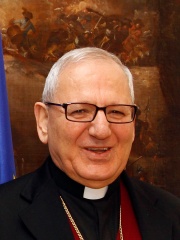
Louis Raphaël I Sako
1948 - Present
HPI: 70.61
Rank: 11

Ibn Hisham
701 - 833
HPI: 70.58
Rank: 12
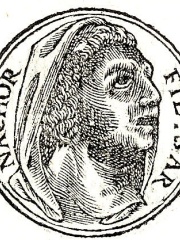
Nahor, son of Serug
1912 BC - 1764 BC
HPI: 70.15
Rank: 13
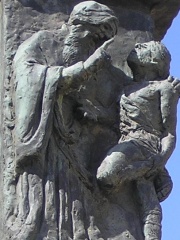
Hillel the Elder
110 BC - 10
HPI: 69.20
Rank: 14
Ibn Qutaybah
828 - 889
HPI: 68.10
Rank: 15
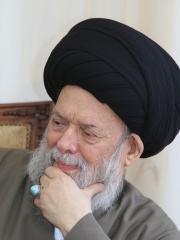
Mohammad Hussein Fadlallah
1935 - 2010
HPI: 65.96
Rank: 16

Ibn Sa'd
784 - 845
HPI: 65.86
Rank: 17
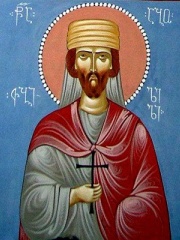
Abo of Tiflis
756 - 786
HPI: 65.48
Rank: 18
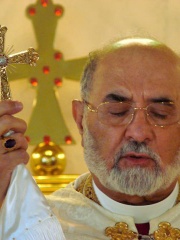
Dinkha IV
1935 - 2015
HPI: 64.98
Rank: 19
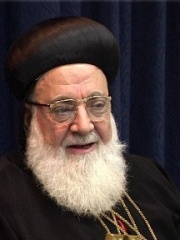
Ignatius Zakka I Iwas
1931 - 2014
HPI: 64.37
Rank: 20
Suhayb ar-Rumi
587 - 659
HPI: 64.00
Rank: 21




