Religiöse Persönlichkeit
Abo of Tiflis
756 - 786
DE.WIKIPEDIA PAGE VIEWS (PV)
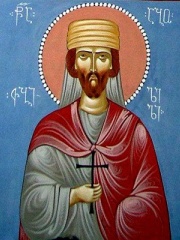
 Abo of Tiflis
Seine Biografie ist in 24 verschiedenen Sprachen auf Wikipedia verfügbar (gestiegen von 23 im Jahr 2024). Abo of Tiflis ist der 1,170th beliebteste Religiöse Persönlichkeit (gesunken vom 1,165th im Jahr 2024), die 153rd beliebteste Biografie aus Irak (gestiegen vom 173rd im Jahr 2019) und der 18th beliebteste aus dem Irak Religiöse Persönlichkeit.
Memorability Metrics
34k
Page Views
Past 12 months
65.48
HPI
Historical Popularity Index
Page views of Abo of Tiflis by language
Among Religiöse Persönlichkeits
Among religiöse persönlichkeits, Abo of Tiflis ranks 1,170 out of 3,187. Before him are Yves Congar, Arsenius the Great, Jakob Ammann, Sai Baba of Shirdi, Jeanne Guyon, and Shemon Bar Sabbae. After him are 11th Dalai Lama, Rose of Viterbo, Hugh of Cluny, Eugène de Mazenod, Henry, and Caesarius of Arles.
Most Popular Religiöse Persönlichkeits in Wikipedia
Go to all Rankings
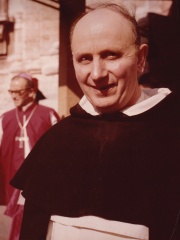
Yves Congar
1904 - 1995
HPI: 65.56
Rank: 1,164
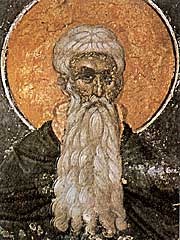
Arsenius the Great
354 - 449
HPI: 65.55
Rank: 1,165

Jakob Ammann
1644 - 1730
HPI: 65.51
Rank: 1,166
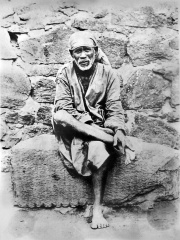
Sai Baba of Shirdi
1835 - 1918
HPI: 65.49
Rank: 1,167
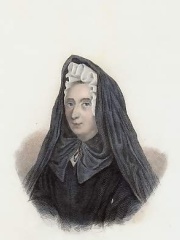
Jeanne Guyon
1648 - 1717
HPI: 65.49
Rank: 1,168
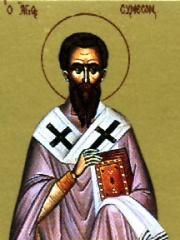
Shemon Bar Sabbae
350 - 344
HPI: 65.48
Rank: 1,169
Abo of Tiflis
756 - 786
HPI: 65.48
Rank: 1,170

11th Dalai Lama
1838 - 1856
HPI: 65.48
Rank: 1,171

Rose of Viterbo
1233 - 1252
HPI: 65.45
Rank: 1,172

Hugh of Cluny
1024 - 1109
HPI: 65.44
Rank: 1,173
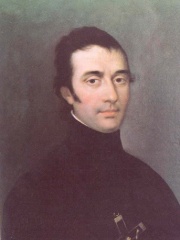
Eugène de Mazenod
1782 - 1861
HPI: 65.43
Rank: 1,174

Henry
1100 - 1156
HPI: 65.42
Rank: 1,175
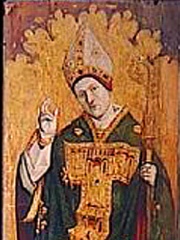
Caesarius of Arles
470 - 542
HPI: 65.42
Rank: 1,176

Contemporaries
Among people born in 756, Abo of Tiflis ranks 1. After him is Ibrahim I ibn al-Aghlab. Among people deceased in 786, Abo of Tiflis ranks 3. Before him are Desiderius, and Al-Hadi. After him are Cynewulf of Wessex, and Lullus.
Others Born in 756
Go to all RankingsAbo of Tiflis
RELIGIOUS FIGURE
756 - 786
HPI: 65.48
Rank: 1
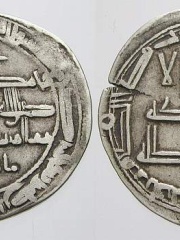
Ibrahim I ibn al-Aghlab
POLITICIAN
756 - 812
HPI: 61.18
Rank: 2
Others Deceased in 786
Go to all Rankings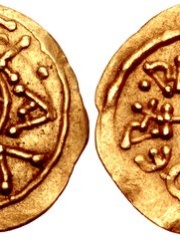
Desiderius
POLITICIAN
710 - 786
HPI: 71.97
Rank: 1
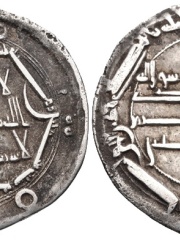
Al-Hadi
POLITICIAN
764 - 786
HPI: 71.01
Rank: 2
Abo of Tiflis
RELIGIOUS FIGURE
756 - 786
HPI: 65.48
Rank: 3
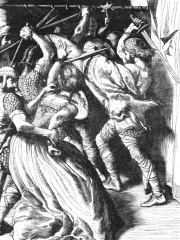
Cynewulf of Wessex
POLITICIAN
750 - 786
HPI: 60.57
Rank: 4

Lullus
RELIGIOUS FIGURE
710 - 786
HPI: 58.43
Rank: 5
In Irak
Among people born in Irak, Abo of Tiflis ranks 153 out of NaN. Before him are Mohammad Hussein Fadlallah (1935), Ibn Sa'd (784), Al-Mustadi (1142), Al-Qadir (947), Al-Muqtafi (1096), and Al-Mustazhir (1078). After him are Shammuramat (-900), Al-Mustanjid (1124), Ovadia Yosef (1920), At-Ta'i (932), Surena (-84), and Phraates II (-200).
Others born in Irak
Go to all Rankings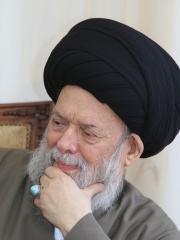
Mohammad Hussein Fadlallah
RELIGIOUS FIGURE
1935 - 2010
HPI: 65.96
Rank: 147

Ibn Sa'd
RELIGIOUS FIGURE
784 - 845
HPI: 65.86
Rank: 148
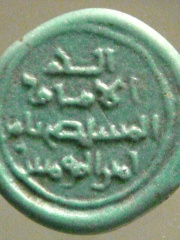
Al-Mustadi
POLITICIAN
1142 - 1180
HPI: 65.79
Rank: 149
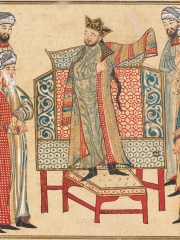
Al-Qadir
POLITICIAN
947 - 1031
HPI: 65.79
Rank: 150
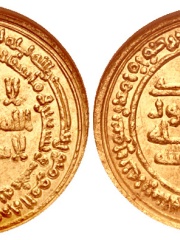
Al-Muqtafi
POLITICIAN
1096 - 1160
HPI: 65.76
Rank: 151
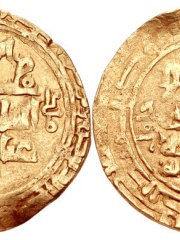
Al-Mustazhir
POLITICIAN
1078 - 1118
HPI: 65.49
Rank: 152
Abo of Tiflis
RELIGIOUS FIGURE
756 - 786
HPI: 65.48
Rank: 153
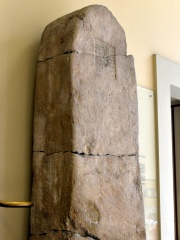
Shammuramat
POLITICIAN
900 BC - 800 BC
HPI: 65.33
Rank: 154
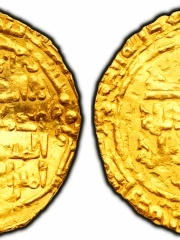
Al-Mustanjid
POLITICIAN
1124 - 1170
HPI: 65.30
Rank: 155
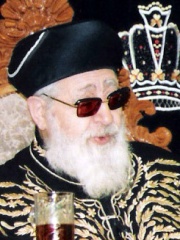
Ovadia Yosef
POLITICIAN
1920 - 2013
HPI: 65.28
Rank: 156
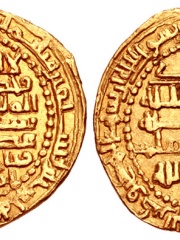
At-Ta'i
POLITICIAN
932 - 1003
HPI: 65.21
Rank: 157
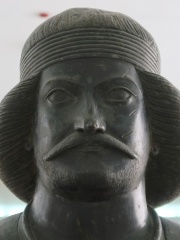
Surena
MILITARY PERSONNEL
84 BC - 52 BC
HPI: 65.17
Rank: 158
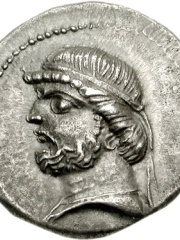
Phraates II
POLITICIAN
200 BC - 127 BC
HPI: 65.15
Rank: 159
Among Religiöse Persönlichkeits In Irak
Among religiöse persönlichkeits born in Irak, Abo of Tiflis ranks 18. Before him are Ibn Hisham (701), Nahor, son of Serug (-1912), Hillel the Elder (-110), Ibn Qutaybah (828), Mohammad Hussein Fadlallah (1935), and Ibn Sa'd (784). After him are Dinkha IV (1935), Ignatius Zakka I Iwas (1931), Suhayb ar-Rumi (587), Ahmad al-Rifaʽi (1118), Al-Allama al-Hilli (1250), and Dawud al-Zahiri (815).

Ibn Hisham
701 - 833
HPI: 70.58
Rank: 12

Nahor, son of Serug
1912 BC - 1764 BC
HPI: 70.15
Rank: 13
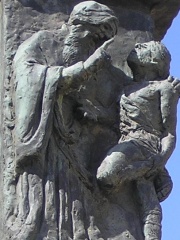
Hillel the Elder
110 BC - 10
HPI: 69.20
Rank: 14

Ibn Qutaybah
828 - 889
HPI: 68.10
Rank: 15
Mohammad Hussein Fadlallah
1935 - 2010
HPI: 65.96
Rank: 16
Ibn Sa'd
784 - 845
HPI: 65.86
Rank: 17
Abo of Tiflis
756 - 786
HPI: 65.48
Rank: 18
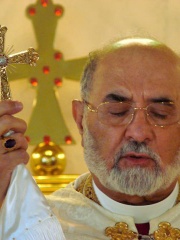
Dinkha IV
1935 - 2015
HPI: 64.98
Rank: 19
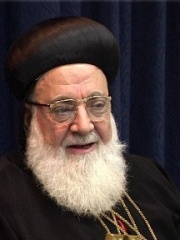
Ignatius Zakka I Iwas
1931 - 2014
HPI: 64.37
Rank: 20

Suhayb ar-Rumi
587 - 659
HPI: 64.00
Rank: 21
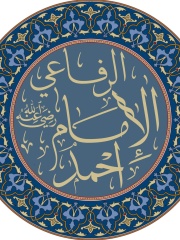
Ahmad al-Rifaʽi
1118 - 1182
HPI: 63.99
Rank: 22

Al-Allama al-Hilli
1250 - 1325
HPI: 63.65
Rank: 23

Dawud al-Zahiri
815 - 883
HPI: 63.23
Rank: 24




