Personnalité religieuse
Zeno of Verona
300 - 371
FR.WIKIPEDIA PAGE VIEWS (PV)
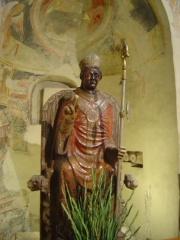
 Zeno of Verona
Sa biographie est disponible en 27 langues sur Wikipédia (en hausse par rapport à 26 en 2024). Zeno of Verona est le 897th personnalité religieuse le plus populaire (en baisse du 844th en 2024), la 19th biographie la plus populaire du Maroc (en hausse du 20th en 2019), ainsi que le 2nd personnalité religieuse du Maroc le plus populaire.
Memorability Metrics
42k
Page Views
Past 12 months
67.99
HPI
Historical Popularity Index
Page views of Zeno of Verona by language
Among Personnalité religieuses
Among personnalité religieuses, Zeno of Verona ranks 897 out of 3,187. Before him are Ibn Qutaybah, Saint Maurus, Avvakum, Caesar Baronius, Robert de Sorbon, and Apollinaris of Laodicea. After him are Agostino Casaroli, Michael Michai Kitbunchu, Bruno of Querfurt, Jorge Medina, Antipope Nicholas V, and Hemma of Gurk.
Most Popular Personnalité Religieuses in Wikipedia
Go to all Rankings

Ibn Qutaybah
828 - 889
HPI: 68.10
Rank: 891
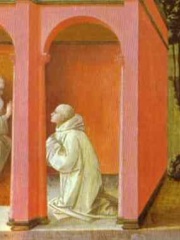
Saint Maurus
512 - 587
HPI: 68.07
Rank: 892
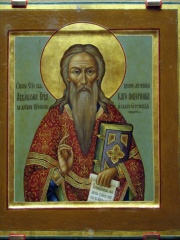
Avvakum
1620 - 1682
HPI: 68.05
Rank: 893
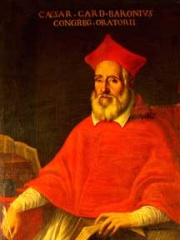
Caesar Baronius
1538 - 1607
HPI: 68.04
Rank: 894
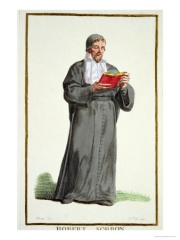
Robert de Sorbon
1201 - 1274
HPI: 68.00
Rank: 895

Apollinaris of Laodicea
310 - 390
HPI: 67.99
Rank: 896
Zeno of Verona
300 - 371
HPI: 67.99
Rank: 897
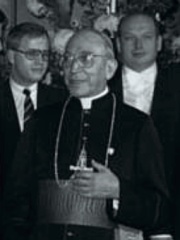
Agostino Casaroli
1914 - 1998
HPI: 67.94
Rank: 898

Michael Michai Kitbunchu
1929 - Present
HPI: 67.93
Rank: 899
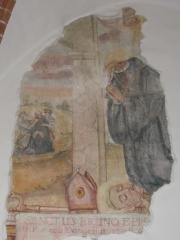
Bruno of Querfurt
970 - 1009
HPI: 67.92
Rank: 900
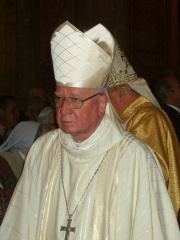
Jorge Medina
1926 - 2021
HPI: 67.92
Rank: 901
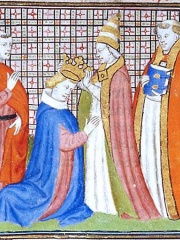
Antipope Nicholas V
1260 - 1333
HPI: 67.92
Rank: 902
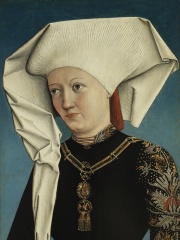
Hemma of Gurk
980 - 1045
HPI: 67.91
Rank: 903

Contemporaries
Among people born in 300, Zeno of Verona ranks 22. Before him are Asanga, Expeditus, Narseh, Vātsyāyana, Hormizd II, and Domitianus II. After him are Cyriacus, Carausius, Bahram III, Agathius, Saturnin, and Galeria Valeria. Among people deceased in 371, Zeno of Verona ranks 1. After him are Lucifer of Cagliari, Eusebius of Vercelli, and Gogugwon of Goguryeo.
Others Born in 300
Go to all Rankings
Asanga
PHILOSOPHER
300 - 301
HPI: 69.93
Rank: 16
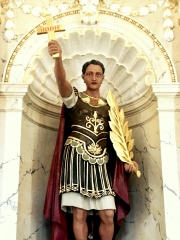
Expeditus
RELIGIOUS FIGURE
300 - 303
HPI: 69.67
Rank: 17
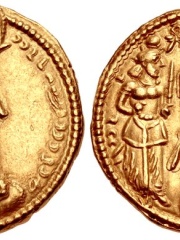
Narseh
POLITICIAN
300 - 302
HPI: 69.47
Rank: 18

Vātsyāyana
WRITER
300 - 500
HPI: 68.99
Rank: 19
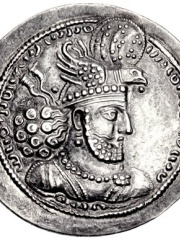
Hormizd II
POLITICIAN
300 - 309
HPI: 68.74
Rank: 20
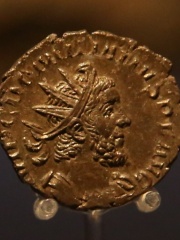
Domitianus II
POLITICIAN
300 - 271
HPI: 68.51
Rank: 21
Zeno of Verona
RELIGIOUS FIGURE
300 - 371
HPI: 67.99
Rank: 22
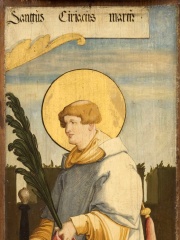
Cyriacus
RELIGIOUS FIGURE
300 - 303
HPI: 67.69
Rank: 23
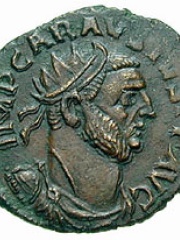
Carausius
POLITICIAN
300 - 293
HPI: 67.14
Rank: 24
Bahram III
POLITICIAN
300 - 293
HPI: 66.97
Rank: 25
Agathius
RELIGIOUS FIGURE
300 - 303
HPI: 66.81
Rank: 26

Saturnin
RELIGIOUS FIGURE
300 - 300
HPI: 66.67
Rank: 27
Galeria Valeria
COMPANION
300 - 315
HPI: 66.47
Rank: 28
Others Deceased in 371
Go to all RankingsZeno of Verona
RELIGIOUS FIGURE
300 - 371
HPI: 67.99
Rank: 1
Lucifer of Cagliari
RELIGIOUS FIGURE
201 - 371
HPI: 65.98
Rank: 2
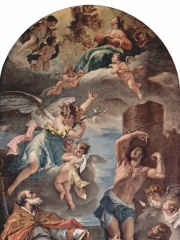
Eusebius of Vercelli
RELIGIOUS FIGURE
283 - 371
HPI: 64.58
Rank: 3
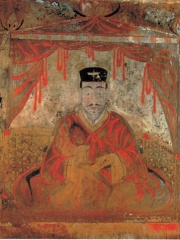
Gogugwon of Goguryeo
POLITICIAN
HPI: 59.14
Rank: 4
In Maroc
Among people born in Maroc, Zeno of Verona ranks 19 out of NaN. Before him are Fatema Mernissi (1940), Serge Haroche (1944), Ibn Tumart (1097), Ahmad al-Mansur (1549), Jean-Luc Mélenchon (1951), and Abu Yusuf Yaqub al-Mansur (1160). After him are Yusef of Morocco (1882), Michel Galabru (1922), Abu Yaqub Yusuf (1138), Tahar Ben Jelloun (1944), Hassan I of Morocco (1836), and Abdelaziz of Morocco (1878).
Others born in Maroc
Go to all Rankings
Fatema Mernissi
WRITER
1940 - 2015
HPI: 69.53
Rank: 13
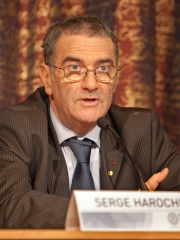
Serge Haroche
PHYSICIST
1944 - Present
HPI: 69.50
Rank: 14
Ibn Tumart
POLITICIAN
1097 - 1130
HPI: 69.02
Rank: 15
Ahmad al-Mansur
POLITICIAN
1549 - 1603
HPI: 68.91
Rank: 16

Jean-Luc Mélenchon
POLITICIAN
1951 - Present
HPI: 68.15
Rank: 17
Abu Yusuf Yaqub al-Mansur
POLITICIAN
1160 - 1199
HPI: 68.02
Rank: 18
Zeno of Verona
RELIGIOUS FIGURE
300 - 371
HPI: 67.99
Rank: 19
Yusef of Morocco
POLITICIAN
1882 - 1927
HPI: 67.89
Rank: 20
Michel Galabru
ACTOR
1922 - 2016
HPI: 67.87
Rank: 21
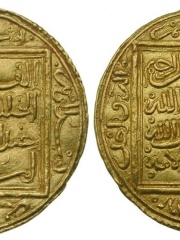
Abu Yaqub Yusuf
POLITICIAN
1138 - 1184
HPI: 66.98
Rank: 22
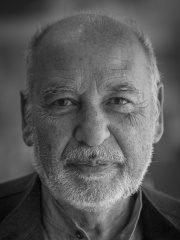
Tahar Ben Jelloun
WRITER
1944 - Present
HPI: 66.82
Rank: 23
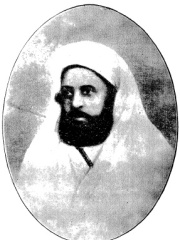
Hassan I of Morocco
POLITICIAN
1836 - 1894
HPI: 66.63
Rank: 24
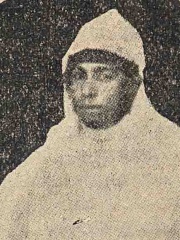
Abdelaziz of Morocco
POLITICIAN
1878 - 1943
HPI: 65.99
Rank: 25
Among Personnalité religieuses In Maroc
Among personnalité religieuses born in Maroc, Zeno of Verona ranks 2. Before him are Dominique Mamberti (1952). After him are Ahmad al-Badawi (1199), Philippe Barbarin (1950), Al-Shadhili (1197), and Baba Sali (1889).
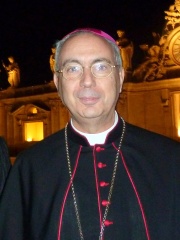
Dominique Mamberti
1952 - Present
HPI: 70.70
Rank: 1
Zeno of Verona
300 - 371
HPI: 67.99
Rank: 2
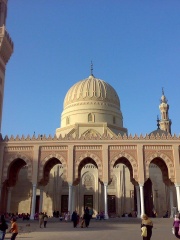
Ahmad al-Badawi
1199 - 1276
HPI: 64.63
Rank: 3
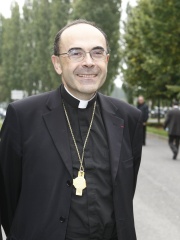
Philippe Barbarin
1950 - Present
HPI: 63.85
Rank: 4

Al-Shadhili
1197 - 1258
HPI: 62.99
Rank: 5
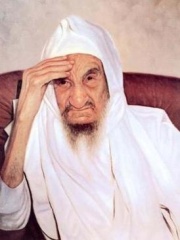
Baba Sali
1889 - 1984
HPI: 60.62
Rank: 6




