Vallási személyiség
Leonard of Noblac
496 - 545
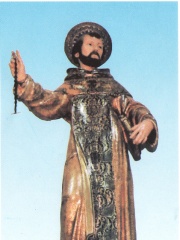
 Leonard of Noblac
Életrajza 20 különböző nyelven érhető el a Wikipédián. Leonard of Noblac a 890th legnépszerűbb vallási személyiség (csökkenés a 760th-ről 2024-ben), a 1,165th legnépszerűbb életrajz Franciaország országából (csökkenés a 1,005th-ről 2019-ben) és a 57th legnépszerűbb Franciaországból vallási személyiség.
Ismertségi mutatók
75k
Oldalmegtekintések
Elmúlt 12 hónap
68.11
HPI
Történelmi népszerűségi index
Adatérdekességek
#12,107
Több mint 14 évszázaddal a halála után Leonard of Noblac még mindig a(z) 12,107. helyen áll a Pantheon összes személyisége között.
jan. 1.
Leonard of Noblac ugyanazon a napon (január 1.) ünnepli születésnapját, mint Mary, mother of Jesus, Saint Peter és Laozi.
Leonard of Noblac oldalmegtekintései nyelvenként
A(z) Vallási személyiség között
A(z) Vallási személyiség között Leonard of Noblac a(z) 890. helyen áll 3,187 közül. Előtte állnak: Carlo Maria Martini, Stefan Wyszyński, Timothy Dolan, Georg Ratzinger, Stanislaus Kostka, és Fariduddin Ganjshakar. Utána következnek: Ibn Qutaybah, Saint Maurus, Avvakum, Caesar Baronius, Robert de Sorbon, és Apollinaris of Laodicea.
A legnépszerűbb Vallási személyiség a Wikipédián
Összes rangsor megtekintése
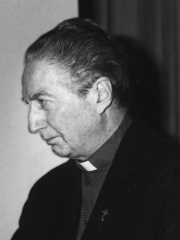
Carlo Maria Martini
1927 - 2012
HPI: 68.15
Helyezés: 884
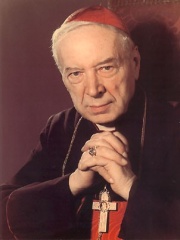
Stefan Wyszyński
1901 - 1981
HPI: 68.15
Helyezés: 885
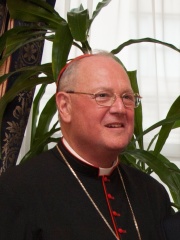
Timothy Dolan
1950 - napjainkig
HPI: 68.12
Helyezés: 886

Georg Ratzinger
1924 - 2020
HPI: 68.12
Helyezés: 887
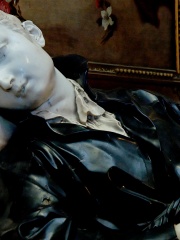
Stanislaus Kostka
1550 - 1568
HPI: 68.12
Helyezés: 888

Fariduddin Ganjshakar
1178 - 1265
HPI: 68.11
Helyezés: 889
Leonard of Noblac
496 - 545
HPI: 68.11
Helyezés: 890

Ibn Qutaybah
828 - 889
HPI: 68.10
Helyezés: 891
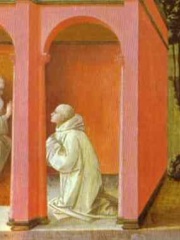
Saint Maurus
512 - 587
HPI: 68.07
Helyezés: 892
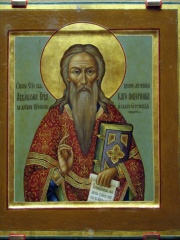
Avvakum
1620 - 1682
HPI: 68.05
Helyezés: 893
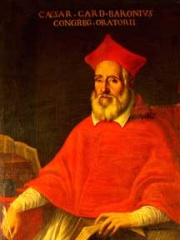
Caesar Baronius
1538 - 1607
HPI: 68.04
Helyezés: 894
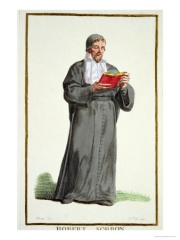
Robert de Sorbon
1201 - 1274
HPI: 68.00
Helyezés: 895

Apollinaris of Laodicea
310 - 390
HPI: 67.99
Helyezés: 896

Kortársak
A(z) 496. évben születettek között Leonard of Noblac a(z) 1. helyen áll. Utána következik: Germain of Paris. A(z) 545. évben elhunytak között Leonard of Noblac a(z) 2. helyen áll. Előtte áll: Clotilde. Utána következik: Anwon of Goguryeo.
További személyek, akik a(z) 496. évben születtek
Összes rangsor megtekintéseLeonard of Noblac
RELIGIOUS FIGURE
496 - 545
HPI: 68.11
Helyezés: 1
Germain of Paris
RELIGIOUS FIGURE
496 - 576
HPI: 64.97
Helyezés: 2
További személyek, akik a(z) 545. évben hunytak el
Összes rangsor megtekintése
Clotilde
RELIGIOUS FIGURE
475 - 545
HPI: 71.72
Helyezés: 1
Leonard of Noblac
RELIGIOUS FIGURE
496 - 545
HPI: 68.11
Helyezés: 2
Anwon of Goguryeo
POLITICIAN
501 - 545
HPI: 61.94
Helyezés: 3
A(z) Franciaország rangsorában
A(z) Franciaország területén születettek között Leonard of Noblac a(z) 1,165. helyen áll 6,770 közül. Előtte állnak: Étienne Bézout (1730), Jean-Marc Nattier (1685), Lionel Jospin (1937), Antoine Destutt de Tracy (1754), Simon de Montfort, 6th Earl of Leicester (1208), és Antoine Jérôme Balard (1802). Utána következnek: Nicolas Leblanc (1742), Jean-Baptiste Jourdan (1762), Édouard Lucas (1842), André Bazin (1918), Marion Cotillard (1975), és Stéphane Grappelli (1908).
További személyek, akik Franciaország területén születtek
Összes rangsor megtekintése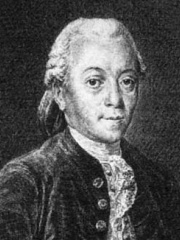
Étienne Bézout
MATHEMATICIAN
1730 - 1783
HPI: 68.16
Helyezés: 1,159
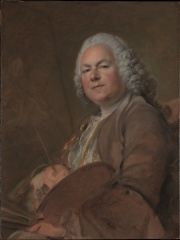
Jean-Marc Nattier
PAINTER
1685 - 1766
HPI: 68.15
Helyezés: 1,160
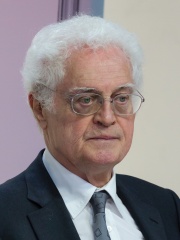
Lionel Jospin
POLITICIAN
1937 - 2026
HPI: 68.14
Helyezés: 1,161
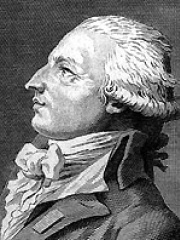
Antoine Destutt de Tracy
PHILOSOPHER
1754 - 1836
HPI: 68.14
Helyezés: 1,162
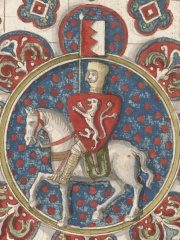
Simon de Montfort, 6th Earl of Leicester
SOCIAL ACTIVIST
1208 - 1265
HPI: 68.13
Helyezés: 1,163
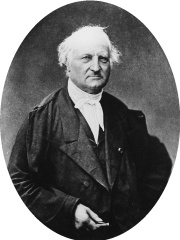
Antoine Jérôme Balard
CHEMIST
1802 - 1876
HPI: 68.12
Helyezés: 1,164
Leonard of Noblac
RELIGIOUS FIGURE
496 - 545
HPI: 68.11
Helyezés: 1,165
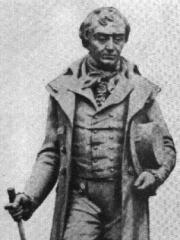
Nicolas Leblanc
CHEMIST
1742 - 1806
HPI: 68.10
Helyezés: 1,166
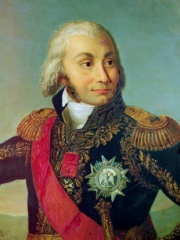
Jean-Baptiste Jourdan
MILITARY PERSONNEL
1762 - 1833
HPI: 68.09
Helyezés: 1,167
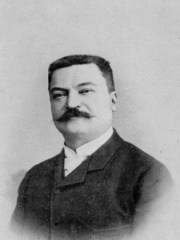
Édouard Lucas
MATHEMATICIAN
1842 - 1891
HPI: 68.08
Helyezés: 1,168

André Bazin
WRITER
1918 - 1958
HPI: 68.07
Helyezés: 1,169

Marion Cotillard
ACTOR
1975 - napjainkig
HPI: 68.07
Helyezés: 1,170
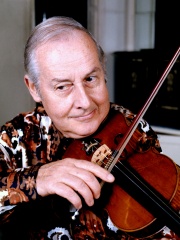
Stéphane Grappelli
MUSICIAN
1908 - 1997
HPI: 68.06
Helyezés: 1,171
A(z) Vallási személyiség között – Franciaország
A(z) Franciaország területén született Vallási személyiség között Leonard of Noblac a(z) 57. helyen áll. Előtte állnak: Lucile Randon (1904), Philipp Spener (1635), Roger Etchegaray (1922), Peter Faber (1506), Saint Eligius (588), és Louise de Marillac (1591). Utána következnek: Robert de Sorbon (1201), Antipope Gregory VIII (1100), Pierre Cauchon (1371), Odile of Alsace (662), Jane Frances de Chantal (1572), és Jean Mabillon (1632).
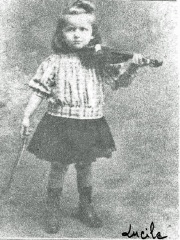
Lucile Randon
1904 - 2023
HPI: 69.61
Helyezés: 51
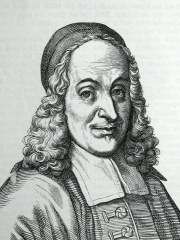
Philipp Spener
1635 - 1705
HPI: 69.34
Helyezés: 52
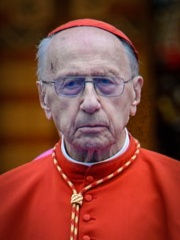
Roger Etchegaray
1922 - 2019
HPI: 69.07
Helyezés: 53
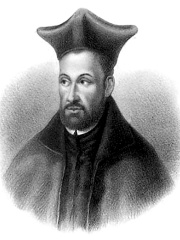
Peter Faber
1506 - 1545
HPI: 68.76
Helyezés: 54
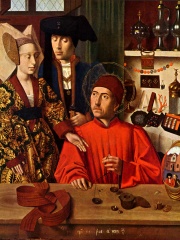
Saint Eligius
588 - 660
HPI: 68.45
Helyezés: 55
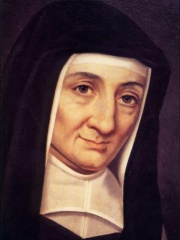
Louise de Marillac
1591 - 1660
HPI: 68.17
Helyezés: 56
Leonard of Noblac
496 - 545
HPI: 68.11
Helyezés: 57
Robert de Sorbon
1201 - 1274
HPI: 68.00
Helyezés: 58
Antipope Gregory VIII
1100 - 1137
HPI: 67.53
Helyezés: 59
Pierre Cauchon
1371 - 1442
HPI: 67.53
Helyezés: 60
Odile of Alsace
662 - 720
HPI: 67.48
Helyezés: 61
Jane Frances de Chantal
1572 - 1641
HPI: 67.40
Helyezés: 62
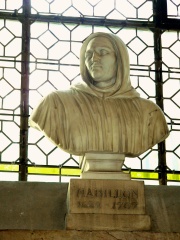
Jean Mabillon
1632 - 1707
HPI: 67.34
Helyezés: 63




