哲学家
邓斯·司各脱
1265 - 1308
ZH.WIKIPEDIA 页面浏览量 (PV)
 邓斯·司各脱
知名度指标
210k
页面浏览量
过去12个月
76.64
HPI
历史知名度指数
邓斯·司各脱的各语言页面浏览量
在哲学家中
在哲学家中,邓斯·司各脱排名第140位(共1,267人)。 排在他之前的有:Martin Buber, Zygmunt Bauman, Giambattista Vico, Tommaso Campanella, Philo, 和Charles Fourier. 排在他之后的有:Baron d'Holbach, Mozi, Kanada, Wilhelm Dilthey, Edith Stein, 和Chrysippus.
维基百科上最受欢迎的哲学家
查看全部排名
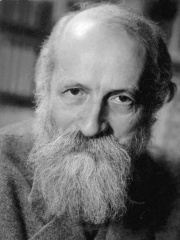
Martin Buber
1878 - 1965
HPI: 76.75
排名: 134
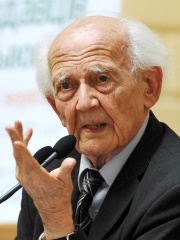
Zygmunt Bauman
1925 - 2017
HPI: 76.74
排名: 135
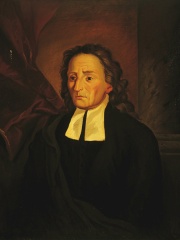
Giambattista Vico
1668 - 1744
HPI: 76.67
排名: 136
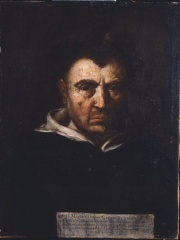
Tommaso Campanella
1568 - 1639
HPI: 76.67
排名: 137
Philo
15 BC - 45
HPI: 76.66
排名: 138
Charles Fourier
1772 - 1837
HPI: 76.65
排名: 139
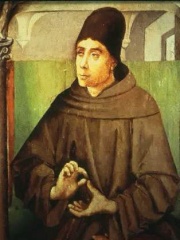
Duns Scotus
1265 - 1308
HPI: 76.64
排名: 140
Baron d'Holbach
1723 - 1789
HPI: 76.63
排名: 141
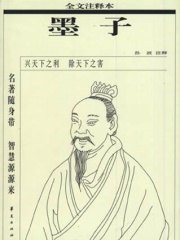
Mozi
470 BC - 391 BC
HPI: 76.56
排名: 142

Kanada
200 BC - 160 BC
HPI: 76.49
排名: 143
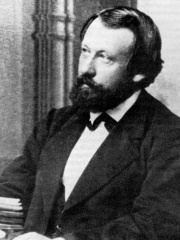
Wilhelm Dilthey
1833 - 1911
HPI: 76.39
排名: 144
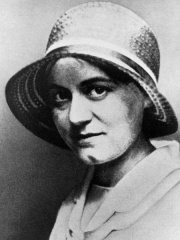
Edith Stein
1891 - 1942
HPI: 76.33
排名: 145
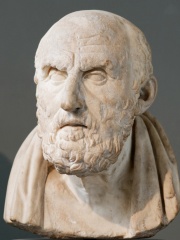
Chrysippus
281 BC - 208 BC
HPI: 76.28
排名: 146

同时代人物
在1265年出生的人中,邓斯·司各脱排名第3位。 排在他之前的有:Dante Alighieri, 和Temür Khan. 排在他之后的有:Beatrice Portinari, Andrew III of Hungary, Alfonso III of Aragon, Henry of Bohemia, Emperor Fushimi, Ramon Muntaner, Otto III, Duke of Carinthia, Lucia, Countess of Tripoli, 和María de Molina. 在1308年去世的人中,邓斯·司各脱排名第2位。 排在他之前的有:Albert I of Germany. 排在他之后的有:Mesud II, Emperor Go-Nijō, Chungnyeol of Goryeo, George I of Bulgaria, Otto IV, Margrave of Brandenburg-Stendal, Clare of Montefalco, Henry I, Landgrave of Hesse, Herman, Margrave of Brandenburg-Salzwedel, Hayton of Corycus, 和Margaret of Burgundy, Queen of Sicily.
其他1265年出生的人
查看全部排名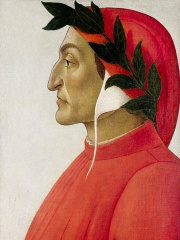
Dante Alighieri
WRITER
1265 - 1321
HPI: 92.13
排名: 1
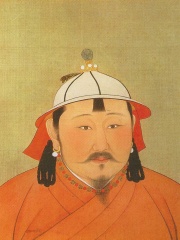
Temür Khan
POLITICIAN
1265 - 1307
HPI: 79.82
排名: 2
Duns Scotus
PHILOSOPHER
1265 - 1308
HPI: 76.64
排名: 3
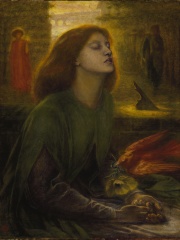
Beatrice Portinari
RELIGIOUS FIGURE
1265 - 1290
HPI: 72.27
排名: 4
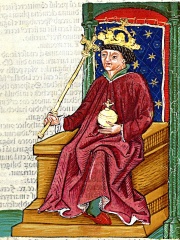
Andrew III of Hungary
POLITICIAN
1265 - 1301
HPI: 70.66
排名: 5
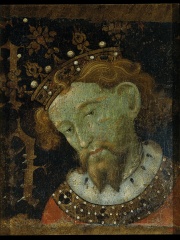
Alfonso III of Aragon
POLITICIAN
1265 - 1291
HPI: 69.87
排名: 6
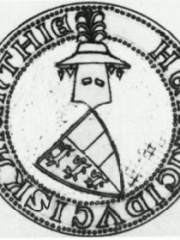
Henry of Bohemia
POLITICIAN
1265 - 1335
HPI: 69.82
排名: 7

Emperor Fushimi
POLITICIAN
1265 - 1317
HPI: 66.24
排名: 8
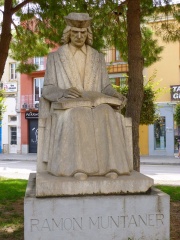
Ramon Muntaner
POLITICIAN
1265 - 1336
HPI: 65.03
排名: 9

Otto III, Duke of Carinthia
POLITICIAN
1265 - 1310
HPI: 62.76
排名: 10

Lucia, Countess of Tripoli
POLITICIAN
1265 - 1299
HPI: 62.17
排名: 11
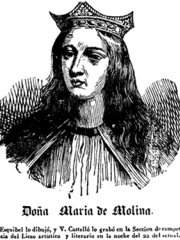
María de Molina
POLITICIAN
1265 - 1321
HPI: 62.11
排名: 12
其他1308年去世的人
查看全部排名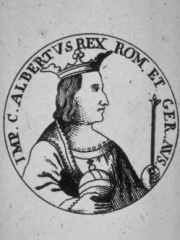
Albert I of Germany
NOBLEMAN
1255 - 1308
HPI: 76.79
排名: 1
Duns Scotus
PHILOSOPHER
1265 - 1308
HPI: 76.64
排名: 2

Mesud II
RELIGIOUS FIGURE
1300 - 1308
HPI: 67.29
排名: 3

Emperor Go-Nijō
POLITICIAN
1285 - 1308
HPI: 66.80
排名: 4

Chungnyeol of Goryeo
POLITICIAN
1236 - 1308
HPI: 65.46
排名: 5
George I of Bulgaria
POLITICIAN
1300 - 1308
HPI: 63.22
排名: 6
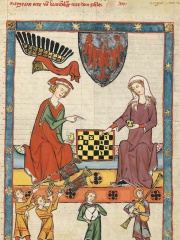
Otto IV, Margrave of Brandenburg-Stendal
WRITER
1238 - 1308
HPI: 63.13
排名: 7
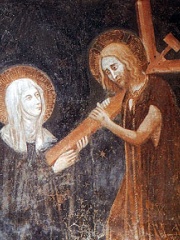
Clare of Montefalco
RELIGIOUS FIGURE
1268 - 1308
HPI: 62.27
排名: 8
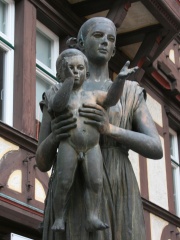
Henry I, Landgrave of Hesse
POLITICIAN
1244 - 1308
HPI: 62.26
排名: 9
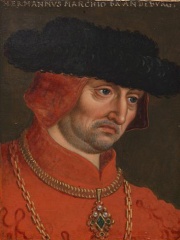
Herman, Margrave of Brandenburg-Salzwedel
POLITICIAN
1275 - 1308
HPI: 61.15
排名: 10
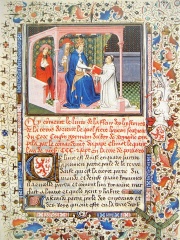
Hayton of Corycus
RELIGIOUS FIGURE
1235 - 1308
HPI: 60.02
排名: 11
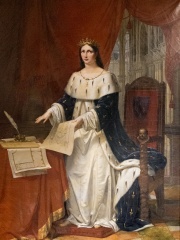
Margaret of Burgundy, Queen of Sicily
POLITICIAN
1250 - 1308
HPI: 59.73
排名: 12
在英国
在出生于英国的人中,邓斯·司各脱排名第239位(共NaN人)。 排在他之前的有:John Wycliffe (1324), Brian May (1947), Sting (1951), Robert Owen (1771), Clementine Churchill (1885), 和Stuart Sutcliffe (1940). 排在他之后的有:J. K. Rowling (1965), James Mason (1909), Bobby Charlton (1937), Boudica (33), Mary Wollstonecraft (1759), 和Cyril Norman Hinshelwood (1897).
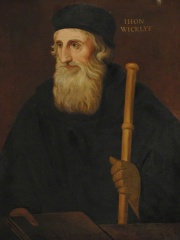
John Wycliffe
PHILOSOPHER
1324 - 1384
HPI: 76.81
排名: 233

Brian May
MUSICIAN
1947 - 至今
HPI: 76.75
排名: 234

Sting
MUSICIAN
1951 - 至今
HPI: 76.75
排名: 235
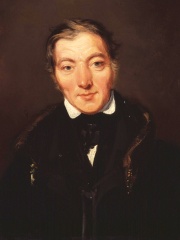
Robert Owen
SOCIAL ACTIVIST
1771 - 1858
HPI: 76.71
排名: 236
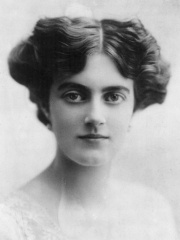
Clementine Churchill
POLITICIAN
1885 - 1977
HPI: 76.67
排名: 237

Stuart Sutcliffe
MUSICIAN
1940 - 1962
HPI: 76.65
排名: 238
Duns Scotus
PHILOSOPHER
1265 - 1308
HPI: 76.64
排名: 239
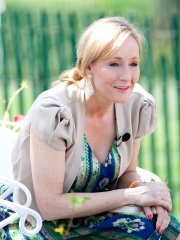
J. K. Rowling
WRITER
1965 - 至今
HPI: 76.63
排名: 240
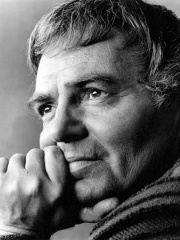
James Mason
ACTOR
1909 - 1984
HPI: 76.60
排名: 241

Bobby Charlton
SOCCER PLAYER
1937 - 2023
HPI: 76.54
排名: 242
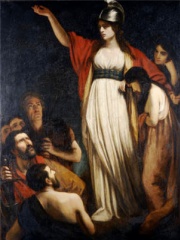
Boudica
POLITICIAN
33 - 61
HPI: 76.52
排名: 243
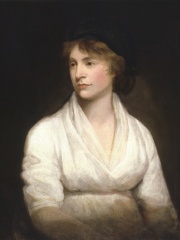
Mary Wollstonecraft
WRITER
1759 - 1797
HPI: 76.52
排名: 244
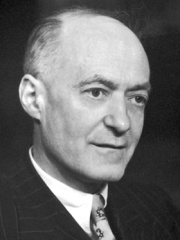
Cyril Norman Hinshelwood
CHEMIST
1897 - 1967
HPI: 76.52
排名: 245
在英国的哲学家中
在出生于英国的哲学家中,邓斯·司各脱排名第12位。 排在他之前的有:Herbert Spencer (1820), Roger Bacon (1220), Jeremy Bentham (1748), William of Ockham (1285), Joseph Priestley (1733), 和John Wycliffe (1324). 排在他之后的有:John Venn (1834), Thomas Reid (1710), Pelagius (360), Thomas Carlyle (1795), William Godwin (1756), 和Houston Stewart Chamberlain (1855).
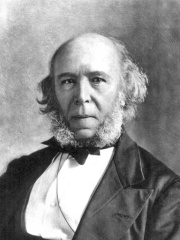
Herbert Spencer
1820 - 1903
HPI: 80.25
排名: 6
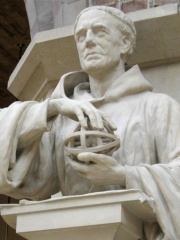
Roger Bacon
1220 - 1292
HPI: 78.55
排名: 7
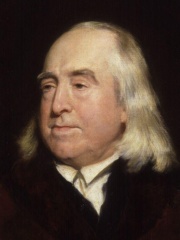
Jeremy Bentham
1748 - 1832
HPI: 78.36
排名: 8
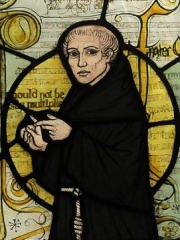
William of Ockham
1285 - 1347
HPI: 77.99
排名: 9
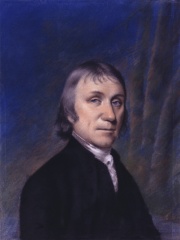
Joseph Priestley
1733 - 1804
HPI: 76.90
排名: 10
John Wycliffe
1324 - 1384
HPI: 76.81
排名: 11
Duns Scotus
1265 - 1308
HPI: 76.64
排名: 12
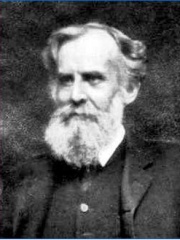
John Venn
1834 - 1923
HPI: 75.89
排名: 13
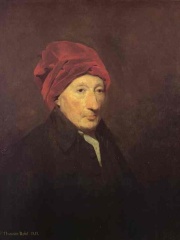
Thomas Reid
1710 - 1796
HPI: 75.18
排名: 14
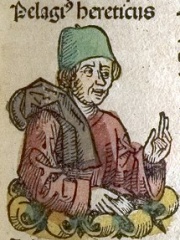
Pelagius
360 - 420
HPI: 72.38
排名: 15
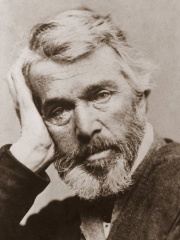
Thomas Carlyle
1795 - 1881
HPI: 71.05
排名: 16
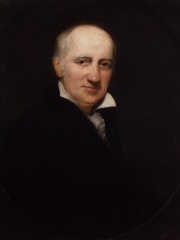
William Godwin
1756 - 1836
HPI: 70.80
排名: 17
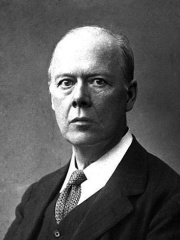
Houston Stewart Chamberlain
1855 - 1927
HPI: 70.73
排名: 18




