Figura religiosa
Servatius of Tongeren
400 - 384
VISUALIZAÇÕES EM PT.WIKIPEDIA (PV)
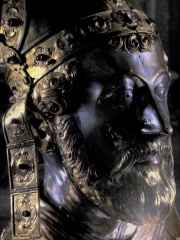
 Servatius of Tongeren
Sua biografia está disponível em 25 idiomas na Wikipédia (aumento em relação a 24 em 2024). Servatius of Tongeren é o 843º figura religiosa mais popular (subiu do 997º em 2024), a 12ª biografia mais popular da Armênia (subiu do 17ª em 2019) e o 2º figura religiosa mais popular da Armênia.
Métricas de memorabilidade
40k
Visualizações
Últimos 12 meses
68.63
HPI
Índice de Popularidade Histórica
Visualizações da página de Servatius of Tongeren por idioma
Entre Figura religiosa
Entre Figura religiosa, Servatius of Tongeren ocupa a posição 843 de 3,187. Antes dele vêm Saint Cajetan, Muhammad ibn al-Hanafiyyah, Mammes of Caesarea, 6th Dalai Lama, John Nelson Darby, e John of Rila. Depois dele vêm Martin de Porres, Antipope Ursicinus, Sadhu Sundar Singh, Antipope Boniface VII, Stanisław Dziwisz, e Maron.
Figura religiosa mais populares na Wikipédia
Ver todas as classificações
Saint Cajetan
1480 - 1547
HPI: 68.72
Posição: 837

Muhammad ibn al-Hanafiyyah
637 - 700
HPI: 68.69
Posição: 838
Mammes of Caesarea
259 - 275
HPI: 68.67
Posição: 839
6th Dalai Lama
1683 - 1706
HPI: 68.66
Posição: 840
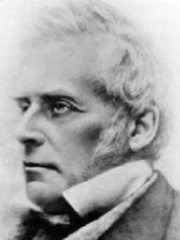
John Nelson Darby
1800 - 1882
HPI: 68.64
Posição: 841
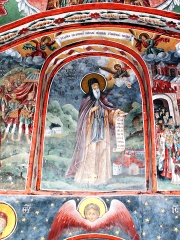
John of Rila
876 - 946
HPI: 68.63
Posição: 842
Servatius of Tongeren
400 - 384
HPI: 68.63
Posição: 843
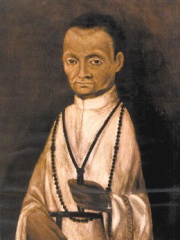
Martin de Porres
1579 - 1639
HPI: 68.63
Posição: 844

Antipope Ursicinus
400 - 384
HPI: 68.63
Posição: 845
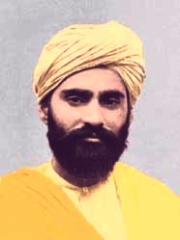
Sadhu Sundar Singh
1889 - 1929
HPI: 68.61
Posição: 846
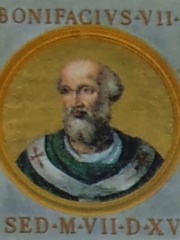
Antipope Boniface VII
1000 - 985
HPI: 68.60
Posição: 847
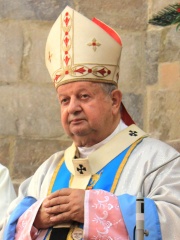
Stanisław Dziwisz
1939 - presente
HPI: 68.60
Posição: 848
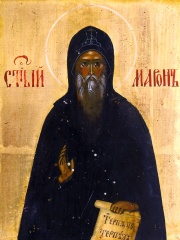
Maron
301 - 410
HPI: 68.60
Posição: 849

Contemporâneos
Entre as pessoas nascidas em 400, Servatius of Tongeren ocupa a posição 20. Antes dele vêm Aspar, Victor, Constans II, Eutropius, Fritigern, e Marcomer. Depois dele vêm Antipope Ursicinus, Joannes, Shapur III, Uldin, Frumentius, e Radagaisus. Entre as pessoas falecidas em 384, Servatius of Tongeren ocupa a posição 2. Antes dele vem Pope Damasus I. Depois dele vêm Antipope Ursicinus, Pope Timothy I of Alexandria, e Sosurim of Goguryeo.
Outras pessoas nascidas em 400
Ver todas as classificações
Aspar
POLITICIAN
400 - 471
HPI: 69.67
Posição: 14
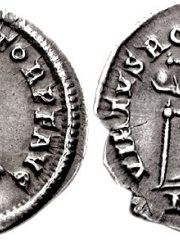
Victor
POLITICIAN
400 - 388
HPI: 69.51
Posição: 15
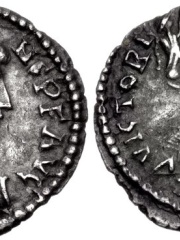
Constans II
POLITICIAN
400 - 411
HPI: 69.44
Posição: 16
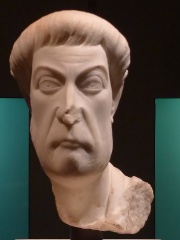
Eutropius
POLITICIAN
400 - 399
HPI: 68.95
Posição: 17

Fritigern
POLITICIAN
400 - 380
HPI: 68.74
Posição: 18
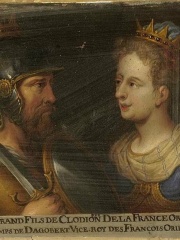
Marcomer
POLITICIAN
400 - 392
HPI: 68.67
Posição: 19
Servatius of Tongeren
RELIGIOUS FIGURE
400 - 384
HPI: 68.63
Posição: 20
Antipope Ursicinus
RELIGIOUS FIGURE
400 - 384
HPI: 68.63
Posição: 21
Joannes
POLITICIAN
400 - 425
HPI: 68.54
Posição: 22
Shapur III
POLITICIAN
400 - 388
HPI: 67.92
Posição: 23

Uldin
POLITICIAN
400 - 412
HPI: 67.69
Posição: 24
Frumentius
RELIGIOUS FIGURE
400 - 383
HPI: 66.97
Posição: 25
Radagaisus
POLITICIAN
400 - 406
HPI: 66.82
Posição: 26
Outras pessoas falecidas em 384
Ver todas as classificações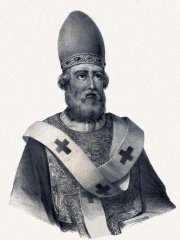
Pope Damasus I
RELIGIOUS FIGURE
305 - 384
HPI: 79.31
Posição: 1
Servatius of Tongeren
RELIGIOUS FIGURE
400 - 384
HPI: 68.63
Posição: 2
Antipope Ursicinus
RELIGIOUS FIGURE
400 - 384
HPI: 68.63
Posição: 3

Pope Timothy I of Alexandria
RELIGIOUS FIGURE
350 - 384
HPI: 62.88
Posição: 4
Sosurim of Goguryeo
POLITICIAN
350 - 384
HPI: 62.73
Posição: 5
Em Armênia
Entre as pessoas nascidas em Armênia, Servatius of Tongeren ocupa a posição 12 de NaN. Antes dele vêm Artem Mikoyan (1905), Shirkuh (1100), Tiridates III of Armenia (255), Hayk (410), Vologases V (130), e Najm ad-Din Ayyub (1100). Depois dele vêm Vahagn Khachaturyan (1959), Khachatur Abovian (1805), Ashot I of Armenia (820), Armen Sarkissian (1953), Sebeos (700), e Anania Shirakatsi (610).
Outras pessoas nascidas em Armênia
Ver todas as classificações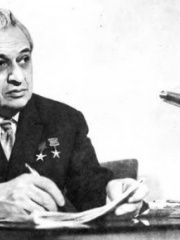
Artem Mikoyan
ENGINEER
1905 - 1970
HPI: 71.39
Posição: 6
Shirkuh
POLITICIAN
1100 - 1169
HPI: 70.09
Posição: 7
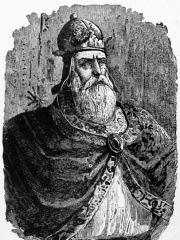
Tiridates III of Armenia
POLITICIAN
255 - 330
HPI: 69.76
Posição: 8
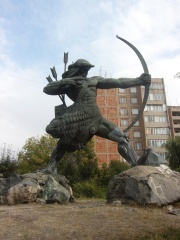
Hayk
POLITICIAN
410 - 490
HPI: 69.55
Posição: 9
Vologases V
POLITICIAN
130 - 208
HPI: 68.96
Posição: 10
Najm ad-Din Ayyub
POLITICIAN
1100 - 1173
HPI: 68.66
Posição: 11
Servatius of Tongeren
RELIGIOUS FIGURE
400 - 384
HPI: 68.63
Posição: 12
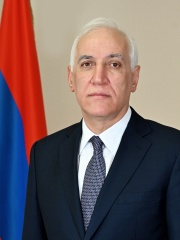
Vahagn Khachaturyan
POLITICIAN
1959 - presente
HPI: 68.10
Posição: 13
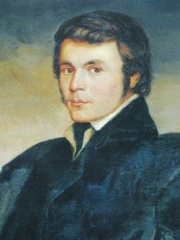
Khachatur Abovian
WRITER
1805 - 1848
HPI: 68.09
Posição: 14
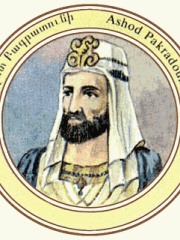
Ashot I of Armenia
POLITICIAN
820 - 890
HPI: 67.01
Posição: 15
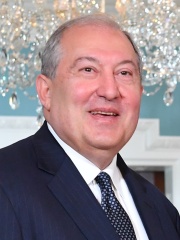
Armen Sarkissian
PHYSICIST
1953 - presente
HPI: 66.63
Posição: 16

Sebeos
RELIGIOUS FIGURE
700 - 700
HPI: 66.22
Posição: 17
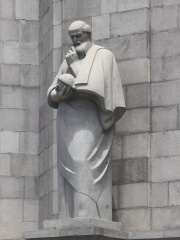
Anania Shirakatsi
PHILOSOPHER
610 - 685
HPI: 66.17
Posição: 18
Entre Figura religiosa em Armênia
Entre Figura religiosa nascidos em Armênia, Servatius of Tongeren ocupa a posição 2. Antes dele vem Gregory the Illuminator (257). Depois dele vêm Sebeos (700), Karekin II (1951), e Eznik of Kolb (380).
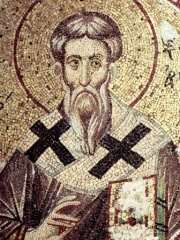
Gregory the Illuminator
257 - 331
HPI: 75.23
Posição: 1
Servatius of Tongeren
400 - 384
HPI: 68.63
Posição: 2
Sebeos
700 - 700
HPI: 66.22
Posição: 3
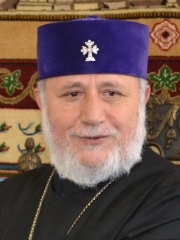
Karekin II
1951 - presente
HPI: 65.99
Posição: 4
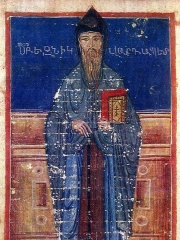
Eznik of Kolb
380 - 450
HPI: 59.74
Posição: 5




