شخصية دينية
Geminianus
312 - 397
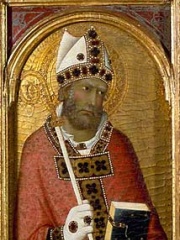
 Geminianus
سيرته الذاتية متاحة بـ17 لغة مختلفة على ويكيبيديا. يحتل Geminianus المرتبة 1,834 بين أكثر شخصية دينية شعبيةً (تراجعًا من 1,760 في 2024)، والمرتبة 2,414 بين أكثر السير الذاتية شعبيةً في إيطاليا (تقدمًا من 2,536 في 2019)، كما يحتل المرتبة 431 بين أكثر شخصية دينية من إيطاليا شعبيةً.
Memorability Metrics
25k
Page Views
Past 12 months
61.62
HPI
Historical Popularity Index
Page views of Geminianus by language
Among شخصية دينية
Among شخصية دينية, Geminianus ranks 1,834 out of 3,187. Before him are Luigi Poggi, Agnes of Assisi, Louis Antoine de Noailles, Varkey Vithayathil, Agobard, and John Francis Regis. After him are Kevin of Glendalough, Kaundinya, Albinus of Angers, Nicolás de Jesús López Rodríguez, Danilo I, Metropolitan of Cetinje, and Bernard de Montfaucon.
Most Popular شخصية دينية in Wikipedia
Go to all Rankings
Luigi Poggi
1917 - 2010
HPI: 61.65
Rank: 1,828
Agnes of Assisi
1197 - 1253
HPI: 61.65
Rank: 1,829
Louis Antoine de Noailles
1651 - 1729
HPI: 61.65
Rank: 1,830
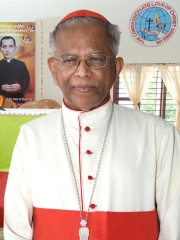
Varkey Vithayathil
1927 - 2011
HPI: 61.64
Rank: 1,831

Agobard
769 - 840
HPI: 61.64
Rank: 1,832
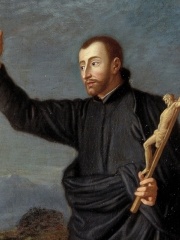
John Francis Regis
1597 - 1640
HPI: 61.62
Rank: 1,833
Geminianus
312 - 397
HPI: 61.62
Rank: 1,834
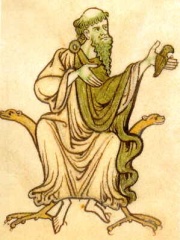
Kevin of Glendalough
498 - 618
HPI: 61.62
Rank: 1,835
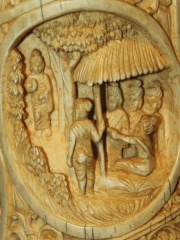
Kaundinya
HPI: 61.62
Rank: 1,836
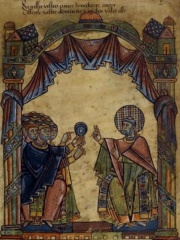
Albinus of Angers
470 - 550
HPI: 61.61
Rank: 1,837
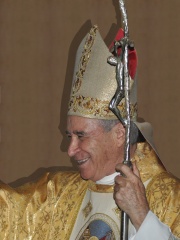
Nicolás de Jesús López Rodríguez
1936 - Present
HPI: 61.60
Rank: 1,838
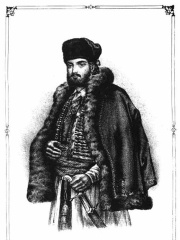
Danilo I, Metropolitan of Cetinje
1670 - 1735
HPI: 61.58
Rank: 1,839
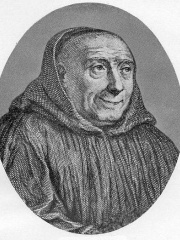
Bernard de Montfaucon
1655 - 1741
HPI: 61.57
Rank: 1,840

Contemporaries
Among people born in 312, Geminianus ranks 1. Among people deceased in 397, Geminianus ranks 4. Before him are Martin of Tours, Ambrose, and Nectarius of Constantinople. After him is Optatus.
Others Born in 312
Go to all RankingsOthers Deceased in 397
Go to all Rankings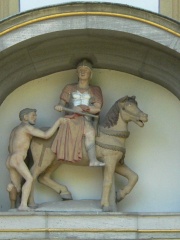
Martin of Tours
RELIGIOUS FIGURE
316 - 397
HPI: 81.41
Rank: 1
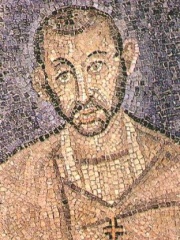
Ambrose
RELIGIOUS FIGURE
340 - 397
HPI: 81.26
Rank: 2
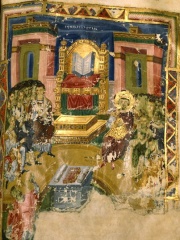
Nectarius of Constantinople
RELIGIOUS FIGURE
HPI: 64.98
Rank: 3
Geminianus
RELIGIOUS FIGURE
312 - 397
HPI: 61.62
Rank: 4
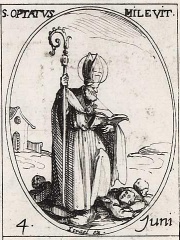
Optatus
RELIGIOUS FIGURE
400 - 397
HPI: 59.42
Rank: 5
In إيطاليا
Among people born in إيطاليا, Geminianus ranks 2,414 out of NaN. Before him are Mariano Rumor (1915), Sibilla Aleramo (1876), Francesco Pesellino (1422), Umberto Lenzi (1931), Prospero Fontana (1512), and Luigi Ganna (1883). After him are Lazare Ponticelli (1897), Anne Marie Martinozzi (1637), Luca Cambiaso (1527), Publius Decius Mus (-400), Giovanni Pascoli (1855), and Andrea Falconieri (1580).
Others born in إيطاليا
Go to all Rankings
Mariano Rumor
POLITICIAN
1915 - 1990
HPI: 61.64
Rank: 2,408
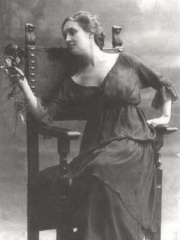
Sibilla Aleramo
WRITER
1876 - 1960
HPI: 61.64
Rank: 2,409

Francesco Pesellino
PAINTER
1422 - 1457
HPI: 61.64
Rank: 2,410
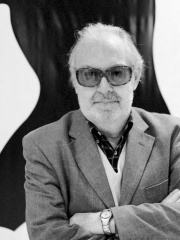
Umberto Lenzi
FILM DIRECTOR
1931 - 2017
HPI: 61.63
Rank: 2,411

Prospero Fontana
PAINTER
1512 - 1597
HPI: 61.62
Rank: 2,412
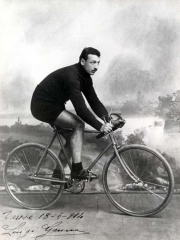
Luigi Ganna
CYCLIST
1883 - 1957
HPI: 61.62
Rank: 2,413
Geminianus
RELIGIOUS FIGURE
312 - 397
HPI: 61.62
Rank: 2,414

Lazare Ponticelli
BUSINESSPERSON
1897 - 2008
HPI: 61.61
Rank: 2,415
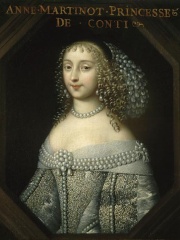
Anne Marie Martinozzi
NOBLEMAN
1637 - 1672
HPI: 61.61
Rank: 2,416

Luca Cambiaso
PAINTER
1527 - 1585
HPI: 61.60
Rank: 2,417
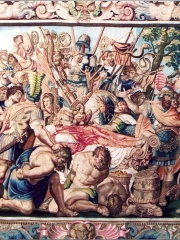
Publius Decius Mus
POLITICIAN
400 BC - 295 BC
HPI: 61.60
Rank: 2,418
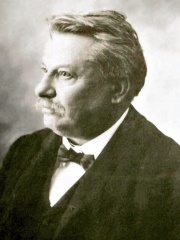
Giovanni Pascoli
WRITER
1855 - 1912
HPI: 61.60
Rank: 2,419

Andrea Falconieri
COMPOSER
1580 - 1656
HPI: 61.59
Rank: 2,420
Among شخصية دينية In إيطاليا
Among شخصية دينية born in إيطاليا, Geminianus ranks 431. Before him are Antonio Barberini (1607), Giovanni Morone (1509), Antonio Maria Vegliò (1938), Emerentiana (250), Marco Cé (1925), and Luigi Poggi (1917). After him are Federico Lombardi (1942), Andrew Avellino (1521), Gregorio Barbarigo (1625), Joseph the Hymnographer (816), Pietro Aldobrandini (1571), and Domenico Calcagno (1943).

Antonio Barberini
1607 - 1671
HPI: 61.91
Rank: 425
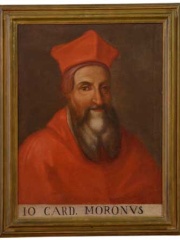
Giovanni Morone
1509 - 1580
HPI: 61.80
Rank: 426

Antonio Maria Vegliò
1938 - Present
HPI: 61.77
Rank: 427
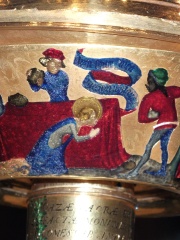
Emerentiana
250 - 304
HPI: 61.70
Rank: 428
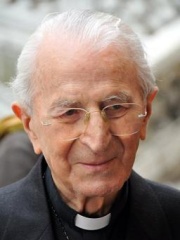
Marco Cé
1925 - 2014
HPI: 61.69
Rank: 429
Luigi Poggi
1917 - 2010
HPI: 61.65
Rank: 430
Geminianus
312 - 397
HPI: 61.62
Rank: 431
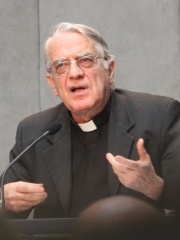
Federico Lombardi
1942 - Present
HPI: 61.52
Rank: 432
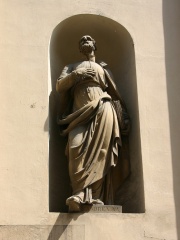
Andrew Avellino
1521 - 1608
HPI: 61.52
Rank: 433
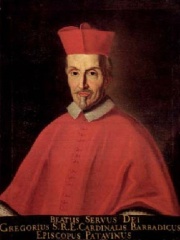
Gregorio Barbarigo
1625 - 1697
HPI: 61.44
Rank: 434
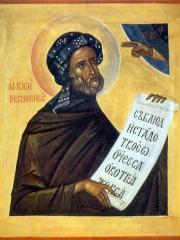
Joseph the Hymnographer
816 - 886
HPI: 61.44
Rank: 435
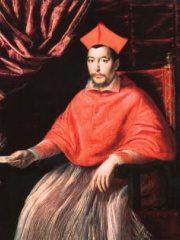
Pietro Aldobrandini
1571 - 1621
HPI: 61.43
Rank: 436
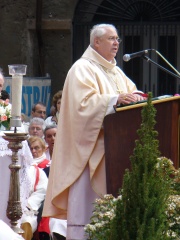
Domenico Calcagno
1943 - Present
HPI: 61.36
Rank: 437




