Figura religiosa
Antipope Ursicinus
400 - 384
ES.WIKIPEDIA PAGE VIEWS (PV)

 Antipope Ursicinus
Su biografía está disponible en 35 idiomas en Wikipedia (aumentó de 33 en 2024). Antipope Ursicinus ocupa el puesto 845 entre los figura religiosa más populares (bajó del puesto 826 en 2024), el puesto 1101 entre las biografías más populares de Italia (subió del puesto 1154 en 2019) y el puesto 285 entre los figura religiosa de italia más populares.
Memorability Metrics
14k
Page Views
Past 12 months
68.63
HPI
Historical Popularity Index
Page views of Antipope Ursicinus by language
Among Figura religiosas
Among figura religiosas, Antipope Ursicinus ranks 845 out of 3,187. Before him are Mammes of Caesarea, 6th Dalai Lama, John Nelson Darby, John of Rila, Servatius of Tongeren, and Martin de Porres. After him are Sadhu Sundar Singh, Antipope Boniface VII, Stanisław Dziwisz, Maron, Guru Arjan, and Anna Göldi.
Most Popular Figura Religiosas in Wikipedia
Go to all Rankings
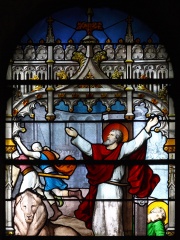
Mammes of Caesarea
259 - 275
HPI: 68.67
Rank: 839

6th Dalai Lama
1683 - 1706
HPI: 68.66
Rank: 840
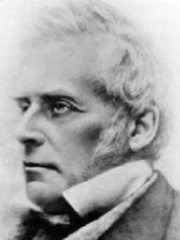
John Nelson Darby
1800 - 1882
HPI: 68.64
Rank: 841
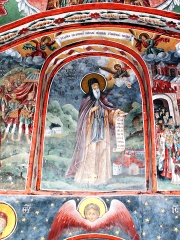
John of Rila
876 - 946
HPI: 68.63
Rank: 842
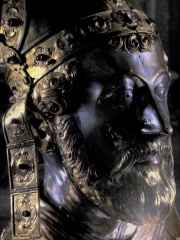
Servatius of Tongeren
400 - 384
HPI: 68.63
Rank: 843
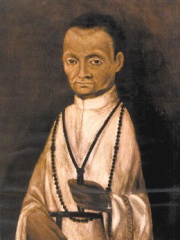
Martin de Porres
1579 - 1639
HPI: 68.63
Rank: 844
Antipope Ursicinus
400 - 384
HPI: 68.63
Rank: 845
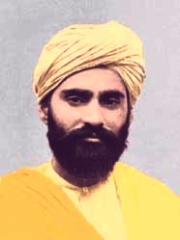
Sadhu Sundar Singh
1889 - 1929
HPI: 68.61
Rank: 846
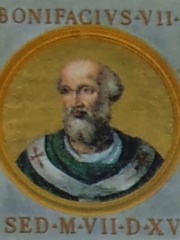
Antipope Boniface VII
1000 - 985
HPI: 68.60
Rank: 847
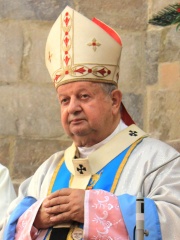
Stanisław Dziwisz
1939 - Present
HPI: 68.60
Rank: 848
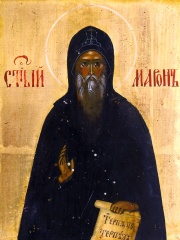
Maron
301 - 410
HPI: 68.60
Rank: 849
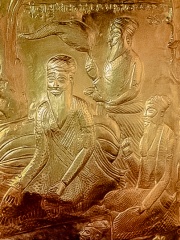
Guru Arjan
1563 - 1606
HPI: 68.56
Rank: 850
Anna Göldi
1734 - 1782
HPI: 68.54
Rank: 851

Contemporaries
Among people born in 400, Antipope Ursicinus ranks 21. Before him are Victor, Constans II, Eutropius, Fritigern, Marcomer, and Servatius of Tongeren. After him are Joannes, Shapur III, Uldin, Frumentius, Radagaisus, and Sozomen. Among people deceased in 384, Antipope Ursicinus ranks 3. Before him are Pope Damasus I, and Servatius of Tongeren. After him are Pope Timothy I of Alexandria, and Sosurim of Goguryeo.
Others Born in 400
Go to all Rankings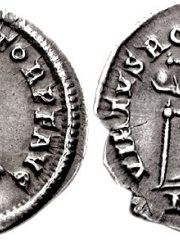
Victor
POLITICIAN
400 - 388
HPI: 69.51
Rank: 15
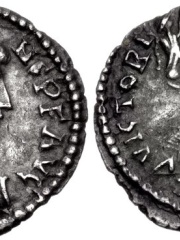
Constans II
POLITICIAN
400 - 411
HPI: 69.44
Rank: 16
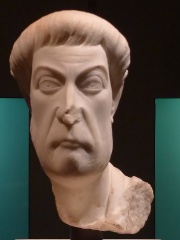
Eutropius
POLITICIAN
400 - 399
HPI: 68.95
Rank: 17

Fritigern
POLITICIAN
400 - 380
HPI: 68.74
Rank: 18
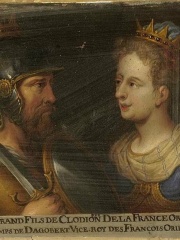
Marcomer
POLITICIAN
400 - 392
HPI: 68.67
Rank: 19
Servatius of Tongeren
RELIGIOUS FIGURE
400 - 384
HPI: 68.63
Rank: 20
Antipope Ursicinus
RELIGIOUS FIGURE
400 - 384
HPI: 68.63
Rank: 21
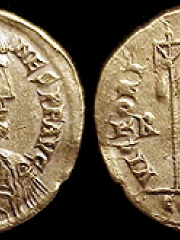
Joannes
POLITICIAN
400 - 425
HPI: 68.54
Rank: 22
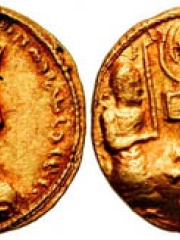
Shapur III
POLITICIAN
400 - 388
HPI: 67.92
Rank: 23

Uldin
POLITICIAN
400 - 412
HPI: 67.69
Rank: 24
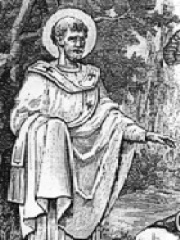
Frumentius
RELIGIOUS FIGURE
400 - 383
HPI: 66.97
Rank: 25
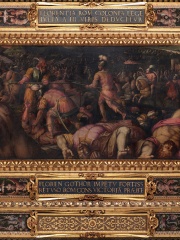
Radagaisus
POLITICIAN
400 - 406
HPI: 66.82
Rank: 26

Sozomen
HISTORIAN
400 - 450
HPI: 66.76
Rank: 27
Others Deceased in 384
Go to all Rankings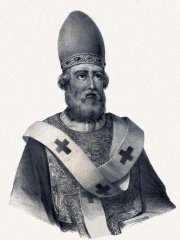
Pope Damasus I
RELIGIOUS FIGURE
305 - 384
HPI: 79.31
Rank: 1
Servatius of Tongeren
RELIGIOUS FIGURE
400 - 384
HPI: 68.63
Rank: 2
Antipope Ursicinus
RELIGIOUS FIGURE
400 - 384
HPI: 68.63
Rank: 3

Pope Timothy I of Alexandria
RELIGIOUS FIGURE
350 - 384
HPI: 62.88
Rank: 4
Sosurim of Goguryeo
POLITICIAN
350 - 384
HPI: 62.73
Rank: 5
In Italia
Among people born in Italia, Antipope Ursicinus ranks 1,101 out of NaN. Before him are Luigi Einaudi (1874), Bernardino Luini (1475), Marcomer (400), Vito Volterra (1860), Gaspare Spontini (1774), and Bettino Craxi (1934). After him are Pompeius Strabo (-135), Oscar Luigi Scalfaro (1918), Giovanni Battista Riccioli (1598), Antipope Boniface VII (1000), Alessandro Allori (1535), and Beatrice of Naples (1457).
Others born in Italia
Go to all Rankings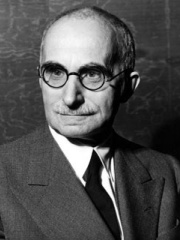
Luigi Einaudi
POLITICIAN
1874 - 1961
HPI: 68.70
Rank: 1,095
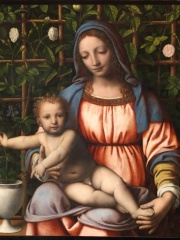
Bernardino Luini
PAINTER
1475 - 1532
HPI: 68.69
Rank: 1,096
Marcomer
POLITICIAN
400 - 392
HPI: 68.67
Rank: 1,097
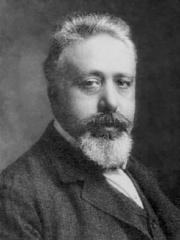
Vito Volterra
MATHEMATICIAN
1860 - 1940
HPI: 68.65
Rank: 1,098
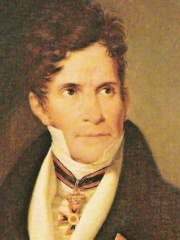
Gaspare Spontini
COMPOSER
1774 - 1851
HPI: 68.65
Rank: 1,099
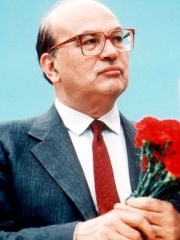
Bettino Craxi
POLITICIAN
1934 - 2000
HPI: 68.65
Rank: 1,100
Antipope Ursicinus
RELIGIOUS FIGURE
400 - 384
HPI: 68.63
Rank: 1,101
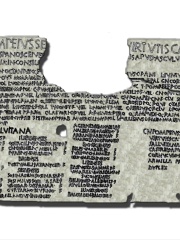
Pompeius Strabo
POLITICIAN
135 BC - 87 BC
HPI: 68.63
Rank: 1,102
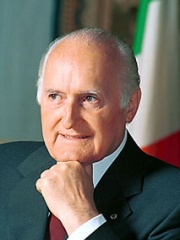
Oscar Luigi Scalfaro
POLITICIAN
1918 - 2012
HPI: 68.62
Rank: 1,103
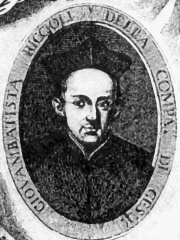
Giovanni Battista Riccioli
ASTRONOMER
1598 - 1671
HPI: 68.60
Rank: 1,104
Antipope Boniface VII
RELIGIOUS FIGURE
1000 - 985
HPI: 68.60
Rank: 1,105
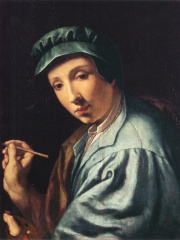
Alessandro Allori
PAINTER
1535 - 1607
HPI: 68.60
Rank: 1,106
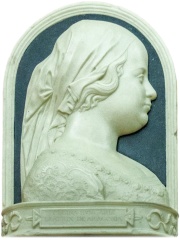
Beatrice of Naples
POLITICIAN
1457 - 1508
HPI: 68.57
Rank: 1,107
Among Figura religiosas In Italia
Among figura religiosas born in Italia, Antipope Ursicinus ranks 285. Before him are Romuald (951), Justus (600), Giuseppe Caspar Mezzofanti (1774), Scipione Borghese (1577), Maria Cristina of Savoy (1812), and Saint Cajetan (1480). After him are Antipope Boniface VII (1000), Pier Giorgio Frassati (1901), Melania the Younger (383), Renato Martino (1932), Frances Xavier Cabrini (1850), and Peter of Verona (1206).
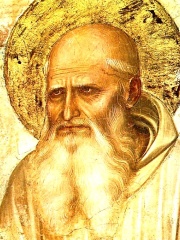
Romuald
951 - 1027
HPI: 68.86
Rank: 279
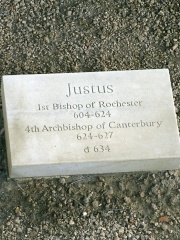
Justus
600 - 631
HPI: 68.85
Rank: 280
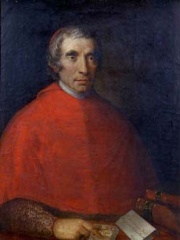
Giuseppe Caspar Mezzofanti
1774 - 1849
HPI: 68.84
Rank: 281
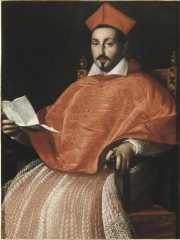
Scipione Borghese
1577 - 1633
HPI: 68.74
Rank: 282
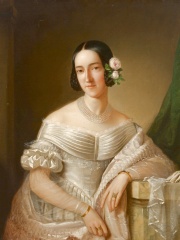
Maria Cristina of Savoy
1812 - 1836
HPI: 68.73
Rank: 283
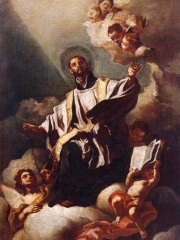
Saint Cajetan
1480 - 1547
HPI: 68.72
Rank: 284
Antipope Ursicinus
400 - 384
HPI: 68.63
Rank: 285
Antipope Boniface VII
1000 - 985
HPI: 68.60
Rank: 286
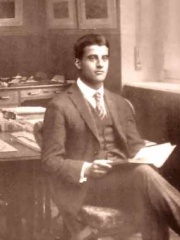
Pier Giorgio Frassati
1901 - 1925
HPI: 68.52
Rank: 287
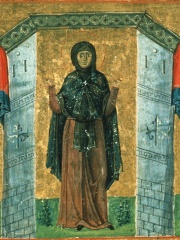
Melania the Younger
383 - 439
HPI: 68.46
Rank: 288
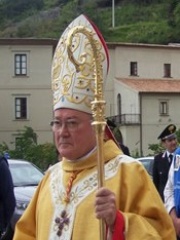
Renato Martino
1932 - 2024
HPI: 68.41
Rank: 289
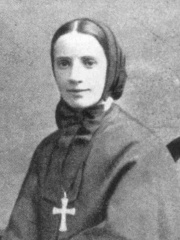
Frances Xavier Cabrini
1850 - 1917
HPI: 68.23
Rank: 290
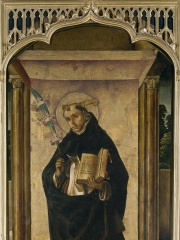
Peter of Verona
1206 - 1252
HPI: 68.16
Rank: 291




