فيلسوف
Dicaearchus
350 BC - 290 BC

 Dicaearchus
سيرته الذاتية متاحة بـ28 لغة مختلفة على ويكيبيديا (زيادة من 27 في 2024). يحتل Dicaearchus المرتبة 486 بين أكثر فيلسوف شعبيةً (تقدمًا من 501 في 2024)، والمرتبة 1,384 بين أكثر السير الذاتية شعبيةً في إيطاليا (تقدمًا من 1,443 في 2019)، كما يحتل المرتبة 36 بين أكثر فيلسوف من إيطاليا شعبيةً.
مقاييس الشهرة
24k
مشاهدات الصفحة
آخر 12 شهرًا
66.73
HPI
مؤشر الشعبية التاريخية
رؤى من البيانات
#14,963
بعد أكثر من 23 قرون على الوفاة، لا يزال Dicaearchus في المرتبة 14,963 بين جميع الشخصيات في بانثيون.
مشاهدات صفحة Dicaearchus حسب اللغة
من بين فيلسوف
من بين فيلسوف، يحتل Dicaearchus المرتبة 486 من أصل 1,267. قبله يأتي Giovanni Girolamo Saccheri, Michel de Certeau, Ernest Gellner, Leo Strauss, Pierre Duhem, وRonald Dworkin. بعده يأتي John Gray, Zengzi, Ernst Troeltsch, Yi I, Zhang Daoling, وPriscian.
أشهر فيلسوف على ويكيبيديا
عرض جميع التصنيفات

Giovanni Girolamo Saccheri
1667 - 1733
HPI: 66.77
المرتبة: 480

Michel de Certeau
1925 - 1986
HPI: 66.75
المرتبة: 481
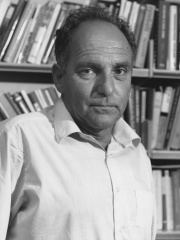
Ernest Gellner
1925 - 1995
HPI: 66.75
المرتبة: 482
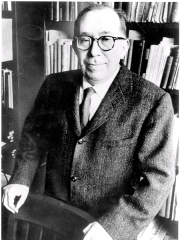
Leo Strauss
1899 - 1973
HPI: 66.74
المرتبة: 483
Pierre Duhem
1861 - 1916
HPI: 66.74
المرتبة: 484

Ronald Dworkin
1931 - 2013
HPI: 66.73
المرتبة: 485
Dicaearchus
350 BC - 290 BC
HPI: 66.73
المرتبة: 486

John Gray
1948 - حتى الآن
HPI: 66.69
المرتبة: 487

Zengzi
504 BC - 435 BC
HPI: 66.68
المرتبة: 488
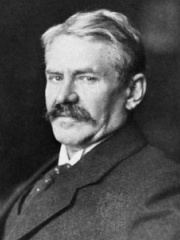
Ernst Troeltsch
1865 - 1923
HPI: 66.67
المرتبة: 489

Yi I
1536 - 1584
HPI: 66.67
المرتبة: 490

Zhang Daoling
34 - 156
HPI: 66.64
المرتبة: 491
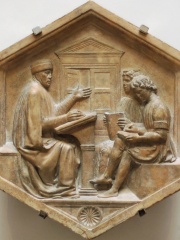
Priscian
500 - 600
HPI: 66.63
المرتبة: 492

معاصرون
من بين المولودين في عام 350 BC، يحتل Dicaearchus المرتبة 9. قبله يأتي Demetrius of Phalerum, Hipparchia of Maroneia, Megasthenes, Perdiccas III of Macedon, Timaeus, وParysatis II. بعده يأتي Alexander II of Macedon, Bagoas, Agis III, Archidamus III, Archestratus, وArtakama. من بين المتوفين في عام 290 BC، يحتل Dicaearchus المرتبة 3. قبله يأتي Autolycus of Pitane, وMegasthenes. بعده يأتي Onesicritus, وNeoptolemus II of Epirus.
آخرون وُلدوا في عام 350 BC
عرض جميع التصنيفات
Demetrius of Phalerum
PUBLIC WORKER
350 BC - 282 BC
HPI: 72.94
المرتبة: 3

Hipparchia of Maroneia
PHILOSOPHER
350 BC - 300 BC
HPI: 70.13
المرتبة: 4

Megasthenes
DIPLOMAT
350 BC - 290 BC
HPI: 67.85
المرتبة: 5
Perdiccas III of Macedon
POLITICIAN
350 BC - 359 BC
HPI: 67.70
المرتبة: 6
Timaeus
HISTORIAN
350 BC - 260 BC
HPI: 67.68
المرتبة: 7
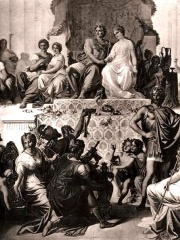
Parysatis II
COMPANION
350 BC - 323 BC
HPI: 67.33
المرتبة: 8
Dicaearchus
PHILOSOPHER
350 BC - 290 BC
HPI: 66.73
المرتبة: 9
Alexander II of Macedon
POLITICIAN
350 BC - 368 BC
HPI: 66.57
المرتبة: 10

Bagoas
POLITICIAN
350 BC - 336 BC
HPI: 66.37
المرتبة: 11

Agis III
POLITICIAN
350 BC - 331 BC
HPI: 65.51
المرتبة: 12
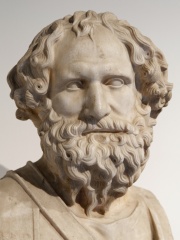
Archidamus III
POLITICIAN
350 BC - 338 BC
HPI: 63.71
المرتبة: 13

Archestratus
WRITER
350 BC - 330 BC
HPI: 63.51
المرتبة: 14

Artakama
COMPANION
350 BC - 400 BC
HPI: 63.45
المرتبة: 15
آخرون توفوا في عام 290 BC
عرض جميع التصنيفات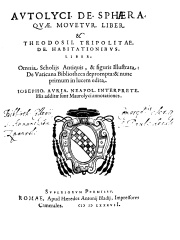
Autolycus of Pitane
MATHEMATICIAN
360 BC - 290 BC
HPI: 68.73
المرتبة: 1
Megasthenes
DIPLOMAT
350 BC - 290 BC
HPI: 67.85
المرتبة: 2
Dicaearchus
PHILOSOPHER
350 BC - 290 BC
HPI: 66.73
المرتبة: 3
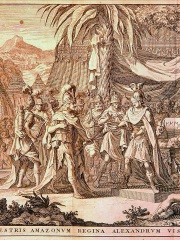
Onesicritus
PHILOSOPHER
360 BC - 290 BC
HPI: 63.05
المرتبة: 4

Neoptolemus II of Epirus
MILITARY PERSONNEL
331 BC - 290 BC
HPI: 58.72
المرتبة: 5
في إيطاليا
من بين المولودين في إيطاليا، يحتل Dicaearchus المرتبة 1,384 من أصل 5,161. قبله يأتي Anna d'Este (1531), Marcantonio Raimondi (1480), Mathilde Bonaparte (1820), Mirella Freni (1935), Julia (-190), وAndrea Cesalpino (1519). بعده يأتي Carlo Maria Viganò (1941), Liliana Cavani (1933), Cristofano Allori (1577), Felice Beato (1832), Andrea della Robbia (1435), وJacopo de' Barbari (1460).
آخرون وُلدوا في إيطاليا
عرض جميع التصنيفات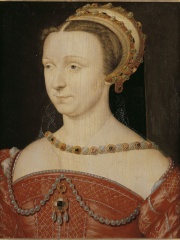
Anna d'Este
NOBLEMAN
1531 - 1607
HPI: 66.75
المرتبة: 1,378
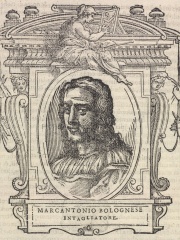
Marcantonio Raimondi
PAINTER
1480 - 1534
HPI: 66.75
المرتبة: 1,379
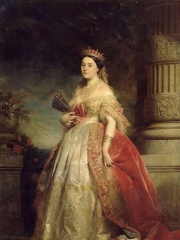
Mathilde Bonaparte
NOBLEMAN
1820 - 1904
HPI: 66.74
المرتبة: 1,380

Mirella Freni
SINGER
1935 - 2020
HPI: 66.74
المرتبة: 1,381
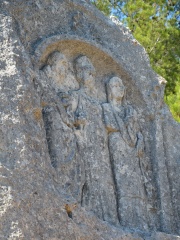
Julia
POLITICIAN
190 BC - 69 BC
HPI: 66.74
المرتبة: 1,382
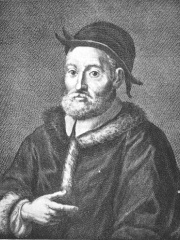
Andrea Cesalpino
PHYSICIAN
1519 - 1603
HPI: 66.74
المرتبة: 1,383
Dicaearchus
PHILOSOPHER
350 BC - 290 BC
HPI: 66.73
المرتبة: 1,384

Carlo Maria Viganò
RELIGIOUS FIGURE
1941 - حتى الآن
HPI: 66.73
المرتبة: 1,385

Liliana Cavani
FILM DIRECTOR
1933 - حتى الآن
HPI: 66.71
المرتبة: 1,386
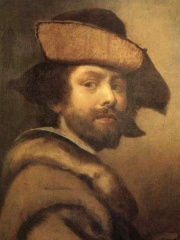
Cristofano Allori
PAINTER
1577 - 1621
HPI: 66.70
المرتبة: 1,387
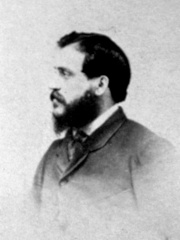
Felice Beato
PHOTOGRAPHER
1832 - 1909
HPI: 66.69
المرتبة: 1,388
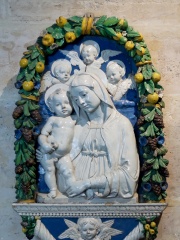
Andrea della Robbia
SCULPTOR
1435 - 1525
HPI: 66.69
المرتبة: 1,389
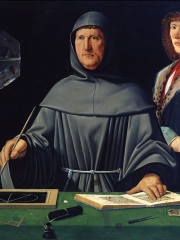
Jacopo de' Barbari
PAINTER
1460 - 1516
HPI: 66.69
المرتبة: 1,390
من بين فيلسوف في إيطاليا
من بين فيلسوف المولودين في إيطاليا، يحتل Dicaearchus المرتبة 36. قبله يأتي Bartolus de Saxoferrato (1313), Thomas Cajetan (1469), Lucilio Vanini (1585), Brunetto Latini (1220), Gaius Musonius Rufus (25), وGiovanni Girolamo Saccheri (1667). بعده يأتي Norberto Bobbio (1909), Vittorino da Feltre (1378), Giles of Rome (1243), Gianni Vattimo (1936), Myia (-600), وCesare Ripa (1555).
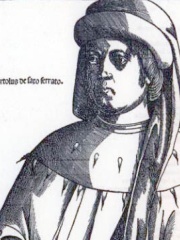
Bartolus de Saxoferrato
1313 - 1357
HPI: 68.37
المرتبة: 30

Thomas Cajetan
1469 - 1534
HPI: 67.47
المرتبة: 31
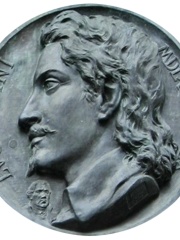
Lucilio Vanini
1585 - 1619
HPI: 67.26
المرتبة: 32
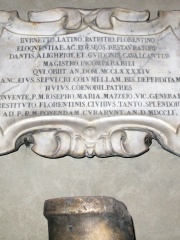
Brunetto Latini
1220 - 1294
HPI: 67.07
المرتبة: 33

Gaius Musonius Rufus
25 - 95
HPI: 66.81
المرتبة: 34
Giovanni Girolamo Saccheri
1667 - 1733
HPI: 66.77
المرتبة: 35
Dicaearchus
350 BC - 290 BC
HPI: 66.73
المرتبة: 36

Norberto Bobbio
1909 - 2004
HPI: 66.46
المرتبة: 37

Vittorino da Feltre
1378 - 1446
HPI: 65.89
المرتبة: 38
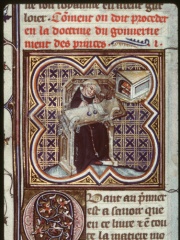
Giles of Rome
1243 - 1316
HPI: 65.84
المرتبة: 39

Gianni Vattimo
1936 - 2023
HPI: 65.61
المرتبة: 40

Myia
600 BC - 560 BC
HPI: 65.59
المرتبة: 41
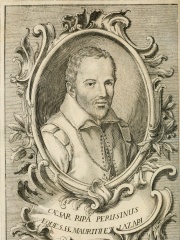
Cesare Ripa
1555 - 1622
HPI: 65.33
المرتبة: 42




