Figura religiosa
Bashar ibn Burd
714 - 783

 Bashar ibn Burd
Sua biografia está disponível em 20 idiomas na Wikipédia. Bashar ibn Burd é o 1989º figura religiosa mais popular (caiu do 1308º em 2024), a 244ª biografia mais popular do Iraque (caiu do 197ª em 2019) e o 31º figura religiosa mais popular do Iraque.
Métricas de memorabilidade
48k
Visualizações
Últimos 12 meses
60.83
HPI
Índice de Popularidade Histórica
Visualizações da página de Bashar ibn Burd por idioma
Entre Figura religiosa
Entre Figura religiosa, Bashar ibn Burd ocupa a posição 1,989 de 3,187. Antes dele vêm Georges Cottier, Seyyed Hossein Borujerdi, Senhime, Maximus I of Constantinople, Maxim of Bulgaria, e Joseph Clemens of Bavaria. Depois dele vêm Juliana Falconieri, Saint Domnius, Abdurreshid Ibrahim, Aloísio Lorscheider, Turibius of Mogrovejo, e Mang of Xia.
Figura religiosa mais populares na Wikipédia
Ver todas as classificações
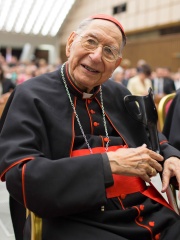
Georges Cottier
1922 - 2016
HPI: 60.84
Posição: 1,983
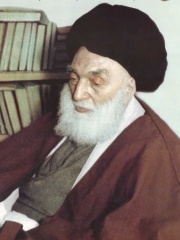
Seyyed Hossein Borujerdi
1875 - 1961
HPI: 60.84
Posição: 1,984

Senhime
1597 - 1666
HPI: 60.84
Posição: 1,985

Maximus I of Constantinople
350 - presente
HPI: 60.84
Posição: 1,986

Maxim of Bulgaria
1914 - 2012
HPI: 60.84
Posição: 1,987
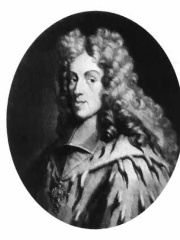
Joseph Clemens of Bavaria
1671 - 1723
HPI: 60.84
Posição: 1,988
Bashar ibn Burd
714 - 783
HPI: 60.83
Posição: 1,989
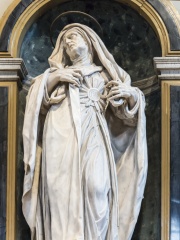
Juliana Falconieri
1270 - 1341
HPI: 60.81
Posição: 1,990
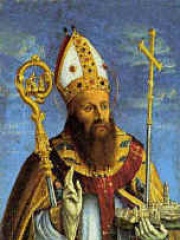
Saint Domnius
300 - 304
HPI: 60.81
Posição: 1,991
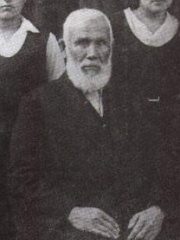
Abdurreshid Ibrahim
1857 - 1944
HPI: 60.81
Posição: 1,992
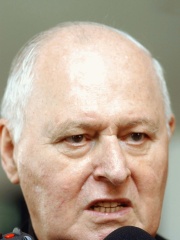
Aloísio Lorscheider
1924 - 2007
HPI: 60.80
Posição: 1,993
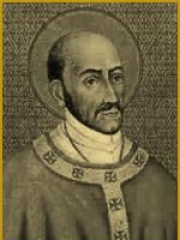
Turibius of Mogrovejo
1538 - 1606
HPI: 60.80
Posição: 1,994

Mang of Xia
HPI: 60.79
Posição: 1,995

Contemporâneos
Entre as pessoas nascidas em 714, Bashar ibn Burd ocupa a posição 3. Antes dele vêm Childeric III, e Al-Mansur. Entre as pessoas falecidas em 783, Bashar ibn Burd ocupa a posição 6. Antes dele vêm Hildegard of the Vinzgau, Bertrada of Laon, Al-Muqanna, Silo of Asturias, e Han Gan.
Outras pessoas nascidas em 714
Ver todas as classificações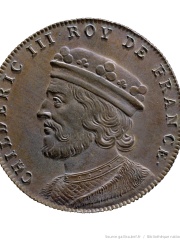
Childeric III
POLITICIAN
714 - 754
HPI: 75.49
Posição: 1
Al-Mansur
RELIGIOUS FIGURE
714 - 775
HPI: 74.78
Posição: 2
Bashar ibn Burd
RELIGIOUS FIGURE
714 - 783
HPI: 60.83
Posição: 3
Outras pessoas falecidas em 783
Ver todas as classificações
Hildegard of the Vinzgau
COMPANION
758 - 783
HPI: 71.32
Posição: 1
Bertrada of Laon
NOBLEMAN
720 - 783
HPI: 69.58
Posição: 2

Al-Muqanna
POLITICIAN
800 - 783
HPI: 68.07
Posição: 3
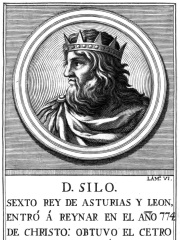
Silo of Asturias
POLITICIAN
720 - 783
HPI: 65.37
Posição: 4

Han Gan
PAINTER
706 - 783
HPI: 63.87
Posição: 5
Bashar ibn Burd
RELIGIOUS FIGURE
714 - 783
HPI: 60.83
Posição: 6
Em Iraque
Entre as pessoas nascidas em Iraque, Bashar ibn Burd ocupa a posição 244 de NaN. Antes dele vêm Naziha al-Dulaimi (1923), Abd al-Rahman al-Bazzaz (1913), Ashur-dan I (-1300), Al-Samawal al-Maghribi (1130), Yaʿqūb ibn Ṭāriq (800), e Abu Mansur al-Baghdadi (980). Depois dele vêm Mohammed Shia' Al Sudani (1970), Erishum I (-2000), Hormuzd Rassam (1826), Ninurta-apal-Ekur (-1300), Mutakkil-Nusku (-1200), e Al-Mundhir III ibn al-Nu'man (500).
Outras pessoas nascidas em Iraque
Ver todas as classificações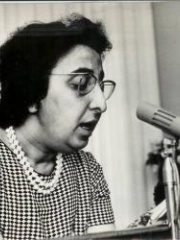
Naziha al-Dulaimi
SOCIAL ACTIVIST
1923 - 2007
HPI: 61.23
Posição: 238
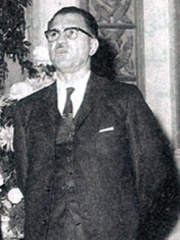
Abd al-Rahman al-Bazzaz
POLITICIAN
1913 - 1973
HPI: 61.21
Posição: 239

Ashur-dan I
POLITICIAN
1300 BC - 1200 BC
HPI: 61.10
Posição: 240
Al-Samawal al-Maghribi
MATHEMATICIAN
1130 - 1180
HPI: 60.90
Posição: 241

Yaʿqūb ibn Ṭāriq
MATHEMATICIAN
800 - presente
HPI: 60.88
Posição: 242

Abu Mansur al-Baghdadi
MATHEMATICIAN
980 - 1037
HPI: 60.86
Posição: 243
Bashar ibn Burd
RELIGIOUS FIGURE
714 - 783
HPI: 60.83
Posição: 244
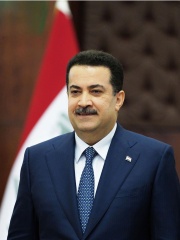
Mohammed Shia' Al Sudani
POLITICIAN
1970 - presente
HPI: 60.79
Posição: 245
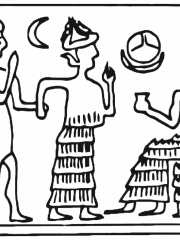
Erishum I
POLITICIAN
2000 BC - 1900 BC
HPI: 60.61
Posição: 246
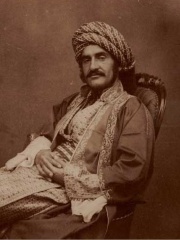
Hormuzd Rassam
ARCHAEOLOGIST
1826 - 1910
HPI: 60.57
Posição: 247

Ninurta-apal-Ekur
POLITICIAN
1300 BC - 1200 BC
HPI: 60.57
Posição: 248

Mutakkil-Nusku
POLITICIAN
1200 BC - 1200 BC
HPI: 60.54
Posição: 249
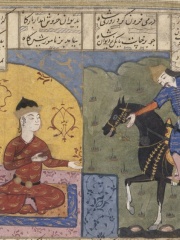
Al-Mundhir III ibn al-Nu'man
POLITICIAN
500 - 554
HPI: 60.52
Posição: 250
Entre Figura religiosa em Iraque
Entre Figura religiosa nascidos em Iraque, Bashar ibn Burd ocupa a posição 31. Antes dele vêm Muhammad Baqir al-Sadr (1935), An Shigao (101), Emmanuel III Delly (1927), Lipit-Ishtar (-1890), Nahor, son of Terah (null), e Al-Baqillani (950). Depois dele vêm Yahya ibn Ma'in (775), Muhammad al-Sadr (1943), Ignatius Gabriel I Tappouni (1879), Yitzhak Kaduri (1898), Ma'mar ibn al-Muthanna (728), e Abu al-Hasan al-Hashimi al-Qurashi (1980).
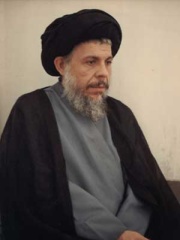
Muhammad Baqir al-Sadr
1935 - 1980
HPI: 62.91
Posição: 25

An Shigao
101 - 168
HPI: 62.57
Posição: 26
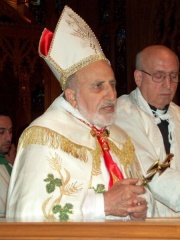
Emmanuel III Delly
1927 - 2014
HPI: 61.74
Posição: 27
Lipit-Ishtar
1890 BC - presente
HPI: 61.55
Posição: 28
Nahor, son of Terah
HPI: 61.46
Posição: 29
Al-Baqillani
950 - 1013
HPI: 61.28
Posição: 30
Bashar ibn Burd
714 - 783
HPI: 60.83
Posição: 31

Yahya ibn Ma'in
775 - 847
HPI: 59.74
Posição: 32
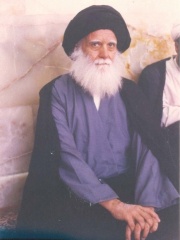
Muhammad al-Sadr
1943 - 1999
HPI: 59.29
Posição: 33

Ignatius Gabriel I Tappouni
1879 - 1968
HPI: 57.76
Posição: 34
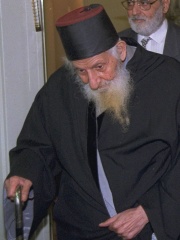
Yitzhak Kaduri
1898 - 2006
HPI: 57.42
Posição: 35

Ma'mar ibn al-Muthanna
728 - 825
HPI: 56.30
Posição: 36

Abu al-Hasan al-Hashimi al-Qurashi
1980 - 2022
HPI: 56.17
Posição: 37




