政治家
Al-Muqanna
800 - 783
ZH.WIKIPEDIA 页面浏览量 (PV)
 Al-Muqanna
知名度指标
38k
页面浏览量
过去12个月
68.07
HPI
历史知名度指数
数据洞察
21
Al-Muqanna的传记涵盖 21 个维基百科语言版本,历史知名度指数为 68.07。
Al-Muqanna的各语言页面浏览量
在政治家中
在政治家中,Al-Muqanna排名第3,924位(共20,022人)。 排在他之前的有:Mykhailo Hrushevsky, Rudolf Kirchschläger, Shukri al-Quwatli, Neferefre, Prince Frederick of Hesse-Kassel, 和Gina Haspel. 排在他之后的有:Ali of Hejaz, Phraates IV, Charles G. Dawes, Pribina, Oswald Pohl, 和Magnus II of Sweden.
维基百科上最受欢迎的政治家
查看全部排名
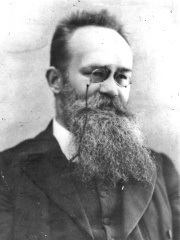
Mykhailo Hrushevsky
1866 - 1934
HPI: 68.07
排名: 3,920
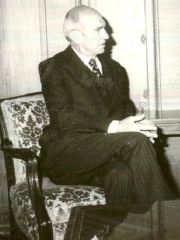
Rudolf Kirchschläger
1915 - 2000
HPI: 68.07
排名: 3,921
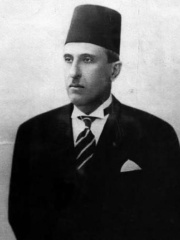
Shukri al-Quwatli
1891 - 1967
HPI: 68.07
排名: 3,922
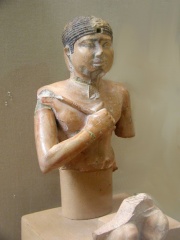
Neferefre
2500 BC - 2458 BC
HPI: 68.07
排名: 3,923
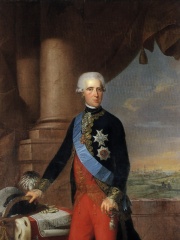
Prince Frederick of Hesse-Kassel
1747 - 1837
HPI: 68.07
排名: 3,924

Gina Haspel
1956 - 至今
HPI: 68.07
排名: 3,925

Al-Muqanna
800 - 783
HPI: 68.07
排名: 3,926
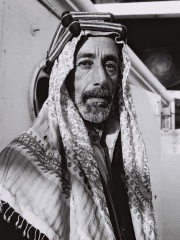
Ali of Hejaz
1879 - 1935
HPI: 68.07
排名: 3,927
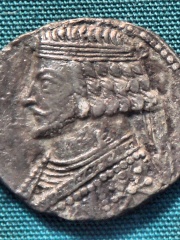
Phraates IV
90 BC - 2 BC
HPI: 68.06
排名: 3,928
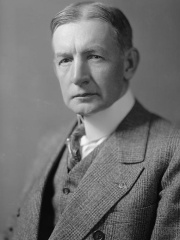
Charles G. Dawes
1865 - 1951
HPI: 68.06
排名: 3,929
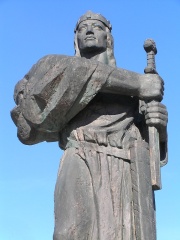
Pribina
800 - 860
HPI: 68.06
排名: 3,930
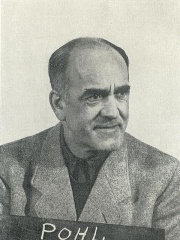
Oswald Pohl
1892 - 1951
HPI: 68.06
排名: 3,931
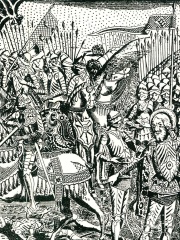
Magnus II of Sweden
1130 - 1161
HPI: 68.06
排名: 3,932

同时代人物
在800年出生的人中,Al-Muqanna排名第13位。 排在他之前的有:Fatima al-Fihri, Offa of Mercia, Sigurd Ring, Piast the Wheelwright, Antipope Philip, 和Ælla of Northumbria. 排在他之后的有:Pribina, Thomas the Slav, Beorhtric of Wessex, Jayavarman II, George Syncellus, 和Omurtag of Bulgaria. 在783年去世的人中,Al-Muqanna排名第3位。 排在他之前的有:Hildegard of the Vinzgau, 和Bertrada of Laon. 排在他之后的有:Silo of Asturias, Han Gan, 和Bashar ibn Burd.
其他800年出生的人
查看全部排名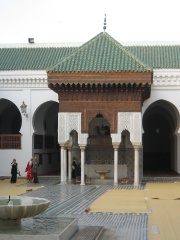
Fatima al-Fihri
RELIGIOUS FIGURE
800 - 880
HPI: 74.98
排名: 7
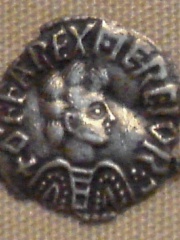
Offa of Mercia
POLITICIAN
800 - 796
HPI: 72.13
排名: 8
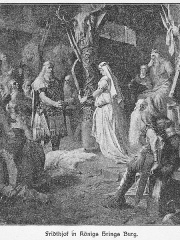
Sigurd Ring
POLITICIAN
800 - 至今
HPI: 70.56
排名: 9
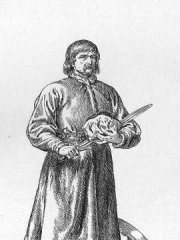
Piast the Wheelwright
POLITICIAN
800 - 870
HPI: 69.11
排名: 10

Antipope Philip
RELIGIOUS FIGURE
800 - 769
HPI: 68.93
排名: 11
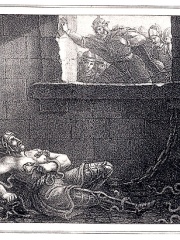
Ælla of Northumbria
POLITICIAN
800 - 867
HPI: 68.57
排名: 12
Al-Muqanna
POLITICIAN
800 - 783
HPI: 68.07
排名: 13
Pribina
POLITICIAN
800 - 860
HPI: 68.06
排名: 14
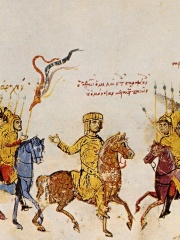
Thomas the Slav
MILITARY PERSONNEL
800 - 823
HPI: 68.00
排名: 15
Beorhtric of Wessex
POLITICIAN
800 - 802
HPI: 67.54
排名: 16

Jayavarman II
POLITICIAN
800 - 835
HPI: 66.93
排名: 17

George Syncellus
RELIGIOUS FIGURE
800 - 810
HPI: 66.35
排名: 18
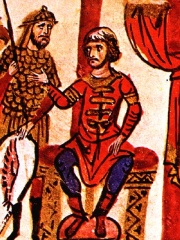
Omurtag of Bulgaria
POLITICIAN
800 - 831
HPI: 66.27
排名: 19
其他783年去世的人
查看全部排名
Hildegard of the Vinzgau
COMPANION
758 - 783
HPI: 71.32
排名: 1
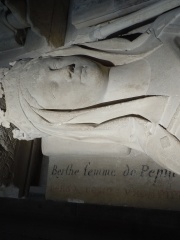
Bertrada of Laon
NOBLEMAN
720 - 783
HPI: 69.58
排名: 2
Al-Muqanna
POLITICIAN
800 - 783
HPI: 68.07
排名: 3
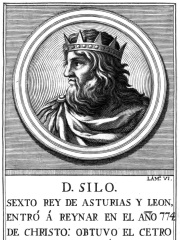
Silo of Asturias
POLITICIAN
720 - 783
HPI: 65.37
排名: 4

Han Gan
PAINTER
706 - 783
HPI: 63.87
排名: 5

Bashar ibn Burd
RELIGIOUS FIGURE
714 - 783
HPI: 60.83
排名: 6
在土库曼斯坦
在出生于土库曼斯坦的人中,Al-Muqanna排名第11位(共56人)。 排在他之前的有:Gurbanguly Berdimuhamedow (1957), Al-Nasa'i (829), Ibn Khordadbeh (820), Abu al-Ghazi Bahadur (1603), Chaghri Beg (989), 和Al-Zamakhshari (1075). 排在他之后的有:Yelena Bonner (1923), Abd Allah ibn al-Mubarak (736), Jaʻfar ibn Yahya (767), Sufyan al-Thawri (716), Mithridates II of Parthia (-150), 和Al-Shahrastani (1086).
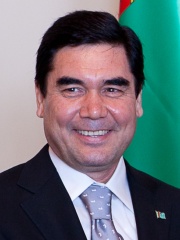
Gurbanguly Berdimuhamedow
POLITICIAN
1957 - 至今
HPI: 72.98
排名: 5

Al-Nasa'i
RELIGIOUS FIGURE
829 - 915
HPI: 70.98
排名: 6

Ibn Khordadbeh
GEOGRAPHER
820 - 912
HPI: 70.08
排名: 7
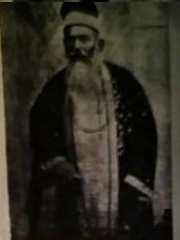
Abu al-Ghazi Bahadur
WRITER
1603 - 1664
HPI: 70.02
排名: 8
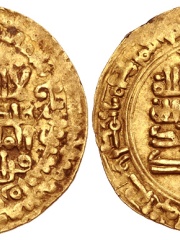
Chaghri Beg
POLITICIAN
989 - 1060
HPI: 69.15
排名: 9
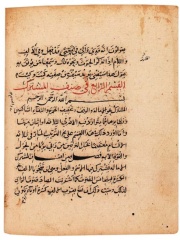
Al-Zamakhshari
WRITER
1075 - 1144
HPI: 69.04
排名: 10
Al-Muqanna
POLITICIAN
800 - 783
HPI: 68.07
排名: 11
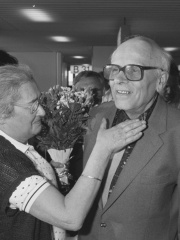
Yelena Bonner
SOCIAL ACTIVIST
1923 - 2011
HPI: 67.93
排名: 12

Abd Allah ibn al-Mubarak
RELIGIOUS FIGURE
736 - 797
HPI: 67.74
排名: 13

Jaʻfar ibn Yahya
POLITICIAN
767 - 803
HPI: 66.77
排名: 14

Sufyan al-Thawri
RELIGIOUS FIGURE
716 - 778
HPI: 66.12
排名: 15
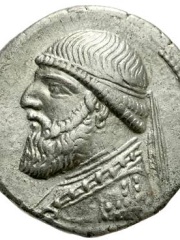
Mithridates II of Parthia
POLITICIAN
150 BC - 88 BC
HPI: 65.34
排名: 16

Al-Shahrastani
PHILOSOPHER
1086 - 1153
HPI: 65.13
排名: 17
在土库曼斯坦的政治家中
在出生于土库曼斯坦的政治家中,Al-Muqanna排名第5位。 排在他之前的有:Saparmurat Niyazov (1940), Jalal ad-Din Mingburnu (1199), Gurbanguly Berdimuhamedow (1957), 和Chaghri Beg (989). 排在他之后的有:Jaʻfar ibn Yahya (767), Mithridates II of Parthia (-150), Safdar Jang (1708), Andronikos I of Trebizond (1101), Serdar Berdimuhamedow (1981), Yahya ibn Khalid (701), 和Dmitri Shepilov (1905).
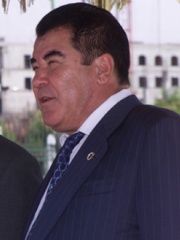
Saparmurat Niyazov
1940 - 2006
HPI: 82.01
排名: 1
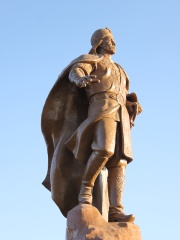
Jalal ad-Din Mingburnu
1199 - 1231
HPI: 75.98
排名: 2
Gurbanguly Berdimuhamedow
1957 - 至今
HPI: 72.98
排名: 3
Chaghri Beg
989 - 1060
HPI: 69.15
排名: 4
Al-Muqanna
800 - 783
HPI: 68.07
排名: 5
Jaʻfar ibn Yahya
767 - 803
HPI: 66.77
排名: 6
Mithridates II of Parthia
150 BC - 88 BC
HPI: 65.34
排名: 7
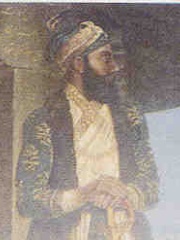
Safdar Jang
1708 - 1754
HPI: 63.61
排名: 8
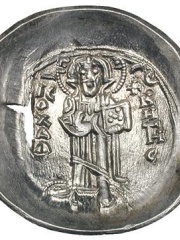
Andronikos I of Trebizond
1101 - 1235
HPI: 63.40
排名: 9
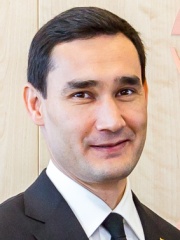
Serdar Berdimuhamedow
1981 - 至今
HPI: 63.30
排名: 10
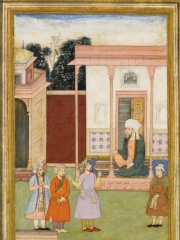
Yahya ibn Khalid
701 - 806
HPI: 62.85
排名: 11
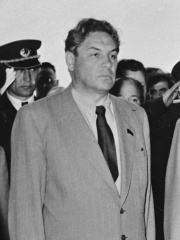
Dmitri Shepilov
1905 - 1995
HPI: 61.57
排名: 12




