Religiöse Persönlichkeit
Willibrord
658 - 739
DE.WIKIPEDIA-SEITENAUFRUFE (PV)
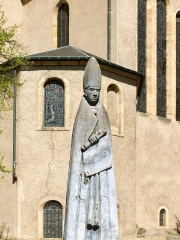
 Willibrord
Seine Biografie ist in 33 verschiedenen Sprachen auf Wikipedia verfügbar (gestiegen von 32 im Jahr 2024). Willibrord ist der 778th beliebteste Religiöse Persönlichkeit (gesunken vom 742nd im Jahr 2024), die 762nd beliebteste Biografie aus Vereinigtes Königreich (gesunken vom 630th im Jahr 2019) und der 14th beliebteste aus Vereinigtes Königreich Religiöse Persönlichkeit.
Bekanntheitsmetriken
75k
Seitenaufrufe
Letzte 12 Monate
69.54
HPI
Historischer Popularitätsindex
Daten-Einblicke
#762 / 9,870
Willibrord belegt Platz 762 unter den 9,870 in Vereinigtes Königreich geborenen Persönlichkeiten in Pantheon und gehört zu den besten 8 % dieser Gruppe.
Seitenaufrufe von Willibrord nach Sprache
Unter Religiöse Persönlichkeit
Unter Religiöse Persönlichkeit belegt Willibrord Rang 778 von 3,189. Vor ihm stehen Giovanni Angelo Becciu, Lucile Randon, Antipope Paschal III, Mirza Ghulam Ahmad, Charles I, Count of Flanders, und Peter Turkson. Nach ihm folgen Augustine of Canterbury, Apollinaris of Ravenna, Eutychius of Constantinople, József Mindszenty, Phoebe, und Nicholas Kabasilas.
Die beliebtesten Religiöse Persönlichkeit auf Wikipedia
Zu allen Ranglisten
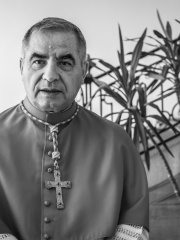
Giovanni Angelo Becciu
1948 - heute
HPI: 69.64
Rang: 772
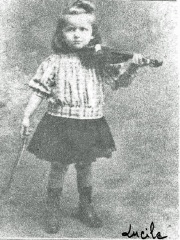
Lucile Randon
1904 - 2023
HPI: 69.61
Rang: 773
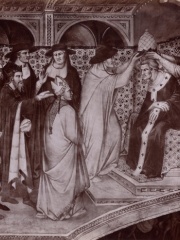
Antipope Paschal III
1110 - 1168
HPI: 69.59
Rang: 774
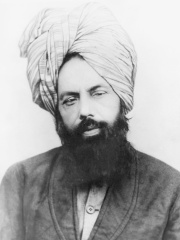
Mirza Ghulam Ahmad
1835 - 1908
HPI: 69.56
Rang: 775
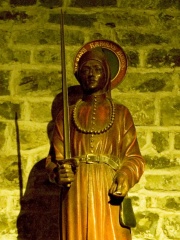
Charles I, Count of Flanders
1083 - 1127
HPI: 69.55
Rang: 776
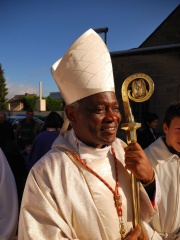
Peter Turkson
1948 - heute
HPI: 69.55
Rang: 777
Willibrord
658 - 739
HPI: 69.54
Rang: 778
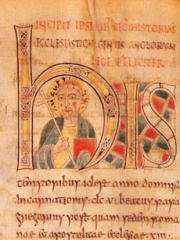
Augustine of Canterbury
510 - 604
HPI: 69.53
Rang: 779

Apollinaris of Ravenna
101 - 75
HPI: 69.51
Rang: 780
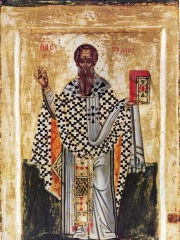
Eutychius of Constantinople
512 - 582
HPI: 69.51
Rang: 781

József Mindszenty
1892 - 1975
HPI: 69.50
Rang: 782
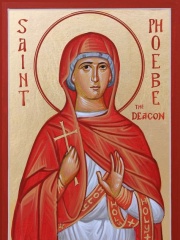
Phoebe
50 - 100
HPI: 69.48
Rang: 783
Nicholas Kabasilas
1322 - 1391
HPI: 69.48
Rang: 784

Zeitgenossen
Unter den im Jahr 658 Geborenen belegt Willibrord Rang 1. Unter den im Jahr 739 Verstorbenen belegt Willibrord Rang 1. Nach ihm folgen Favila of Asturias, und Yollıg Khagan.
Weitere im Jahr 658 Geborene
Zu allen RanglistenWeitere im Jahr 739 Verstorbene
Zu allen RanglistenWillibrord
RELIGIOUS FIGURE
658 - 739
HPI: 69.54
Rang: 1
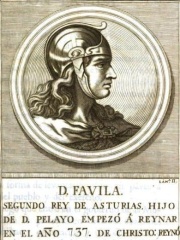
Favila of Asturias
POLITICIAN
715 - 739
HPI: 66.32
Rang: 2

Yollıg Khagan
NOBLEMAN
HPI: 54.76
Rang: 3
In Vereinigtes Königreich
Unter den in Vereinigtes Königreich Geborenen belegt Willibrord Rang 762 von 9,870. Vor ihm stehen Rowland Hill (1795), Bryan Ferry (1945), William Jones (1746), Gregory Bateson (1904), Mary, Princess Royal and Princess of Orange (1631), und Henry of Grosmont, 1st Duke of Lancaster (1310). Nach ihm folgen Timothy Laurence (1955), Eadred (923), Æthelfrith (600), Gordon Brown (1951), Princess Marie Louise of Schleswig-Holstein (1872), und Bill Nighy (1949).
Weitere in Vereinigtes Königreich geborene Personen
Zu allen Ranglisten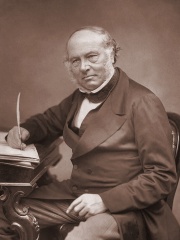
Rowland Hill
INVENTOR
1795 - 1879
HPI: 69.62
Rang: 756
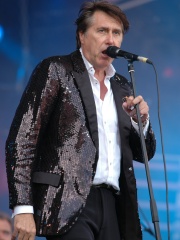
Bryan Ferry
SINGER
1945 - heute
HPI: 69.61
Rang: 757
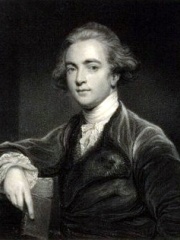
William Jones
LINGUIST
1746 - 1794
HPI: 69.58
Rang: 758
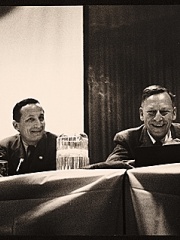
Gregory Bateson
ANTHROPOLOGIST
1904 - 1980
HPI: 69.56
Rang: 759
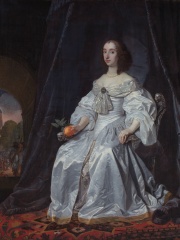
Mary, Princess Royal and Princess of Orange
POLITICIAN
1631 - 1660
HPI: 69.56
Rang: 760
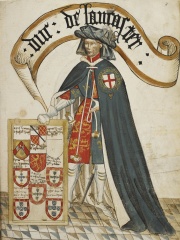
Henry of Grosmont, 1st Duke of Lancaster
WRITER
1310 - 1361
HPI: 69.55
Rang: 761
Willibrord
RELIGIOUS FIGURE
658 - 739
HPI: 69.54
Rang: 762
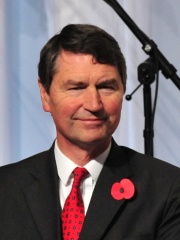
Timothy Laurence
MILITARY PERSONNEL
1955 - heute
HPI: 69.52
Rang: 763
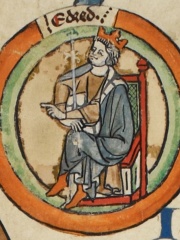
Eadred
POLITICIAN
923 - 955
HPI: 69.51
Rang: 764

Æthelfrith
POLITICIAN
600 - 616
HPI: 69.50
Rang: 765
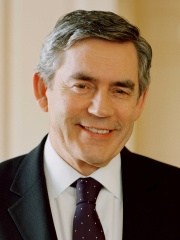
Gordon Brown
POLITICIAN
1951 - heute
HPI: 69.47
Rang: 766
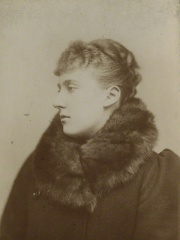
Princess Marie Louise of Schleswig-Holstein
POLITICIAN
1872 - 1956
HPI: 69.47
Rang: 767

Bill Nighy
ACTOR
1949 - heute
HPI: 69.46
Rang: 768
Unter Religiöse Persönlichkeit in Vereinigtes Königreich
Unter den in Vereinigtes Königreich geborenen Religiöse Persönlichkeit belegt Willibrord Rang 14. Vor ihm stehen John Wesley (1703), Thomas Becket (1119), Pope Adrian IV (1100), John Knox (1514), Edward the Confessor (1003), und Richard Williamson (1940). Nach ihm folgen Saint Malachy (1094), Thomas Wolsey (1473), John Nelson Darby (1800), John Henry Newman (1801), Charles Spurgeon (1834), und Reginald Lee (1870).
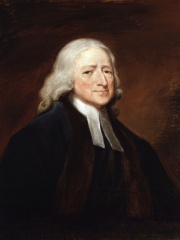
John Wesley
1703 - 1791
HPI: 71.96
Rang: 8
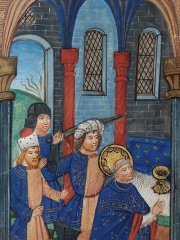
Thomas Becket
1119 - 1170
HPI: 71.64
Rang: 9
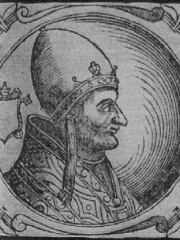
Pope Adrian IV
1100 - 1159
HPI: 71.56
Rang: 10
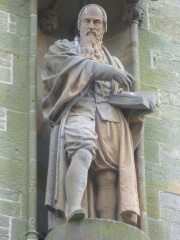
John Knox
1514 - 1572
HPI: 71.26
Rang: 11

Edward the Confessor
1003 - 1066
HPI: 71.18
Rang: 12
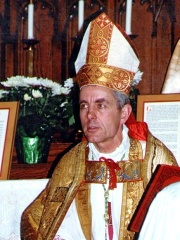
Richard Williamson
1940 - 2025
HPI: 71.07
Rang: 13
Willibrord
658 - 739
HPI: 69.54
Rang: 14
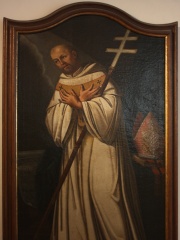
Saint Malachy
1094 - 1148
HPI: 69.15
Rang: 15
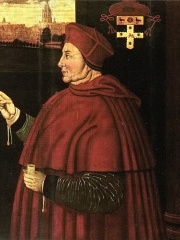
Thomas Wolsey
1473 - 1530
HPI: 68.97
Rang: 16
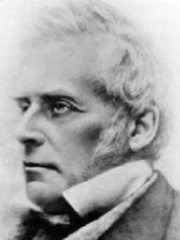
John Nelson Darby
1800 - 1882
HPI: 68.64
Rang: 17
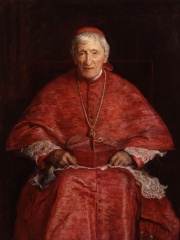
John Henry Newman
1801 - 1890
HPI: 68.45
Rang: 18
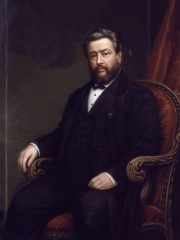
Charles Spurgeon
1834 - 1892
HPI: 67.74
Rang: 19
Reginald Lee
1870 - 1913
HPI: 67.54
Rang: 20




