Религиозный деятель
Святой Бонифаций
680 - 754
ПРОСМОТРЫ RU.WIKIPEDIA (PV)
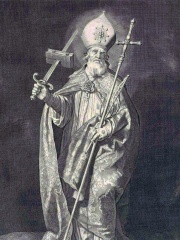
 Святой Бонифаций
Его биография доступна на 48 различных языках в Википедии (рост с 44 в 2024 году). Святой Бонифаций занимает 327-е место среди самых популярных религиозный деятель (рост с 651-е места в 2024 году), занимает 217-е место среди самых популярных биографий из Великобритании (рост с 474-е места в 2019 году) и занимает 2-е место среди религиозный деятель Великобритания.
Метрики памятности
310k
Просмотры страниц
За последние 12 месяцев
77.14
HPI
Индекс исторической популярности
Интересные факты
#1
Святой Бонифаций — самая известная из 4 значимых личностей, родившихся в городе Crediton, на территории современного государства Великобритания, опережая таких, как Saint Walpurga, Redvers Buller и Sam Gallagher.
#2,532
Спустя более 12 веков после смерти Святой Бонифаций по-прежнему занимает 2,532-е место среди всех личностей в Pantheon.
48
Биография Святой Бонифаций представлена в 48 языковых разделах Википедии — больше, чем у 85 % всех Религиозный деятель.
1 янв.
Святой Бонифаций отмечает день рождения (1 января) в один день с Mary, mother of Jesus, Saint Peter и Laozi.
Просмотры страницы Святой Бонифаций по языкам
Среди представителей профессии «Религиозный деятель»
Среди представителей профессии «Религиозный деятель» Святой Бонифаций занимает 327-е место из 3,187. Перед ним идут Pope Martin I, Pope Paul I, Michael I Cerularius, Pope Felix III, Pope Alexander IV, и Pope Gregory IV. После него идут Saint Pantaleon, Maya, Ephrem the Syrian, Thích Nhất Hạnh, Pope Benedict III, и John Harvard.
Самые популярные в Википедии: Религиозный деятель
Все рейтинги
Pope Martin I
590 - 655
HPI: 77.25
Место: 321
Pope Paul I
700 - 767
HPI: 77.23
Место: 322
Michael I Cerularius
1005 - 1059
HPI: 77.21
Место: 323
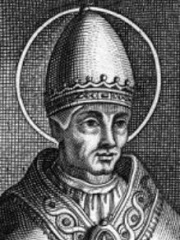
Pope Felix III
440 - 492
HPI: 77.20
Место: 324
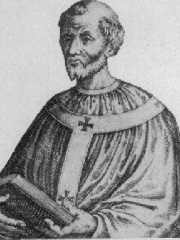
Pope Alexander IV
1200 - 1261
HPI: 77.18
Место: 325
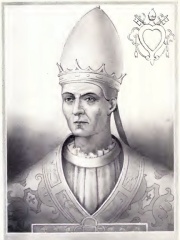
Pope Gregory IV
790 - 844
HPI: 77.17
Место: 326
Saint Boniface
680 - 754
HPI: 77.14
Место: 327
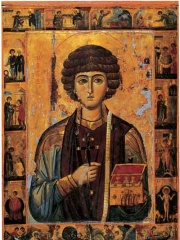
Saint Pantaleon
275 - 303
HPI: 77.11
Место: 328
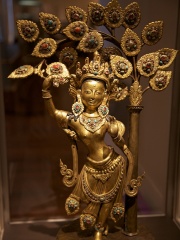
Maya
600 BC - 600 BC
HPI: 77.09
Место: 329
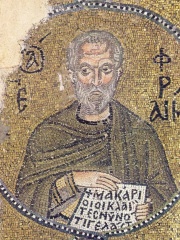
Ephrem the Syrian
306 - 373
HPI: 77.09
Место: 330
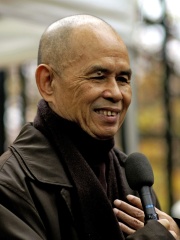
Thích Nhất Hạnh
1926 - 2022
HPI: 77.07
Место: 331
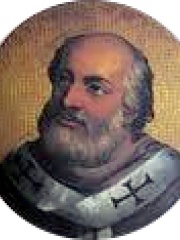
Pope Benedict III
810 - 858
HPI: 77.02
Место: 332
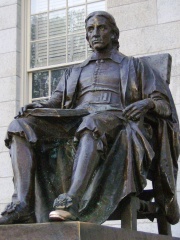
John Harvard
1607 - 1638
HPI: 77.02
Место: 333

Современники
Среди людей, родившихся в 680 году, Святой Бонифаций занимает 1-е место. После него идут Mus‘ab ibn 'Umair, Empress Genshō, Ali al-Asghar ibn Husayn, Wu Daozi, Liutpert, и Aripert II. Среди людей, умерших в 754 году, Святой Бонифаций занимает 1-е место. После него идут Childeric III, As-Saffah, Carloman, Hiltrud, Anastasius of Constantinople, и Cui Hao.
Другие люди, родившиеся в 680 году
Все рейтингиSaint Boniface
RELIGIOUS FIGURE
680 - 754
HPI: 77.14
Место: 1

Mus‘ab ibn 'Umair
RELIGIOUS FIGURE
680 - 625
HPI: 72.06
Место: 2

Empress Genshō
POLITICIAN
680 - 748
HPI: 69.03
Место: 3

Ali al-Asghar ibn Husayn
RELIGIOUS FIGURE
680 - наст. время
HPI: 64.55
Место: 4

Wu Daozi
PAINTER
680 - 740
HPI: 62.74
Место: 5

Liutpert
POLITICIAN
680 - 702
HPI: 62.54
Место: 6

Aripert II
POLITICIAN
680 - 712
HPI: 62.52
Место: 7
Другие люди, умершие в 754 году
Все рейтингиSaint Boniface
RELIGIOUS FIGURE
680 - 754
HPI: 77.14
Место: 1
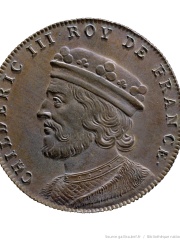
Childeric III
POLITICIAN
714 - 754
HPI: 75.49
Место: 2

As-Saffah
POLITICIAN
722 - 754
HPI: 73.78
Место: 3
Carloman
POLITICIAN
710 - 754
HPI: 70.70
Место: 4

Hiltrud
POLITICIAN
715 - 754
HPI: 60.54
Место: 5

Anastasius of Constantinople
RELIGIOUS FIGURE
HPI: 58.12
Место: 6

Cui Hao
WRITER
704 - 754
HPI: 57.96
Место: 7
В стране Великобритания
Среди людей, родившихся в стране Великобритания, Святой Бонифаций занимает 217-е место из 8,785. Перед ним идут Howard Carter (1874), James Chadwick (1891), Princess Helena of the United Kingdom (1846), Anthony Giddens (1938), William Blake (1757), и David Livingstone (1813). После него идут Catherine Howard (1523), Guy Fawkes (1570), Æthelbald, King of Wessex (831), George Stephenson (1781), John Harvard (1607), и W. H. Auden (1907).
Другие люди, родившиеся в стране Великобритания
Все рейтинги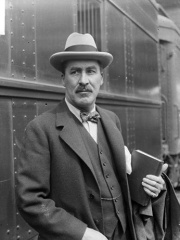
Howard Carter
ARCHAEOLOGIST
1874 - 1939
HPI: 77.35
Место: 211
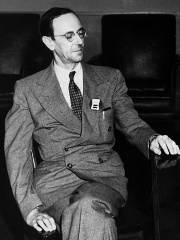
James Chadwick
PHYSICIST
1891 - 1974
HPI: 77.34
Место: 212
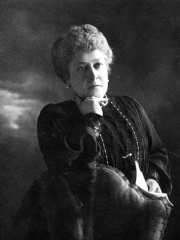
Princess Helena of the United Kingdom
COMPANION
1846 - 1923
HPI: 77.31
Место: 213
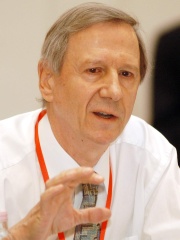
Anthony Giddens
SOCIOLOGIST
1938 - наст. время
HPI: 77.29
Место: 214
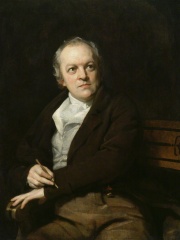
William Blake
WRITER
1757 - 1827
HPI: 77.20
Место: 215
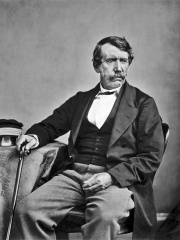
David Livingstone
EXPLORER
1813 - 1873
HPI: 77.19
Место: 216
Saint Boniface
RELIGIOUS FIGURE
680 - 754
HPI: 77.14
Место: 217
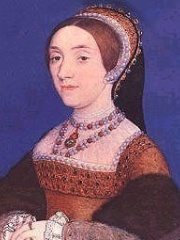
Catherine Howard
COMPANION
1523 - 1542
HPI: 77.14
Место: 218
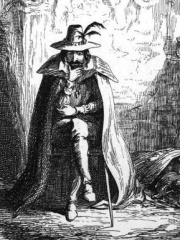
Guy Fawkes
SOCIAL ACTIVIST
1570 - 1606
HPI: 77.05
Место: 219
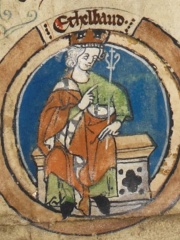
Æthelbald, King of Wessex
POLITICIAN
831 - 860
HPI: 77.05
Место: 220
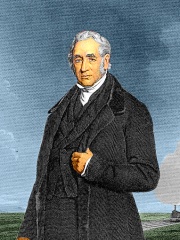
George Stephenson
INVENTOR
1781 - 1848
HPI: 77.03
Место: 221
John Harvard
RELIGIOUS FIGURE
1607 - 1638
HPI: 77.02
Место: 222
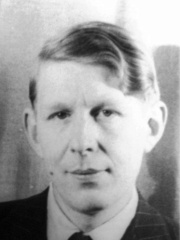
W. H. Auden
WRITER
1907 - 1973
HPI: 77.00
Место: 223
Среди представителей профессии «Религиозный деятель» в стране Великобритания
Среди представителей профессии «Религиозный деятель», родившихся в стране Великобритания, Святой Бонифаций занимает 2-е место. Перед ним идёт Saint Patrick (385). После него идут John Harvard (1607), Saint Ursula (400), Saint Walpurga (710), Alcuin (735), William Laud (1573), John Wesley (1703), Thomas Becket (1119), Pope Adrian IV (1100), John Knox (1514), и Edward the Confessor (1003).
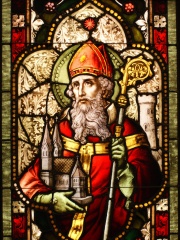
Saint Patrick
385 - 461
HPI: 77.66
Место: 1
Saint Boniface
680 - 754
HPI: 77.14
Место: 2
John Harvard
1607 - 1638
HPI: 77.02
Место: 3
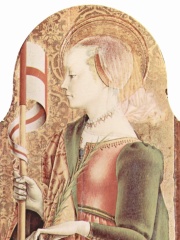
Saint Ursula
400 - 383
HPI: 75.60
Место: 4

Saint Walpurga
710 - 779
HPI: 74.05
Место: 5
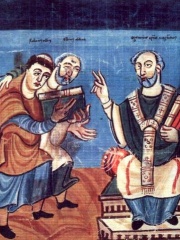
Alcuin
735 - 804
HPI: 73.89
Место: 6
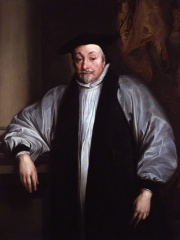
William Laud
1573 - 1645
HPI: 73.32
Место: 7
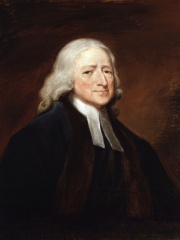
John Wesley
1703 - 1791
HPI: 71.96
Место: 8
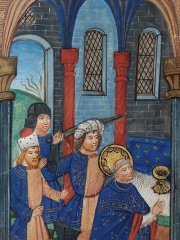
Thomas Becket
1119 - 1170
HPI: 71.64
Место: 9
Pope Adrian IV
1100 - 1159
HPI: 71.56
Место: 10
John Knox
1514 - 1572
HPI: 71.26
Место: 11

Edward the Confessor
1003 - 1066
HPI: 71.18
Место: 12




