Писатель
Эко, Умберто
1932 - 2016
ПРОСМОТРЫ RU.WIKIPEDIA (PV)
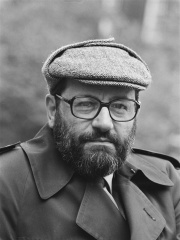
 Эко, Умберто
Его биография доступна на 115 различных языках в Википедии (рост с 113 в 2024 году). Эко, Умберто занимает 75-е место среди самых популярных писатель (снижение с 65-е места в 2024 году), занимает 94-е место среди самых популярных биографий из Италии (снижение с 59-е места в 2019 году) и занимает 7-е место среди писатель Италия.
Метрики памятности
1.0M
Просмотры страниц
За последние 12 месяцев
83.13
HPI
Индекс исторической популярности
Интересные факты
#1 / 598
Среди 598 личностей Pantheon, родившихся в 1932 году, самой известной является Эко, Умберто.
115
Биография Эко, Умберто представлена в 115 языковых разделах Википедии, больше, чем у 99 % всех Писатель.
Просмотры страницы Эко, Умберто по языкам
Среди представителей профессии «Писатель»
Среди представителей профессии «Писатель» Эко, Умберто занимает 75-е место из 7,707. Перед ним идут Stefan Zweig, Thomas Mann, Arthur Conan Doyle, Robert Frost, Romain Rolland, и Charles Perrault. После него идут Giacomo Casanova, Sappho, Toni Morrison, George R. R. Martin, Lord Byron, и Nikolai Gogol.
Самые популярные в Википедии: Писатель
Все рейтинги
Stefan Zweig
1881 - 1942
HPI: 83.35
Место: 69
Thomas Mann
1875 - 1955
HPI: 83.34
Место: 70
Arthur Conan Doyle
1859 - 1930
HPI: 83.22
Место: 71
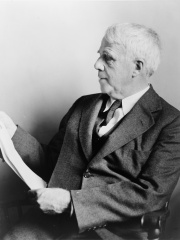
Robert Frost
1874 - 1963
HPI: 83.18
Место: 72
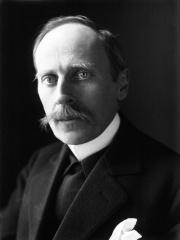
Romain Rolland
1866 - 1944
HPI: 83.15
Место: 73
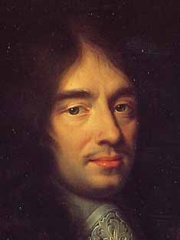
Charles Perrault
1628 - 1703
HPI: 83.14
Место: 74
Umberto Eco
1932 - 2016
HPI: 83.13
Место: 75
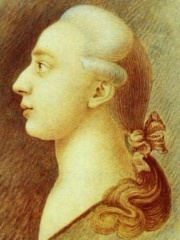
Giacomo Casanova
1725 - 1798
HPI: 83.07
Место: 76
Sappho
630 BC - 570 BC
HPI: 83.03
Место: 77
Toni Morrison
1931 - 2019
HPI: 82.91
Место: 78

George R. R. Martin
1948 - наст. время
HPI: 82.87
Место: 79
Lord Byron
1788 - 1824
HPI: 82.84
Место: 80
Nikolai Gogol
1809 - 1852
HPI: 82.82
Место: 81

Современники
Среди людей, родившихся в 1932 году, Эко, Умберто занимает 1-е место. После него идут Manmohan Singh, Jacques Chirac, Elizabeth Taylor, Debbie Reynolds, Sheldon Lee Glashow, Andrei Tarkovsky, Omar Sharif, François Truffaut, Miloš Forman, Johnny Cash, и John Williams. Среди людей, умерших в 2016 году, Эко, Умберто занимает 4-е место. Перед ним идут Muhammad Ali, Fidel Castro, и Johan Cruyff. После него идут Bhumibol Adulyadej, John Glenn, Bud Spencer, Shimon Peres, David Bowie, Leonard Cohen, Debbie Reynolds, и Alan Rickman.
Другие люди, родившиеся в 1932 году
Все рейтингиUmberto Eco
WRITER
1932 - 2016
HPI: 83.13
Место: 1
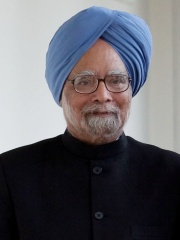
Manmohan Singh
POLITICIAN
1932 - 2024
HPI: 82.56
Место: 2
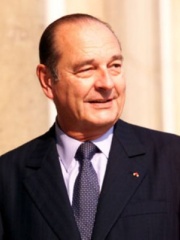
Jacques Chirac
POLITICIAN
1932 - 2019
HPI: 82.56
Место: 3
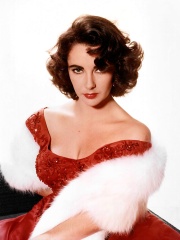
Elizabeth Taylor
ACTOR
1932 - 2011
HPI: 80.56
Место: 4
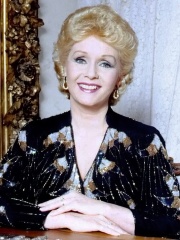
Debbie Reynolds
ACTOR
1932 - 2016
HPI: 80.02
Место: 5
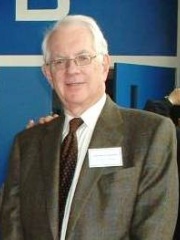
Sheldon Lee Glashow
PHYSICIST
1932 - наст. время
HPI: 78.53
Место: 6
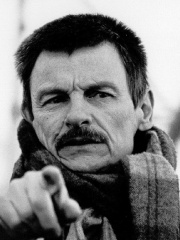
Andrei Tarkovsky
FILM DIRECTOR
1932 - 1986
HPI: 78.16
Место: 7
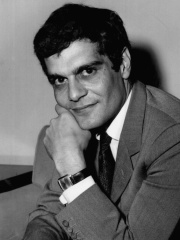
Omar Sharif
ACTOR
1932 - 2015
HPI: 78.05
Место: 8
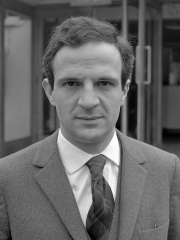
François Truffaut
FILM DIRECTOR
1932 - 1984
HPI: 77.56
Место: 9
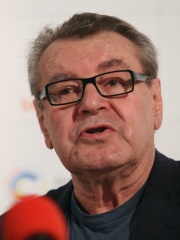
Miloš Forman
FILM DIRECTOR
1932 - 2018
HPI: 77.43
Место: 10
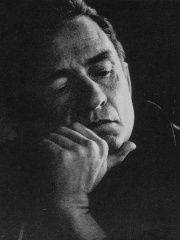
Johnny Cash
SINGER
1932 - 2003
HPI: 77.25
Место: 11
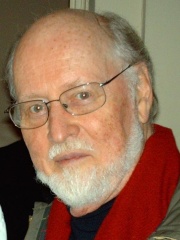
John Williams
COMPOSER
1932 - наст. время
HPI: 75.77
Место: 12
Другие люди, умершие в 2016 году
Все рейтинги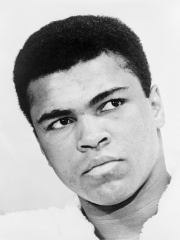
Muhammad Ali
BOXER
1942 - 2016
HPI: 90.72
Место: 1
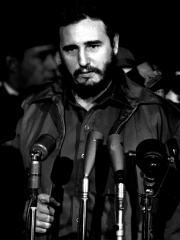
Fidel Castro
POLITICIAN
1926 - 2016
HPI: 85.86
Место: 2
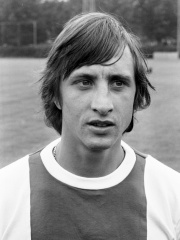
Johan Cruyff
SOCCER PLAYER
1947 - 2016
HPI: 84.03
Место: 3
Umberto Eco
WRITER
1932 - 2016
HPI: 83.13
Место: 4
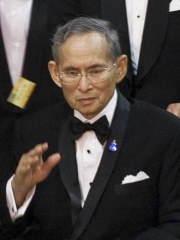
Bhumibol Adulyadej
POLITICIAN
1927 - 2016
HPI: 82.52
Место: 5
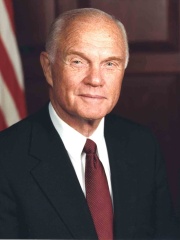
John Glenn
ASTRONAUT
1921 - 2016
HPI: 81.58
Место: 6
Bud Spencer
ACTOR
1929 - 2016
HPI: 80.54
Место: 7
Shimon Peres
POLITICIAN
1923 - 2016
HPI: 80.51
Место: 8
David Bowie
SINGER
1947 - 2016
HPI: 80.18
Место: 9
Leonard Cohen
MUSICIAN
1934 - 2016
HPI: 80.10
Место: 10
Debbie Reynolds
ACTOR
1932 - 2016
HPI: 80.02
Место: 11
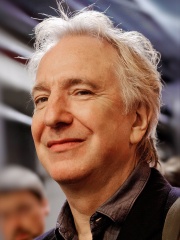
Alan Rickman
ACTOR
1946 - 2016
HPI: 79.04
Место: 12
В стране Италия
Среди людей, родившихся в стране Италия, Эко, Умберто занимает 94-е место из 5,905. Перед ним идут Pope Pius III (1439), Sophia Loren (1934), Florence Nightingale (1820), Luciano Pavarotti (1935), Enrico Fermi (1901), и Pope Benedict XIV (1675). После него идут Pope Pius V (1504), Giacomo Casanova (1725), Pope Paul III (1468), Pope Linus (1), Saint Valentine (226), и Amedeo Modigliani (1884).
Другие люди, родившиеся в стране Италия
Все рейтинги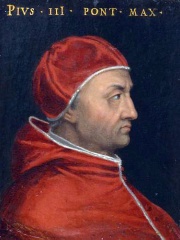
Pope Pius III
RELIGIOUS FIGURE
1439 - 1503
HPI: 83.27
Место: 88
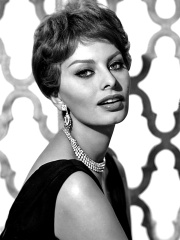
Sophia Loren
ACTOR
1934 - наст. время
HPI: 83.26
Место: 89
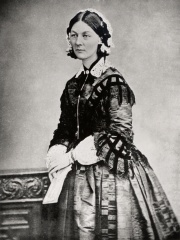
Florence Nightingale
PHYSICIAN
1820 - 1910
HPI: 83.23
Место: 90
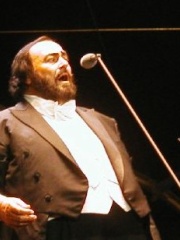
Luciano Pavarotti
SINGER
1935 - 2007
HPI: 83.23
Место: 91
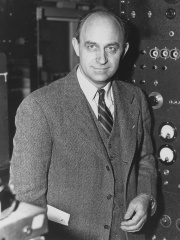
Enrico Fermi
PHYSICIST
1901 - 1954
HPI: 83.22
Место: 92
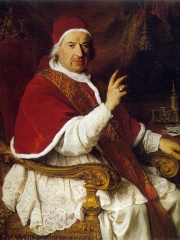
Pope Benedict XIV
RELIGIOUS FIGURE
1675 - 1758
HPI: 83.17
Место: 93
Umberto Eco
WRITER
1932 - 2016
HPI: 83.13
Место: 94
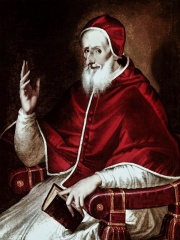
Pope Pius V
RELIGIOUS FIGURE
1504 - 1572
HPI: 83.13
Место: 95
Giacomo Casanova
WRITER
1725 - 1798
HPI: 83.07
Место: 96
Pope Paul III
RELIGIOUS FIGURE
1468 - 1549
HPI: 83.04
Место: 97
Pope Linus
RELIGIOUS FIGURE
1 - 79
HPI: 83.03
Место: 98
Saint Valentine
RELIGIOUS FIGURE
226 - 273
HPI: 83.01
Место: 99
Amedeo Modigliani
PAINTER
1884 - 1920
HPI: 82.99
Место: 100
Среди представителей профессии «Писатель» в стране Италия
Среди представителей профессии «Писатель», родившихся в стране Италия, Эко, Умберто занимает 7-е место. Перед ним идут Dante Alighieri (1265), Virgil (-70), Ovid (-43), Petrarch (1304), Giovanni Boccaccio (1313), и Horace (-65). После него идут Giacomo Casanova (1725), Giorgio Vasari (1511), Cato the Elder (-243), Carlo Collodi (1826), Plautus (-254), и Guillaume Apollinaire (1880).
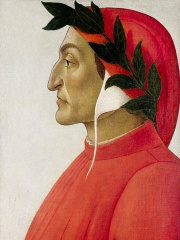
Dante Alighieri
1265 - 1321
HPI: 92.13
Место: 1
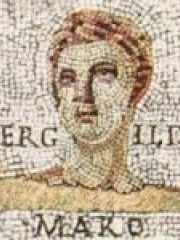
Virgil
70 BC - 19 BC
HPI: 88.05
Место: 2
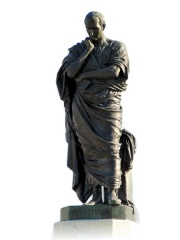
Ovid
43 BC - 17
HPI: 86.87
Место: 3
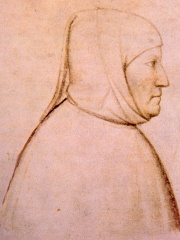
Petrarch
1304 - 1374
HPI: 86.60
Место: 4
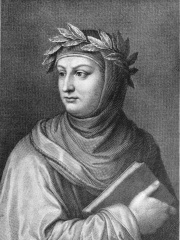
Giovanni Boccaccio
1313 - 1375
HPI: 85.98
Место: 5
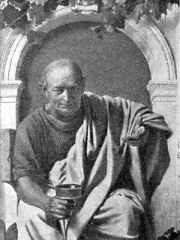
Horace
65 BC - 8 BC
HPI: 84.80
Место: 6
Umberto Eco
1932 - 2016
HPI: 83.13
Место: 7
Giacomo Casanova
1725 - 1798
HPI: 83.07
Место: 8
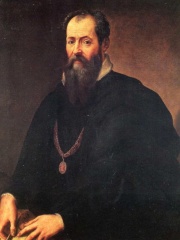
Giorgio Vasari
1511 - 1574
HPI: 82.06
Место: 9
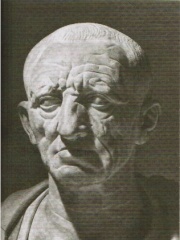
Cato the Elder
243 BC - 149 BC
HPI: 79.82
Место: 10
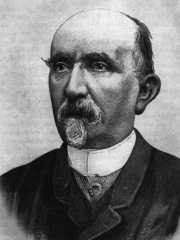
Carlo Collodi
1826 - 1890
HPI: 79.68
Место: 11
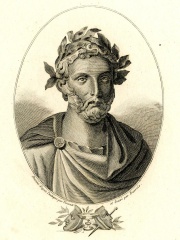
Plautus
254 BC - 184 BC
HPI: 79.62
Место: 12
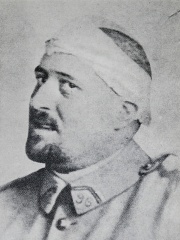
Guillaume Apollinaire
1880 - 1918
HPI: 79.26
Место: 13




