Schrijver
Theodor Herzl
1860 - 1904
NL.WIKIPEDIA PAGE VIEWS (PV)
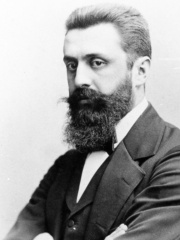
 Theodor Herzl
Zijn biografie is beschikbaar in 83 verschillende talen op Wikipedia (toegenomen van 80 in 2024). Theodor Herzl staat op plaats 117 onder de meest populaire schrijver (gedaald van plaats 74 in 2024), plaats 5 onder de meest populaire biografieën uit Hongarije (gedaald van plaats 3 in 2019) en op de eerste plaats onder de populairste schrijver uit Hongarije.
Memorability Metrics
1.3M
Page Views
Past 12 months
81.04
HPI
Historical Popularity Index
Page views of Theodor Herzl by language
Among Schrijvers
Among schrijvers, Theodor Herzl ranks 117 out of 7,302. Before him are Marquis de Sade, José Saramago, Václav Havel, Anatole France, Bjørnstjerne Bjørnson, and André Gide. After him are Hafez, Rainer Maria Rilke, Ismail I, Mario Vargas Llosa, Federico García Lorca, and Muhammad Iqbal.
Most Popular Schrijvers in Wikipedia
Go to all Rankings
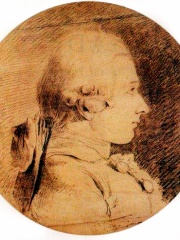
Marquis de Sade
1740 - 1814
HPI: 81.34
Rank: 111
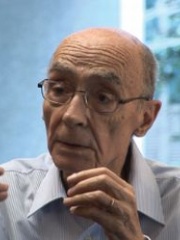
José Saramago
1922 - 2010
HPI: 81.32
Rank: 112
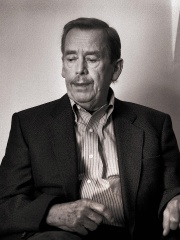
Václav Havel
1936 - 2011
HPI: 81.32
Rank: 113
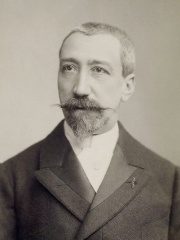
Anatole France
1844 - 1924
HPI: 81.25
Rank: 114
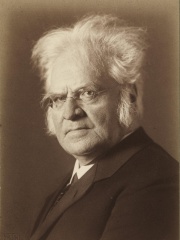
Bjørnstjerne Bjørnson
1832 - 1910
HPI: 81.19
Rank: 115
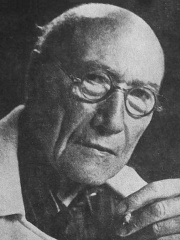
André Gide
1869 - 1951
HPI: 81.05
Rank: 116
Theodor Herzl
1860 - 1904
HPI: 81.04
Rank: 117
Hafez
1325 - 1389
HPI: 80.96
Rank: 118
Rainer Maria Rilke
1875 - 1926
HPI: 80.94
Rank: 119
Ismail I
1487 - 1524
HPI: 80.93
Rank: 120
Mario Vargas Llosa
1936 - 2025
HPI: 80.93
Rank: 121
Federico García Lorca
1898 - 1936
HPI: 80.92
Rank: 122
Muhammad Iqbal
1877 - 1938
HPI: 80.65
Rank: 123

Contemporaries
Among people born in 1860, Theodor Herzl ranks 5. Before him are Gustav Mahler, Anton Chekhov, Alphonse Mucha, and Klara Hitler. After him are Eduard Buchner, Raymond Poincaré, Willem Einthoven, Isaac Albéniz, William Jennings Bryan, Niels Ryberg Finsen, and Kanō Jigorō. Among people deceased in 1904, Theodor Herzl ranks 3. Before him are Anton Chekhov, and Antonín Dvořák. After him are Jamsetji Tata, Murad V, Isabella II of Spain, Niels Ryberg Finsen, Frédéric Auguste Bartholdi, Friedrich Ratzel, Jean-Léon Gérôme, Henry Morton Stanley, and Eadweard Muybridge.
Others Born in 1860
Go to all Rankings
Gustav Mahler
COMPOSER
1860 - 1911
HPI: 87.34
Rank: 1
Anton Chekhov
WRITER
1860 - 1904
HPI: 86.67
Rank: 2
Alphonse Mucha
PAINTER
1860 - 1939
HPI: 81.66
Rank: 3
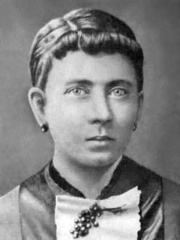
Klara Hitler
COMPANION
1860 - 1907
HPI: 81.35
Rank: 4
Theodor Herzl
WRITER
1860 - 1904
HPI: 81.04
Rank: 5
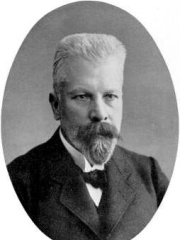
Eduard Buchner
CHEMIST
1860 - 1917
HPI: 78.78
Rank: 6
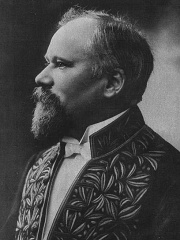
Raymond Poincaré
POLITICIAN
1860 - 1934
HPI: 76.89
Rank: 7
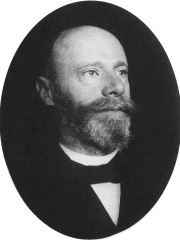
Willem Einthoven
PHYSICIAN
1860 - 1927
HPI: 76.18
Rank: 8
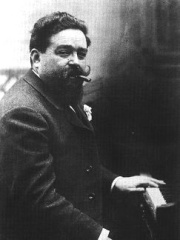
Isaac Albéniz
MUSICIAN
1860 - 1909
HPI: 76.13
Rank: 9
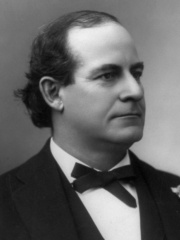
William Jennings Bryan
POLITICIAN
1860 - 1925
HPI: 75.97
Rank: 10
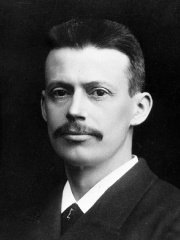
Niels Ryberg Finsen
PHYSICIAN
1860 - 1904
HPI: 75.69
Rank: 11
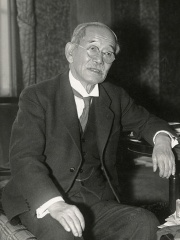
Kanō Jigorō
MARTIAL ARTS
1860 - 1938
HPI: 75.46
Rank: 12
Others Deceased in 1904
Go to all RankingsAnton Chekhov
WRITER
1860 - 1904
HPI: 86.67
Rank: 1
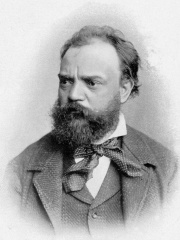
Antonín Dvořák
COMPOSER
1841 - 1904
HPI: 85.64
Rank: 2
Theodor Herzl
WRITER
1860 - 1904
HPI: 81.04
Rank: 3
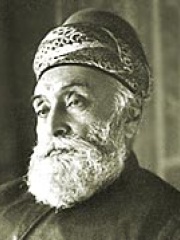
Jamsetji Tata
BUSINESSPERSON
1839 - 1904
HPI: 78.92
Rank: 4
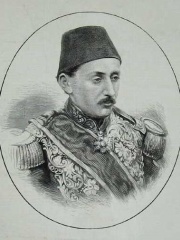
Murad V
POLITICIAN
1840 - 1904
HPI: 77.08
Rank: 5
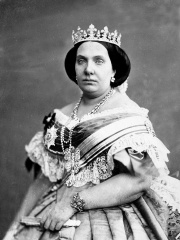
Isabella II of Spain
POLITICIAN
1830 - 1904
HPI: 76.13
Rank: 6
Niels Ryberg Finsen
PHYSICIAN
1860 - 1904
HPI: 75.69
Rank: 7
Frédéric Auguste Bartholdi
SCULPTOR
1834 - 1904
HPI: 74.94
Rank: 8
Friedrich Ratzel
POLITICIAN
1844 - 1904
HPI: 74.54
Rank: 9
Jean-Léon Gérôme
PAINTER
1824 - 1904
HPI: 74.43
Rank: 10
Henry Morton Stanley
EXPLORER
1841 - 1904
HPI: 72.31
Rank: 11
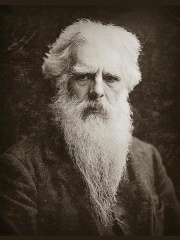
Eadweard Muybridge
PHOTOGRAPHER
1830 - 1904
HPI: 71.33
Rank: 12
In Hongarije
Among people born in Hongarije, Theodor Herzl ranks 5 out of NaN. Before him are Ferenc Puskás (1927), Martin of Tours (316), George Soros (1930), and Gaiseric (389). After him are Elizabeth Báthory (1560), Louis II of Hungary (1506), Rudolf Steiner (1861), Stephen I of Hungary (975), John von Neumann (1903), Ignaz Semmelweis (1818), and Matthias Corvinus (1443).
Others born in Hongarije
Go to all Rankings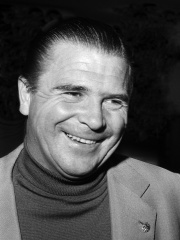
Ferenc Puskás
SOCCER PLAYER
1927 - 2006
HPI: 82.61
Rank: 1
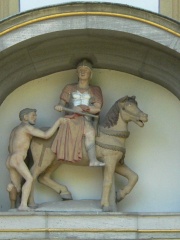
Martin of Tours
RELIGIOUS FIGURE
316 - 397
HPI: 81.41
Rank: 2
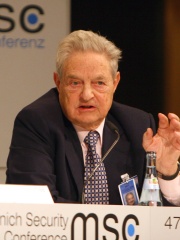
George Soros
BUSINESSPERSON
1930 - Present
HPI: 81.39
Rank: 3
Gaiseric
POLITICIAN
389 - 477
HPI: 81.16
Rank: 4
Theodor Herzl
WRITER
1860 - 1904
HPI: 81.04
Rank: 5
Elizabeth Báthory
EXTREMIST
1560 - 1614
HPI: 80.77
Rank: 6
Louis II of Hungary
POLITICIAN
1506 - 1526
HPI: 80.54
Rank: 7
Rudolf Steiner
PHILOSOPHER
1861 - 1925
HPI: 80.38
Rank: 8
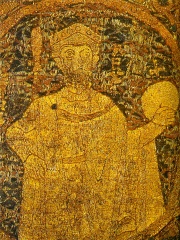
Stephen I of Hungary
POLITICIAN
975 - 1038
HPI: 80.19
Rank: 9

John von Neumann
MATHEMATICIAN
1903 - 1957
HPI: 79.93
Rank: 10
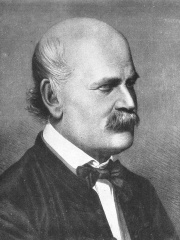
Ignaz Semmelweis
PHYSICIAN
1818 - 1865
HPI: 79.73
Rank: 11
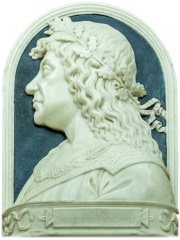
Matthias Corvinus
POLITICIAN
1443 - 1490
HPI: 79.23
Rank: 12
Among Schrijvers In Hongarije
Among schrijvers born in Hongarije, Theodor Herzl ranks 1. After him are Imre Kertész (1929), Sándor Petőfi (1823), Ágota Kristóf (1935), Sándor Márai (1900), Arthur Koestler (1905), Ferenc Molnár (1878), Felix Salten (1869), Ján Kollár (1793), Emma Orczy (1865), Max Nordau (1849), and Nikolaus Lenau (1802).
Theodor Herzl
1860 - 1904
HPI: 81.04
Rank: 1
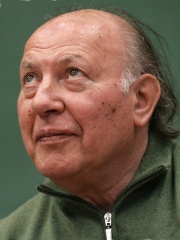
Imre Kertész
1929 - 2016
HPI: 78.20
Rank: 2
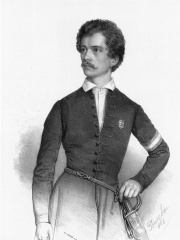
Sándor Petőfi
1823 - 1849
HPI: 73.87
Rank: 3
Ágota Kristóf
1935 - 2011
HPI: 73.56
Rank: 4
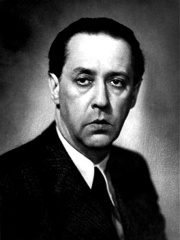
Sándor Márai
1900 - 1989
HPI: 73.52
Rank: 5
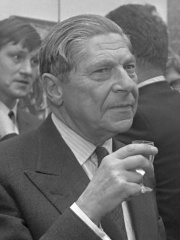
Arthur Koestler
1905 - 1983
HPI: 71.91
Rank: 6
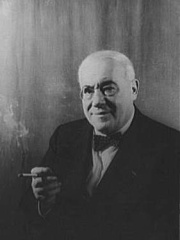
Ferenc Molnár
1878 - 1952
HPI: 70.78
Rank: 7
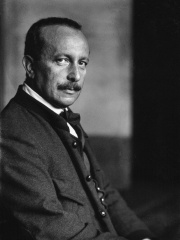
Felix Salten
1869 - 1945
HPI: 69.56
Rank: 8
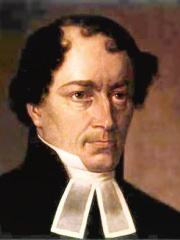
Ján Kollár
1793 - 1852
HPI: 68.53
Rank: 9
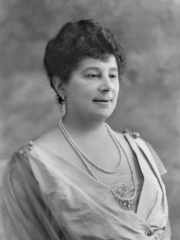
Emma Orczy
1865 - 1947
HPI: 68.50
Rank: 10
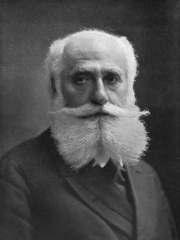
Max Nordau
1849 - 1923
HPI: 66.70
Rank: 11
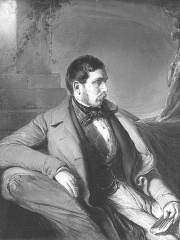
Nikolaus Lenau
1802 - 1850
HPI: 66.51
Rank: 12




