Религиозный деятель
Мартин Турский
316 - 397
ПРОСМОТРЫ RU.WIKIPEDIA (PV)
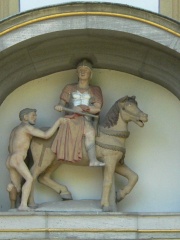
 Мартин Турский
Его биография доступна на 75 различных языках в Википедии (рост с 73 в 2024 году). Мартин Турский занимает 148-е место среди самых популярных религиозный деятель (снижение с 35-е места в 2024 году), занимает 2-е место среди самых популярных биографий из Венгрии (снижение с 1-е места в 2019 году) и занимает 1-е место среди религиозный деятель Венгрия.
Метрики памятности
740k
Просмотры страниц
За последние 12 месяцев
81.41
HPI
Индекс исторической популярности
Интересные факты
#2 / 1,306
Мартин Турский занимает 2-е место среди 1,306 личностей Pantheon, родившихся в стране Венгрия, входя в лучшие 1 % этой группы.
75
Биография Мартин Турский представлена в 75 языковых разделах Википедии, больше, чем у 95 % всех Религиозный деятель.
Просмотры страницы Мартин Турский по языкам
Среди представителей профессии «Религиозный деятель»
Среди представителей профессии «Религиозный деятель» Мартин Турский занимает 148-е место из 3,189. Перед ним идут Pope Clement VI, Pope Nicholas V, Pope John XXII, Pope Clement X, Maimonides, и Pope Clement IX. После него идут Pope Boniface VIII, Huldrych Zwingli, Bahá'u'lláh, Pope Innocent IX, Pope Innocent VI, и Philip the Apostle.
Самые популярные в Википедии: Религиозный деятель
Все рейтинги
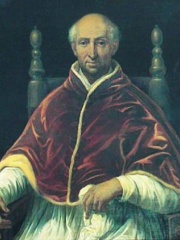
Pope Clement VI
1291 - 1352
HPI: 81.53
Место: 142
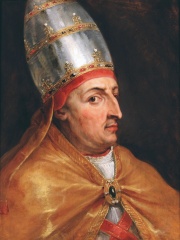
Pope Nicholas V
1397 - 1455
HPI: 81.49
Место: 143
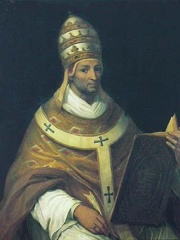
Pope John XXII
1244 - 1334
HPI: 81.45
Место: 144
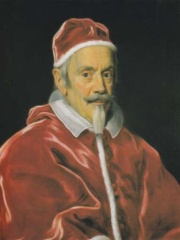
Pope Clement X
1590 - 1676
HPI: 81.44
Место: 145
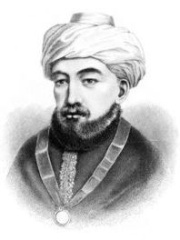
Maimonides
1138 - 1204
HPI: 81.42
Место: 146
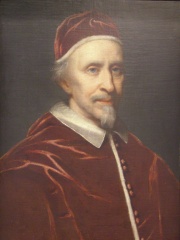
Pope Clement IX
1600 - 1669
HPI: 81.41
Место: 147
Martin of Tours
316 - 397
HPI: 81.41
Место: 148
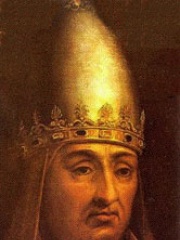
Pope Boniface VIII
1235 - 1303
HPI: 81.37
Место: 149
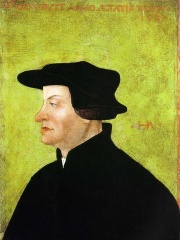
Huldrych Zwingli
1484 - 1531
HPI: 81.35
Место: 150
Bahá'u'lláh
1817 - 1892
HPI: 81.34
Место: 151
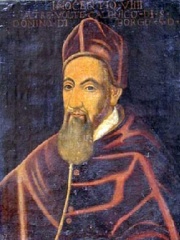
Pope Innocent IX
1519 - 1591
HPI: 81.33
Место: 152
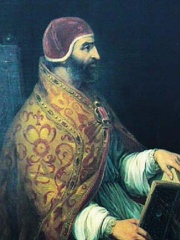
Pope Innocent VI
1282 - 1362
HPI: 81.33
Место: 153
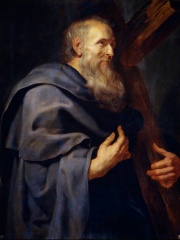
Philip the Apostle
5 - 80
HPI: 81.30
Место: 154

Современники
Среди людей, родившихся в 316 году, Мартин Турский занимает 1-е место. После него идёт Constantine II. Среди людей, умерших в 397 году, Мартин Турский занимает 1-е место. После него идут Ambrose, Nectarius of Constantinople, Geminianus, и Optatus.
Другие люди, родившиеся в 316 году
Все рейтингиMartin of Tours
RELIGIOUS FIGURE
316 - 397
HPI: 81.41
Место: 1
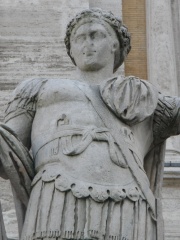
Constantine II
POLITICIAN
316 - 340
HPI: 75.68
Место: 2
Другие люди, умершие в 397 году
Все рейтингиMartin of Tours
RELIGIOUS FIGURE
316 - 397
HPI: 81.41
Место: 1
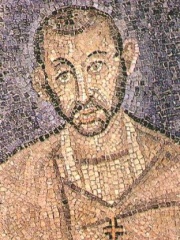
Ambrose
RELIGIOUS FIGURE
340 - 397
HPI: 81.26
Место: 2
Nectarius of Constantinople
RELIGIOUS FIGURE
HPI: 64.98
Место: 3
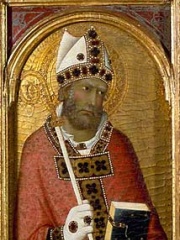
Geminianus
RELIGIOUS FIGURE
312 - 397
HPI: 61.62
Место: 4
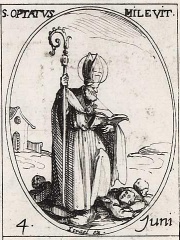
Optatus
RELIGIOUS FIGURE
400 - 397
HPI: 59.42
Место: 5
В стране Венгрия
Среди людей, родившихся в стране Венгрия, Мартин Турский занимает 2-е место из 1,306. Перед ним идёт Ferenc Puskás (1927). После него идут George Soros (1930), Gaiseric (389), Theodor Herzl (1860), Elizabeth Báthory (1560), Louis II of Hungary (1506), Rudolf Steiner (1861), Stephen I of Hungary (975), John von Neumann (1903), Ignaz Semmelweis (1818), и Matthias Corvinus (1443).
Другие люди, родившиеся в стране Венгрия
Все рейтинги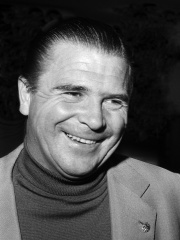
Ferenc Puskás
SOCCER PLAYER
1927 - 2006
HPI: 82.61
Место: 1
Martin of Tours
RELIGIOUS FIGURE
316 - 397
HPI: 81.41
Место: 2

George Soros
BUSINESSPERSON
1930 - наст. время
HPI: 81.39
Место: 3
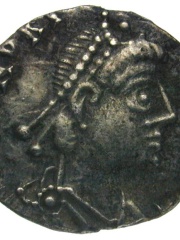
Gaiseric
POLITICIAN
389 - 477
HPI: 81.16
Место: 4
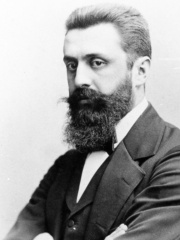
Theodor Herzl
WRITER
1860 - 1904
HPI: 81.04
Место: 5
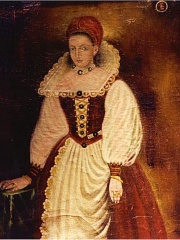
Elizabeth Báthory
EXTREMIST
1560 - 1614
HPI: 80.77
Место: 6
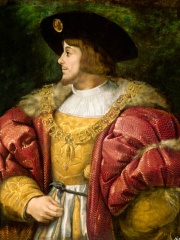
Louis II of Hungary
POLITICIAN
1506 - 1526
HPI: 80.54
Место: 7
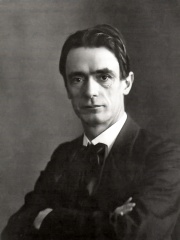
Rudolf Steiner
PHILOSOPHER
1861 - 1925
HPI: 80.38
Место: 8
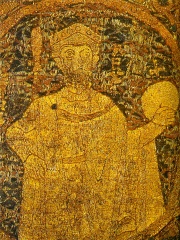
Stephen I of Hungary
POLITICIAN
975 - 1038
HPI: 80.19
Место: 9

John von Neumann
MATHEMATICIAN
1903 - 1957
HPI: 79.93
Место: 10
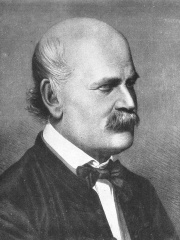
Ignaz Semmelweis
PHYSICIAN
1818 - 1865
HPI: 79.73
Место: 11
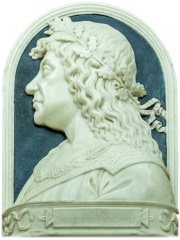
Matthias Corvinus
POLITICIAN
1443 - 1490
HPI: 79.23
Место: 12
Среди представителей профессии «Религиозный деятель» в стране Венгрия
Среди представителей профессии «Религиозный деятель», родившихся в стране Венгрия, Мартин Турский занимает 1-е место. После него идут Péter Erdő (1952), Kinga of Poland (1224), József Mindszenty (1892), Saint Emeric of Hungary (1000), Saint Margaret of Scotland (1045), Yolanda of Poland (1235), Nicolaus Olahus (1493), Friar Julian (1250), Sára Salkaházi (1899), László Paskai (1927), и Vilmos Zsigmond (1930).
Martin of Tours
316 - 397
HPI: 81.41
Место: 1
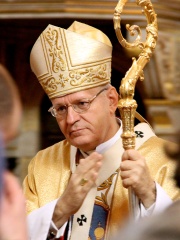
Péter Erdő
1952 - наст. время
HPI: 70.94
Место: 2
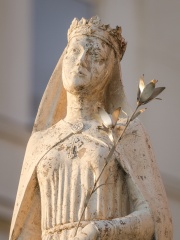
Kinga of Poland
1224 - 1292
HPI: 70.77
Место: 3

József Mindszenty
1892 - 1975
HPI: 69.50
Место: 4
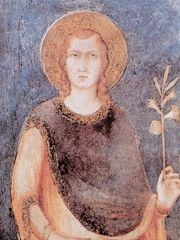
Saint Emeric of Hungary
1000 - 1031
HPI: 67.21
Место: 5
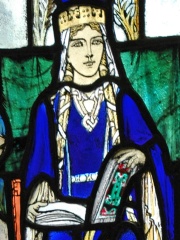
Saint Margaret of Scotland
1045 - 1093
HPI: 67.12
Место: 6
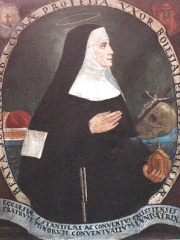
Yolanda of Poland
1235 - 1298
HPI: 66.29
Место: 7
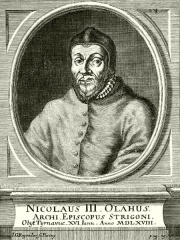
Nicolaus Olahus
1493 - 1568
HPI: 62.56
Место: 8
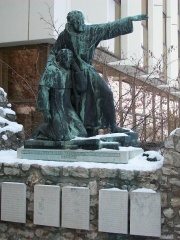
Friar Julian
1250 - наст. время
HPI: 60.69
Место: 9
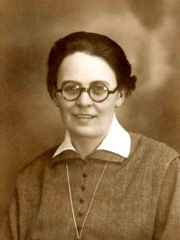
Sára Salkaházi
1899 - 1944
HPI: 60.32
Место: 10
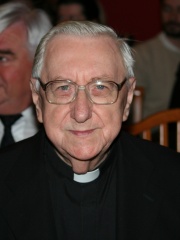
László Paskai
1927 - 2015
HPI: 59.65
Место: 11
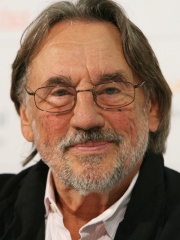
Vilmos Zsigmond
1930 - 2016
HPI: 59.47
Место: 12




