Philosoph
Samuel ibn Tibbon
1150 - 1230
DE.WIKIPEDIA-SEITENAUFRUFE (PV)

 Samuel ibn Tibbon
Seine Biografie ist in 18 verschiedenen Sprachen auf Wikipedia verfügbar. Samuel ibn Tibbon ist der 1,064th beliebteste Philosoph (gesunken vom 1,049th im Jahr 2024), die 4,048th beliebteste Biografie aus Frankreich (gesunken vom 3,931st im Jahr 2019) und der 132nd beliebteste aus Frankreich Philosoph.
Bekanntheitsmetriken
6.5k
Seitenaufrufe
Letzte 12 Monate
57.58
HPI
Historischer Popularitätsindex
Seitenaufrufe von Samuel ibn Tibbon nach Sprache
Unter Philosoph
Unter Philosoph belegt Samuel ibn Tibbon Rang 1,064 von 1,267. Vor ihm stehen J. L. Mackie, Susan George, Jamil Sidqi al-Zahawi, Alois Riehl, Harald Høffding, und Boris Parygin. Nach ihm folgen Friedrich Eduard Beneke, Amina Wadud, István Mészáros, Edmund Gettier, Ayaan Hirsi Ali, und Fazlur Rahman Malik.
Die beliebtesten Philosoph auf Wikipedia
Zu allen Ranglisten
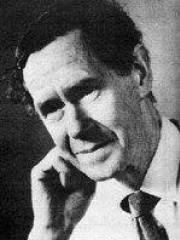
J. L. Mackie
1917 - 1981
HPI: 57.76
Rang: 1,058

Susan George
1934 - 2026
HPI: 57.74
Rang: 1,059
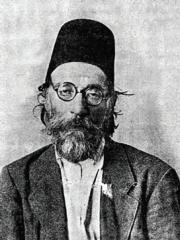
Jamil Sidqi al-Zahawi
1863 - 1936
HPI: 57.67
Rang: 1,060

Alois Riehl
1844 - 1924
HPI: 57.67
Rang: 1,061
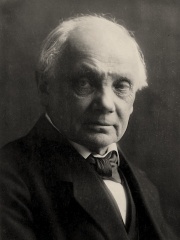
Harald Høffding
1843 - 1931
HPI: 57.66
Rang: 1,062
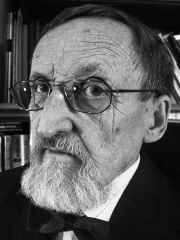
Boris Parygin
1930 - 2012
HPI: 57.59
Rang: 1,063
Samuel ibn Tibbon
1150 - 1230
HPI: 57.58
Rang: 1,064
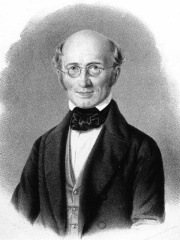
Friedrich Eduard Beneke
1798 - 1854
HPI: 57.55
Rang: 1,065
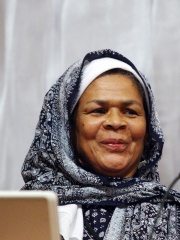
Amina Wadud
1952 - heute
HPI: 57.53
Rang: 1,066

István Mészáros
1930 - 2017
HPI: 57.52
Rang: 1,067
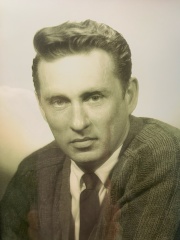
Edmund Gettier
1927 - 2021
HPI: 57.48
Rang: 1,068
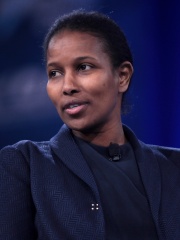
Ayaan Hirsi Ali
1969 - heute
HPI: 57.46
Rang: 1,069

Fazlur Rahman Malik
1919 - 1988
HPI: 57.45
Rang: 1,070

Zeitgenossen
Unter den im Jahr 1150 Geborenen belegt Samuel ibn Tibbon Rang 32. Vor ihm stehen Stephen Langton, Mstislav III of Kiev, Wincenty Kadłubek, Orio Mastropiero, Benedetto Antelami, und Rosamund Clifford. Nach ihm folgen Aram Shah, und Erling Steinvegg. Unter den im Jahr 1230 Verstorbenen belegt Samuel ibn Tibbon Rang 12. Vor ihm stehen Alfonso IX of León, Leopold VI, Duke of Austria, Pelagio Galvani, Margaret, Countess of Blois, Pietro Ziani, und Benedetto Antelami.
Weitere im Jahr 1150 Geborene
Zu allen Ranglisten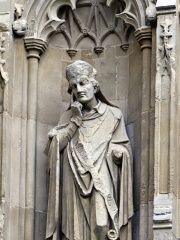
Stephen Langton
RELIGIOUS FIGURE
1150 - 1228
HPI: 61.22
Rang: 26
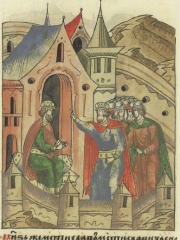
Mstislav III of Kiev
POLITICIAN
1150 - 1223
HPI: 60.98
Rang: 27
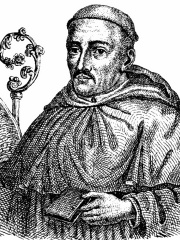
Wincenty Kadłubek
RELIGIOUS FIGURE
1150 - 1223
HPI: 59.98
Rang: 28
Orio Mastropiero
POLITICIAN
1150 - 1192
HPI: 58.62
Rang: 29
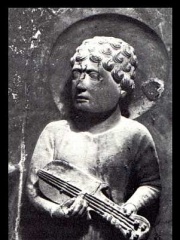
Benedetto Antelami
ARCHITECT
1150 - 1230
HPI: 58.43
Rang: 30

Rosamund Clifford
POLITICIAN
1150 - 1176
HPI: 58.42
Rang: 31
Samuel ibn Tibbon
PHILOSOPHER
1150 - 1230
HPI: 57.58
Rang: 32

Aram Shah
POLITICIAN
1150 - 1211
HPI: 57.25
Rang: 33

Erling Steinvegg
NOBLEMAN
1150 - 1207
HPI: 53.42
Rang: 34
Weitere im Jahr 1230 Verstorbene
Zu allen Ranglisten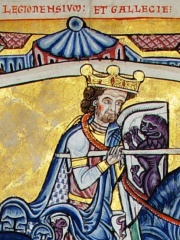
Alfonso IX of León
POLITICIAN
1171 - 1230
HPI: 70.51
Rang: 6
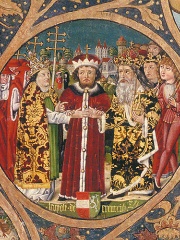
Leopold VI, Duke of Austria
POLITICIAN
1176 - 1230
HPI: 68.40
Rang: 7
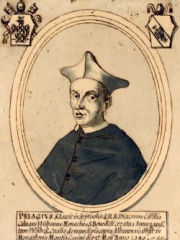
Pelagio Galvani
RELIGIOUS FIGURE
1165 - 1230
HPI: 62.57
Rang: 8
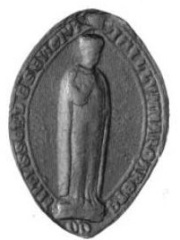
Margaret, Countess of Blois
POLITICIAN
1164 - 1230
HPI: 61.10
Rang: 9
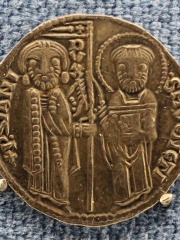
Pietro Ziani
POLITICIAN
1153 - 1230
HPI: 60.89
Rang: 10
Benedetto Antelami
ARCHITECT
1150 - 1230
HPI: 58.43
Rang: 11
Samuel ibn Tibbon
PHILOSOPHER
1150 - 1230
HPI: 57.58
Rang: 12
In Frankreich
Unter den in Frankreich Geborenen belegt Samuel ibn Tibbon Rang 4,048 von NaN. Vor ihm stehen Henri Regnault (1843), Nicolas Dalayrac (1753), Alain Cavalier (1931), Véronique Sanson (1949), Louis Augustin Guillaume Bosc (1759), und Viviane Romance (1912). Nach ihm folgen Raoul Coutard (1924), Henri Dentz (1881), Paul Bert (1833), Drogo of Hauteville (1010), Bernard-Pierre Donnadieu (1949), und Bruno Dumont (1958).
Weitere in Frankreich geborene Personen
Zu allen Ranglisten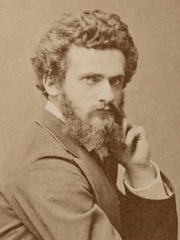
Henri Regnault
PAINTER
1843 - 1871
HPI: 57.61
Rang: 4,042
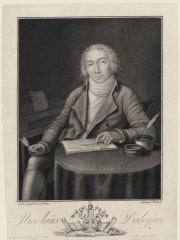
Nicolas Dalayrac
COMPOSER
1753 - 1809
HPI: 57.61
Rang: 4,043
Alain Cavalier
FILM DIRECTOR
1931 - heute
HPI: 57.61
Rang: 4,044

Véronique Sanson
MUSICIAN
1949 - heute
HPI: 57.61
Rang: 4,045
Louis Augustin Guillaume Bosc
BIOLOGIST
1759 - 1828
HPI: 57.59
Rang: 4,046
Viviane Romance
ACTOR
1912 - 1991
HPI: 57.59
Rang: 4,047
Samuel ibn Tibbon
PHILOSOPHER
1150 - 1230
HPI: 57.58
Rang: 4,048
Raoul Coutard
FILM DIRECTOR
1924 - 2016
HPI: 57.58
Rang: 4,049
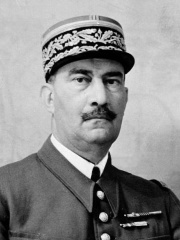
Henri Dentz
MILITARY PERSONNEL
1881 - 1945
HPI: 57.58
Rang: 4,050
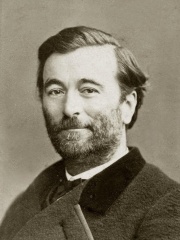
Paul Bert
BIOLOGIST
1833 - 1886
HPI: 57.58
Rang: 4,051
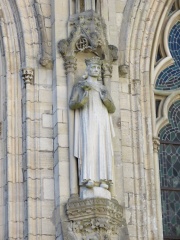
Drogo of Hauteville
MILITARY PERSONNEL
1010 - 1051
HPI: 57.58
Rang: 4,052

Bernard-Pierre Donnadieu
ACTOR
1949 - 2010
HPI: 57.57
Rang: 4,053

Bruno Dumont
FILM DIRECTOR
1958 - heute
HPI: 57.56
Rang: 4,054
Unter Philosoph in Frankreich
Unter den in Frankreich geborenen Philosoph belegt Samuel ibn Tibbon Rang 132. Vor ihm stehen Anselm of Laon (1050), Didier Eribon (1953), Philippe Lacoue-Labarthe (1940), Rémi Brague (1947), Jean François de Saint-Lambert (1716), und Michel Onfray (1959). Nach ihm folgen Clémence Royer (1830), Jean Cavaillès (1903), Roger de Rabutin, Comte de Bussy (1618), Lucien Sève (1926), Max Bense (1910), und André Comte-Sponville (1952).

Anselm of Laon
1050 - 1117
HPI: 58.32
Rang: 126
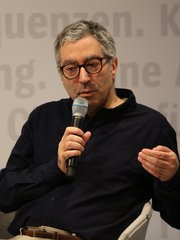
Didier Eribon
1953 - heute
HPI: 58.29
Rang: 127

Philippe Lacoue-Labarthe
1940 - 2007
HPI: 58.25
Rang: 128
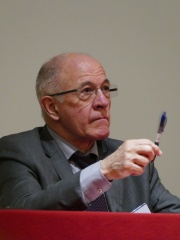
Rémi Brague
1947 - heute
HPI: 58.23
Rang: 129
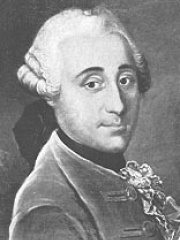
Jean François de Saint-Lambert
1716 - 1803
HPI: 58.19
Rang: 130
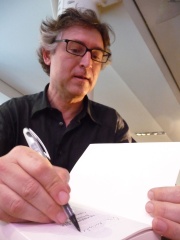
Michel Onfray
1959 - heute
HPI: 58.07
Rang: 131
Samuel ibn Tibbon
1150 - 1230
HPI: 57.58
Rang: 132
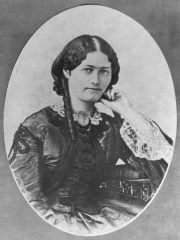
Clémence Royer
1830 - 1902
HPI: 56.96
Rang: 133
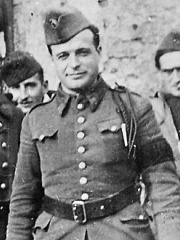
Jean Cavaillès
1903 - 1944
HPI: 56.89
Rang: 134
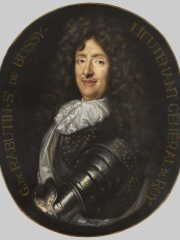
Roger de Rabutin, Comte de Bussy
1618 - 1693
HPI: 56.10
Rang: 135

Lucien Sève
1926 - 2020
HPI: 55.88
Rang: 136
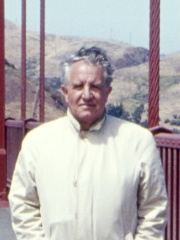
Max Bense
1910 - 1990
HPI: 55.69
Rang: 137
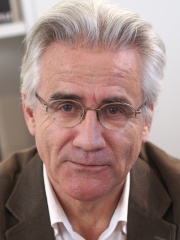
André Comte-Sponville
1952 - heute
HPI: 55.47
Rang: 138




