Filozófus
Saadia Gaon
882 - 942
HU.WIKIPEDIA OLDALMEGTEKINTÉSEK (PV)

 Saadia Gaon
Életrajza 34 különböző nyelven érhető el a Wikipédián. Saadia Gaon a 393rd legnépszerűbb filozófus (csökkenés a 382nd-ről 2024-ben), a 187th legnépszerűbb életrajz Egyiptom országából (csökkenés a 180th-ről 2019-ben) és a 9th legnépszerűbb Egyiptomból filozófus.
Ismertségi mutatók
46k
Oldalmegtekintések
Elmúlt 12 hónap
68.42
HPI
Történelmi népszerűségi index
Saadia Gaon oldalmegtekintései nyelvenként
A(z) Filozófus között
A(z) Filozófus között Saadia Gaon a(z) 393. helyen áll 1,267 közül. Előtte állnak: Philo of Larissa, Ban Zhao, Richard Avenarius, Guan Zhong, Shahab al-Din Yahya ibn Habash Suhrawardi, és Haji Bektash Veli. Utána következnek: Archelaus, A. S. Neill, J. L. Austin, Bartolus de Saxoferrato, Anne Conway, és Carl Gustav Hempel.
A legnépszerűbb Filozófus a Wikipédián
Összes rangsor megtekintése
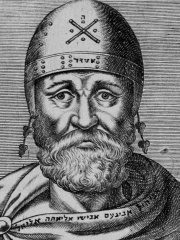
Philo of Larissa
145 BC - 79 BC
HPI: 68.58
Helyezés: 387

Ban Zhao
45 - 115
HPI: 68.55
Helyezés: 388
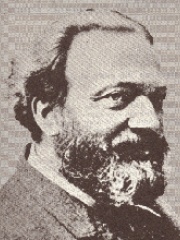
Richard Avenarius
1843 - 1896
HPI: 68.54
Helyezés: 389
Guan Zhong
720 BC - 645 BC
HPI: 68.47
Helyezés: 390

Shahab al-Din Yahya ibn Habash Suhrawardi
1155 - 1191
HPI: 68.46
Helyezés: 391
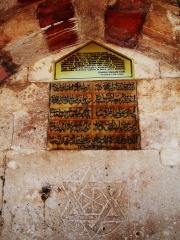
Haji Bektash Veli
1209 - 1271
HPI: 68.44
Helyezés: 392
Saadia Gaon
882 - 942
HPI: 68.42
Helyezés: 393
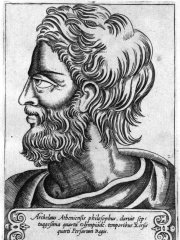
Archelaus
500 BC - 430 BC
HPI: 68.42
Helyezés: 394

A. S. Neill
1883 - 1973
HPI: 68.40
Helyezés: 395

J. L. Austin
1911 - 1960
HPI: 68.39
Helyezés: 396
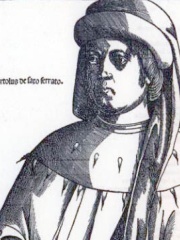
Bartolus de Saxoferrato
1313 - 1357
HPI: 68.37
Helyezés: 397

Anne Conway
1631 - 1679
HPI: 68.32
Helyezés: 398
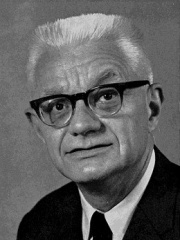
Carl Gustav Hempel
1905 - 1997
HPI: 68.26
Helyezés: 399

Kortársak
A(z) 882. évben születettek között Saadia Gaon a(z) 1. helyen áll. Utána következnek: Muhammad ibn Tughj al-Ikhshid, és Jimeno Garcés of Pamplona. A(z) 942. évben elhunytak között Saadia Gaon a(z) 3. helyen áll. Előtte állnak: William Longsword, és Pope Stephen VIII. Utána következnek: Odo of Cluny, Fulk I, Count of Anjou, Shi Jingtang, Pietro Participazio, és Agapius of Hierapolis.
További személyek, akik a(z) 882. évben születtek
Összes rangsor megtekintéseSaadia Gaon
PHILOSOPHER
882 - 942
HPI: 68.42
Helyezés: 1
Muhammad ibn Tughj al-Ikhshid
POLITICIAN
882 - 946
HPI: 63.07
Helyezés: 2

Jimeno Garcés of Pamplona
POLITICIAN
882 - 931
HPI: 60.76
Helyezés: 3
További személyek, akik a(z) 942. évben hunytak el
Összes rangsor megtekintése
William Longsword
POLITICIAN
893 - 942
HPI: 75.81
Helyezés: 1
Pope Stephen VIII
RELIGIOUS FIGURE
900 - 942
HPI: 74.77
Helyezés: 2
Saadia Gaon
PHILOSOPHER
882 - 942
HPI: 68.42
Helyezés: 3

Odo of Cluny
WRITER
878 - 942
HPI: 65.70
Helyezés: 4

Fulk I, Count of Anjou
POLITICIAN
870 - 942
HPI: 64.93
Helyezés: 5

Shi Jingtang
MILITARY PERSONNEL
892 - 942
HPI: 59.00
Helyezés: 6

Pietro Participazio
POLITICIAN
939 - 942
HPI: 57.30
Helyezés: 7

Agapius of Hierapolis
WRITER
HPI: 56.43
Helyezés: 8
A(z) Egyiptom rangsorában
A(z) Egyiptom területén születettek között Saadia Gaon a(z) 187. helyen áll NaN közül. Előtte állnak: Senenmut (-1600), Faten Hamama (1931), Sanakht (-2700), Amyrtaeus (-450), Mohamed Atta (1968), és Al-Muazzam Turanshah (1250). Utána következnek: Al-Mutawakkil III (1500), Basilides (117), Djedkare Isesi (-2500), Nazli Sabri (1894), Taha Hussein (1889), és Intef II (-2150).
További személyek, akik Egyiptom területén születtek
Összes rangsor megtekintése
Senenmut
ARCHITECT
1600 BC - 1463 BC
HPI: 68.57
Helyezés: 181

Faten Hamama
ACTOR
1931 - 2015
HPI: 68.51
Helyezés: 182
Sanakht
POLITICIAN
2700 BC - 2715 BC
HPI: 68.50
Helyezés: 183
Amyrtaeus
POLITICIAN
450 BC - 399 BC
HPI: 68.49
Helyezés: 184

Mohamed Atta
EXTREMIST
1968 - 2001
HPI: 68.45
Helyezés: 185

Al-Muazzam Turanshah
POLITICIAN
1250 - 1250
HPI: 68.42
Helyezés: 186
Saadia Gaon
PHILOSOPHER
882 - 942
HPI: 68.42
Helyezés: 187

Al-Mutawakkil III
POLITICIAN
1500 - 1543
HPI: 68.42
Helyezés: 188

Basilides
RELIGIOUS FIGURE
117 - 140
HPI: 68.37
Helyezés: 189
Djedkare Isesi
POLITICIAN
2500 BC - 2380 BC
HPI: 68.29
Helyezés: 190
Nazli Sabri
COMPANION
1894 - 1978
HPI: 68.27
Helyezés: 191

Taha Hussein
WRITER
1889 - 1973
HPI: 68.25
Helyezés: 192
Intef II
POLITICIAN
2150 BC - 2073 BC
HPI: 68.20
Helyezés: 193
A(z) Filozófus között – Egyiptom
A(z) Egyiptom területén született Filozófus között Saadia Gaon a(z) 9. helyen áll. Előtte állnak: Athanasius of Alexandria (295), Philo (-15), Sextus Empiricus (160), Muhammad Abduh (1849), Ammonius Saccas (175), és John Philoponus (490). Utána következnek: Dhul-Nun al-Misri (796), Valentinus (100), Ammonius Hermiae (440), Syrianus (400), Olympiodorus the Younger (495), és Hermias (401).
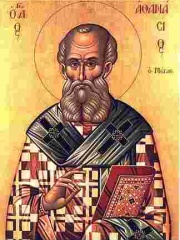
Athanasius of Alexandria
295 - 373
HPI: 79.92
Helyezés: 3
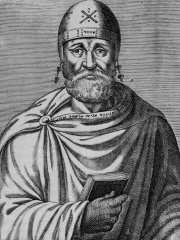
Philo
15 BC - 45
HPI: 76.66
Helyezés: 4
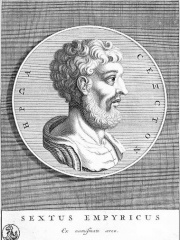
Sextus Empiricus
160 - 210
HPI: 74.77
Helyezés: 5
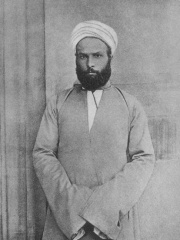
Muhammad Abduh
1849 - 1905
HPI: 73.35
Helyezés: 6

Ammonius Saccas
175 - 242
HPI: 71.27
Helyezés: 7

John Philoponus
490 - 570
HPI: 69.25
Helyezés: 8
Saadia Gaon
882 - 942
HPI: 68.42
Helyezés: 9

Dhul-Nun al-Misri
796 - 859
HPI: 67.23
Helyezés: 10

Valentinus
100 - 160
HPI: 66.01
Helyezés: 11
Ammonius Hermiae
440 - 523
HPI: 65.51
Helyezés: 12

Syrianus
400 - 437
HPI: 64.23
Helyezés: 13

Olympiodorus the Younger
495 - 570
HPI: 64.18
Helyezés: 14

Hermias
401 - 450
HPI: 62.70
Helyezés: 15




