Политик
Orio Mastropiero
1150 - 1192
ПРОСМОТРЫ RU.WIKIPEDIA (PV)
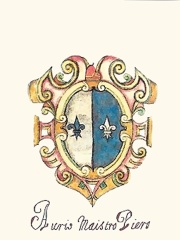
 Orio Mastropiero
Его биография доступна на 18 различных языках в Википедии (рост с 17 в 2024 году). Orio Mastropiero занимает 12681-е место среди самых популярных политик (снижение с 8110-е места в 2024 году), занимает 3141-е место среди самых популярных биографий из Италии (снижение с 2124-е места в 2019 году) и занимает 772-е место среди политик Италия.
Метрики памятности
8.0k
Просмотры страниц
За последние 12 месяцев
58.62
HPI
Индекс исторической популярности
Интересные факты
#43,259
Спустя более 8 веков после смерти Orio Mastropiero по-прежнему занимает 43,259-е место среди всех личностей в Pantheon.
Просмотры страницы Orio Mastropiero по языкам
Среди представителей профессии «Политик»
Среди представителей профессии «Политик» Orio Mastropiero занимает 12,675-е место из 19,576. Перед ним идут Laches, Matthias II, Duke of Lorraine, Eudamidas I, Liu Zhiyuan, Jan Olszewski, и Pedro Carmona. После него идут Lorenzo Celsi, Mohammad Ali Khan Zand, John Key, Decimus Junius Silanus Torquatus, Mangrai, и Tiye.
Самые популярные в Википедии: Политик
Все рейтинги

Laches
475 BC - 418 BC
HPI: 58.62
Место: 12,675
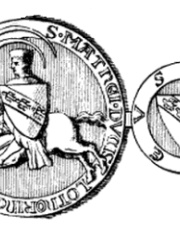
Matthias II, Duke of Lorraine
1193 - 1251
HPI: 58.62
Место: 12,676

Eudamidas I
400 BC - 300 BC
HPI: 58.62
Место: 12,677
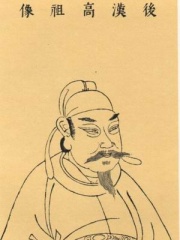
Liu Zhiyuan
895 - 948
HPI: 58.62
Место: 12,678
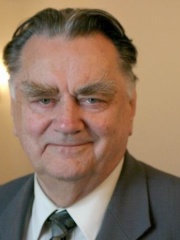
Jan Olszewski
1930 - 2019
HPI: 58.62
Место: 12,679
Pedro Carmona
1941 - наст. время
HPI: 58.62
Место: 12,680
Orio Mastropiero
1150 - 1192
HPI: 58.62
Место: 12,681
Lorenzo Celsi
1310 - 1365
HPI: 58.62
Место: 12,682

Mohammad Ali Khan Zand
1760 - 1779
HPI: 58.62
Место: 12,683

John Key
1961 - наст. время
HPI: 58.61
Место: 12,684

Decimus Junius Silanus Torquatus
16 - 64
HPI: 58.61
Место: 12,685
Mangrai
1238 - 1311
HPI: 58.61
Место: 12,686
Tiye
1150 BC - 1155 BC
HPI: 58.61
Место: 12,687

Современники
Среди людей, родившихся в 1150 году, Orio Mastropiero занимает 29-е место. Перед ним идут Andreas Capellanus, Conon de Béthune, Heinrich von Veldeke, Stephen Langton, Mstislav III of Kiev, и Wincenty Kadłubek. После него идут Benedetto Antelami, Rosamund Clifford, Samuel ibn Tibbon, Aram Shah, и Erling Steinvegg. Среди людей, умерших в 1192 году, Orio Mastropiero занимает 9-е место. Перед ним идут Kilij Arslan II, Prithviraj Chauhan, Emperor Go-Shirakawa, Hugh III, Duke of Burgundy, Garnier de Nablus, и Wenceslaus II, Duke of Bohemia. После него идёт Adam of Saint Victor.
Другие люди, родившиеся в 1150 году
Все рейтинги
Andreas Capellanus
WRITER
1150 - 1220
HPI: 61.97
Место: 23

Conon de Béthune
POLITICIAN
1150 - 1219
HPI: 61.79
Место: 24
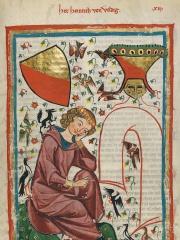
Heinrich von Veldeke
WRITER
1150 - 1184
HPI: 61.49
Место: 25
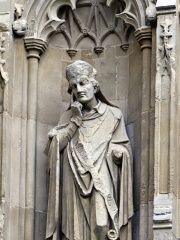
Stephen Langton
RELIGIOUS FIGURE
1150 - 1228
HPI: 61.22
Место: 26
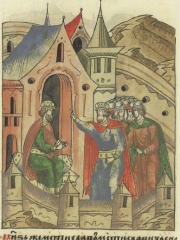
Mstislav III of Kiev
POLITICIAN
1150 - 1223
HPI: 60.98
Место: 27
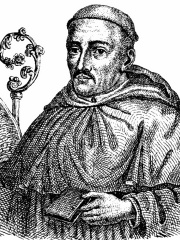
Wincenty Kadłubek
RELIGIOUS FIGURE
1150 - 1223
HPI: 59.98
Место: 28
Orio Mastropiero
POLITICIAN
1150 - 1192
HPI: 58.62
Место: 29
Benedetto Antelami
ARCHITECT
1150 - 1230
HPI: 58.43
Место: 30

Rosamund Clifford
POLITICIAN
1150 - 1176
HPI: 58.42
Место: 31

Samuel ibn Tibbon
PHILOSOPHER
1150 - 1230
HPI: 57.58
Место: 32

Aram Shah
POLITICIAN
1150 - 1211
HPI: 57.25
Место: 33

Erling Steinvegg
NOBLEMAN
1150 - 1207
HPI: 53.42
Место: 34
Другие люди, умершие в 1192 году
Все рейтинги
Kilij Arslan II
POLITICIAN
1155 - 1192
HPI: 68.25
Место: 3
Prithviraj Chauhan
POLITICIAN
1159 - 1192
HPI: 66.56
Место: 4
Emperor Go-Shirakawa
POLITICIAN
1127 - 1192
HPI: 65.88
Место: 5
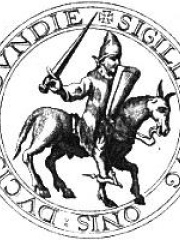
Hugh III, Duke of Burgundy
POLITICIAN
1142 - 1192
HPI: 65.24
Место: 6
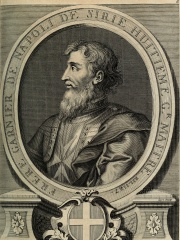
Garnier de Nablus
POLITICIAN
1200 - 1192
HPI: 61.90
Место: 7

Wenceslaus II, Duke of Bohemia
POLITICIAN
1137 - 1192
HPI: 61.71
Место: 8
Orio Mastropiero
POLITICIAN
1150 - 1192
HPI: 58.62
Место: 9
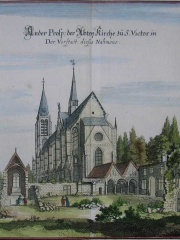
Adam of Saint Victor
WRITER
1122 - 1192
HPI: 57.77
Место: 10
В стране Италия
Среди людей, родившихся в стране Италия, Orio Mastropiero занимает 3,141-е место из 5,161. Перед ним идут Arator (500), Giuseppe Prinzi (1825), Achille Lauro (1887), Giuseppe Taddei (1916), Piero Cappuccilli (1929), и Teresa de Lauretis (1938). После него идут Antonio Beccadelli (1394), Lorenzo Celsi (1310), Giovanni Brunero (1895), Gabriele Oriali (1952), Francesco Provenzale (1632), и Domenico Tintoretto (1560).
Другие люди, родившиеся в стране Италия
Все рейтинги
Arator
WRITER
500 - 543
HPI: 58.63
Место: 3,135
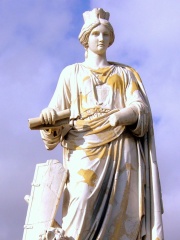
Giuseppe Prinzi
SCULPTOR
1825 - 1895
HPI: 58.63
Место: 3,136
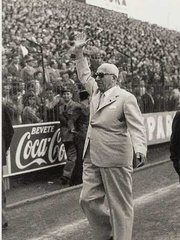
Achille Lauro
POLITICIAN
1887 - 1982
HPI: 58.63
Место: 3,137

Giuseppe Taddei
SINGER
1916 - 2010
HPI: 58.63
Место: 3,138
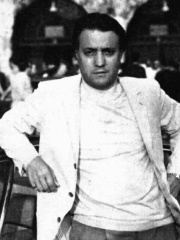
Piero Cappuccilli
SINGER
1929 - 2005
HPI: 58.62
Место: 3,139
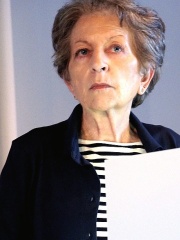
Teresa de Lauretis
WRITER
1938 - 2026
HPI: 58.62
Место: 3,140
Orio Mastropiero
POLITICIAN
1150 - 1192
HPI: 58.62
Место: 3,141
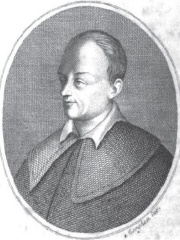
Antonio Beccadelli
WRITER
1394 - 1471
HPI: 58.62
Место: 3,142
Lorenzo Celsi
POLITICIAN
1310 - 1365
HPI: 58.62
Место: 3,143
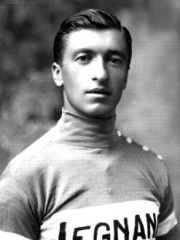
Giovanni Brunero
CYCLIST
1895 - 1934
HPI: 58.62
Место: 3,144

Gabriele Oriali
SOCCER PLAYER
1952 - наст. время
HPI: 58.59
Место: 3,145

Francesco Provenzale
COMPOSER
1632 - 1704
HPI: 58.59
Место: 3,146
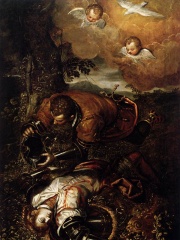
Domenico Tintoretto
PAINTER
1560 - 1635
HPI: 58.58
Место: 3,147
Среди представителей профессии «Политик» в стране Италия
Среди представителей профессии «Политик», родившихся в стране Италия, Orio Mastropiero занимает 772-е место. Перед ним идут Alvise Contarini (1601), Nicolò Donato (1539), Publius Decius Mus (-400), Ernest von Koerber (1850), Gaius Fabricius Luscinus (-250), и Achille Lauro (1887). После него идут Lorenzo Celsi (1310), Marcus Plautius Silvanus (null), Francesco Loredan (1685), Giulio Cesare Polerio (1548), Marcus Aurelius Cotta (-150), и Tommaso Tittoni (1855).
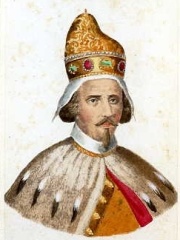
Alvise Contarini
1601 - 1684
HPI: 58.77
Место: 766
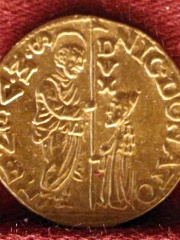
Nicolò Donato
1539 - 1618
HPI: 58.73
Место: 767
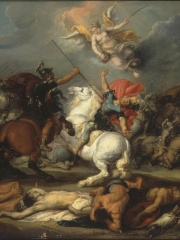
Publius Decius Mus
400 BC - 279 BC
HPI: 58.73
Место: 768
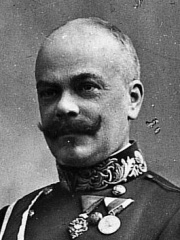
Ernest von Koerber
1850 - 1919
HPI: 58.69
Место: 769
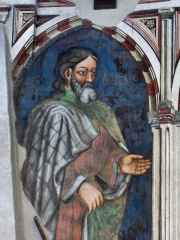
Gaius Fabricius Luscinus
250 BC - наст. время
HPI: 58.66
Место: 770
Achille Lauro
1887 - 1982
HPI: 58.63
Место: 771
Orio Mastropiero
1150 - 1192
HPI: 58.62
Место: 772
Lorenzo Celsi
1310 - 1365
HPI: 58.62
Место: 773

Marcus Plautius Silvanus
HPI: 58.56
Место: 774
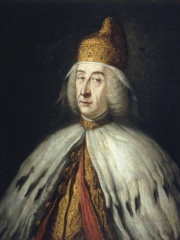
Francesco Loredan
1685 - 1762
HPI: 58.54
Место: 775

Giulio Cesare Polerio
1548 - 1612
HPI: 58.54
Место: 776

Marcus Aurelius Cotta
150 BC - 100 BC
HPI: 58.54
Место: 777
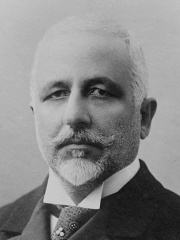
Tommaso Tittoni
1855 - 1931
HPI: 58.52
Место: 778




