Architekt
Renzo Piano
1937 - obecnie
WYŚWIETLENIA PL.WIKIPEDIA (PV)
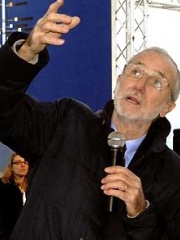
 Renzo Piano
Jego biografia jest dostępna w 66 różnych językach w Wikipedii (wzrost z 65 w 2024 roku). Renzo Piano jest 23. najpopularniejszym architekt, 507. najpopularniejszą biografią Włochy (spadek z 439. w 2019 roku) oraz 6. najpopularniejszym architekt Włochy.
Wskaźniki rozpoznawalności
350k
Wyświetlenia strony
Ostatnie 12 miesięcy
74.89
HPI
Indeks historycznej popularności
Wyświetlenia strony Renzo Piano według języka
Wśród przedstawicieli zawodu Architekt
Wśród przedstawicieli zawodu „Architekt” Renzo Piano zajmuje 23. miejsce na 518. Przed nim są Walter Gropius, Oscar Niemeyer, Frank Lloyd Wright, Francesco Borromini, Apollodorus of Damascus, i Georges-Eugène Haussmann. Po nim są Otto Wagner, Frank Gehry, Karl Friedrich Schinkel, Victor Horta, André Le Nôtre, i Adolf Loos.
Najpopularniejsi w Wikipedii: Architekt
Zobacz wszystkie rankingi
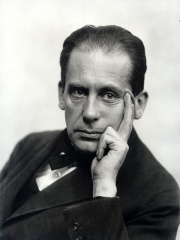
Walter Gropius
1883 - 1969
HPI: 78.26
Miejsce: 17
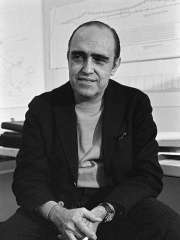
Oscar Niemeyer
1907 - 2012
HPI: 78.24
Miejsce: 18
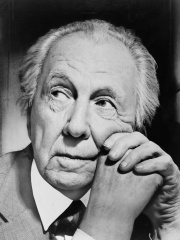
Frank Lloyd Wright
1867 - 1959
HPI: 77.46
Miejsce: 19
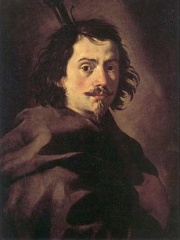
Francesco Borromini
1599 - 1667
HPI: 77.11
Miejsce: 20
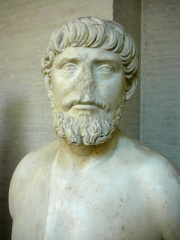
Apollodorus of Damascus
50 - 130
HPI: 76.33
Miejsce: 21
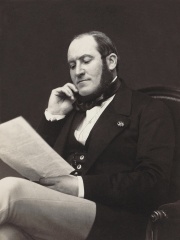
Georges-Eugène Haussmann
1809 - 1891
HPI: 75.89
Miejsce: 22
Renzo Piano
1937 - obecnie
HPI: 74.89
Miejsce: 23
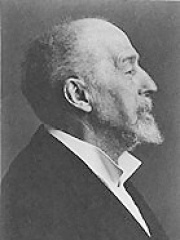
Otto Wagner
1841 - 1918
HPI: 74.75
Miejsce: 24
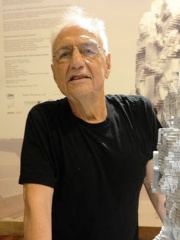
Frank Gehry
1929 - 2025
HPI: 74.75
Miejsce: 25
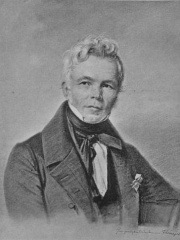
Karl Friedrich Schinkel
1781 - 1841
HPI: 74.55
Miejsce: 26
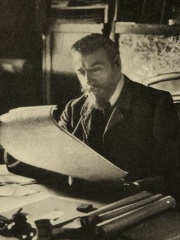
Victor Horta
1861 - 1947
HPI: 74.39
Miejsce: 27
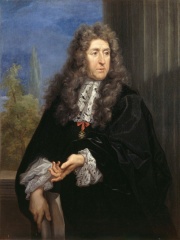
André Le Nôtre
1613 - 1700
HPI: 74.36
Miejsce: 28
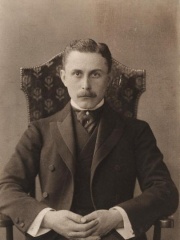
Adolf Loos
1870 - 1933
HPI: 74.17
Miejsce: 29

Współcześni
Wśród osób urodzonych w 1937 roku Renzo Piano zajmuje 19. miejsce. Przed nim są Bobby Charlton, Jane Fonda, Maumoon Abdul Gayoom, Queen Sonja of Norway, Abdelaziz Bouteflika, i Princess Birgitta of Sweden. Po nim są Robert Coleman Richardson, Robert Lucas Jr., Madeleine Albright, Vanessa Redgrave, Queen Paola of Belgium, i Avram Hershko.
Inne osoby urodzone w 1937 roku
Zobacz wszystkie rankingi
Bobby Charlton
SOCCER PLAYER
1937 - 2023
HPI: 76.54
Miejsce: 13
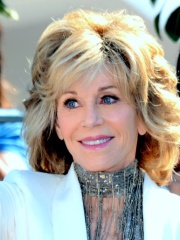
Jane Fonda
ACTOR
1937 - obecnie
HPI: 76.25
Miejsce: 14
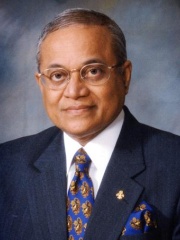
Maumoon Abdul Gayoom
POLITICIAN
1937 - obecnie
HPI: 75.99
Miejsce: 15
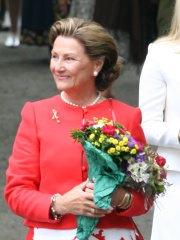
Queen Sonja of Norway
COMPANION
1937 - obecnie
HPI: 75.72
Miejsce: 16
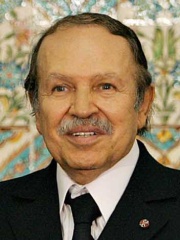
Abdelaziz Bouteflika
POLITICIAN
1937 - 2021
HPI: 75.61
Miejsce: 17
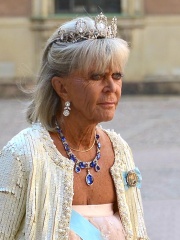
Princess Birgitta of Sweden
POLITICIAN
1937 - 2024
HPI: 74.97
Miejsce: 18
Renzo Piano
ARCHITECT
1937 - obecnie
HPI: 74.89
Miejsce: 19
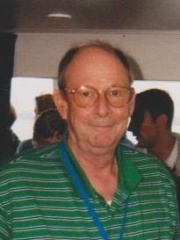
Robert Coleman Richardson
PHYSICIST
1937 - 2013
HPI: 74.47
Miejsce: 20
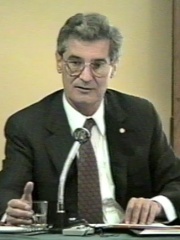
Robert Lucas Jr.
ECONOMIST
1937 - 2023
HPI: 74.05
Miejsce: 21
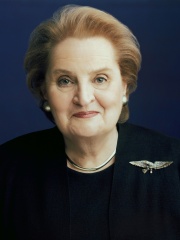
Madeleine Albright
DIPLOMAT
1937 - 2022
HPI: 73.77
Miejsce: 22
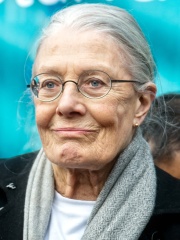
Vanessa Redgrave
ACTOR
1937 - obecnie
HPI: 73.21
Miejsce: 23
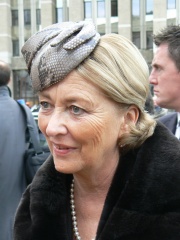
Queen Paola of Belgium
POLITICIAN
1937 - obecnie
HPI: 73.09
Miejsce: 24
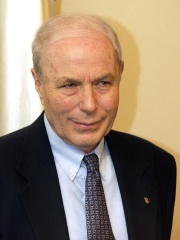
Avram Hershko
CHEMIST
1937 - obecnie
HPI: 73.09
Miejsce: 25
W kraju Włochy
Wśród osób urodzonych w kraju Włochy Renzo Piano zajmuje 507. miejsce na NaN. Przed nim są Pietro Badoglio (1871), Giuseppe Piazzi (1746), Piero di Cosimo de' Medici (1416), Marcello Malpighi (1628), Tiberius Claudius Nero (-85), i Pope John III (520). Po nim są Rita Levi-Montalcini (1909), Cesare Beccaria (1738), Maria Anna of Savoy (1803), Tinto Brass (1933), Pope Hilarius (415), i Victor Amadeus II of Sardinia (1666).
Inne osoby urodzone w kraju Włochy
Zobacz wszystkie rankingi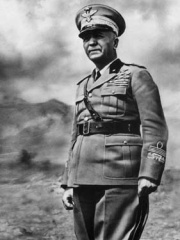
Pietro Badoglio
POLITICIAN
1871 - 1956
HPI: 75.01
Miejsce: 501
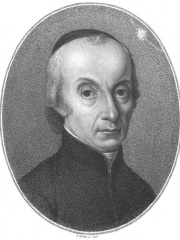
Giuseppe Piazzi
ASTRONOMER
1746 - 1826
HPI: 74.97
Miejsce: 502
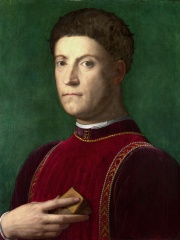
Piero di Cosimo de' Medici
POLITICIAN
1416 - 1469
HPI: 74.95
Miejsce: 503
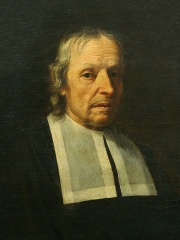
Marcello Malpighi
PHYSICIAN
1628 - 1694
HPI: 74.93
Miejsce: 504
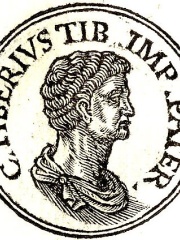
Tiberius Claudius Nero
POLITICIAN
85 BC - 33 BC
HPI: 74.93
Miejsce: 505
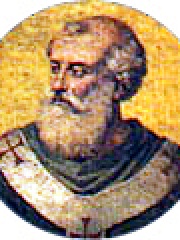
Pope John III
RELIGIOUS FIGURE
520 - 574
HPI: 74.93
Miejsce: 506
Renzo Piano
ARCHITECT
1937 - obecnie
HPI: 74.89
Miejsce: 507
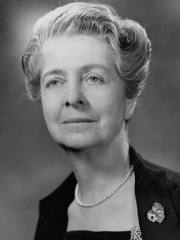
Rita Levi-Montalcini
PHYSICIAN
1909 - 2012
HPI: 74.89
Miejsce: 508
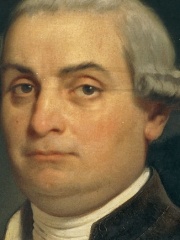
Cesare Beccaria
PHILOSOPHER
1738 - 1794
HPI: 74.89
Miejsce: 509
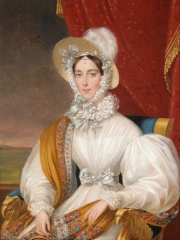
Maria Anna of Savoy
POLITICIAN
1803 - 1884
HPI: 74.82
Miejsce: 510
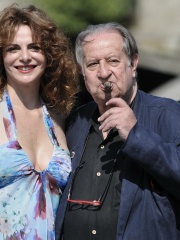
Tinto Brass
FILM DIRECTOR
1933 - obecnie
HPI: 74.81
Miejsce: 511
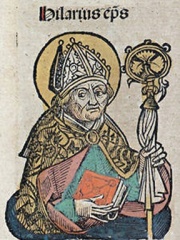
Pope Hilarius
RELIGIOUS FIGURE
415 - 468
HPI: 74.81
Miejsce: 512
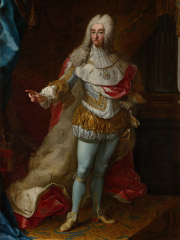
Victor Amadeus II of Sardinia
POLITICIAN
1666 - 1732
HPI: 74.80
Miejsce: 513
Wśród przedstawicieli zawodu Architekt w kraju Włochy
Wśród przedstawicieli zawodu „Architekt” urodzonych w kraju Włochy Renzo Piano zajmuje 6. miejsce. Przed nim są Gian Lorenzo Bernini (1598), Vitruvius (-75), Donato Bramante (1443), Andrea Palladio (1508), i Leon Battista Alberti (1404). Po nim są Giacomo Barozzi da Vignola (1507), Giacomo della Porta (1533), Arnolfo di Cambio (1240), Aldo Rossi (1931), Michelozzo (1396), i Guarino Guarini (1624).
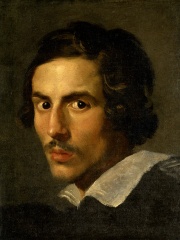
Gian Lorenzo Bernini
1598 - 1680
HPI: 83.54
Miejsce: 1
Vitruvius
75 BC - 15 BC
HPI: 82.46
Miejsce: 2
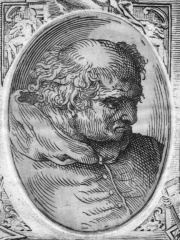
Donato Bramante
1443 - 1514
HPI: 81.20
Miejsce: 3
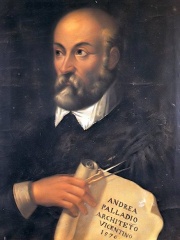
Andrea Palladio
1508 - 1580
HPI: 80.16
Miejsce: 4
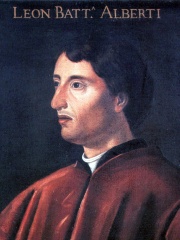
Leon Battista Alberti
1404 - 1472
HPI: 79.83
Miejsce: 5
Renzo Piano
1937 - obecnie
HPI: 74.89
Miejsce: 6
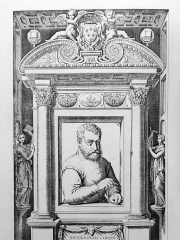
Giacomo Barozzi da Vignola
1507 - 1573
HPI: 72.02
Miejsce: 7
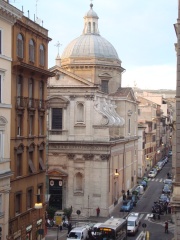
Giacomo della Porta
1533 - 1602
HPI: 71.94
Miejsce: 8
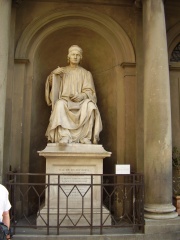
Arnolfo di Cambio
1240 - 1302
HPI: 71.60
Miejsce: 9
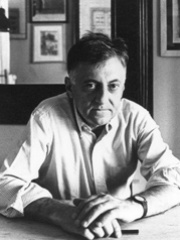
Aldo Rossi
1931 - 1997
HPI: 71.17
Miejsce: 10
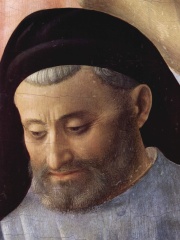
Michelozzo
1396 - 1472
HPI: 70.03
Miejsce: 11
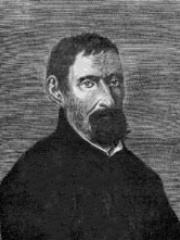
Guarino Guarini
1624 - 1683
HPI: 69.70
Miejsce: 12




