Scrittore
Kālidāsa
400 - 420
VISUALIZZAZIONI SU IT.WIKIPEDIA (PV)
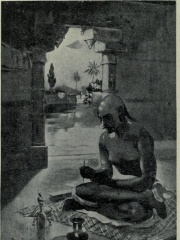
 Kālidāsa
La sua biografia è disponibile in 137 lingue su Wikipedia (in aumento rispetto a 133 nel 2024). Kālidāsa è il 85° scrittore più popolare (in aumento dal 252° nel 2024), la 10ª biografia più popolare dell'India (in aumento dal 25ª nel 2019) e il 3° scrittore più popolare dell'India.
Metriche di memorabilità
380k
Visualizzazioni
Ultimi 12 mesi
82.51
HPI
Indice di popolarità storica
Dati in evidenza
#1
Kālidāsa è la personalità più memorabile tra le 15 persone illustri nate a India, in quella che è oggi India, davanti a Patañjali (filosofo), Ānanda (monaco) e Padmasambhava.
#1
Delle 76 persone di Pantheon nate nel 400, Kālidāsa è la più memorabile.
20
Nonostante una vita di soli 20 anni, Kālidāsa occupa la posizione n. 85 tra tutti i Scrittore della storia.
#778
A oltre 16 secoli dalla morte, Kālidāsa occupa ancora la posizione n. 778 tra tutte le personalità di Pantheon.
Visualizzazioni della pagina di Kālidāsa per lingua
Tra Scrittore
Tra Scrittore, Kālidāsa occupa la posizione 85 su 7,302. Prima di lui ci sono George R. R. Martin, Lord Byron, Nikolai Gogol, D. H. Lawrence, Daniel Defoe, e Abu Nuwas. Dopo di lui ci sono Maxim Gorky, Du Fu, Pablo Neruda, George Bernard Shaw, Maurice Maeterlinck, e Kurt Vonnegut.
Scrittore più popolari su Wikipedia
Vai a tutte le classifiche

George R. R. Martin
1948 - presente
HPI: 82.87
Posizione: 79
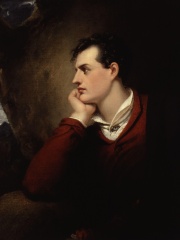
Lord Byron
1788 - 1824
HPI: 82.84
Posizione: 80
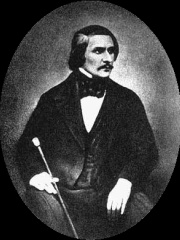
Nikolai Gogol
1809 - 1852
HPI: 82.82
Posizione: 81
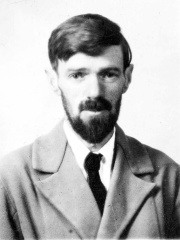
D. H. Lawrence
1885 - 1930
HPI: 82.80
Posizione: 82
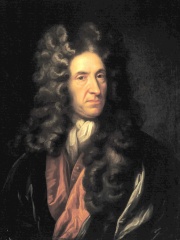
Daniel Defoe
1660 - 1731
HPI: 82.76
Posizione: 83
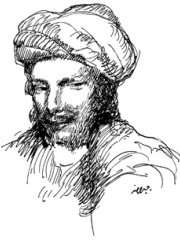
Abu Nuwas
762 - 814
HPI: 82.59
Posizione: 84
Kālidāsa
400 - 420
HPI: 82.51
Posizione: 85
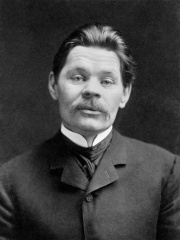
Maxim Gorky
1868 - 1936
HPI: 82.46
Posizione: 86
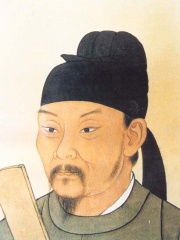
Du Fu
712 - 770
HPI: 82.41
Posizione: 87
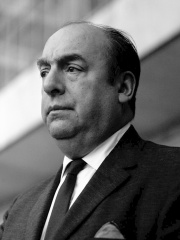
Pablo Neruda
1904 - 1973
HPI: 82.29
Posizione: 88
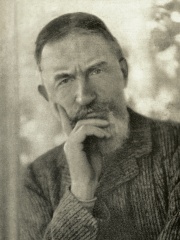
George Bernard Shaw
1856 - 1950
HPI: 82.20
Posizione: 89
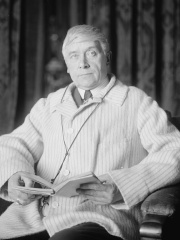
Maurice Maeterlinck
1862 - 1949
HPI: 82.17
Posizione: 90
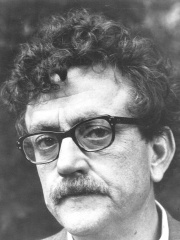
Kurt Vonnegut
1922 - 2007
HPI: 82.15
Posizione: 91

Contemporanei
Tra le persone nate nel 400, Kālidāsa occupa la posizione 1. Dopo di lui ci sono Pope Celestine I, Pope Zosimus, Saint Ursula, Merovech, Constantine III, Publius Flavius Vegetius Renatus, Vasubandhu, Olybrius, Ermanaric, Alexius of Rome, e Yazdegerd I. Tra le persone decedute nel 420, Kālidāsa occupa la posizione 1. Dopo di lui ci sono Jerome, Orosius, Pelagius, Porphyry of Gaza, Sulpicius Severus, Eunapius, Jeonji of Baekje, Shapur IV, e Castinus.
Altre persone nate nel 400
Vai a tutte le classificheKālidāsa
WRITER
400 - 420
HPI: 82.51
Posizione: 1

Pope Celestine I
RELIGIOUS FIGURE
400 - 432
HPI: 79.13
Posizione: 2
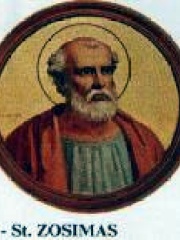
Pope Zosimus
RELIGIOUS FIGURE
400 - 418
HPI: 76.05
Posizione: 3
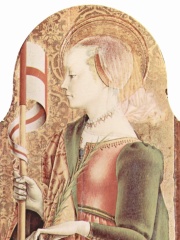
Saint Ursula
RELIGIOUS FIGURE
400 - 383
HPI: 75.60
Posizione: 4
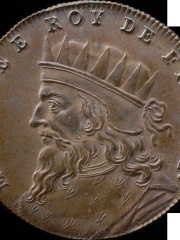
Merovech
POLITICIAN
400 - 457
HPI: 75.27
Posizione: 5
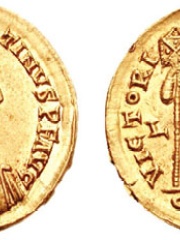
Constantine III
POLITICIAN
400 - 411
HPI: 74.79
Posizione: 6
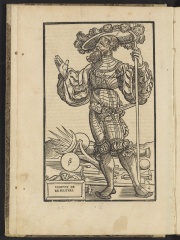
Publius Flavius Vegetius Renatus
WRITER
400 - 450
HPI: 74.64
Posizione: 7

Vasubandhu
WRITER
400 - 400
HPI: 72.33
Posizione: 8
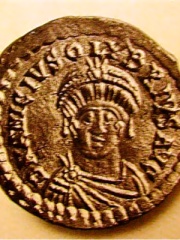
Olybrius
POLITICIAN
400 - 472
HPI: 72.19
Posizione: 9

Ermanaric
POLITICIAN
400 - 376
HPI: 71.00
Posizione: 10
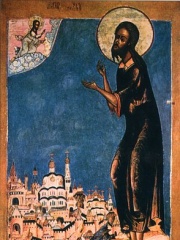
Alexius of Rome
RELIGIOUS FIGURE
400 - 412
HPI: 70.91
Posizione: 11
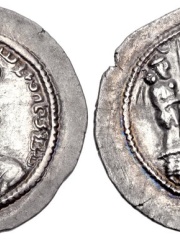
Yazdegerd I
POLITICIAN
400 - 421
HPI: 70.40
Posizione: 12
Altre persone decedute nel 420
Vai a tutte le classificheKālidāsa
WRITER
400 - 420
HPI: 82.51
Posizione: 1

Jerome
RELIGIOUS FIGURE
345 - 420
HPI: 82.20
Posizione: 2

Orosius
PHILOSOPHER
375 - 420
HPI: 73.52
Posizione: 3
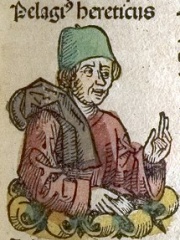
Pelagius
PHILOSOPHER
360 - 420
HPI: 72.38
Posizione: 4
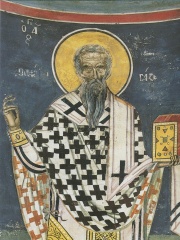
Porphyry of Gaza
RELIGIOUS FIGURE
347 - 420
HPI: 70.71
Posizione: 5

Sulpicius Severus
WRITER
360 - 420
HPI: 67.74
Posizione: 6

Eunapius
HISTORIAN
349 - 420
HPI: 66.64
Posizione: 7

Jeonji of Baekje
POLITICIAN
390 - 420
HPI: 62.01
Posizione: 8
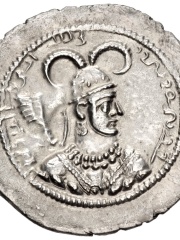
Shapur IV
POLITICIAN
HPI: 61.98
Posizione: 9

Castinus
POLITICIAN
400 - 420
HPI: 54.30
Posizione: 10
In India
Tra le persone nate in India, Kālidāsa occupa la posizione 10 su 1,861. Prima di lui ci sono Mumtaz Mahal (1593), George Orwell (1903), Ashoka (-304), Rajneesh (1931), Rabindranath Tagore (1861), e Swami Vivekananda (1863). Dopo di lui ci sono Vallabhbhai Patel (1875), Ramakrishna (1836), Pratibha Patil (1934), Mahavira (-599), A. P. J. Abdul Kalam (1931), e Amitabh Bachchan (1942).
Altre persone nate in India
Vai a tutte le classifiche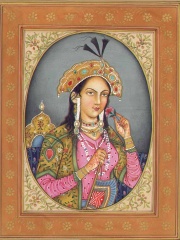
Mumtaz Mahal
COMPANION
1593 - 1631
HPI: 85.84
Posizione: 4
George Orwell
WRITER
1903 - 1950
HPI: 85.28
Posizione: 5
Ashoka
POLITICIAN
304 BC - 232 BC
HPI: 85.09
Posizione: 6

Rajneesh
PHILOSOPHER
1931 - 1990
HPI: 83.75
Posizione: 7
Rabindranath Tagore
WRITER
1861 - 1941
HPI: 83.47
Posizione: 8
Swami Vivekananda
PHILOSOPHER
1863 - 1902
HPI: 82.73
Posizione: 9
Kālidāsa
WRITER
400 - 420
HPI: 82.51
Posizione: 10
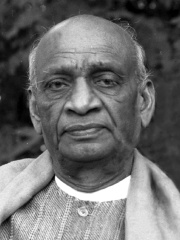
Vallabhbhai Patel
POLITICIAN
1875 - 1950
HPI: 82.30
Posizione: 11
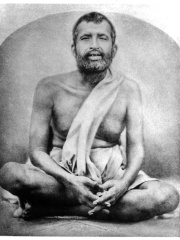
Ramakrishna
PHILOSOPHER
1836 - 1886
HPI: 81.84
Posizione: 12
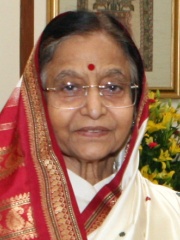
Pratibha Patil
POLITICIAN
1934 - presente
HPI: 81.77
Posizione: 13
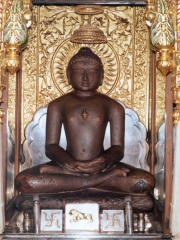
Mahavira
RELIGIOUS FIGURE
599 BC - 527 BC
HPI: 81.77
Posizione: 14
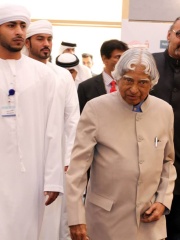
A. P. J. Abdul Kalam
POLITICIAN
1931 - 2015
HPI: 81.57
Posizione: 15
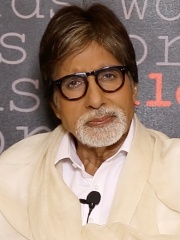
Amitabh Bachchan
ACTOR
1942 - presente
HPI: 81.47
Posizione: 16
Tra Scrittore in India
Tra Scrittore nati in India, Kālidāsa occupa la posizione 3. Prima di lui ci sono George Orwell (1903), e Rabindranath Tagore (1861). Dopo di lui ci sono Rudyard Kipling (1865), Valmiki (-80), Jaggi Vasudev (1957), Salman Rushdie (1947), Ghalib (1797), Jim Corbett (1875), Tulsidas (1532), Savitribai Phule (1831), e William Makepeace Thackeray (1811).
George Orwell
1903 - 1950
HPI: 85.28
Posizione: 1
Rabindranath Tagore
1861 - 1941
HPI: 83.47
Posizione: 2
Kālidāsa
400 - 420
HPI: 82.51
Posizione: 3
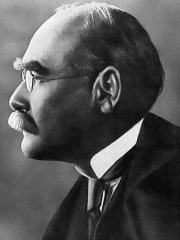
Rudyard Kipling
1865 - 1936
HPI: 79.04
Posizione: 4
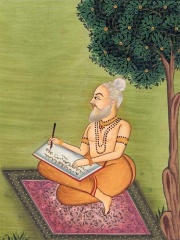
Valmiki
80 BC - 2 BC
HPI: 76.21
Posizione: 5
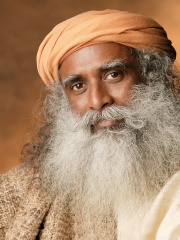
Jaggi Vasudev
1957 - presente
HPI: 75.17
Posizione: 6

Salman Rushdie
1947 - presente
HPI: 74.40
Posizione: 7
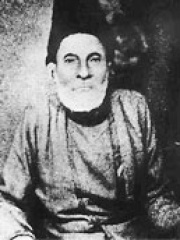
Ghalib
1797 - 1869
HPI: 74.00
Posizione: 8
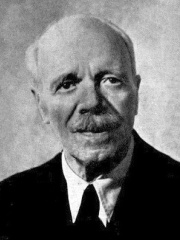
Jim Corbett
1875 - 1955
HPI: 73.39
Posizione: 9

Tulsidas
1532 - 1623
HPI: 73.16
Posizione: 10

Savitribai Phule
1831 - 1897
HPI: 73.12
Posizione: 11
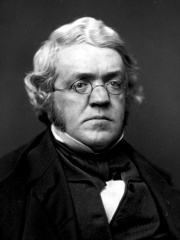
William Makepeace Thackeray
1811 - 1863
HPI: 71.73
Posizione: 12




