Figura religiosa
Onesiphorus
50 - presente
VISUALIZAÇÕES EM PT.WIKIPEDIA (PV)
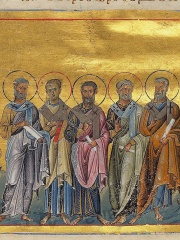
 Onesiphorus
Sua biografia está disponível em 16 idiomas na Wikipédia. Onesiphorus é o 2355º figura religiosa mais popular (caiu do 2047º em 2024), a 974ª biografia mais popular da Turquia (caiu do 919ª em 2019) e o 149º figura religiosa mais popular da Turquia.
Métricas de memorabilidade
24k
Visualizações
Últimos 12 meses
58.94
HPI
Índice de Popularidade Histórica
Destaques dos dados
16
A biografia de Onesiphorus abrange 16 edições de idiomas da Wikipédia e alcança um Índice de Popularidade Histórica de 58.94.
Visualizações da página de Onesiphorus por idioma
Entre Figura religiosa
Entre Figura religiosa, Onesiphorus ocupa a posição 2,355 de 3,187. Antes dele vêm Louis Bourdaloue, Antoine Kambanda, Samuel Wilson, Constantine Leichoudes, Nicholas Cheong Jin-suk, e Joseph Asajiro Satowaki. Depois dele vêm Conrad of Parzham, Michael Rohoza, Bruno Platter, Hieda no Are, Megabates, e Anno II.
Figura religiosa mais populares na Wikipédia
Ver todas as classificações
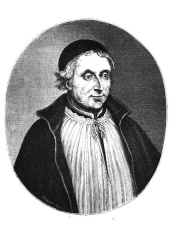
Louis Bourdaloue
1632 - 1704
HPI: 58.98
Posição: 2,349

Antoine Kambanda
1958 - presente
HPI: 58.98
Posição: 2,350
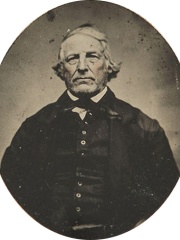
Samuel Wilson
1766 - 1854
HPI: 58.98
Posição: 2,351

Constantine Leichoudes
1000 - 1063
HPI: 58.98
Posição: 2,352

Nicholas Cheong Jin-suk
1931 - 2021
HPI: 58.95
Posição: 2,353
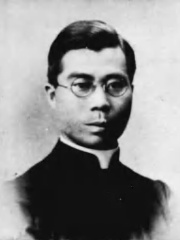
Joseph Asajiro Satowaki
1904 - 1996
HPI: 58.94
Posição: 2,354
Onesiphorus
50 - presente
HPI: 58.94
Posição: 2,355
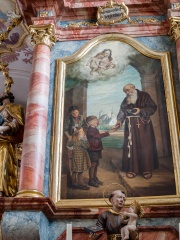
Conrad of Parzham
1818 - 1894
HPI: 58.93
Posição: 2,356
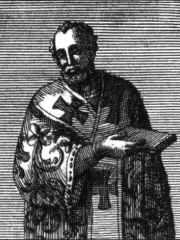
Michael Rohoza
1540 - 1599
HPI: 58.92
Posição: 2,357
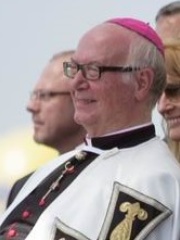
Bruno Platter
1944 - presente
HPI: 58.92
Posição: 2,358

Hieda no Are
700 - 750
HPI: 58.92
Posição: 2,359

Megabates
600 BC - 500 BC
HPI: 58.91
Posição: 2,360
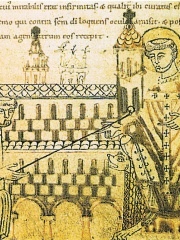
Anno II
1010 - 1075
HPI: 58.91
Posição: 2,361

Contemporâneos
Entre as pessoas nascidas em 50, Onesiphorus ocupa a posição 37. Antes dele vêm Prasutagus, Cartimandua, Antiochus IV of Commagene, Tigranes VI of Armenia, Aulus Caecina Alienus, e Publius Valerius Comazon. Depois dele vêm Zoskales, Gautamiputra Satakarni, Sextus Julius Severus, Caenis, e Aristobulus of Chalcis.
Outras pessoas nascidas em 50
Ver todas as classificações
Prasutagus
POLITICIAN
50 - 60
HPI: 61.35
Posição: 31
Cartimandua
POLITICIAN
50 - 69
HPI: 61.06
Posição: 32
Antiochus IV of Commagene
POLITICIAN
50 - 100
HPI: 61.06
Posição: 33
Tigranes VI of Armenia
POLITICIAN
50 - presente
HPI: 59.53
Posição: 34

Aulus Caecina Alienus
POLITICIAN
50 - 79
HPI: 59.44
Posição: 35

Publius Valerius Comazon
POLITICIAN
50 - 300
HPI: 59.21
Posição: 36
Onesiphorus
RELIGIOUS FIGURE
50 - presente
HPI: 58.94
Posição: 37
Zoskales
POLITICIAN
50 - presente
HPI: 58.72
Posição: 38
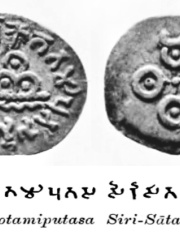
Gautamiputra Satakarni
POLITICIAN
50 - presente
HPI: 58.40
Posição: 39

Sextus Julius Severus
POLITICIAN
50 - presente
HPI: 58.35
Posição: 40
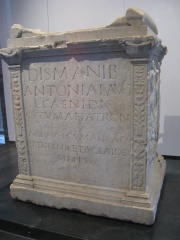
Caenis
POLITICIAN
50 - 74
HPI: 57.71
Posição: 41
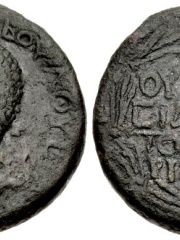
Aristobulus of Chalcis
POLITICIAN
50 - 92
HPI: 57.19
Posição: 42
Em Turquia
Entre as pessoas nascidas em Turquia, Onesiphorus ocupa a posição 974 de 1,347. Antes dele vêm Nihal Atsız (1905), Nihat Erim (1912), Musine Kokalari (1917), Constantine Leichoudes (1000), Hesychius of Miletus (505), e Richard von Kühlmann (1873). Depois dele vêm Mehmet Fuat Köprülü (1890), George Kodinos (1350), Zannanza (-1350), Recep Peker (1889), Marcia Euphemia (500), e Hakan Fidan (1968).
Outras pessoas nascidas em Turquia
Ver todas as classificações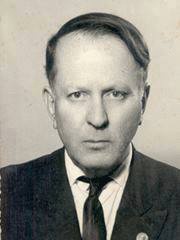
Nihal Atsız
WRITER
1905 - 1975
HPI: 59.02
Posição: 968
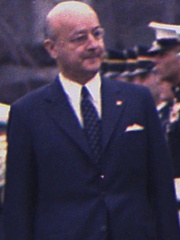
Nihat Erim
POLITICIAN
1912 - 1980
HPI: 59.01
Posição: 969

Musine Kokalari
WRITER
1917 - 1983
HPI: 58.98
Posição: 970
Constantine Leichoudes
RELIGIOUS FIGURE
1000 - 1063
HPI: 58.98
Posição: 971

Hesychius of Miletus
POLITICIAN
505 - 600
HPI: 58.96
Posição: 972
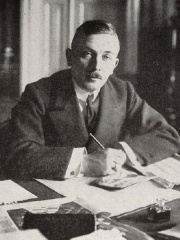
Richard von Kühlmann
POLITICIAN
1873 - 1948
HPI: 58.95
Posição: 973
Onesiphorus
RELIGIOUS FIGURE
50 - presente
HPI: 58.94
Posição: 974
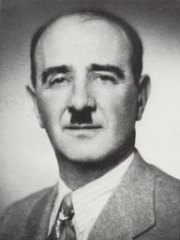
Mehmet Fuat Köprülü
POLITICIAN
1890 - 1966
HPI: 58.93
Posição: 975

George Kodinos
WRITER
1350 - 1401
HPI: 58.92
Posição: 976
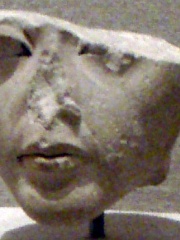
Zannanza
DIPLOMAT
1350 BC - 1320 BC
HPI: 58.91
Posição: 977
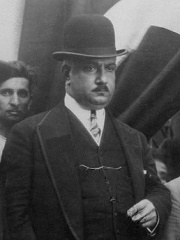
Recep Peker
POLITICIAN
1889 - 1950
HPI: 58.91
Posição: 978
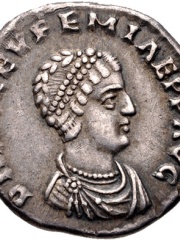
Marcia Euphemia
COMPANION
500 - 401
HPI: 58.90
Posição: 979
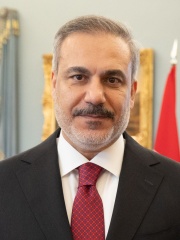
Hakan Fidan
POLITICIAN
1968 - presente
HPI: 58.88
Posição: 980
Entre Figura religiosa em Turquia
Entre Figura religiosa nascidos em Turquia, Onesiphorus ocupa a posição 149. Antes dele vêm Mkrtich Khrimian (1820), Jacob of Nisibis (300), Victor and Corona (null), Nilus of Sinai (400), Sophronius IV of Alexandria (1798), e Constantine Leichoudes (1000). Depois dele vêm John the Silent (454), Serapion of Antioch (200), Metrophanes of Byzantium (300), Pancras of Taormina (1), Antony II of Constantinople (829), e John X of Constantinople (1200).
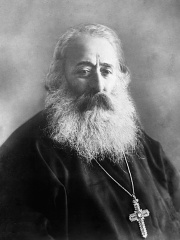
Mkrtich Khrimian
1820 - 1907
HPI: 59.31
Posição: 143
Jacob of Nisibis
300 - 338
HPI: 59.27
Posição: 144
Victor and Corona
HPI: 59.26
Posição: 145
Nilus of Sinai
400 - 430
HPI: 59.20
Posição: 146
Sophronius IV of Alexandria
1798 - 1899
HPI: 59.05
Posição: 147
Constantine Leichoudes
1000 - 1063
HPI: 58.98
Posição: 148
Onesiphorus
50 - presente
HPI: 58.94
Posição: 149
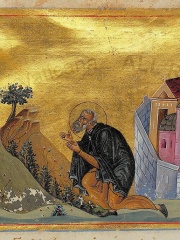
John the Silent
454 - 558
HPI: 58.70
Posição: 150

Serapion of Antioch
200 - 212
HPI: 58.67
Posição: 151
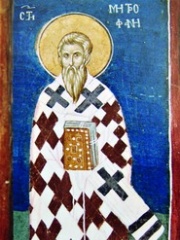
Metrophanes of Byzantium
300 - 326
HPI: 58.66
Posição: 152
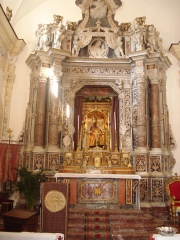
Pancras of Taormina
1 - 40
HPI: 58.50
Posição: 153

Antony II of Constantinople
829 - 901
HPI: 57.96
Posição: 154

John X of Constantinople
1200 - 1206
HPI: 57.82
Posição: 155




