Postać religijna
Saint Publius
100 - 112
WYŚWIETLENIA PL.WIKIPEDIA (PV)
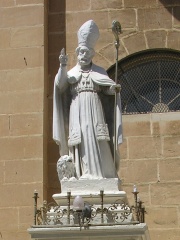
 Saint Publius
Jego biografia jest dostępna w 20 różnych językach w Wikipedii (wzrost z 19 w 2024 roku). Saint Publius jest 1318. najpopularniejszym postać religijna (wzrost z 1879. w 2024 roku), 11. najpopularniejszą biografią Malta (wzrost z 12. w 2019 roku) oraz 2. najpopularniejszym postać religijna Malta.
Wskaźniki rozpoznawalności
13k
Wyświetlenia strony
Ostatnie 12 miesięcy
64.40
HPI
Indeks historycznej popularności
Ciekawostki z danych
#20,956
Ponad 19 wieków po śmierci Saint Publius wciąż zajmuje 20,956. miejsce wśród wszystkich postaci w Pantheonie.
1 sty
Saint Publius obchodzi urodziny tego samego dnia (1 stycznia) co Mary, mother of Jesus, Saint Peter i Laozi.
Wyświetlenia strony Saint Publius według języka
Wśród przedstawicieli zawodu Postać religijna
Wśród przedstawicieli zawodu „Postać religijna” Saint Publius zajmuje 1,318. miejsce na 3,187. Przed nim są Itta of Metz, Gildas, Joseph Freinademetz, Joshua the High Priest, Simeon Stylites the Younger, i Mauro Piacenza. Po nim są Śāntarakṣita, Augustin Bea, Ignatius Kung Pin-Mei, Mark of Ephesus, Seán Brady, i Ignatius Zakka I Iwas.
Najpopularniejsi w Wikipedii: Postać religijna
Zobacz wszystkie rankingi
Itta of Metz
592 - 652
HPI: 64.43
Miejsce: 1,312
Gildas
500 - 570
HPI: 64.43
Miejsce: 1,313
Joseph Freinademetz
1852 - 1908
HPI: 64.41
Miejsce: 1,314
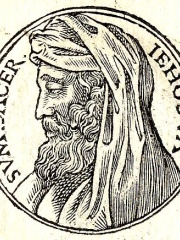
Joshua the High Priest
HPI: 64.41
Miejsce: 1,315
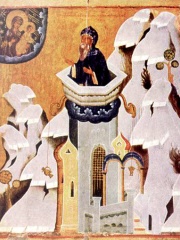
Simeon Stylites the Younger
521 - 597
HPI: 64.41
Miejsce: 1,316
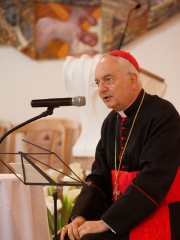
Mauro Piacenza
1944 - obecnie
HPI: 64.41
Miejsce: 1,317
Saint Publius
100 - 112
HPI: 64.40
Miejsce: 1,318
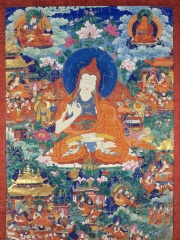
Śāntarakṣita
725 - 788
HPI: 64.39
Miejsce: 1,319
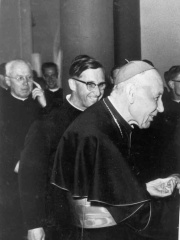
Augustin Bea
1881 - 1968
HPI: 64.39
Miejsce: 1,320
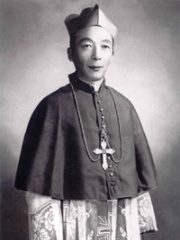
Ignatius Kung Pin-Mei
1901 - 2000
HPI: 64.38
Miejsce: 1,321
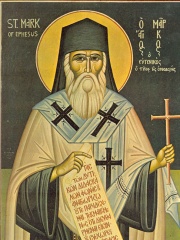
Mark of Ephesus
1392 - 1444
HPI: 64.37
Miejsce: 1,322
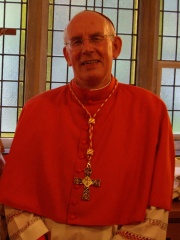
Seán Brady
1939 - obecnie
HPI: 64.37
Miejsce: 1,323
Ignatius Zakka I Iwas
1931 - 2014
HPI: 64.37
Miejsce: 1,324

Współcześni
Wśród osób urodzonych w 100 roku Saint Publius zajmuje 40. miejsce. Przed nim są Epaphroditus, Marcus Annius Verus, Praxedes, Agrippa the Skeptic, Saint Sabina, i Artabanus III of Parthia. Po nim są Lusius Quietus, Carpocrates, Aelianus Tacticus, Pope Anianus of Alexandria, Gaius Nymphidius Sabinus, i Eudokia of Heliopolis. Wśród osób zmarłych w 112 roku Saint Publius zajmuje 2. miejsce. Przed nim jest Ulpia Marciana.
Inne osoby urodzone w 100 roku
Zobacz wszystkie rankingi
Epaphroditus
RELIGIOUS FIGURE
100 - 69
HPI: 65.18
Miejsce: 34

Marcus Annius Verus
POLITICIAN
100 - 138
HPI: 65.12
Miejsce: 35
Praxedes
RELIGIOUS FIGURE
100 - obecnie
HPI: 65.10
Miejsce: 36

Agrippa the Skeptic
PHILOSOPHER
100 - 100
HPI: 64.97
Miejsce: 37
Saint Sabina
RELIGIOUS FIGURE
100 - 126
HPI: 64.70
Miejsce: 38
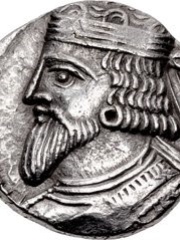
Artabanus III of Parthia
POLITICIAN
100 - 90
HPI: 64.62
Miejsce: 39
Saint Publius
RELIGIOUS FIGURE
100 - 112
HPI: 64.40
Miejsce: 40
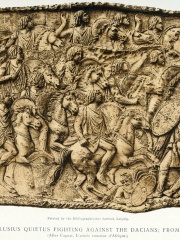
Lusius Quietus
POLITICIAN
100 - 118
HPI: 64.06
Miejsce: 41

Carpocrates
RELIGIOUS FIGURE
100 - 138
HPI: 63.72
Miejsce: 42

Aelianus Tacticus
WRITER
100 - 200
HPI: 63.71
Miejsce: 43
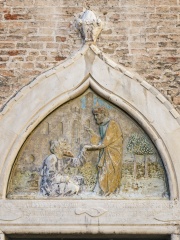
Pope Anianus of Alexandria
RELIGIOUS FIGURE
100 - 82
HPI: 63.42
Miejsce: 44

Gaius Nymphidius Sabinus
POLITICIAN
100 - 68
HPI: 63.33
Miejsce: 45
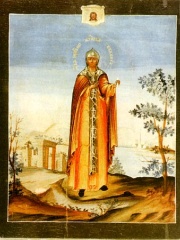
Eudokia of Heliopolis
RELIGIOUS FIGURE
100 - 107
HPI: 63.24
Miejsce: 46
Inne osoby zmarłe w 112 roku
Zobacz wszystkie rankingi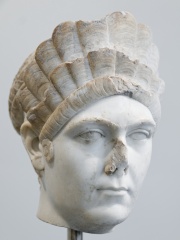
Ulpia Marciana
POLITICIAN
48 - 112
HPI: 65.72
Miejsce: 1
Saint Publius
RELIGIOUS FIGURE
100 - 112
HPI: 64.40
Miejsce: 2
W kraju Malta
Wśród osób urodzonych w kraju Malta Saint Publius zajmuje 11. miejsce na 71. Przed nim są Agatha Barbara (1923), Marie-Louise Coleiro Preca (1958), George Abela (1948), Roberta Metsola (1979), Mario Grech (1957), i Guido de Marco (1931). Po nim są Karmenu Mifsud Bonnici (1933), Prosper Grech (1925), Anthony Mamo (1909), Eddie Fenech Adami (1934), Maria de Dominici (1645), i Nicolas Isouard (1775).
Inne osoby urodzone w kraju Malta
Zobacz wszystkie rankingi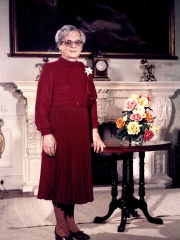
Agatha Barbara
POLITICIAN
1923 - 2002
HPI: 67.11
Miejsce: 5
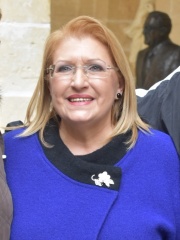
Marie-Louise Coleiro Preca
POLITICIAN
1958 - obecnie
HPI: 66.86
Miejsce: 6

George Abela
POLITICIAN
1948 - obecnie
HPI: 66.15
Miejsce: 7
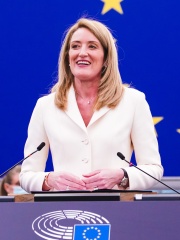
Roberta Metsola
POLITICIAN
1979 - obecnie
HPI: 65.99
Miejsce: 8
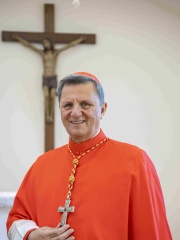
Mario Grech
RELIGIOUS FIGURE
1957 - obecnie
HPI: 64.97
Miejsce: 9
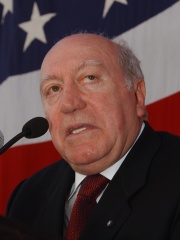
Guido de Marco
POLITICIAN
1931 - 2010
HPI: 64.74
Miejsce: 10
Saint Publius
RELIGIOUS FIGURE
100 - 112
HPI: 64.40
Miejsce: 11
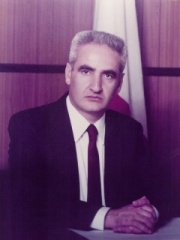
Karmenu Mifsud Bonnici
POLITICIAN
1933 - 2022
HPI: 63.61
Miejsce: 12
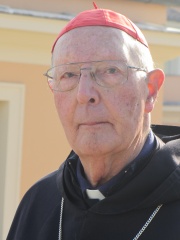
Prosper Grech
RELIGIOUS FIGURE
1925 - 2019
HPI: 62.98
Miejsce: 13
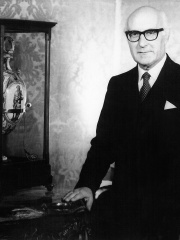
Anthony Mamo
POLITICIAN
1909 - 2008
HPI: 61.90
Miejsce: 14
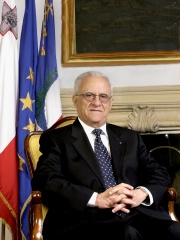
Eddie Fenech Adami
POLITICIAN
1934 - obecnie
HPI: 61.40
Miejsce: 15

Maria de Dominici
PAINTER
1645 - 1703
HPI: 60.82
Miejsce: 16
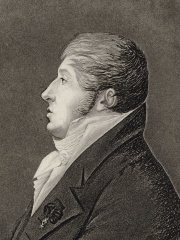
Nicolas Isouard
COMPOSER
1775 - 1818
HPI: 60.75
Miejsce: 17
Wśród przedstawicieli zawodu Postać religijna w kraju Malta
Wśród przedstawicieli zawodu „Postać religijna” urodzonych w kraju Malta Saint Publius zajmuje 2. miejsce. Przed nim jest Mario Grech (1957). Po nim są Prosper Grech (1925), Paul Cremona (1946), George Preca (1880), i Antoine Camilleri (1965).
Mario Grech
1957 - obecnie
HPI: 64.97
Miejsce: 1
Saint Publius
100 - 112
HPI: 64.40
Miejsce: 2
Prosper Grech
1925 - 2019
HPI: 62.98
Miejsce: 3
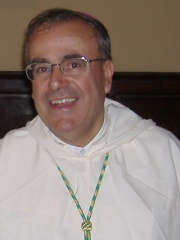
Paul Cremona
1946 - obecnie
HPI: 60.25
Miejsce: 4
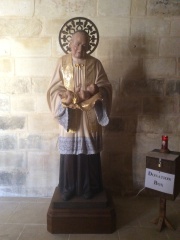
George Preca
1880 - 1962
HPI: 56.15
Miejsce: 5
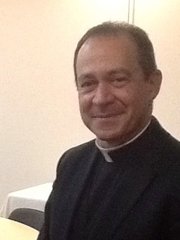
Antoine Camilleri
1965 - obecnie
HPI: 46.92
Miejsce: 6




