Politician
Mahmoud Abbas
president of the Palestinian Authority since 2005
1935 - today
EN.WIKIPEDIA PAGE VIEWS (PV)
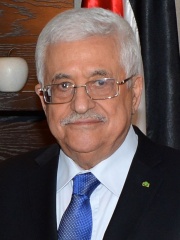
 Mahmoud Abbas
His biography is available in 84 different languages on Wikipedia (up from 82 in 2024). Mahmoud Abbas is the 423rd most popular politician (down from 99th in 2024), the 29th most popular biography from Israel (down from 12th in 2019) and the 6th most popular Israeli Politician.
Mahmoud Abbas is the president of the Palestinian National Authority. He is most famous for his role in the peace process between Israel and Palestine.
Memorability Metrics
1.7M
Page Views
Past 12 months
79.90
HPI
Historical Popularity Index
Page views of Mahmoud Abbas by language
Among Politicians
Among politicians, Mahmoud Abbas ranks 423 out of 19,576. Before him are Charles VI of France, Sergio Mattarella, Magnus the Good, Philip III of Spain, Gerald Ford, and Charles V of France. After him are Alfonso XIII of Spain, Suleiman II, Mahmud II, Constans, Ferdinand II, Holy Roman Emperor, and Georges Pompidou.
Most Popular Politicians in Wikipedia
Go to all Rankings
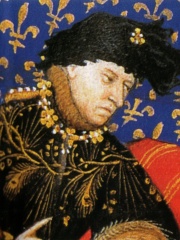
Charles VI of France
1368 - 1422
HPI: 79.92
Rank: 417
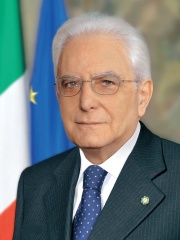
Sergio Mattarella
1941 - Present
HPI: 79.92
Rank: 418
Magnus the Good
1024 - 1047
HPI: 79.92
Rank: 419
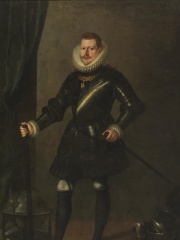
Philip III of Spain
1578 - 1621
HPI: 79.91
Rank: 420
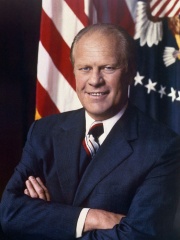
Gerald Ford
1913 - 2006
HPI: 79.91
Rank: 421
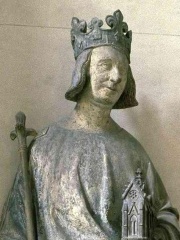
Charles V of France
1338 - 1380
HPI: 79.90
Rank: 422
Mahmoud Abbas
1935 - Present
HPI: 79.90
Rank: 423
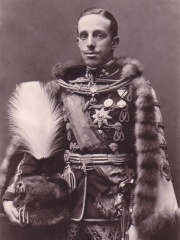
Alfonso XIII of Spain
1886 - 1941
HPI: 79.90
Rank: 424
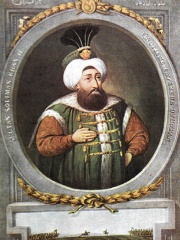
Suleiman II
1642 - 1691
HPI: 79.89
Rank: 425
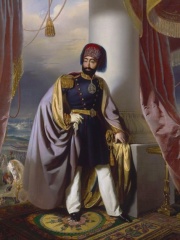
Mahmud II
1785 - 1839
HPI: 79.86
Rank: 426
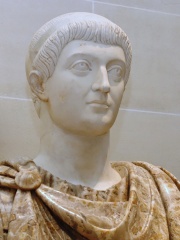
Constans
320 - 350
HPI: 79.86
Rank: 427

Ferdinand II, Holy Roman Emperor
1578 - 1637
HPI: 79.84
Rank: 428
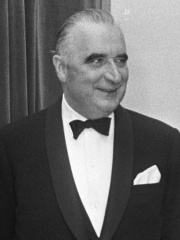
Georges Pompidou
1911 - 1974
HPI: 79.83
Rank: 429

Contemporaries
Among people born in 1935, Mahmoud Abbas ranks 7. Before him are Elvis Presley, Alain Delon, Salman of Saudi Arabia, Luciano Pavarotti, 14th Dalai Lama, and José Mujica. After him are Hussein of Jordan, Woody Allen, Norman Foster, Baron Foster of Thames Bank, Prince Edward, Duke of Kent, Luis Suárez, and Donald Sutherland.
Others Born in 1935
Go to all Rankings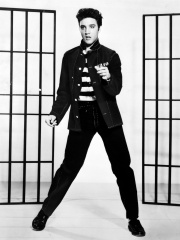
Elvis Presley
SINGER
1935 - 1977
HPI: 87.57
Rank: 1
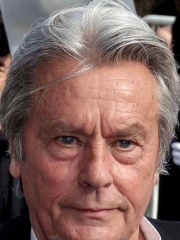
Alain Delon
ACTOR
1935 - 2024
HPI: 85.79
Rank: 2
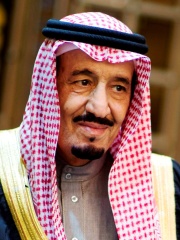
Salman of Saudi Arabia
POLITICIAN
1935 - Present
HPI: 83.36
Rank: 3

Luciano Pavarotti
SINGER
1935 - 2007
HPI: 83.23
Rank: 4

14th Dalai Lama
RELIGIOUS FIGURE
1935 - Present
HPI: 83.17
Rank: 5
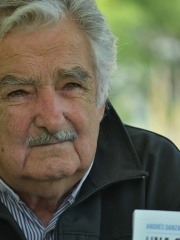
José Mujica
POLITICIAN
1935 - 2025
HPI: 82.11
Rank: 6
Mahmoud Abbas
POLITICIAN
1935 - Present
HPI: 79.90
Rank: 7
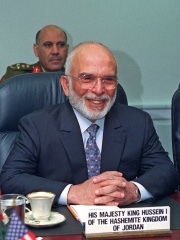
Hussein of Jordan
POLITICIAN
1935 - 1999
HPI: 79.66
Rank: 8

Woody Allen
FILM DIRECTOR
1935 - Present
HPI: 79.34
Rank: 9
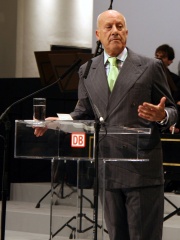
Norman Foster, Baron Foster of Thames Bank
ARCHITECT
1935 - Present
HPI: 78.70
Rank: 10

Prince Edward, Duke of Kent
POLITICIAN
1935 - Present
HPI: 76.84
Rank: 11

Luis Suárez
SOCCER PLAYER
1935 - 2023
HPI: 76.79
Rank: 12
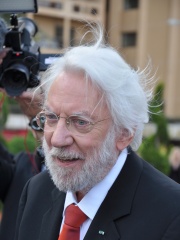
Donald Sutherland
ACTOR
1935 - 2024
HPI: 76.71
Rank: 13
In Israel
Among people born in Israel, Mahmoud Abbas ranks 29 out of NaN. Before him are Jude the Apostle (15), Ezekiel (-621), Josephus (37), Simon the Zealot (1), Ariel Sharon (1928), and Yitzhak Rabin (1922). After him are Amalric of Jerusalem (1136), Salome (14), Amin al-Husseini (1895), Joachim (-100), Herod Antipas (-20), and Baldwin V of Jerusalem (1177).
Others born in Israel
Go to all Rankings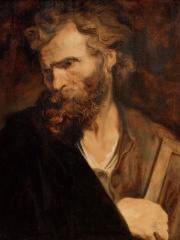
Jude the Apostle
RELIGIOUS FIGURE
15 - 70
HPI: 81.66
Rank: 23

Ezekiel
RELIGIOUS FIGURE
621 BC - 569 BC
HPI: 81.57
Rank: 24
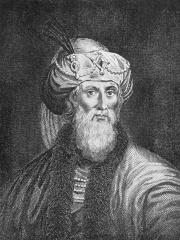
Josephus
HISTORIAN
37 - 100
HPI: 80.94
Rank: 25

Simon the Zealot
RELIGIOUS FIGURE
1 - 107
HPI: 80.92
Rank: 26
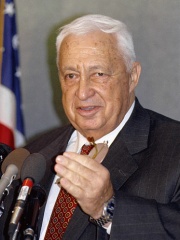
Ariel Sharon
POLITICIAN
1928 - 2014
HPI: 80.78
Rank: 27
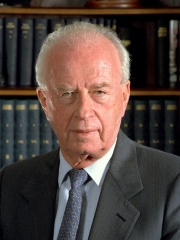
Yitzhak Rabin
POLITICIAN
1922 - 1995
HPI: 80.27
Rank: 28
Mahmoud Abbas
POLITICIAN
1935 - Present
HPI: 79.90
Rank: 29
Amalric of Jerusalem
POLITICIAN
1136 - 1174
HPI: 79.76
Rank: 30

Salome
RELIGIOUS FIGURE
14 - 100
HPI: 79.59
Rank: 31
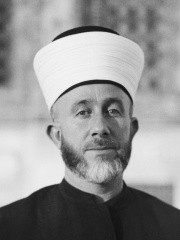
Amin al-Husseini
POLITICIAN
1895 - 1974
HPI: 79.22
Rank: 32
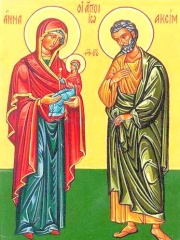
Joachim
RELIGIOUS FIGURE
100 BC - 10 BC
HPI: 78.87
Rank: 33
Herod Antipas
POLITICIAN
20 BC - 39
HPI: 78.77
Rank: 34
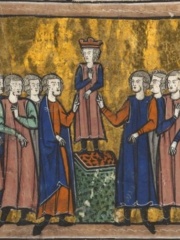
Baldwin V of Jerusalem
POLITICIAN
1177 - 1186
HPI: 78.73
Rank: 35
Among Politicians In Israel
Among politicians born in Israel, Mahmoud Abbas ranks 6. Before him are Herod the Great (-73), Baldwin IV of Jerusalem (1161), Benjamin Netanyahu (1949), Ariel Sharon (1928), and Yitzhak Rabin (1922). After him are Amalric of Jerusalem (1136), Amin al-Husseini (1895), Herod Antipas (-20), Baldwin V of Jerusalem (1177), Sibylla, Queen of Jerusalem (1160), and Moshe Dayan (1915).
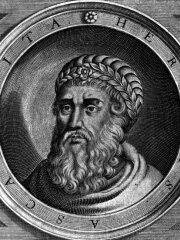
Herod the Great
73 BC - 3 BC
HPI: 84.23
Rank: 1

Baldwin IV of Jerusalem
1161 - 1185
HPI: 83.71
Rank: 2
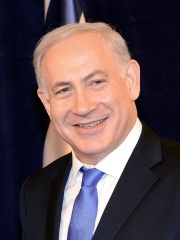
Benjamin Netanyahu
1949 - Present
HPI: 82.66
Rank: 3
Ariel Sharon
1928 - 2014
HPI: 80.78
Rank: 4
Yitzhak Rabin
1922 - 1995
HPI: 80.27
Rank: 5
Mahmoud Abbas
1935 - Present
HPI: 79.90
Rank: 6
Amalric of Jerusalem
1136 - 1174
HPI: 79.76
Rank: 7
Amin al-Husseini
1895 - 1974
HPI: 79.22
Rank: 8
Herod Antipas
20 BC - 39
HPI: 78.77
Rank: 9
Baldwin V of Jerusalem
1177 - 1186
HPI: 78.73
Rank: 10

Sibylla, Queen of Jerusalem
1160 - 1190
HPI: 78.66
Rank: 11
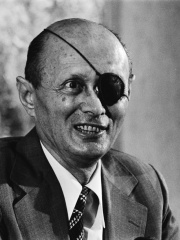
Moshe Dayan
1915 - 1981
HPI: 78.14
Rank: 12




