Politico
Mahmūd Abbās
1935 - presente
VISUALIZZAZIONI SU IT.WIKIPEDIA (PV)
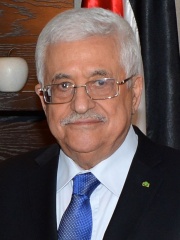
 Mahmūd Abbās
La sua biografia è disponibile in 84 lingue su Wikipedia (in aumento rispetto a 82 nel 2024). Mahmūd Abbās è il 423° politico più popolare (in calo dal 99° nel 2024), la 29ª biografia più popolare dell'Israele (in calo dal 12ª nel 2019) e il 6° politico più popolare dell'Israele.
Metriche di memorabilità
1.7M
Visualizzazioni
Ultimi 12 mesi
79.90
HPI
Indice di popolarità storica
Dati in evidenza
84
La biografia di Mahmūd Abbās compare in 84 edizioni linguistiche di Wikipedia — più del 98% di tutti i Politico.
15 nov
Mahmūd Abbās condivide il compleanno (15 novembre) con Erwin Rommel, Anni-Frid Lyngstad e Pope Nicholas V.
10×
La pagina Wikipedia di Mahmūd Abbās ha registrato 1.7M visualizzazioni nell'ultimo anno — 10 volte la media dei Politico.
Visualizzazioni della pagina di Mahmūd Abbās per lingua
Tra Politico
Tra Politico, Mahmūd Abbās occupa la posizione 423 su 19,576. Prima di lui ci sono Charles VI of France, Sergio Mattarella, Magnus the Good, Philip III of Spain, Gerald Ford, e Charles V of France. Dopo di lui ci sono Alfonso XIII of Spain, Suleiman II, Mahmud II, Constans, Ferdinand II, Holy Roman Emperor, e Georges Pompidou.
Politico più popolari su Wikipedia
Vai a tutte le classifiche

Charles VI of France
1368 - 1422
HPI: 79.92
Posizione: 417
Sergio Mattarella
1941 - presente
HPI: 79.92
Posizione: 418
Magnus the Good
1024 - 1047
HPI: 79.92
Posizione: 419

Philip III of Spain
1578 - 1621
HPI: 79.91
Posizione: 420
Gerald Ford
1913 - 2006
HPI: 79.91
Posizione: 421
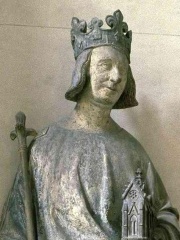
Charles V of France
1338 - 1380
HPI: 79.90
Posizione: 422
Mahmoud Abbas
1935 - presente
HPI: 79.90
Posizione: 423
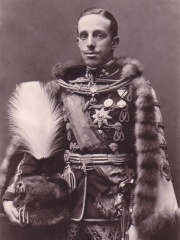
Alfonso XIII of Spain
1886 - 1941
HPI: 79.90
Posizione: 424
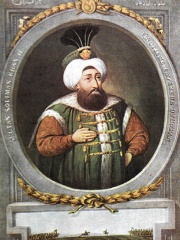
Suleiman II
1642 - 1691
HPI: 79.89
Posizione: 425
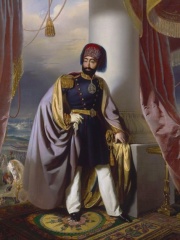
Mahmud II
1785 - 1839
HPI: 79.86
Posizione: 426
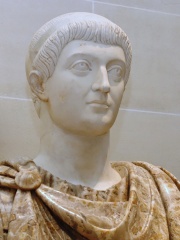
Constans
320 - 350
HPI: 79.86
Posizione: 427

Ferdinand II, Holy Roman Emperor
1578 - 1637
HPI: 79.84
Posizione: 428
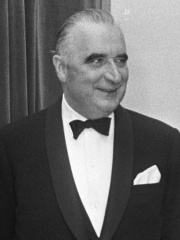
Georges Pompidou
1911 - 1974
HPI: 79.83
Posizione: 429

Contemporanei
Tra le persone nate nel 1935, Mahmūd Abbās occupa la posizione 7. Prima di lui ci sono Elvis Presley, Alain Delon, Salman of Saudi Arabia, Luciano Pavarotti, 14th Dalai Lama, e José Mujica. Dopo di lui ci sono Hussein of Jordan, Woody Allen, Norman Foster, Baron Foster of Thames Bank, Prince Edward, Duke of Kent, Luis Suárez, e Donald Sutherland.
Altre persone nate nel 1935
Vai a tutte le classifiche
Elvis Presley
SINGER
1935 - 1977
HPI: 87.57
Posizione: 1

Alain Delon
ACTOR
1935 - 2024
HPI: 85.79
Posizione: 2
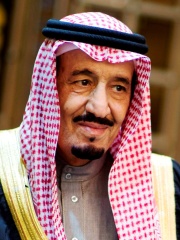
Salman of Saudi Arabia
POLITICIAN
1935 - presente
HPI: 83.36
Posizione: 3

Luciano Pavarotti
SINGER
1935 - 2007
HPI: 83.23
Posizione: 4

14th Dalai Lama
RELIGIOUS FIGURE
1935 - presente
HPI: 83.17
Posizione: 5

José Mujica
POLITICIAN
1935 - 2025
HPI: 82.11
Posizione: 6
Mahmoud Abbas
POLITICIAN
1935 - presente
HPI: 79.90
Posizione: 7

Hussein of Jordan
POLITICIAN
1935 - 1999
HPI: 79.66
Posizione: 8

Woody Allen
FILM DIRECTOR
1935 - presente
HPI: 79.34
Posizione: 9

Norman Foster, Baron Foster of Thames Bank
ARCHITECT
1935 - presente
HPI: 78.70
Posizione: 10

Prince Edward, Duke of Kent
POLITICIAN
1935 - presente
HPI: 76.84
Posizione: 11

Luis Suárez
SOCCER PLAYER
1935 - 2023
HPI: 76.79
Posizione: 12

Donald Sutherland
ACTOR
1935 - 2024
HPI: 76.71
Posizione: 13
In Israele
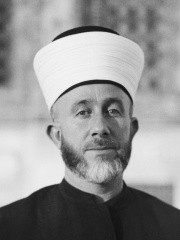
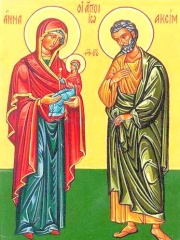
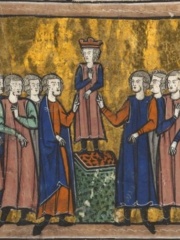
Tra le persone nate in Israele, Mahmūd Abbās occupa la posizione 29 su 466. Prima di lui ci sono Jude the Apostle (15), Ezekiel (-621), Josephus (37), Simon the Zealot (1), Ariel Sharon (1928), e Yitzhak Rabin (1922). Dopo di lui ci sono Amalric of Jerusalem (1136), Salome (14), Amin al-Husseini (1895), Joachim (-100), Herod Antipas (-20), e Baldwin V of Jerusalem (1177).
Altre persone nate in Israele
Vai a tutte le classifiche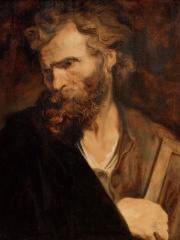
Jude the Apostle
RELIGIOUS FIGURE
15 - 70
HPI: 81.66
Posizione: 23

Ezekiel
RELIGIOUS FIGURE
621 BC - 569 BC
HPI: 81.57
Posizione: 24
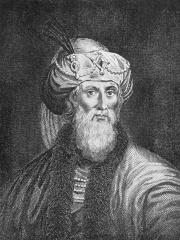
Josephus
HISTORIAN
37 - 100
HPI: 80.94
Posizione: 25

Simon the Zealot
RELIGIOUS FIGURE
1 - 107
HPI: 80.92
Posizione: 26
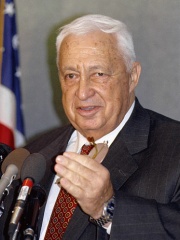
Ariel Sharon
POLITICIAN
1928 - 2014
HPI: 80.78
Posizione: 27
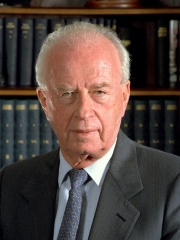
Yitzhak Rabin
POLITICIAN
1922 - 1995
HPI: 80.27
Posizione: 28
Mahmoud Abbas
POLITICIAN
1935 - presente
HPI: 79.90
Posizione: 29
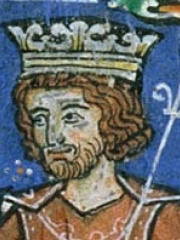
Amalric of Jerusalem
POLITICIAN
1136 - 1174
HPI: 79.76
Posizione: 30

Salome
RELIGIOUS FIGURE
14 - 100
HPI: 79.59
Posizione: 31
Amin al-Husseini
POLITICIAN
1895 - 1974
HPI: 79.22
Posizione: 32
Joachim
RELIGIOUS FIGURE
100 BC - 10 BC
HPI: 78.87
Posizione: 33
Herod Antipas
POLITICIAN
20 BC - 39
HPI: 78.77
Posizione: 34
Baldwin V of Jerusalem
POLITICIAN
1177 - 1186
HPI: 78.73
Posizione: 35
Tra Politico in Israele
Tra Politico nati in Israele, Mahmūd Abbās occupa la posizione 6. Prima di lui ci sono Herod the Great (-73), Baldwin IV of Jerusalem (1161), Benjamin Netanyahu (1949), Ariel Sharon (1928), e Yitzhak Rabin (1922). Dopo di lui ci sono Amalric of Jerusalem (1136), Amin al-Husseini (1895), Herod Antipas (-20), Baldwin V of Jerusalem (1177), Sibylla, Queen of Jerusalem (1160), e Moshe Dayan (1915).
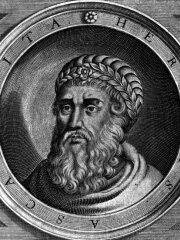
Herod the Great
73 BC - 3 BC
HPI: 84.23
Posizione: 1

Baldwin IV of Jerusalem
1161 - 1185
HPI: 83.71
Posizione: 2
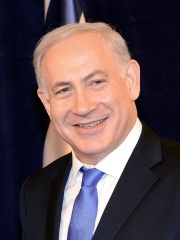
Benjamin Netanyahu
1949 - presente
HPI: 82.66
Posizione: 3
Ariel Sharon
1928 - 2014
HPI: 80.78
Posizione: 4
Yitzhak Rabin
1922 - 1995
HPI: 80.27
Posizione: 5
Mahmoud Abbas
1935 - presente
HPI: 79.90
Posizione: 6
Amalric of Jerusalem
1136 - 1174
HPI: 79.76
Posizione: 7
Amin al-Husseini
1895 - 1974
HPI: 79.22
Posizione: 8
Herod Antipas
20 BC - 39
HPI: 78.77
Posizione: 9
Baldwin V of Jerusalem
1177 - 1186
HPI: 78.73
Posizione: 10

Sibylla, Queen of Jerusalem
1160 - 1190
HPI: 78.66
Posizione: 11
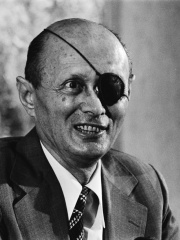
Moshe Dayan
1915 - 1981
HPI: 78.14
Posizione: 12




