شخصية دينية
Lupus of Troyes
395 - 479
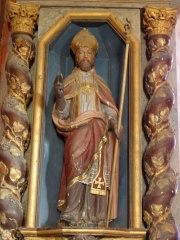
 Lupus of Troyes
سيرته الذاتية متاحة بـ15 لغة مختلفة على ويكيبيديا. يحتل Lupus of Troyes المرتبة 1,792 بين أكثر شخصية دينية شعبيةً (تقدمًا من 1,825 في 2024)، والمرتبة 2,721 بين أكثر السير الذاتية شعبيةً في فرنسا (تقدمًا من 3,031 في 2019)، كما يحتل المرتبة 143 بين أكثر شخصية دينية من فرنسا شعبيةً.
مقاييس الشهرة
15k
مشاهدات الصفحة
آخر 12 شهرًا
61.84
HPI
مؤشر الشعبية التاريخية
رؤى من البيانات
15
تمتد سيرة Lupus of Troyes عبر 15 نسخة لغوية من ويكيبيديا وتبلغ قيمة مؤشر الشعبية التاريخية 61.84.
مشاهدات صفحة Lupus of Troyes حسب اللغة
من بين شخصية دينية
من بين شخصية دينية، يحتل Lupus of Troyes المرتبة 1,792 من أصل 3,189. قبله يأتي Christophe Pierre, Inayat Khan, Poppo von Osterna, Oswald of Northumbria, Ambrose Traversari, وJoseph Cardijn. بعده يأتي Marko Krizin, Matthew Festing, Kartir, Aelius Gallus, Ibn Khuzayma, وVíctor Manuel Fernández.
أشهر شخصية دينية على ويكيبيديا
عرض جميع التصنيفات
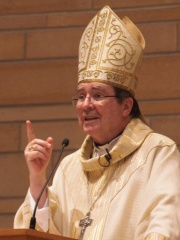
Christophe Pierre
1946 - حتى الآن
HPI: 61.89
المرتبة: 1,786
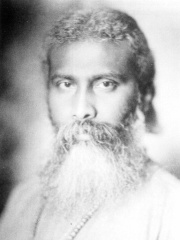
Inayat Khan
1882 - 1927
HPI: 61.88
المرتبة: 1,787

Poppo von Osterna
1200 - 1267
HPI: 61.86
المرتبة: 1,788
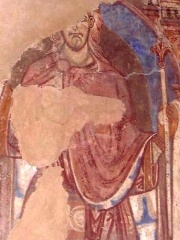
Oswald of Northumbria
604 - 642
HPI: 61.85
المرتبة: 1,789

Ambrose Traversari
1386 - 1439
HPI: 61.84
المرتبة: 1,790
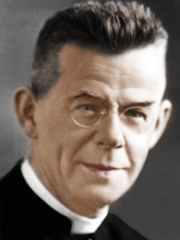
Joseph Cardijn
1882 - 1967
HPI: 61.84
المرتبة: 1,791
Lupus of Troyes
395 - 479
HPI: 61.84
المرتبة: 1,792
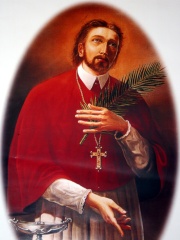
Marko Krizin
1589 - 1619
HPI: 61.84
المرتبة: 1,793
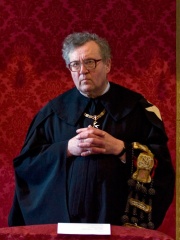
Matthew Festing
1949 - 2021
HPI: 61.83
المرتبة: 1,794
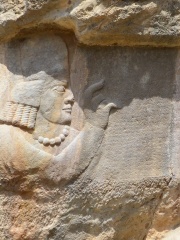
Kartir
300 - 300
HPI: 61.83
المرتبة: 1,795

Aelius Gallus
50 BC - حتى الآن
HPI: 61.83
المرتبة: 1,796

Ibn Khuzayma
838 - 924
HPI: 61.83
المرتبة: 1,797

Víctor Manuel Fernández
1962 - حتى الآن
HPI: 61.82
المرتبة: 1,798

معاصرون
من بين المولودين في عام 395، يحتل Lupus of Troyes المرتبة 4. قبله يأتي Avitus, Hydatius, وDengizich. من بين المتوفين في عام 479، يحتل Lupus of Troyes المرتبة 2. قبله يأتي Emperor Yūryaku.
آخرون وُلدوا في عام 395
عرض جميع التصنيفات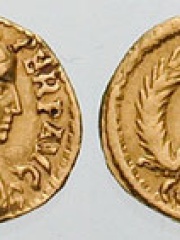
Avitus
POLITICIAN
395 - 457
HPI: 72.45
المرتبة: 1

Hydatius
POLITICIAN
395 - 469
HPI: 65.94
المرتبة: 2

Dengizich
POLITICIAN
395 - 469
HPI: 62.76
المرتبة: 3
Lupus of Troyes
RELIGIOUS FIGURE
395 - 479
HPI: 61.84
المرتبة: 4
آخرون توفوا في عام 479
عرض جميع التصنيفات
Emperor Yūryaku
POLITICIAN
418 - 479
HPI: 66.95
المرتبة: 1
Lupus of Troyes
RELIGIOUS FIGURE
395 - 479
HPI: 61.84
المرتبة: 2
في فرنسا
من بين المولودين في فرنسا، يحتل Lupus of Troyes المرتبة 2,721 من أصل 7,658. قبله يأتي Jean-Jacques Goldman (1951), Achille Valenciennes (1794), Ghislaine Maxwell (1961), Theobald III, Count of Blois (1019), Jean-François Regnard (1655), وAndré Thevet (1516). بعده يأتي Claude Cahun (1894), Guy Ligier (1930), Jean Rapp (1771), Henri Labrouste (1801), André Marty (1886), وPierre Magnol (1638).
آخرون وُلدوا في فرنسا
عرض جميع التصنيفات
Jean-Jacques Goldman
SINGER
1951 - حتى الآن
HPI: 61.85
المرتبة: 2,715
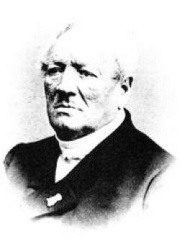
Achille Valenciennes
BIOLOGIST
1794 - 1865
HPI: 61.85
المرتبة: 2,716

Ghislaine Maxwell
BUSINESSPERSON
1961 - حتى الآن
HPI: 61.85
المرتبة: 2,717

Theobald III, Count of Blois
NOBLEMAN
1019 - 1089
HPI: 61.84
المرتبة: 2,718
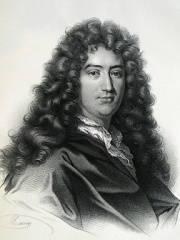
Jean-François Regnard
WRITER
1655 - 1709
HPI: 61.84
المرتبة: 2,719
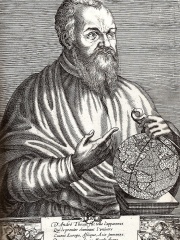
André Thevet
EXPLORER
1516 - 1590
HPI: 61.84
المرتبة: 2,720
Lupus of Troyes
RELIGIOUS FIGURE
395 - 479
HPI: 61.84
المرتبة: 2,721
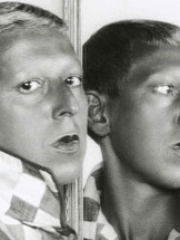
Claude Cahun
PHOTOGRAPHER
1894 - 1954
HPI: 61.84
المرتبة: 2,722

Guy Ligier
RACING DRIVER
1930 - 2015
HPI: 61.84
المرتبة: 2,723
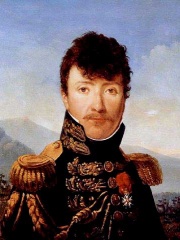
Jean Rapp
POLITICIAN
1771 - 1821
HPI: 61.83
المرتبة: 2,724
Henri Labrouste
ARCHITECT
1801 - 1875
HPI: 61.82
المرتبة: 2,725
André Marty
POLITICIAN
1886 - 1956
HPI: 61.82
المرتبة: 2,726
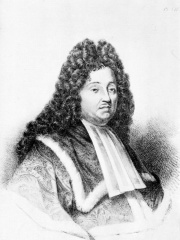
Pierre Magnol
BIOLOGIST
1638 - 1715
HPI: 61.82
المرتبة: 2,727
من بين شخصية دينية في فرنسا
من بين شخصية دينية المولودين في فرنسا، يحتل Lupus of Troyes المرتبة 143. قبله يأتي Charles Lavigerie (1825), Marie of the Incarnation (1566), Jacques de Vitry (1170), Judoc (600), Charles de Bourbon (1523), وChristophe Pierre (1946). بعده يأتي Eucherius of Lyon (380), Leodegar (616), Albert Vanhoye (1923), Louis Billot (1846), Louis Antoine de Noailles (1651), وJohn Francis Regis (1597).
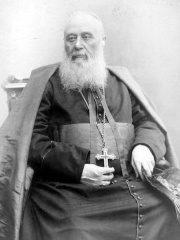
Charles Lavigerie
1825 - 1892
HPI: 62.23
المرتبة: 137
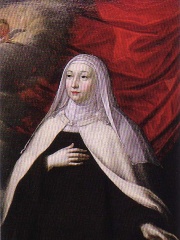
Marie of the Incarnation
1566 - 1618
HPI: 62.17
المرتبة: 138
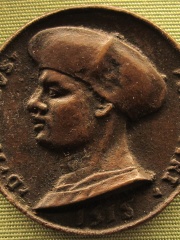
Jacques de Vitry
1170 - 1240
HPI: 62.03
المرتبة: 139
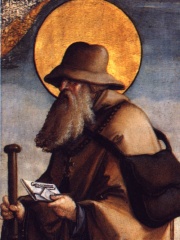
Judoc
600 - 668
HPI: 61.96
المرتبة: 140
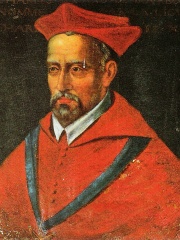
Charles de Bourbon
1523 - 1590
HPI: 61.92
المرتبة: 141
Christophe Pierre
1946 - حتى الآن
HPI: 61.89
المرتبة: 142
Lupus of Troyes
395 - 479
HPI: 61.84
المرتبة: 143
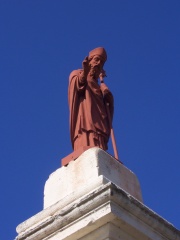
Eucherius of Lyon
380 - 449
HPI: 61.77
المرتبة: 144
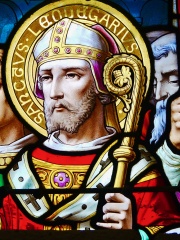
Leodegar
616 - 679
HPI: 61.75
المرتبة: 145

Albert Vanhoye
1923 - 2021
HPI: 61.68
المرتبة: 146
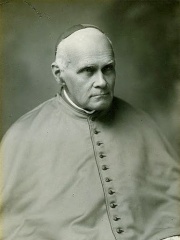
Louis Billot
1846 - 1931
HPI: 61.68
المرتبة: 147
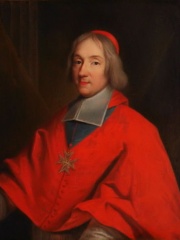
Louis Antoine de Noailles
1651 - 1729
HPI: 61.65
المرتبة: 148
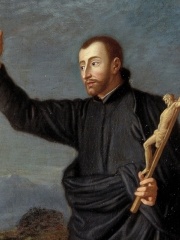
John Francis Regis
1597 - 1640
HPI: 61.62
المرتبة: 149




