Religiöse Persönlichkeit
Lupus of Troyes
395 - 479
DE.WIKIPEDIA-SEITENAUFRUFE (PV)
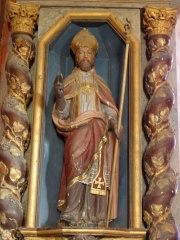
 Lupus of Troyes
Seine Biografie ist in 15 verschiedenen Sprachen auf Wikipedia verfügbar. Lupus of Troyes ist der 1,792nd beliebteste Religiöse Persönlichkeit (gestiegen vom 1,825th im Jahr 2024), die 2,721st beliebteste Biografie aus Frankreich (gestiegen vom 3,031st im Jahr 2019) und der 143rd beliebteste aus Frankreich Religiöse Persönlichkeit.
Bekanntheitsmetriken
15k
Seitenaufrufe
Letzte 12 Monate
61.84
HPI
Historischer Popularitätsindex
Seitenaufrufe von Lupus of Troyes nach Sprache
Unter Religiöse Persönlichkeit
Unter Religiöse Persönlichkeit belegt Lupus of Troyes Rang 1,792 von 3,187. Vor ihm stehen Christophe Pierre, Inayat Khan, Poppo von Osterna, Oswald of Northumbria, Ambrose Traversari, und Joseph Cardijn. Nach ihm folgen Marko Krizin, Matthew Festing, Kartir, Aelius Gallus, Ibn Khuzayma, und Víctor Manuel Fernández.
Die beliebtesten Religiöse Persönlichkeit auf Wikipedia
Zu allen Ranglisten
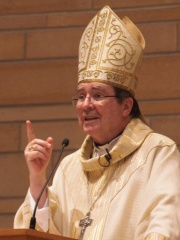
Christophe Pierre
1946 - heute
HPI: 61.89
Rang: 1,786
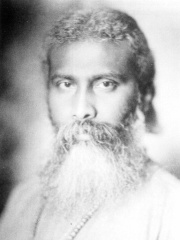
Inayat Khan
1882 - 1927
HPI: 61.88
Rang: 1,787

Poppo von Osterna
1200 - 1267
HPI: 61.86
Rang: 1,788
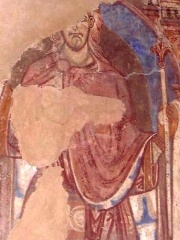
Oswald of Northumbria
604 - 642
HPI: 61.85
Rang: 1,789
Ambrose Traversari
1386 - 1439
HPI: 61.84
Rang: 1,790
Joseph Cardijn
1882 - 1967
HPI: 61.84
Rang: 1,791
Lupus of Troyes
395 - 479
HPI: 61.84
Rang: 1,792
Marko Krizin
1589 - 1619
HPI: 61.84
Rang: 1,793
Matthew Festing
1949 - 2021
HPI: 61.83
Rang: 1,794

Kartir
300 - 300
HPI: 61.83
Rang: 1,795

Aelius Gallus
50 BC - heute
HPI: 61.83
Rang: 1,796

Ibn Khuzayma
838 - 924
HPI: 61.83
Rang: 1,797
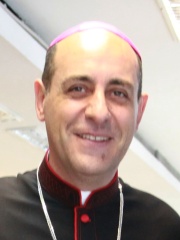
Víctor Manuel Fernández
1962 - heute
HPI: 61.82
Rang: 1,798

Zeitgenossen
Unter den im Jahr 395 Geborenen belegt Lupus of Troyes Rang 4. Vor ihm stehen Avitus, Hydatius, und Dengizich. Unter den im Jahr 479 Verstorbenen belegt Lupus of Troyes Rang 2. Vor ihm steht Emperor Yūryaku.
Weitere im Jahr 395 Geborene
Zu allen Ranglisten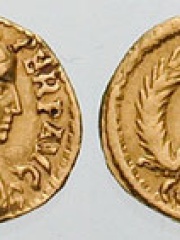
Avitus
POLITICIAN
395 - 457
HPI: 72.45
Rang: 1

Hydatius
POLITICIAN
395 - 469
HPI: 65.94
Rang: 2

Dengizich
POLITICIAN
395 - 469
HPI: 62.76
Rang: 3
Lupus of Troyes
RELIGIOUS FIGURE
395 - 479
HPI: 61.84
Rang: 4
Weitere im Jahr 479 Verstorbene
Zu allen Ranglisten
Emperor Yūryaku
POLITICIAN
418 - 479
HPI: 66.95
Rang: 1
Lupus of Troyes
RELIGIOUS FIGURE
395 - 479
HPI: 61.84
Rang: 2
In Frankreich
Unter den in Frankreich Geborenen belegt Lupus of Troyes Rang 2,721 von NaN. Vor ihm stehen Jean-Jacques Goldman (1951), Achille Valenciennes (1794), Ghislaine Maxwell (1961), Theobald III, Count of Blois (1019), Jean-François Regnard (1655), und André Thevet (1516). Nach ihm folgen Claude Cahun (1894), Guy Ligier (1930), Jean Rapp (1771), Henri Labrouste (1801), André Marty (1886), und Pierre Magnol (1638).
Weitere in Frankreich geborene Personen
Zu allen Ranglisten
Jean-Jacques Goldman
SINGER
1951 - heute
HPI: 61.85
Rang: 2,715
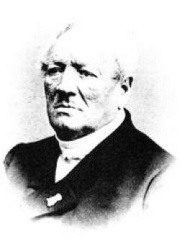
Achille Valenciennes
BIOLOGIST
1794 - 1865
HPI: 61.85
Rang: 2,716

Ghislaine Maxwell
BUSINESSPERSON
1961 - heute
HPI: 61.85
Rang: 2,717

Theobald III, Count of Blois
NOBLEMAN
1019 - 1089
HPI: 61.84
Rang: 2,718
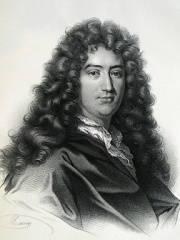
Jean-François Regnard
WRITER
1655 - 1709
HPI: 61.84
Rang: 2,719
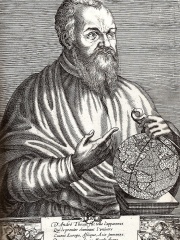
André Thevet
EXPLORER
1516 - 1590
HPI: 61.84
Rang: 2,720
Lupus of Troyes
RELIGIOUS FIGURE
395 - 479
HPI: 61.84
Rang: 2,721
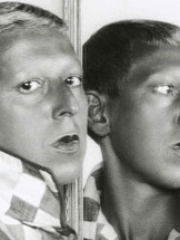
Claude Cahun
PHOTOGRAPHER
1894 - 1954
HPI: 61.84
Rang: 2,722

Guy Ligier
RACING DRIVER
1930 - 2015
HPI: 61.84
Rang: 2,723
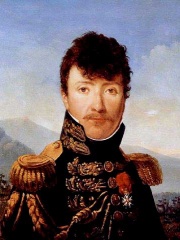
Jean Rapp
POLITICIAN
1771 - 1821
HPI: 61.83
Rang: 2,724
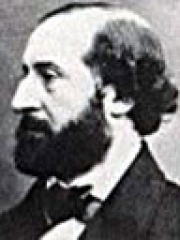
Henri Labrouste
ARCHITECT
1801 - 1875
HPI: 61.82
Rang: 2,725
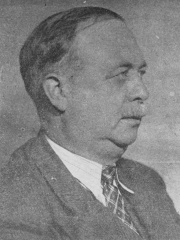
André Marty
POLITICIAN
1886 - 1956
HPI: 61.82
Rang: 2,726
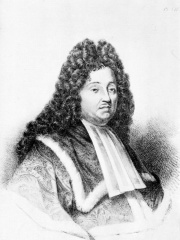
Pierre Magnol
BIOLOGIST
1638 - 1715
HPI: 61.82
Rang: 2,727
Unter Religiöse Persönlichkeit in Frankreich
Unter den in Frankreich geborenen Religiöse Persönlichkeit belegt Lupus of Troyes Rang 143. Vor ihm stehen Charles Lavigerie (1825), Marie of the Incarnation (1566), Jacques de Vitry (1170), Judoc (600), Charles de Bourbon (1523), und Christophe Pierre (1946). Nach ihm folgen Eucherius of Lyon (380), Leodegar (616), Albert Vanhoye (1923), Louis Billot (1846), Louis Antoine de Noailles (1651), und John Francis Regis (1597).
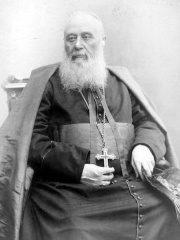
Charles Lavigerie
1825 - 1892
HPI: 62.23
Rang: 137
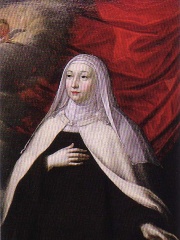
Marie of the Incarnation
1566 - 1618
HPI: 62.17
Rang: 138
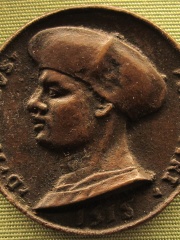
Jacques de Vitry
1170 - 1240
HPI: 62.03
Rang: 139
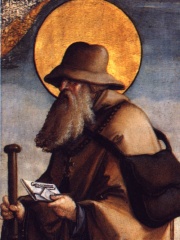
Judoc
600 - 668
HPI: 61.96
Rang: 140
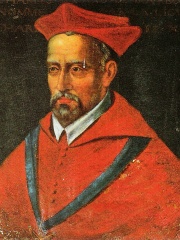
Charles de Bourbon
1523 - 1590
HPI: 61.92
Rang: 141
Christophe Pierre
1946 - heute
HPI: 61.89
Rang: 142
Lupus of Troyes
395 - 479
HPI: 61.84
Rang: 143
Eucherius of Lyon
380 - 449
HPI: 61.77
Rang: 144
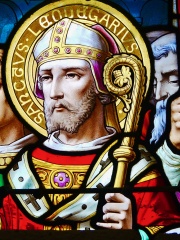
Leodegar
616 - 679
HPI: 61.75
Rang: 145

Albert Vanhoye
1923 - 2021
HPI: 61.68
Rang: 146
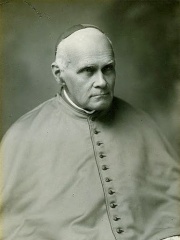
Louis Billot
1846 - 1931
HPI: 61.68
Rang: 147
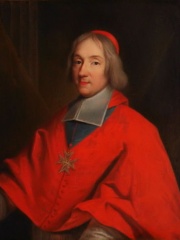
Louis Antoine de Noailles
1651 - 1729
HPI: 61.65
Rang: 148
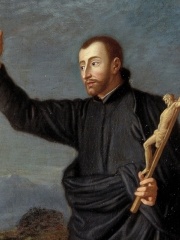
John Francis Regis
1597 - 1640
HPI: 61.62
Rang: 149




