Postać religijna
Germanus of Auxerre
378 - 448
WYŚWIETLENIA PL.WIKIPEDIA (PV)
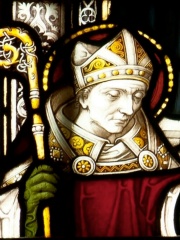
 Germanus of Auxerre
Jego biografia jest dostępna w 21 różnych językach w Wikipedii. Germanus of Auxerre jest 1625. najpopularniejszym postać religijna (spadek z 1461. w 2024 roku), 2436. najpopularniejszą biografią Francja (spadek z 2411. w 2019 roku) oraz 131. najpopularniejszym postać religijna Francja.
Wskaźniki rozpoznawalności
39k
Wyświetlenia strony
Ostatnie 12 miesięcy
62.72
HPI
Indeks historycznej popularności
Ciekawostki z danych
21
Biografia postaci Germanus of Auxerre obejmuje 21 wersji językowych Wikipedii, a jej Historyczny Indeks Popularności wynosi 62.72.
Wyświetlenia strony Germanus of Auxerre według języka
Wśród przedstawicieli zawodu Postać religijna
Wśród przedstawicieli zawodu „Postać religijna” Germanus of Auxerre zajmuje 1,625. miejsce na 3,189. Przed nim są Benedetto Aloisi Masella, Julian the Hospitaller, Antipope Callixtus III, Pierre de Castelnau, Saint Martial, i Armand de Périgord. Po nim są Joseph W. Tobin, Raymonde de Laroche, Aldegonde, Guru Amar Das, Amoghavajra, i Euthymius of Tarnovo.
Najpopularniejsi w Wikipedii: Postać religijna
Zobacz wszystkie rankingi
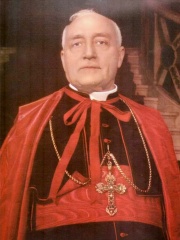
Benedetto Aloisi Masella
1879 - 1970
HPI: 62.75
Miejsce: 1,619
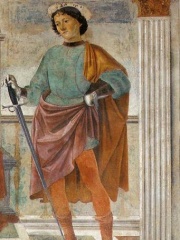
Julian the Hospitaller
700 - obecnie
HPI: 62.74
Miejsce: 1,620
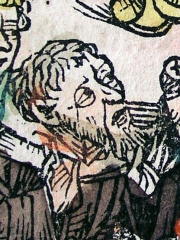
Antipope Callixtus III
HPI: 62.73
Miejsce: 1,621
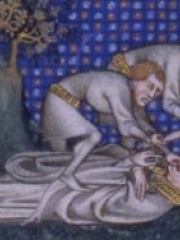
Pierre de Castelnau
1170 - 1208
HPI: 62.73
Miejsce: 1,622
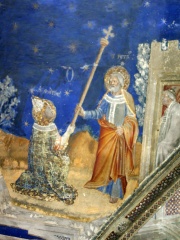
Saint Martial
300 - 300
HPI: 62.73
Miejsce: 1,623

Armand de Périgord
1178 - 1247
HPI: 62.73
Miejsce: 1,624
Germanus of Auxerre
378 - 448
HPI: 62.72
Miejsce: 1,625

Joseph W. Tobin
1952 - obecnie
HPI: 62.71
Miejsce: 1,626
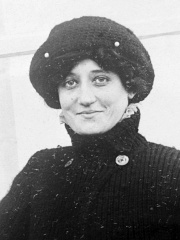
Raymonde de Laroche
1882 - 1919
HPI: 62.71
Miejsce: 1,627
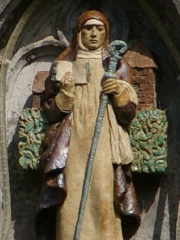
Aldegonde
639 - 684
HPI: 62.71
Miejsce: 1,628
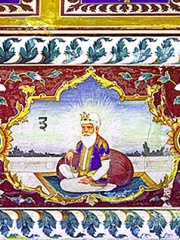
Guru Amar Das
1479 - 1574
HPI: 62.70
Miejsce: 1,629
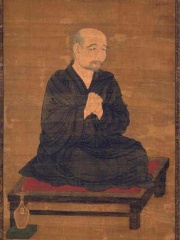
Amoghavajra
705 - 774
HPI: 62.70
Miejsce: 1,630
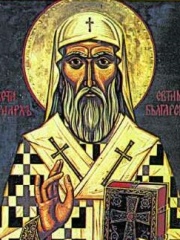
Euthymius of Tarnovo
1317 - 1402
HPI: 62.69
Miejsce: 1,631

Współcześni
Wśród osób urodzonych w 378 roku Germanus of Auxerre zajmuje 2. miejsce. Przed nim jest Pope Innocent I. Wśród osób zmarłych w 448 roku Germanus of Auxerre zajmuje 3. miejsce. Przed nim są Chlodio, i Rechila. Po nim jest Artaxias IV.
Inne osoby urodzone w 378 roku
Zobacz wszystkie rankingi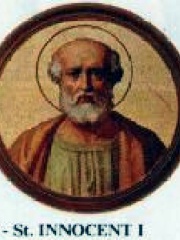
Pope Innocent I
RELIGIOUS FIGURE
378 - 417
HPI: 79.15
Miejsce: 1
Germanus of Auxerre
RELIGIOUS FIGURE
378 - 448
HPI: 62.72
Miejsce: 2
Inne osoby zmarłe w 448 roku
Zobacz wszystkie rankingi
Chlodio
POLITICIAN
393 - 448
HPI: 73.53
Miejsce: 1

Rechila
POLITICIAN
450 - 448
HPI: 64.06
Miejsce: 2
Germanus of Auxerre
RELIGIOUS FIGURE
378 - 448
HPI: 62.72
Miejsce: 3

Artaxias IV
NOBLEMAN
404 - 448
HPI: 56.19
Miejsce: 4
W kraju Francja
Wśród osób urodzonych w kraju Francja Germanus of Auxerre zajmuje 2,436. miejsce na 7,658. Przed nim są Claude Goudimel (1514), Pierre de Castelnau (1170), Saint Martial (300), Henri Gervex (1852), Ford Madox Brown (1821), i Eustace II, Count of Boulogne (1015). Po nim są Roger Peyrefitte (1907), Albert, 4th duc de Broglie (1821), Philippe Sollers (1936), Raymonde de Laroche (1882), Bernard Palissy (1510), i Henry Darcy (1803).
Inne osoby urodzone w kraju Francja
Zobacz wszystkie rankingi
Claude Goudimel
COMPOSER
1514 - 1572
HPI: 62.74
Miejsce: 2,430
Pierre de Castelnau
RELIGIOUS FIGURE
1170 - 1208
HPI: 62.73
Miejsce: 2,431
Saint Martial
RELIGIOUS FIGURE
300 - 300
HPI: 62.73
Miejsce: 2,432

Henri Gervex
PAINTER
1852 - 1929
HPI: 62.73
Miejsce: 2,433
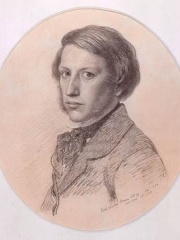
Ford Madox Brown
PAINTER
1821 - 1893
HPI: 62.72
Miejsce: 2,434
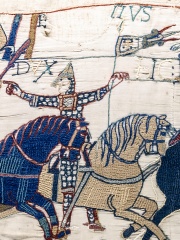
Eustace II, Count of Boulogne
NOBLEMAN
1015 - 1087
HPI: 62.72
Miejsce: 2,435
Germanus of Auxerre
RELIGIOUS FIGURE
378 - 448
HPI: 62.72
Miejsce: 2,436
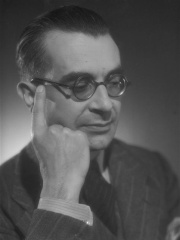
Roger Peyrefitte
WRITER
1907 - 2000
HPI: 62.72
Miejsce: 2,437
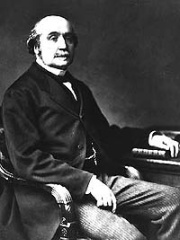
Albert, 4th duc de Broglie
POLITICIAN
1821 - 1901
HPI: 62.72
Miejsce: 2,438
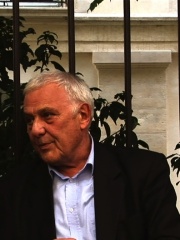
Philippe Sollers
WRITER
1936 - 2023
HPI: 62.71
Miejsce: 2,439
Raymonde de Laroche
RELIGIOUS FIGURE
1882 - 1919
HPI: 62.71
Miejsce: 2,440
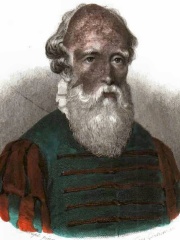
Bernard Palissy
WRITER
1510 - 1589
HPI: 62.71
Miejsce: 2,441
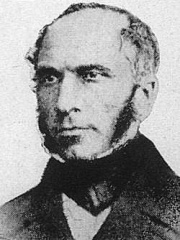
Henry Darcy
ENGINEER
1803 - 1858
HPI: 62.71
Miejsce: 2,442
Wśród przedstawicieli zawodu Postać religijna w kraju Francja
Wśród przedstawicieli zawodu „Postać religijna” urodzonych w kraju Francja Germanus of Auxerre zajmuje 131. miejsce. Przed nim są Peter Bartholomew (1100), Alfred Loisy (1857), Abbo of Fleury (945), Julian the Hospitaller (700), Pierre de Castelnau (1170), i Saint Martial (300). Po nim są Raymonde de Laroche (1882), Aldegonde (639), Louis Massignon (1883), Bérenger Saunière (1852), Jeanne de Lestonnac (1556), i Charles Lavigerie (1825).
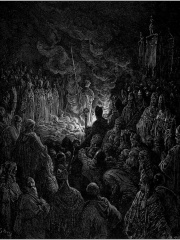
Peter Bartholomew
1100 - 1099
HPI: 62.79
Miejsce: 125
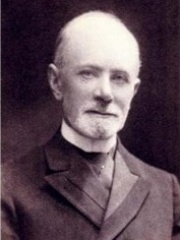
Alfred Loisy
1857 - 1940
HPI: 62.78
Miejsce: 126
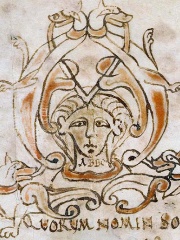
Abbo of Fleury
945 - 1004
HPI: 62.75
Miejsce: 127
Julian the Hospitaller
700 - obecnie
HPI: 62.74
Miejsce: 128
Pierre de Castelnau
1170 - 1208
HPI: 62.73
Miejsce: 129
Saint Martial
300 - 300
HPI: 62.73
Miejsce: 130
Germanus of Auxerre
378 - 448
HPI: 62.72
Miejsce: 131
Raymonde de Laroche
1882 - 1919
HPI: 62.71
Miejsce: 132
Aldegonde
639 - 684
HPI: 62.71
Miejsce: 133
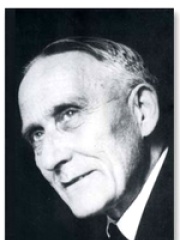
Louis Massignon
1883 - 1962
HPI: 62.61
Miejsce: 134
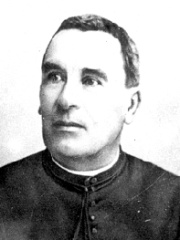
Bérenger Saunière
1852 - 1917
HPI: 62.37
Miejsce: 135
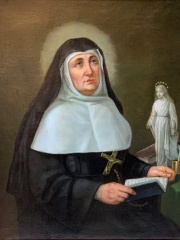
Jeanne de Lestonnac
1556 - 1640
HPI: 62.23
Miejsce: 136
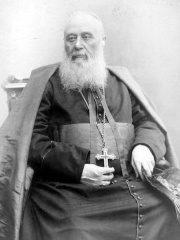
Charles Lavigerie
1825 - 1892
HPI: 62.23
Miejsce: 137




