Economista
John Maynard Keynes
1883 - 1946
PT.WIKIPEDIA PAGE VIEWS (PV)
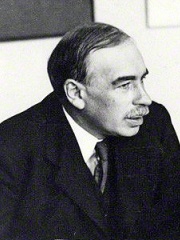
 John Maynard Keynes
Sua biografia está disponível em 135 idiomas na Wikipédia (aumento em relação a 129 em 2024). John Maynard Keynes é o 3º economista mais popular, a 74ª biografia mais popular do Reino Unido (caiu do 39ª em 2019) e o 2º economista mais popular do Reino Unido.
Memorability Metrics
1.1M
Page Views
Past 12 months
82.77
HPI
Historical Popularity Index
Page views of John Maynard Keynes by language
Among Economistas
Among economistas, John Maynard Keynes ranks 3 out of 414. Before him are Adam Smith, and Karl Marx. After him are David Ricardo, Thomas Robert Malthus, John Stuart Mill, Herbert A. Simon, Friedrich Hayek, Frédéric Passy, Vilfredo Pareto, Milton Friedman, and François Quesnay.
Most Popular Economistas in Wikipedia
Go to all Rankings
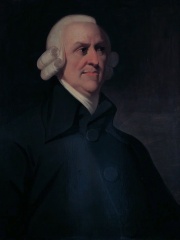
Adam Smith
1723 - 1790
HPI: 92.99
Rank: 1
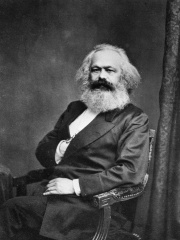
Karl Marx
1818 - 1883
HPI: 92.24
Rank: 2
John Maynard Keynes
1883 - 1946
HPI: 82.77
Rank: 3
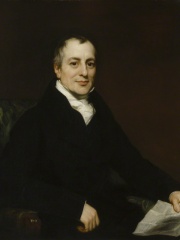
David Ricardo
1772 - 1823
HPI: 80.48
Rank: 4

Thomas Robert Malthus
1766 - 1834
HPI: 80.30
Rank: 5
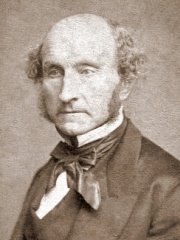
John Stuart Mill
1806 - 1873
HPI: 80.26
Rank: 6

Herbert A. Simon
1916 - 2001
HPI: 80.18
Rank: 7
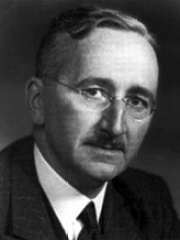
Friedrich Hayek
1899 - 1992
HPI: 78.84
Rank: 8
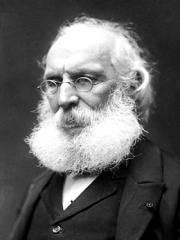
Frédéric Passy
1822 - 1912
HPI: 78.38
Rank: 9
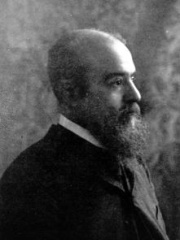
Vilfredo Pareto
1848 - 1923
HPI: 77.84
Rank: 10
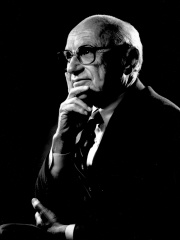
Milton Friedman
1912 - 2006
HPI: 77.39
Rank: 11
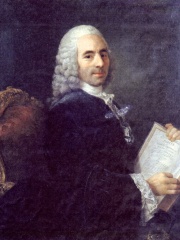
François Quesnay
1694 - 1774
HPI: 76.73
Rank: 12

Contemporaries
Among people born in 1883, John Maynard Keynes ranks 5. Before him are Franz Kafka, Benito Mussolini, Khalil Gibran, and Coco Chanel. After him are Karl Jaspers, Anton Webern, Walter Gropius, Victor Francis Hess, Nikos Kazantzakis, Jaroslav Hašek, and Joseph Schumpeter. Among people deceased in 1946, John Maynard Keynes ranks 3. Before him are H. G. Wells, and Hermann Göring. After him are Wilhelm Keitel, Joachim von Ribbentrop, Alfred Rosenberg, Alfred Jodl, Amon Göth, Ion Antonescu, Ernst Kaltenbrunner, Gerhart Hauptmann, and Hans Frank.
Others Born in 1883
Go to all Rankings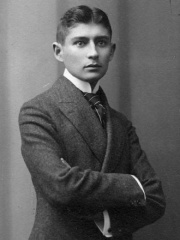
Franz Kafka
WRITER
1883 - 1924
HPI: 89.62
Rank: 1
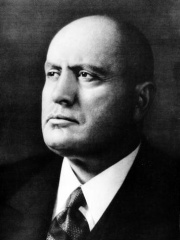
Benito Mussolini
POLITICIAN
1883 - 1945
HPI: 88.36
Rank: 2
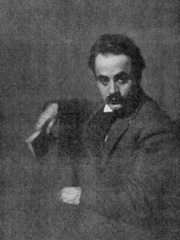
Khalil Gibran
WRITER
1883 - 1931
HPI: 85.57
Rank: 3
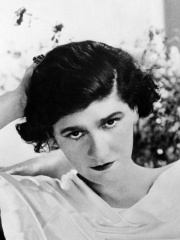
Coco Chanel
FASHION DESIGNER
1883 - 1971
HPI: 85.25
Rank: 4
John Maynard Keynes
ECONOMIST
1883 - 1946
HPI: 82.77
Rank: 5
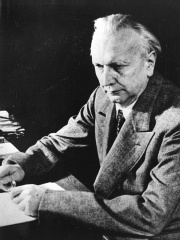
Karl Jaspers
PHILOSOPHER
1883 - 1969
HPI: 80.28
Rank: 6
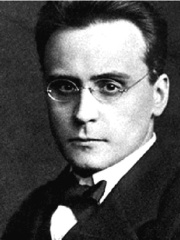
Anton Webern
COMPOSER
1883 - 1945
HPI: 78.67
Rank: 7
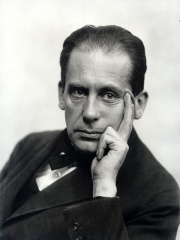
Walter Gropius
ARCHITECT
1883 - 1969
HPI: 78.26
Rank: 8
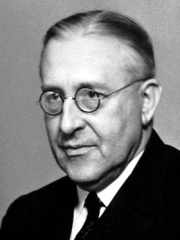
Victor Francis Hess
PHYSICIST
1883 - 1964
HPI: 76.97
Rank: 9
Nikos Kazantzakis
WRITER
1883 - 1957
HPI: 76.70
Rank: 10
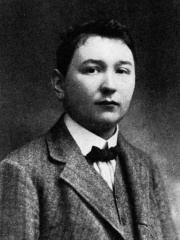
Jaroslav Hašek
WRITER
1883 - 1923
HPI: 76.68
Rank: 11
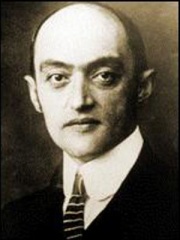
Joseph Schumpeter
ECONOMIST
1883 - 1950
HPI: 76.49
Rank: 12
Others Deceased in 1946
Go to all Rankings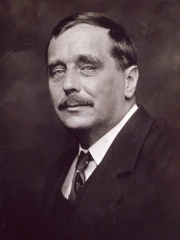
H. G. Wells
WRITER
1866 - 1946
HPI: 85.76
Rank: 1
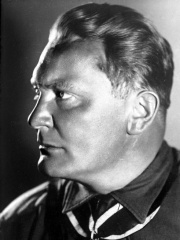
Hermann Göring
POLITICIAN
1893 - 1946
HPI: 84.02
Rank: 2
John Maynard Keynes
ECONOMIST
1883 - 1946
HPI: 82.77
Rank: 3
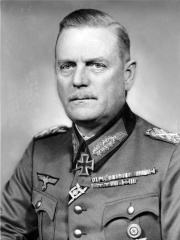
Wilhelm Keitel
MILITARY PERSONNEL
1882 - 1946
HPI: 80.29
Rank: 4
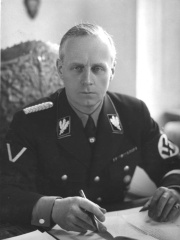
Joachim von Ribbentrop
POLITICIAN
1893 - 1946
HPI: 80.04
Rank: 5
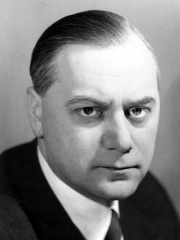
Alfred Rosenberg
POLITICIAN
1893 - 1946
HPI: 78.24
Rank: 6
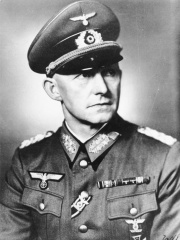
Alfred Jodl
MILITARY PERSONNEL
1890 - 1946
HPI: 78.19
Rank: 7

Amon Göth
EXTREMIST
1908 - 1946
HPI: 77.38
Rank: 8
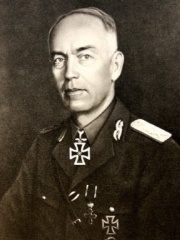
Ion Antonescu
POLITICIAN
1882 - 1946
HPI: 77.28
Rank: 9
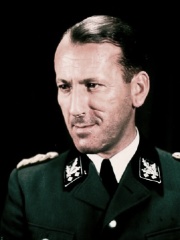
Ernst Kaltenbrunner
POLITICIAN
1903 - 1946
HPI: 77.08
Rank: 10
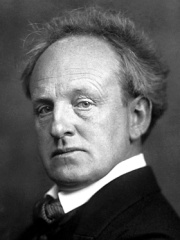
Gerhart Hauptmann
WRITER
1862 - 1946
HPI: 76.95
Rank: 11
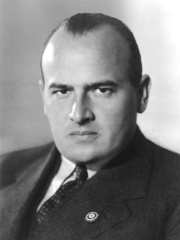
Hans Frank
POLITICIAN
1900 - 1946
HPI: 76.65
Rank: 12
In Reino Unido
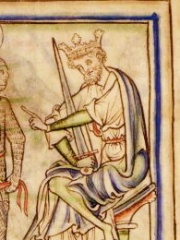
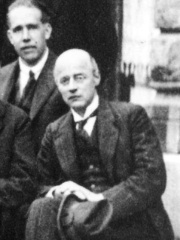
Among people born in Reino Unido, John Maynard Keynes ranks 74 out of NaN. Before him are Aleister Crowley (1875), John William Strutt, 3rd Baron Rayleigh (1842), Edward the Black Prince (1330), Robert Hooke (1635), Lord Byron (1788), and D. H. Lawrence (1885). After him are Daniel Defoe (1660), Cecil Rhodes (1853), Bertrand Russell (1872), Charles Thomson Rees Wilson (1869), Harold Harefoot (1016), and Owen Willans Richardson (1879).
Others born in Reino Unido
Go to all Rankings
Aleister Crowley
OCCULTIST
1875 - 1947
HPI: 83.14
Rank: 68
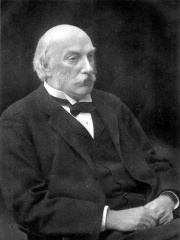
John William Strutt, 3rd Baron Rayleigh
PHYSICIST
1842 - 1919
HPI: 83.12
Rank: 69
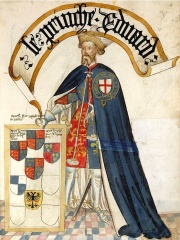
Edward the Black Prince
NOBLEMAN
1330 - 1376
HPI: 83.11
Rank: 70
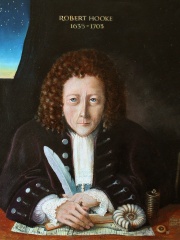
Robert Hooke
PHYSICIST
1635 - 1703
HPI: 82.93
Rank: 71
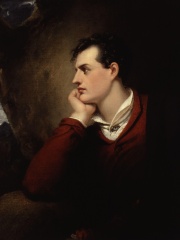
Lord Byron
WRITER
1788 - 1824
HPI: 82.84
Rank: 72
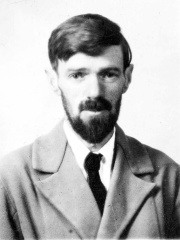
D. H. Lawrence
WRITER
1885 - 1930
HPI: 82.80
Rank: 73
John Maynard Keynes
ECONOMIST
1883 - 1946
HPI: 82.77
Rank: 74
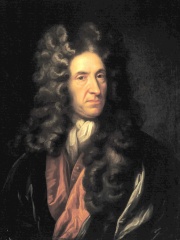
Daniel Defoe
WRITER
1660 - 1731
HPI: 82.76
Rank: 75
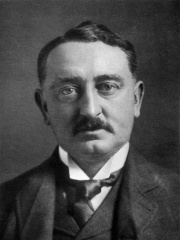
Cecil Rhodes
BUSINESSPERSON
1853 - 1902
HPI: 82.74
Rank: 76
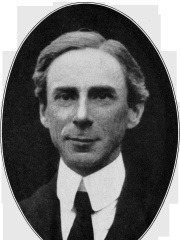
Bertrand Russell
MATHEMATICIAN
1872 - 1970
HPI: 82.69
Rank: 77
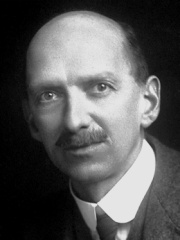
Charles Thomson Rees Wilson
PHYSICIST
1869 - 1959
HPI: 82.58
Rank: 78
Harold Harefoot
NOBLEMAN
1016 - 1040
HPI: 82.54
Rank: 79
Owen Willans Richardson
PHYSICIST
1879 - 1959
HPI: 82.49
Rank: 80
Among Economistas In Reino Unido
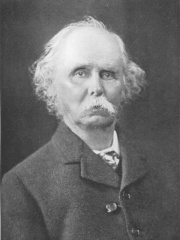
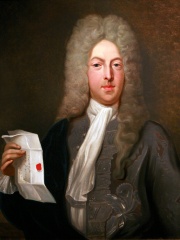
Among economistas born in Reino Unido, John Maynard Keynes ranks 2. Before him are Adam Smith (1723). After him are David Ricardo (1772), Thomas Robert Malthus (1766), John Stuart Mill (1806), Alfred Marshall (1842), John Law (1671), John Hicks (1904), William Petty (1623), Ronald Coase (1910), Lionel Robbins (1898), and Benjamin Graham (1894).
Adam Smith
1723 - 1790
HPI: 92.99
Rank: 1
John Maynard Keynes
1883 - 1946
HPI: 82.77
Rank: 2
David Ricardo
1772 - 1823
HPI: 80.48
Rank: 3
Thomas Robert Malthus
1766 - 1834
HPI: 80.30
Rank: 4
John Stuart Mill
1806 - 1873
HPI: 80.26
Rank: 5
Alfred Marshall
1842 - 1924
HPI: 75.63
Rank: 6
John Law
1671 - 1729
HPI: 75.44
Rank: 7
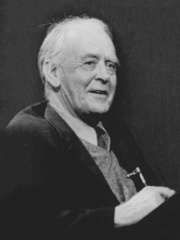
John Hicks
1904 - 1989
HPI: 71.34
Rank: 8
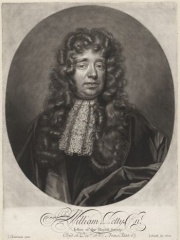
William Petty
1623 - 1687
HPI: 71.18
Rank: 9
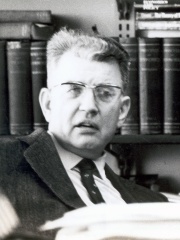
Ronald Coase
1910 - 2013
HPI: 71.03
Rank: 10
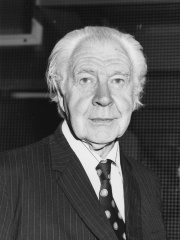
Lionel Robbins
1898 - 1984
HPI: 69.82
Rank: 11
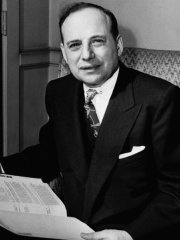
Benjamin Graham
1894 - 1976
HPI: 69.43
Rank: 12




