Scrittore
Khalil Gibran
1883 - 1931
IT.WIKIPEDIA PAGE VIEWS (PV)
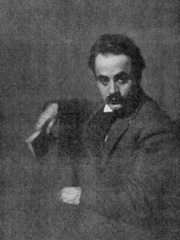
 Khalil Gibran
La sua biografia è disponibile in 105 lingue su Wikipedia (in aumento rispetto a 100 nel 2024). Khalil Gibran è il 35° scrittore più popolare (in aumento dal 202° nel 2024), la biografia più popolare della Libano (in aumento dal 2ª nel 2019) e il scrittore più popolare della Libano.
Memorability Metrics
840k
Page Views
Past 12 months
85.57
HPI
Historical Popularity Index
Page views of Khalil Gibran by language
Among Scrittores
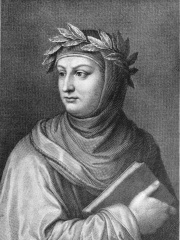
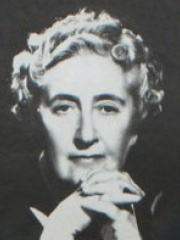
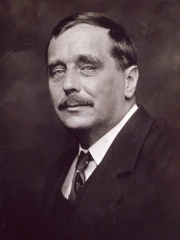
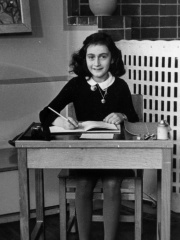
Among scrittores, Khalil Gibran ranks 35 out of 7,302. Before him are Aesop, Antoine de Saint-Exupéry, Gabriel García Márquez, Giovanni Boccaccio, Agatha Christie, and H. G. Wells. After him are Anne Frank, George Orwell, Charles Dickens, Matsuo Bashō, Hermann Hesse, and Emily Dickinson.
Most Popular Scrittores in Wikipedia
Go to all Rankings
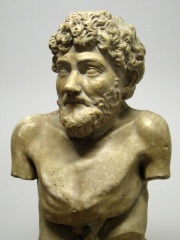
Aesop
620 BC - 564 BC
HPI: 86.32
Rank: 29
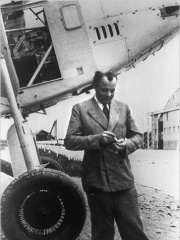
Antoine de Saint-Exupéry
1900 - 1944
HPI: 86.21
Rank: 30
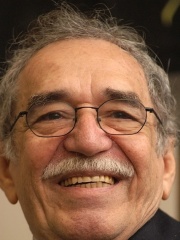
Gabriel García Márquez
1927 - 2014
HPI: 86.19
Rank: 31
Giovanni Boccaccio
1313 - 1375
HPI: 85.98
Rank: 32
Agatha Christie
1890 - 1976
HPI: 85.80
Rank: 33
H. G. Wells
1866 - 1946
HPI: 85.76
Rank: 34
Khalil Gibran
1883 - 1931
HPI: 85.57
Rank: 35
Anne Frank
1929 - 1945
HPI: 85.31
Rank: 36
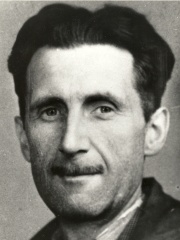
George Orwell
1903 - 1950
HPI: 85.28
Rank: 37
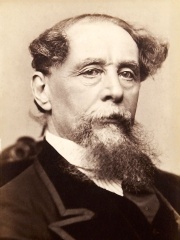
Charles Dickens
1812 - 1870
HPI: 85.20
Rank: 38
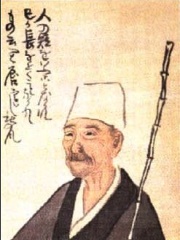
Matsuo Bashō
1644 - 1694
HPI: 85.14
Rank: 39
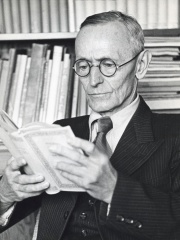
Hermann Hesse
1877 - 1962
HPI: 85.13
Rank: 40
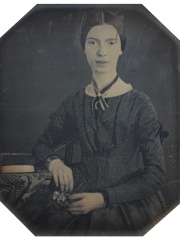
Emily Dickinson
1830 - 1886
HPI: 85.12
Rank: 41

Contemporaries
Among people born in 1883, Khalil Gibran ranks 3. Before him are Franz Kafka, and Benito Mussolini. After him are Coco Chanel, John Maynard Keynes, Karl Jaspers, Anton Webern, Walter Gropius, Victor Francis Hess, Nikos Kazantzakis, Jaroslav Hašek, and Joseph Schumpeter. Among people deceased in 1931, Khalil Gibran ranks 2. Before him is Thomas Edison. After him are Albert A. Michelson, Otto Wallach, Gustave Le Bon, Anna Pavlova, Erik Axel Karlfeldt, Louise, Princess Royal, Hussein bin Ali, Sharif of Mecca, Omar Mukhtar, Arthur Schnitzler, and Lili Elbe.
Others Born in 1883
Go to all Rankings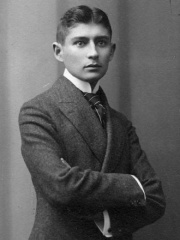
Franz Kafka
WRITER
1883 - 1924
HPI: 89.62
Rank: 1
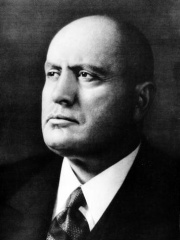
Benito Mussolini
POLITICIAN
1883 - 1945
HPI: 88.36
Rank: 2
Khalil Gibran
WRITER
1883 - 1931
HPI: 85.57
Rank: 3
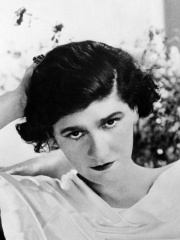
Coco Chanel
FASHION DESIGNER
1883 - 1971
HPI: 85.25
Rank: 4
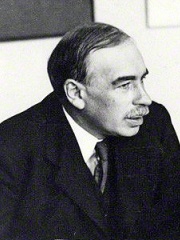
John Maynard Keynes
ECONOMIST
1883 - 1946
HPI: 82.77
Rank: 5
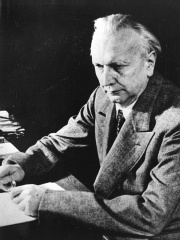
Karl Jaspers
PHILOSOPHER
1883 - 1969
HPI: 80.28
Rank: 6
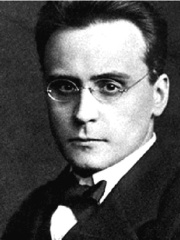
Anton Webern
COMPOSER
1883 - 1945
HPI: 78.67
Rank: 7
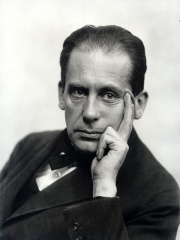
Walter Gropius
ARCHITECT
1883 - 1969
HPI: 78.26
Rank: 8
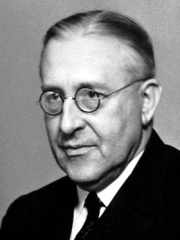
Victor Francis Hess
PHYSICIST
1883 - 1964
HPI: 76.97
Rank: 9
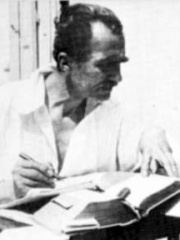
Nikos Kazantzakis
WRITER
1883 - 1957
HPI: 76.70
Rank: 10
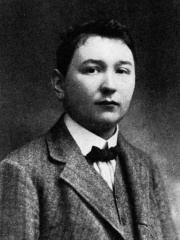
Jaroslav Hašek
WRITER
1883 - 1923
HPI: 76.68
Rank: 11
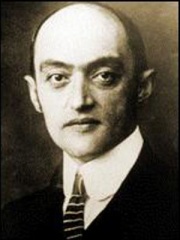
Joseph Schumpeter
ECONOMIST
1883 - 1950
HPI: 76.49
Rank: 12
Others Deceased in 1931
Go to all Rankings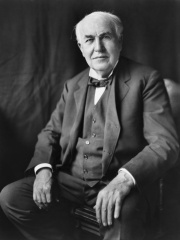
Thomas Edison
INVENTOR
1847 - 1931
HPI: 91.65
Rank: 1
Khalil Gibran
WRITER
1883 - 1931
HPI: 85.57
Rank: 2
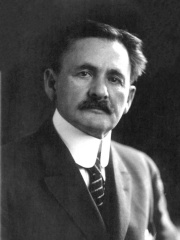
Albert A. Michelson
PHYSICIST
1852 - 1931
HPI: 84.49
Rank: 3
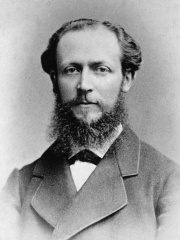
Otto Wallach
CHEMIST
1847 - 1931
HPI: 78.30
Rank: 4
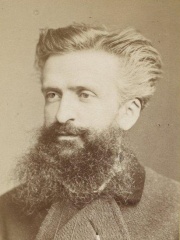
Gustave Le Bon
PSYCHOLOGIST
1841 - 1931
HPI: 77.78
Rank: 5

Anna Pavlova
DANCER
1881 - 1931
HPI: 77.37
Rank: 6
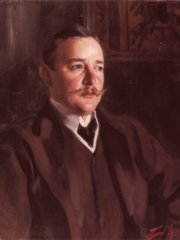
Erik Axel Karlfeldt
WRITER
1864 - 1931
HPI: 76.07
Rank: 7
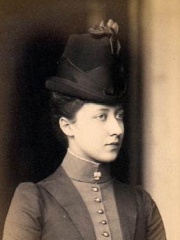
Louise, Princess Royal
POLITICIAN
1867 - 1931
HPI: 75.26
Rank: 8
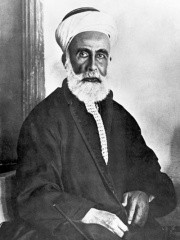
Hussein bin Ali, Sharif of Mecca
POLITICIAN
1853 - 1931
HPI: 74.81
Rank: 9
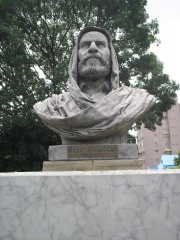
Omar Mukhtar
SOCIAL ACTIVIST
1858 - 1931
HPI: 74.73
Rank: 10
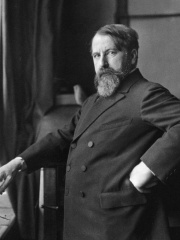
Arthur Schnitzler
WRITER
1862 - 1931
HPI: 74.59
Rank: 11
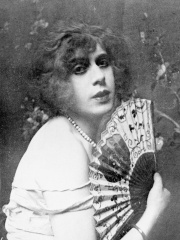
Lili Elbe
PAINTER
1882 - 1931
HPI: 74.30
Rank: 12
In Libano
Among people born in Libano, Khalil Gibran ranks 1 out of NaN. After him are Severus Alexander (208), Porphyry (233), Dido (-879), Pope Sisinnius (650), Pope Constantine (664), Keanu Reeves (1964), Ahab (-900), Ulpian (170), Michel Aoun (1935), Hassan Nasrallah (1960), and Charbel Makhlouf (1828).
Others born in Libano
Go to all RankingsKhalil Gibran
WRITER
1883 - 1931
HPI: 85.57
Rank: 1
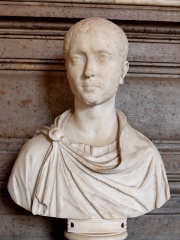
Severus Alexander
POLITICIAN
208 - 235
HPI: 84.39
Rank: 2
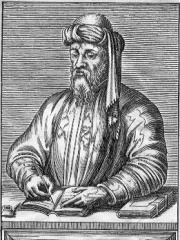
Porphyry
PHILOSOPHER
233 - 305
HPI: 80.06
Rank: 3
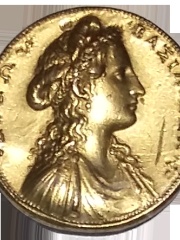
Dido
POLITICIAN
879 BC - 759 BC
HPI: 78.36
Rank: 4
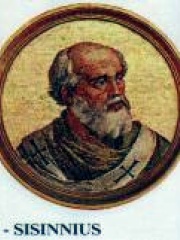
Pope Sisinnius
RELIGIOUS FIGURE
650 - 708
HPI: 76.59
Rank: 5
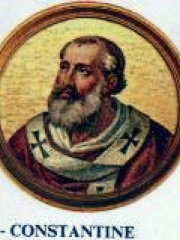
Pope Constantine
RELIGIOUS FIGURE
664 - 715
HPI: 76.23
Rank: 6
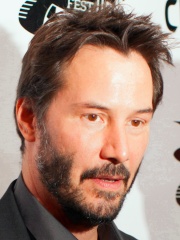
Keanu Reeves
ACTOR
1964 - Present
HPI: 76.23
Rank: 7
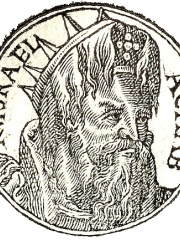
Ahab
POLITICIAN
900 BC - 852 BC
HPI: 76.10
Rank: 8
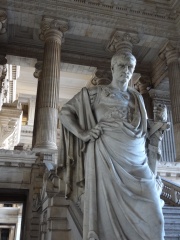
Ulpian
LAWYER
170 - 228
HPI: 74.89
Rank: 9
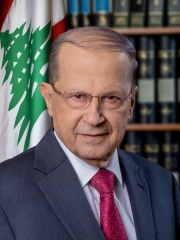
Michel Aoun
POLITICIAN
1935 - Present
HPI: 74.23
Rank: 10
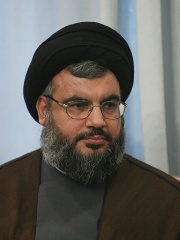
Hassan Nasrallah
POLITICIAN
1960 - 2024
HPI: 74.00
Rank: 11
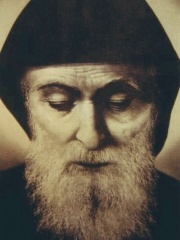
Charbel Makhlouf
RELIGIOUS FIGURE
1828 - 1898
HPI: 73.82
Rank: 12
Among Scrittores In Libano
Among scrittores born in Libano, Khalil Gibran ranks 1. After him are Amin Maalouf (1949), Antipater of Sidon (-200), Etel Adnan (1925), Philo of Byblos (64), Butrus al-Bustani (1819), Mikha'il Na'ima (1889), Charles Malik (1906), Elias Khoury (1948), Said Akl (1911), Sanchuniathon (-150), and Wajdi Mouawad (1968).
Khalil Gibran
1883 - 1931
HPI: 85.57
Rank: 1
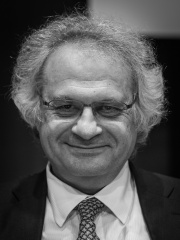
Amin Maalouf
1949 - Present
HPI: 71.50
Rank: 2

Antipater of Sidon
200 BC - 100 BC
HPI: 64.83
Rank: 3
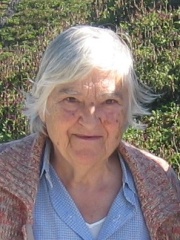
Etel Adnan
1925 - 2021
HPI: 62.43
Rank: 4

Philo of Byblos
64 - 141
HPI: 62.10
Rank: 5
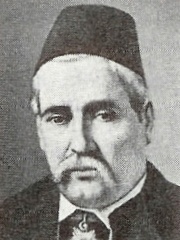
Butrus al-Bustani
1819 - 1883
HPI: 59.58
Rank: 6
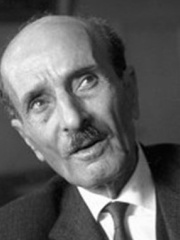
Mikha'il Na'ima
1889 - 1988
HPI: 58.95
Rank: 7
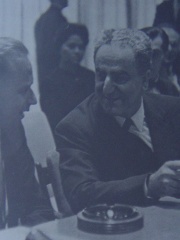
Charles Malik
1906 - 1987
HPI: 58.59
Rank: 8
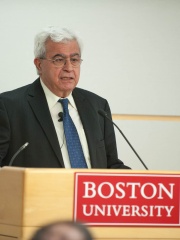
Elias Khoury
1948 - 2024
HPI: 58.43
Rank: 9
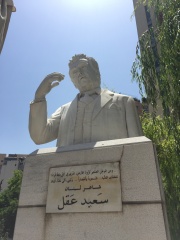
Said Akl
1911 - 2014
HPI: 58.43
Rank: 10

Sanchuniathon
150 BC - 150 BC
HPI: 55.41
Rank: 11
Wajdi Mouawad
1968 - Present
HPI: 54.77
Rank: 12




