Politicus
Hiero I of Syracuse
600 BC - 466 BC
NL.WIKIPEDIA PAGE VIEWS (PV)
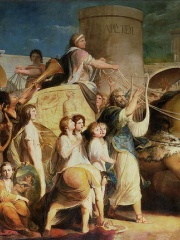
 Hiero I of Syracuse
Zijn biografie is beschikbaar in 29 verschillende talen op Wikipedia (toegenomen van 28 in 2024). Hiero I of Syracuse staat op plaats 3.739 onder de meest populaire politicus (gedaald van plaats 3.382 in 2024), plaats 1.134 onder de meest populaire biografieën uit Italië (gedaald van plaats 1.082 in 2019) en op plaats 250 onder de populairste politicus uit Italië.
Memorability Metrics
22k
Page Views
Past 12 months
68.38
HPI
Historical Popularity Index
Page views of Hiero I of Syracuse by language
Among Politicuses
Among politicuses, Hiero I of Syracuse ranks 3,737 out of 19,576. Before him are Licinius II, Jacob Le Maire, George, King of Saxony, Empress Jitō, Eric II of Denmark, and Prokopis Pavlopoulos. After him are Nguyễn Văn Thiệu, Archduchess Maria Maddalena of Austria, Theodore II Palaiologos, Gaafar Nimeiry, Rajaraja I, and Infanta Maria Josepha of Portugal.
Most Popular Politicuses in Wikipedia
Go to all Rankings
Licinius II
315 - 326
HPI: 68.39
Rank: 3,733
Jacob Le Maire
1585 - 1616
HPI: 68.39
Rank: 3,734
George, King of Saxony
1832 - 1904
HPI: 68.39
Rank: 3,735

Empress Jitō
645 - 703
HPI: 68.39
Rank: 3,736
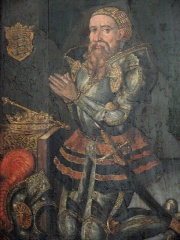
Eric II of Denmark
1090 - 1137
HPI: 68.39
Rank: 3,737
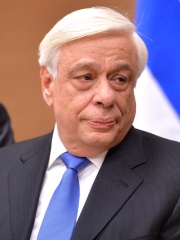
Prokopis Pavlopoulos
1950 - Present
HPI: 68.38
Rank: 3,738
Hiero I of Syracuse
600 BC - 466 BC
HPI: 68.38
Rank: 3,739
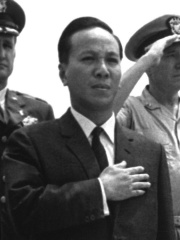
Nguyễn Văn Thiệu
1923 - 2001
HPI: 68.38
Rank: 3,740
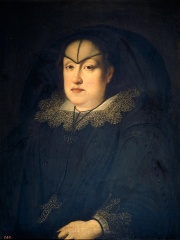
Archduchess Maria Maddalena of Austria
1589 - 1631
HPI: 68.38
Rank: 3,741
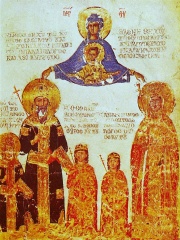
Theodore II Palaiologos
1396 - 1448
HPI: 68.38
Rank: 3,742
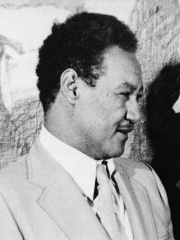
Gaafar Nimeiry
1930 - 2009
HPI: 68.38
Rank: 3,743
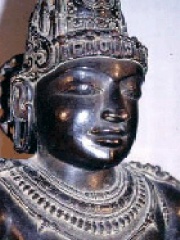
Rajaraja I
947 - 1014
HPI: 68.37
Rank: 3,744
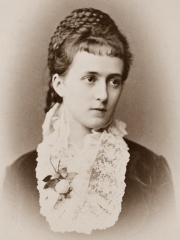
Infanta Maria Josepha of Portugal
1857 - 1943
HPI: 68.37
Rank: 3,745

Contemporaries
Among people born in 600 BC, Hiero I of Syracuse ranks 34. Before him are Thespis, Aristagoras, Publius Valerius Publicola, Neriglissar, Ibycus, and Gelon. After him are Demaratus, Sextus Tarquinius, Lars Porsena, Horatius Cocles, Artaphernes, and Datis. Among people deceased in 466 BC, Hiero I of Syracuse ranks 1.
Others Born in 600 BC
Go to all Rankings
Thespis
ACTOR
600 BC - 560 BC
HPI: 69.86
Rank: 28
Aristagoras
POLITICIAN
600 BC - 497 BC
HPI: 69.85
Rank: 29
Publius Valerius Publicola
POLITICIAN
600 BC - 503 BC
HPI: 69.62
Rank: 30
Neriglissar
POLITICIAN
600 BC - 556 BC
HPI: 69.44
Rank: 31
Ibycus
WRITER
600 BC - 600 BC
HPI: 69.19
Rank: 32
Gelon
POLITICIAN
600 BC - 477 BC
HPI: 68.76
Rank: 33
Hiero I of Syracuse
POLITICIAN
600 BC - 466 BC
HPI: 68.38
Rank: 34

Demaratus
POLITICIAN
600 BC - 500 BC
HPI: 67.99
Rank: 35
Sextus Tarquinius
POLITICIAN
600 BC - 509 BC
HPI: 67.53
Rank: 36
Lars Porsena
POLITICIAN
600 BC - 500 BC
HPI: 67.43
Rank: 37
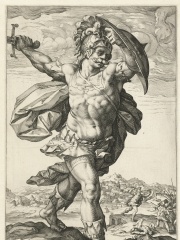
Horatius Cocles
MILITARY PERSONNEL
600 BC - Present
HPI: 67.40
Rank: 38
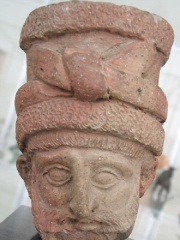
Artaphernes
POLITICIAN
600 BC - 493 BC
HPI: 66.84
Rank: 39
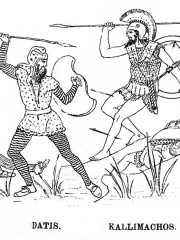
Datis
MILITARY PERSONNEL
600 BC - 490 BC
HPI: 66.69
Rank: 40
Others Deceased in 466 BC
Go to all RankingsIn Italië
Among people born in Italië, Hiero I of Syracuse ranks 1,134 out of NaN. Before him are Francesco Melzi (1491), Paolo Gentiloni (1954), Gaius Asinius Pollio (-76), Renato Martino (1932), Archduke John of Austria (1782), and Stanislao Cannizzaro (1826). After him are Bartolus de Saxoferrato (1313), Venantius Fortunatus (530), Alberto Sordi (1920), Frederick of Naples (1451), Ottavio Farnese, Duke of Parma (1524), and Giacomo Matteotti (1885).
Others born in Italië
Go to all Rankings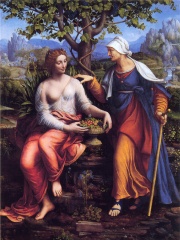
Francesco Melzi
PAINTER
1491 - 1570
HPI: 68.41
Rank: 1,128
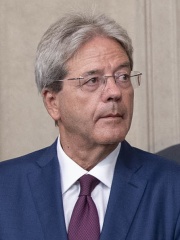
Paolo Gentiloni
POLITICIAN
1954 - Present
HPI: 68.41
Rank: 1,129
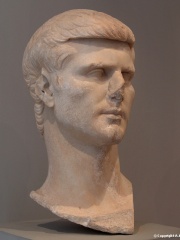
Gaius Asinius Pollio
WRITER
76 BC - 4
HPI: 68.41
Rank: 1,130
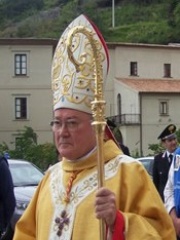
Renato Martino
RELIGIOUS FIGURE
1932 - 2024
HPI: 68.41
Rank: 1,131
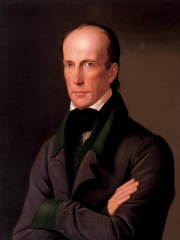
Archduke John of Austria
NOBLEMAN
1782 - 1859
HPI: 68.39
Rank: 1,132
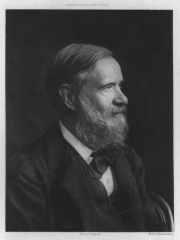
Stanislao Cannizzaro
CHEMIST
1826 - 1910
HPI: 68.39
Rank: 1,133
Hiero I of Syracuse
POLITICIAN
600 BC - 466 BC
HPI: 68.38
Rank: 1,134
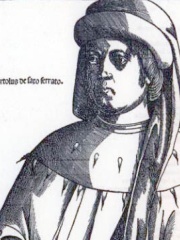
Bartolus de Saxoferrato
PHILOSOPHER
1313 - 1357
HPI: 68.37
Rank: 1,135
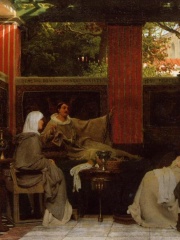
Venantius Fortunatus
WRITER
530 - 609
HPI: 68.37
Rank: 1,136
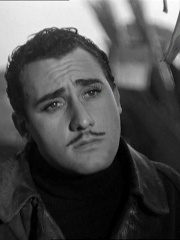
Alberto Sordi
ACTOR
1920 - 2003
HPI: 68.36
Rank: 1,137
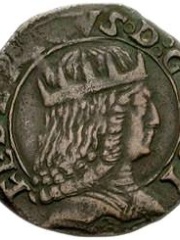
Frederick of Naples
POLITICIAN
1451 - 1504
HPI: 68.34
Rank: 1,138
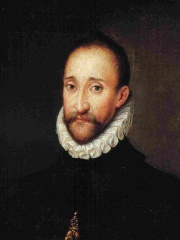
Ottavio Farnese, Duke of Parma
POLITICIAN
1524 - 1586
HPI: 68.34
Rank: 1,139
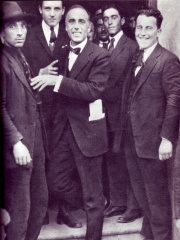
Giacomo Matteotti
POLITICIAN
1885 - 1924
HPI: 68.34
Rank: 1,140
Among Politicuses In Italië
Among politicuses born in Italië, Hiero I of Syracuse ranks 250. Before him are Joannes (400), Milonia Caesonia (7), Ferdinand II of Naples (1467), Drusus Julius Caesar (-13), Maria Teresa of Savoy (1803), and Paolo Gentiloni (1954). After him are Frederick of Naples (1451), Ottavio Farnese, Duke of Parma (1524), Giacomo Matteotti (1885), Bohemond II of Antioch (1108), Quintus Aurelius Symmachus (340), and Eleonora Gonzaga (1598).
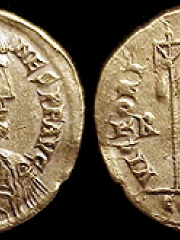
Joannes
400 - 425
HPI: 68.54
Rank: 244
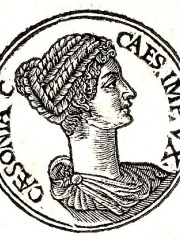
Milonia Caesonia
7 - 41
HPI: 68.50
Rank: 245
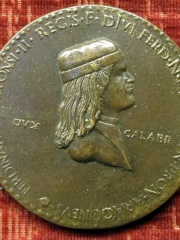
Ferdinand II of Naples
1467 - 1496
HPI: 68.45
Rank: 246
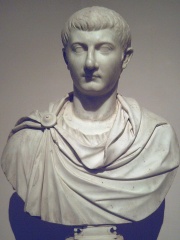
Drusus Julius Caesar
13 BC - 23
HPI: 68.44
Rank: 247
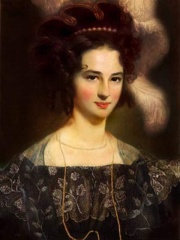
Maria Teresa of Savoy
1803 - 1879
HPI: 68.44
Rank: 248
Paolo Gentiloni
1954 - Present
HPI: 68.41
Rank: 249
Hiero I of Syracuse
600 BC - 466 BC
HPI: 68.38
Rank: 250
Frederick of Naples
1451 - 1504
HPI: 68.34
Rank: 251
Ottavio Farnese, Duke of Parma
1524 - 1586
HPI: 68.34
Rank: 252
Giacomo Matteotti
1885 - 1924
HPI: 68.34
Rank: 253
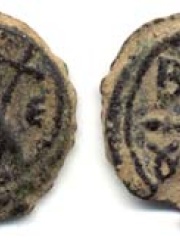
Bohemond II of Antioch
1108 - 1130
HPI: 68.30
Rank: 254
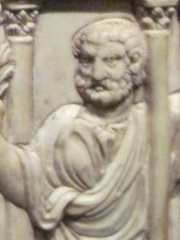
Quintus Aurelius Symmachus
340 - 402
HPI: 68.29
Rank: 255
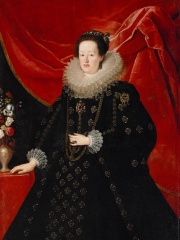
Eleonora Gonzaga
1598 - 1655
HPI: 68.21
Rank: 256




