政治家
Paolo Gentiloni
1954 - 至今
ZH.WIKIPEDIA 页面浏览量 (PV)

 Paolo Gentiloni
知名度指标
220k
页面浏览量
过去12个月
68.41
HPI
历史知名度指数
Paolo Gentiloni的各语言页面浏览量
在政治家中
在政治家中,Paolo Gentiloni排名第3,710位(共19,576人)。 排在他之前的有:Al-Mutawakkil III, Grand Duchess Elena Pavlovna of Russia, Gyges of Lydia, Artur Rasizade, Princess Victoria Melita of Saxe-Coburg and Gotha, 和Emilio Aguinaldo. 排在他之后的有:Kocel, Xi Zhongxun, Princess Louise Auguste of Denmark, Oliver Wolcott Jr., William Barr, 和Rudolf Kjellén.
维基百科上最受欢迎的政治家
查看全部排名

Al-Mutawakkil III
1500 - 1543
HPI: 68.42
排名: 3,706
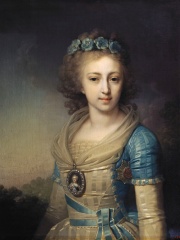
Grand Duchess Elena Pavlovna of Russia
1784 - 1803
HPI: 68.42
排名: 3,707
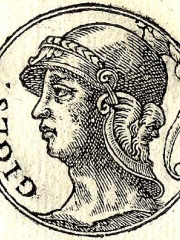
Gyges of Lydia
790 BC - 700 BC
HPI: 68.42
排名: 3,708
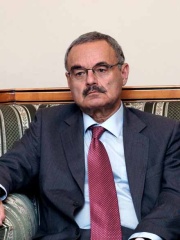
Artur Rasizade
1935 - 至今
HPI: 68.42
排名: 3,709
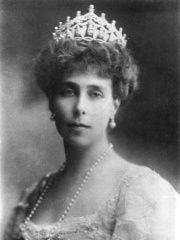
Princess Victoria Melita of Saxe-Coburg and Gotha
1876 - 1936
HPI: 68.41
排名: 3,710
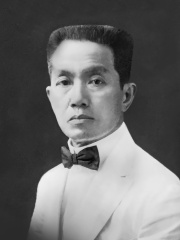
Emilio Aguinaldo
1869 - 1964
HPI: 68.41
排名: 3,711
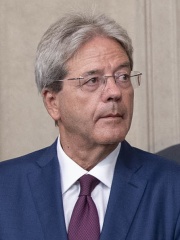
Paolo Gentiloni
1954 - 至今
HPI: 68.41
排名: 3,712
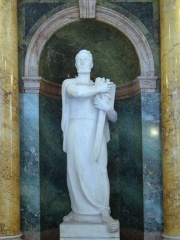
Kocel
830 - 876
HPI: 68.41
排名: 3,713

Xi Zhongxun
1913 - 2002
HPI: 68.41
排名: 3,714
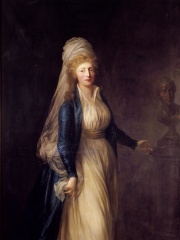
Princess Louise Auguste of Denmark
1771 - 1843
HPI: 68.41
排名: 3,715
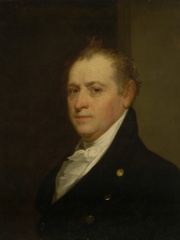
Oliver Wolcott Jr.
1760 - 1833
HPI: 68.41
排名: 3,716

William Barr
1950 - 至今
HPI: 68.41
排名: 3,717
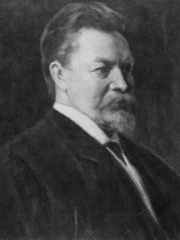
Rudolf Kjellén
1864 - 1922
HPI: 68.40
排名: 3,718

同时代人物
在1954年出生的人中,Paolo Gentiloni排名第40位。 排在他之前的有:Velupillai Prabhakaran, Dennis Quaid, Annie Lennox, Ang Lee, Carlos Ghosn, 和Condoleezza Rice. 排在他之后的有:Ron Howard, Ash Carter, Johnny Logan, Matt Groening, Halimah Yacob, 和Lawrence M. Krauss.
其他1954年出生的人
查看全部排名
Velupillai Prabhakaran
MAFIOSO
1954 - 2009
HPI: 69.46
排名: 34

Dennis Quaid
ACTOR
1954 - 至今
HPI: 69.19
排名: 35

Annie Lennox
SINGER
1954 - 至今
HPI: 69.09
排名: 36

Ang Lee
FILM DIRECTOR
1954 - 至今
HPI: 68.88
排名: 37

Carlos Ghosn
BUSINESSPERSON
1954 - 至今
HPI: 68.72
排名: 38

Condoleezza Rice
POLITICIAN
1954 - 至今
HPI: 68.45
排名: 39
Paolo Gentiloni
POLITICIAN
1954 - 至今
HPI: 68.41
排名: 40

Ron Howard
ACTOR
1954 - 至今
HPI: 68.34
排名: 41

Ash Carter
PHYSICIST
1954 - 2022
HPI: 68.22
排名: 42

Johnny Logan
SINGER
1954 - 至今
HPI: 68.16
排名: 43

Matt Groening
COMIC ARTIST
1954 - 至今
HPI: 68.13
排名: 44

Halimah Yacob
POLITICIAN
1954 - 至今
HPI: 68.11
排名: 45

Lawrence M. Krauss
PHYSICIST
1954 - 至今
HPI: 68.00
排名: 46
在意大利
在出生于意大利的人中,Paolo Gentiloni排名第1,129位(共NaN人)。 排在他之前的有:Melania the Younger (383), Ferdinand II of Naples (1467), Drusus Julius Caesar (-13), Maria Teresa of Savoy (1803), Constantina (325), 和Francesco Melzi (1491). 排在他之后的有:Gaius Asinius Pollio (-76), Renato Martino (1932), Archduke John of Austria (1782), Stanislao Cannizzaro (1826), Hiero I of Syracuse (-600), 和Bartolus de Saxoferrato (1313).
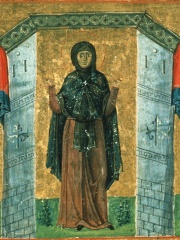
Melania the Younger
RELIGIOUS FIGURE
383 - 439
HPI: 68.46
排名: 1,123
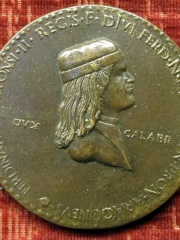
Ferdinand II of Naples
POLITICIAN
1467 - 1496
HPI: 68.45
排名: 1,124
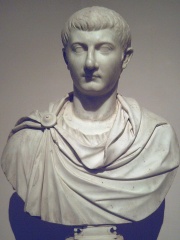
Drusus Julius Caesar
POLITICIAN
13 BC - 23
HPI: 68.44
排名: 1,125

Maria Teresa of Savoy
POLITICIAN
1803 - 1879
HPI: 68.44
排名: 1,126

Constantina
COMPANION
325 - 354
HPI: 68.42
排名: 1,127

Francesco Melzi
PAINTER
1491 - 1570
HPI: 68.41
排名: 1,128
Paolo Gentiloni
POLITICIAN
1954 - 至今
HPI: 68.41
排名: 1,129
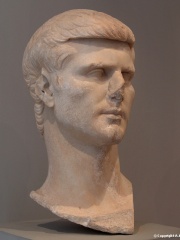
Gaius Asinius Pollio
WRITER
76 BC - 4
HPI: 68.41
排名: 1,130
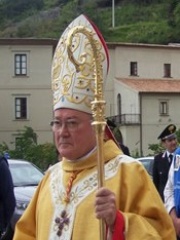
Renato Martino
RELIGIOUS FIGURE
1932 - 2024
HPI: 68.41
排名: 1,131
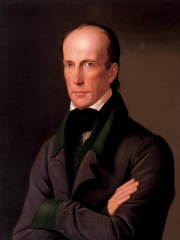
Archduke John of Austria
NOBLEMAN
1782 - 1859
HPI: 68.39
排名: 1,132
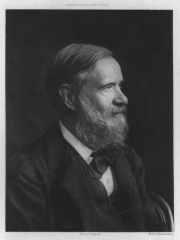
Stanislao Cannizzaro
CHEMIST
1826 - 1910
HPI: 68.39
排名: 1,133

Hiero I of Syracuse
POLITICIAN
600 BC - 466 BC
HPI: 68.38
排名: 1,134
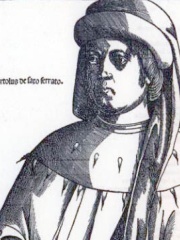
Bartolus de Saxoferrato
PHILOSOPHER
1313 - 1357
HPI: 68.37
排名: 1,135
在意大利的政治家中
在出生于意大利的政治家中,Paolo Gentiloni排名第249位。 排在他之前的有:Enrico De Nicola (1877), Joannes (400), Milonia Caesonia (7), Ferdinand II of Naples (1467), Drusus Julius Caesar (-13), 和Maria Teresa of Savoy (1803). 排在他之后的有:Hiero I of Syracuse (-600), Frederick of Naples (1451), Ottavio Farnese, Duke of Parma (1524), Giacomo Matteotti (1885), Bohemond II of Antioch (1108), 和Quintus Aurelius Symmachus (340).
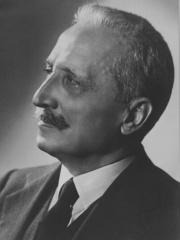
Enrico De Nicola
1877 - 1959
HPI: 68.56
排名: 243
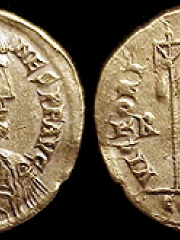
Joannes
400 - 425
HPI: 68.54
排名: 244
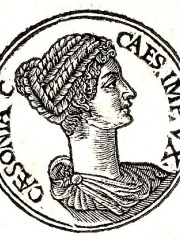
Milonia Caesonia
7 - 41
HPI: 68.50
排名: 245
Ferdinand II of Naples
1467 - 1496
HPI: 68.45
排名: 246
Drusus Julius Caesar
13 BC - 23
HPI: 68.44
排名: 247
Maria Teresa of Savoy
1803 - 1879
HPI: 68.44
排名: 248
Paolo Gentiloni
1954 - 至今
HPI: 68.41
排名: 249
Hiero I of Syracuse
600 BC - 466 BC
HPI: 68.38
排名: 250
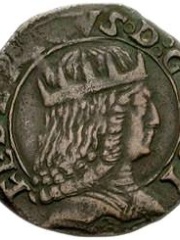
Frederick of Naples
1451 - 1504
HPI: 68.34
排名: 251
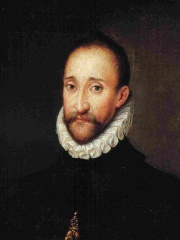
Ottavio Farnese, Duke of Parma
1524 - 1586
HPI: 68.34
排名: 252
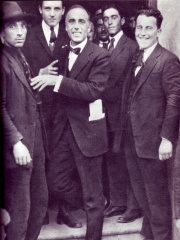
Giacomo Matteotti
1885 - 1924
HPI: 68.34
排名: 253
Bohemond II of Antioch
1108 - 1130
HPI: 68.30
排名: 254
Quintus Aurelius Symmachus
340 - 402
HPI: 68.29
排名: 255




