Politiker
Milonia Caesonia
7 - 41
DE.WIKIPEDIA-SEITENAUFRUFE (PV)
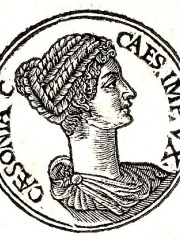
 Milonia Caesonia
Ihre Biografie ist in 26 verschiedenen Sprachen auf Wikipedia verfügbar. Milonia Caesonia ist die 3,661st beliebteste Politiker (gesunken vom 3,174th im Jahr 2024), die 1,116th beliebteste Biografie aus Italien (gesunken vom 1,031st im Jahr 2019) und die 245th beliebteste aus Italien Politiker.
Bekanntheitsmetriken
90k
Seitenaufrufe
Letzte 12 Monate
68.50
HPI
Historischer Popularitätsindex
Daten-Einblicke
26
Die Biografie von Milonia Caesonia umfasst 26 Sprachversionen der Wikipedia und erreicht einen Historischen Popularitätsindex von 68.50.
Seitenaufrufe von Milonia Caesonia nach Sprache
Unter Politiker
Unter Politiker belegt Milonia Caesonia Rang 3,659 von 20,022. Vor ihr stehen Christina of Lorraine, Midhat Pasha, Francis Phoebus of Navarre, Mohammad-Ali Rajai, Cardinal-Infante Ferdinand of Austria, und Olaf III of Norway. Nach ihr folgen Sanakht, Edith Frank, Frederick I of Württemberg, Amyrtaeus, Anne Marie d'Orléans, und Nouri al-Maliki.
Die beliebtesten Politiker auf Wikipedia
Zu allen Ranglisten
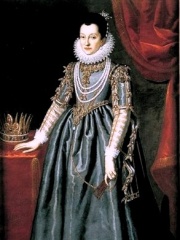
Christina of Lorraine
1565 - 1637
HPI: 68.50
Rang: 3,655
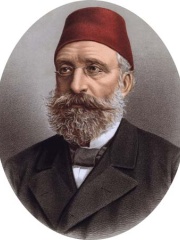
Midhat Pasha
1822 - 1883
HPI: 68.50
Rang: 3,656
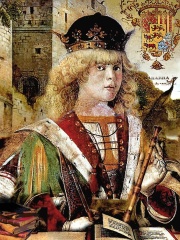
Francis Phoebus of Navarre
1467 - 1483
HPI: 68.50
Rang: 3,657

Mohammad-Ali Rajai
1933 - 1981
HPI: 68.50
Rang: 3,658
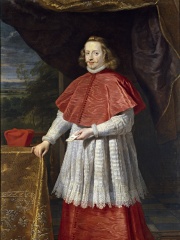
Cardinal-Infante Ferdinand of Austria
1609 - 1641
HPI: 68.50
Rang: 3,659
Olaf III of Norway
1050 - 1093
HPI: 68.50
Rang: 3,660
Milonia Caesonia
7 - 41
HPI: 68.50
Rang: 3,661
Sanakht
2700 BC - 2715 BC
HPI: 68.50
Rang: 3,662
Edith Frank
1900 - 1945
HPI: 68.49
Rang: 3,663
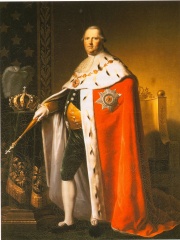
Frederick I of Württemberg
1754 - 1816
HPI: 68.49
Rang: 3,664
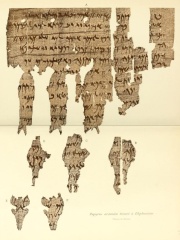
Amyrtaeus
450 BC - 399 BC
HPI: 68.49
Rang: 3,665
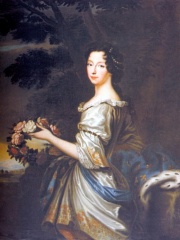
Anne Marie d'Orléans
1669 - 1728
HPI: 68.49
Rang: 3,666
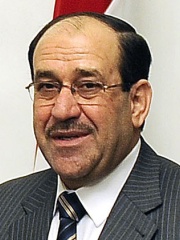
Nouri al-Maliki
1950 - heute
HPI: 68.49
Rang: 3,667

Zeitgenossen
Unter den im Jahr 7 Geborenen belegt Milonia Caesonia Rang 1. Nach ihr folgt Drusus Caesar. Unter den im Jahr 41 Verstorbenen belegt Milonia Caesonia Rang 3. Vor ihr stehen Caligula, und Cassius Chaerea. Nach ihr folgen Julia Drusilla, Lucius Cassius Longinus, und Cunobeline.
Weitere im Jahr 7 Geborene
Zu allen Ranglisten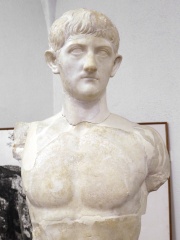
Weitere im Jahr 41 Verstorbene
Zu allen Ranglisten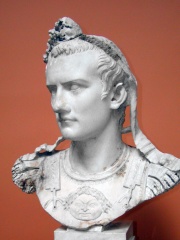
Caligula
POLITICIAN
12 - 41
HPI: 86.28
Rang: 1

Cassius Chaerea
POLITICIAN
12 BC - 41
HPI: 68.55
Rang: 2
Milonia Caesonia
POLITICIAN
7 - 41
HPI: 68.50
Rang: 3
Julia Drusilla
COMPANION
39 - 41
HPI: 65.95
Rang: 4

Lucius Cassius Longinus
POLITICIAN
50 BC - 41
HPI: 63.73
Rang: 5
Cunobeline
POLITICIAN
100 BC - 41
HPI: 60.67
Rang: 6
In Italien
Unter den in Italien Geborenen belegt Milonia Caesonia Rang 1,116 von 5,905. Vor ihr stehen Maurizio Pollini (1942), Joannes (400), Giovanni Battista Martini (1706), Ercole I d'Este, Duke of Ferrara (1431), Anna Maria Luisa de' Medici (1667), und Pier Giorgio Frassati (1901). Nach ihr folgen Eleonora Duse (1858), Antonio da Sangallo the Younger (1484), Francesco Albani (1578), Beniamino Gigli (1890), Lucius Accius (-170), und Elsa Martinelli (1935).
Weitere in Italien geborene Personen
Zu allen Ranglisten
Maurizio Pollini
COMPOSER
1942 - 2024
HPI: 68.55
Rang: 1,110
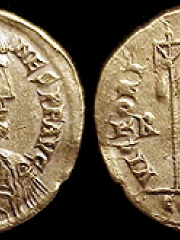
Joannes
POLITICIAN
400 - 425
HPI: 68.54
Rang: 1,111
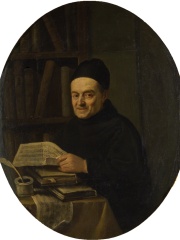
Giovanni Battista Martini
MUSICIAN
1706 - 1784
HPI: 68.53
Rang: 1,112
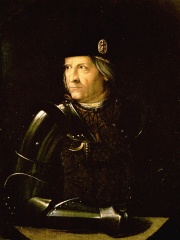
Ercole I d'Este, Duke of Ferrara
NOBLEMAN
1431 - 1505
HPI: 68.52
Rang: 1,113
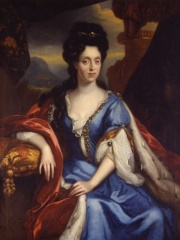
Anna Maria Luisa de' Medici
NOBLEMAN
1667 - 1743
HPI: 68.52
Rang: 1,114

Pier Giorgio Frassati
RELIGIOUS FIGURE
1901 - 1925
HPI: 68.52
Rang: 1,115
Milonia Caesonia
POLITICIAN
7 - 41
HPI: 68.50
Rang: 1,116

Eleonora Duse
ACTOR
1858 - 1924
HPI: 68.48
Rang: 1,117

Antonio da Sangallo the Younger
ARCHITECT
1484 - 1546
HPI: 68.48
Rang: 1,118
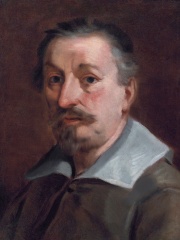
Francesco Albani
PAINTER
1578 - 1660
HPI: 68.47
Rang: 1,119
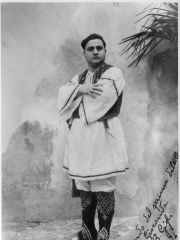
Beniamino Gigli
SINGER
1890 - 1957
HPI: 68.47
Rang: 1,120

Lucius Accius
WRITER
170 BC - 84 BC
HPI: 68.47
Rang: 1,121

Elsa Martinelli
ACTOR
1935 - 2017
HPI: 68.46
Rang: 1,122
Unter Politiker in Italien
Unter den in Italien geborenen Politiker belegt Milonia Caesonia Rang 245. Vor ihr stehen Bettino Craxi (1934), Pompeius Strabo (-135), Oscar Luigi Scalfaro (1918), Beatrice of Naples (1457), Enrico De Nicola (1877), und Joannes (400). Nach ihr folgen Ferdinand II of Naples (1467), Drusus Julius Caesar (-13), Maria Teresa of Savoy (1803), Paolo Gentiloni (1954), Hiero I of Syracuse (-600), und Frederick of Naples (1451).
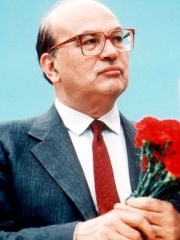
Bettino Craxi
1934 - 2000
HPI: 68.65
Rang: 239
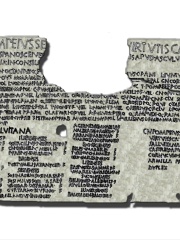
Pompeius Strabo
135 BC - 87 BC
HPI: 68.63
Rang: 240
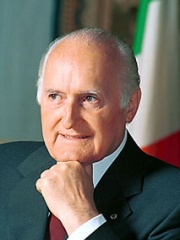
Oscar Luigi Scalfaro
1918 - 2012
HPI: 68.62
Rang: 241
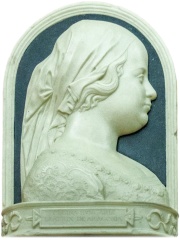
Beatrice of Naples
1457 - 1508
HPI: 68.57
Rang: 242
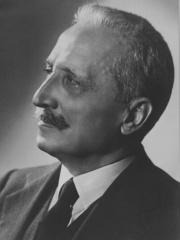
Enrico De Nicola
1877 - 1959
HPI: 68.56
Rang: 243
Joannes
400 - 425
HPI: 68.54
Rang: 244
Milonia Caesonia
7 - 41
HPI: 68.50
Rang: 245
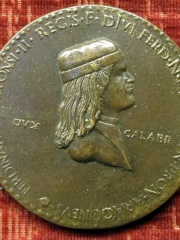
Ferdinand II of Naples
1467 - 1496
HPI: 68.45
Rang: 246
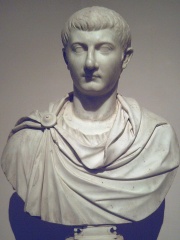
Drusus Julius Caesar
13 BC - 23
HPI: 68.44
Rang: 247
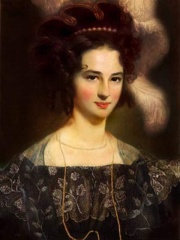
Maria Teresa of Savoy
1803 - 1879
HPI: 68.44
Rang: 248
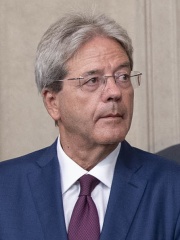
Paolo Gentiloni
1954 - heute
HPI: 68.41
Rang: 249

Hiero I of Syracuse
600 BC - 466 BC
HPI: 68.38
Rang: 250
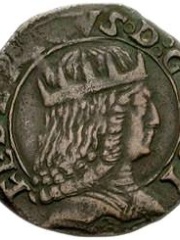
Frederick of Naples
1451 - 1504
HPI: 68.34
Rang: 251




