Politikus
Empress Jitō
645 - 703
HU.WIKIPEDIA OLDALMEGTEKINTÉSEK (PV)

 Empress Jitō
Életrajza 41 különböző nyelven érhető el a Wikipédián (növekedés 40-ről 2024-ben). Empress Jitō a 3,736th legnépszerűbb politikus (csökkenés a 3,733rd-ről 2024-ben), a 109th legnépszerűbb életrajz Szaúd-Arábia országából (növekedés a 124th-ről 2019-ben) és a 37th legnépszerűbb Szaúd-Arábiaból politikus.
Ismertségi mutatók
250k
Oldalmegtekintések
Elmúlt 12 hónap
68.39
HPI
Történelmi népszerűségi index
Adatérdekességek
41
Empress Jitō életrajza a Wikipédia 41 nyelvi változatában érhető el, történelmi népszerűségi indexe 68.39.
Empress Jitō oldalmegtekintései nyelvenként
A(z) Politikus között
A(z) Politikus között Empress Jitō a(z) 3,734. helyen áll 20,022 közül. Előtte állnak: Bahram II, Rugila, Moncef Marzouki, Licinius II, Jacob Le Maire, és George, King of Saxony. Utána következnek: Eric II of Denmark, Prokopis Pavlopoulos, Hiero I of Syracuse, Nguyễn Văn Thiệu, Archduchess Maria Maddalena of Austria, és Theodore II Palaiologos.
A legnépszerűbb Politikus a Wikipédián
Összes rangsor megtekintése
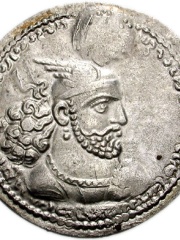
Bahram II
250 - 293
HPI: 68.39
Helyezés: 3,730

Rugila
368 - 434
HPI: 68.39
Helyezés: 3,731

Moncef Marzouki
1945 - napjainkig
HPI: 68.39
Helyezés: 3,732
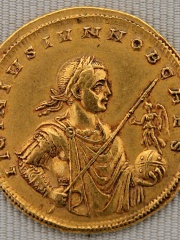
Licinius II
315 - 326
HPI: 68.39
Helyezés: 3,733
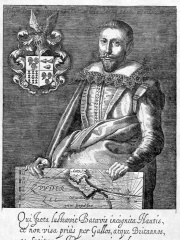
Jacob Le Maire
1585 - 1616
HPI: 68.39
Helyezés: 3,734
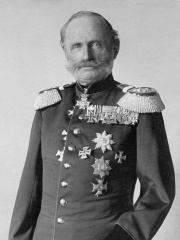
George, King of Saxony
1832 - 1904
HPI: 68.39
Helyezés: 3,735
Empress Jitō
645 - 703
HPI: 68.39
Helyezés: 3,736

Eric II of Denmark
1090 - 1137
HPI: 68.39
Helyezés: 3,737

Prokopis Pavlopoulos
1950 - napjainkig
HPI: 68.38
Helyezés: 3,738

Hiero I of Syracuse
600 BC - 466 BC
HPI: 68.38
Helyezés: 3,739

Nguyễn Văn Thiệu
1923 - 2001
HPI: 68.38
Helyezés: 3,740
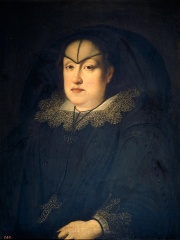
Archduchess Maria Maddalena of Austria
1589 - 1631
HPI: 68.38
Helyezés: 3,741
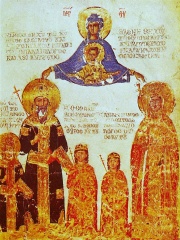
Theodore II Palaiologos
1396 - 1448
HPI: 68.38
Helyezés: 3,742

Kortársak
A(z) 645. évben születettek között Empress Jitō a(z) 1. helyen áll. Utána következnek: Perctarit, és Ecgfrith of Northumbria. A(z) 703. évben elhunytak között Empress Jitō a(z) 1. helyen áll. Utána következik: Thrasimund I of Spoleto.
További személyek, akik a(z) 645. évben születtek
Összes rangsor megtekintéseEmpress Jitō
POLITICIAN
645 - 703
HPI: 68.39
Helyezés: 1

Perctarit
POLITICIAN
645 - 688
HPI: 64.46
Helyezés: 2

Ecgfrith of Northumbria
POLITICIAN
645 - 685
HPI: 56.84
Helyezés: 3
További személyek, akik a(z) 703. évben hunytak el
Összes rangsor megtekintéseEmpress Jitō
POLITICIAN
645 - 703
HPI: 68.39
Helyezés: 1

Thrasimund I of Spoleto
NOBLEMAN
601 - 703
HPI: 55.58
Helyezés: 2
A(z) Szaúd-Arábia rangsorában
A(z) Szaúd-Arábia területén születettek között Empress Jitō a(z) 109. helyen áll 419 közül. Előtte állnak: Isma'il ibn Ja'far (721), Jamal Khashoggi (1958), Asmā' bint Abi Bakr (595), Adnan Khashoggi (1935), Mohammad bin Salman (1985), és Muhammad ibn al-Hanafiyyah (637). Utána következnek: Sa'id bin Zayd (593), Ali of Hejaz (1879), Fatimah bint Asad (555), Abd Manaf ibn Qusai (430), Idris I of Morocco (743), és Waraqah ibn Nawfal (null).
További személyek, akik Szaúd-Arábia területén születtek
Összes rangsor megtekintése
Isma'il ibn Ja'far
RELIGIOUS FIGURE
721 - 755
HPI: 69.32
Helyezés: 103

Jamal Khashoggi
WRITER
1958 - 2018
HPI: 69.21
Helyezés: 104

Asmā' bint Abi Bakr
POLITICIAN
595 - 692
HPI: 69.11
Helyezés: 105
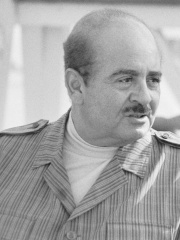
Adnan Khashoggi
BUSINESSPERSON
1935 - 2017
HPI: 69.02
Helyezés: 106

Mohammad bin Salman
POLITICIAN
1985 - napjainkig
HPI: 68.83
Helyezés: 107

Muhammad ibn al-Hanafiyyah
RELIGIOUS FIGURE
637 - 700
HPI: 68.69
Helyezés: 108
Empress Jitō
POLITICIAN
645 - 703
HPI: 68.39
Helyezés: 109
Sa'id bin Zayd
RELIGIOUS FIGURE
593 - 673
HPI: 68.31
Helyezés: 110
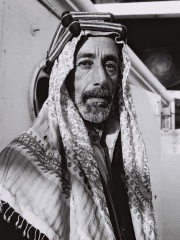
Ali of Hejaz
POLITICIAN
1879 - 1935
HPI: 68.07
Helyezés: 111

Fatimah bint Asad
RELIGIOUS FIGURE
555 - 625
HPI: 67.82
Helyezés: 112
Abd Manaf ibn Qusai
RELIGIOUS FIGURE
430 - 600
HPI: 67.54
Helyezés: 113
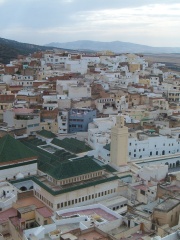
Idris I of Morocco
POLITICIAN
743 - 791
HPI: 67.53
Helyezés: 114

Waraqah ibn Nawfal
RELIGIOUS FIGURE
HPI: 67.31
Helyezés: 115
A(z) Politikus között – Szaúd-Arábia
A(z) Szaúd-Arábia területén született Politikus között Empress Jitō a(z) 37. helyen áll. Előtte állnak: Abbas I of Egypt (1816), Muhammad bin Saud (1710), Abu Ayyub al-Ansari (576), Al-Wathiq (812), Asmā' bint Abi Bakr (595), és Mohammad bin Salman (1985). Utána következnek: Ali of Hejaz (1879), Idris I of Morocco (743), Abd al-Aziz ibn Baz (1910), Muhammad bin Nayef (1959), Ahmed al-Sharaa (1981), és Abd-Allah ibn Ubayy (600).
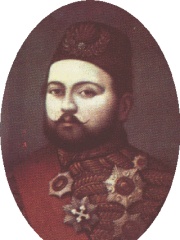
Abbas I of Egypt
1816 - 1854
HPI: 70.49
Helyezés: 31

Muhammad bin Saud
1710 - 1765
HPI: 70.45
Helyezés: 32
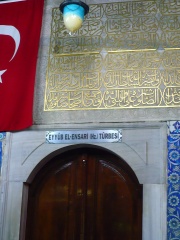
Abu Ayyub al-Ansari
576 - 674
HPI: 70.35
Helyezés: 33
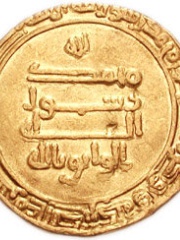
Al-Wathiq
812 - 847
HPI: 69.43
Helyezés: 34
Asmā' bint Abi Bakr
595 - 692
HPI: 69.11
Helyezés: 35
Mohammad bin Salman
1985 - napjainkig
HPI: 68.83
Helyezés: 36
Empress Jitō
645 - 703
HPI: 68.39
Helyezés: 37
Ali of Hejaz
1879 - 1935
HPI: 68.07
Helyezés: 38
Idris I of Morocco
743 - 791
HPI: 67.53
Helyezés: 39

Abd al-Aziz ibn Baz
1910 - 1999
HPI: 66.55
Helyezés: 40
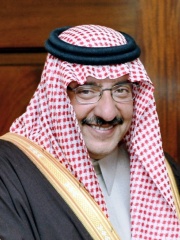
Muhammad bin Nayef
1959 - napjainkig
HPI: 66.31
Helyezés: 41

Ahmed al-Sharaa
1981 - napjainkig
HPI: 66.19
Helyezés: 42

Abd-Allah ibn Ubayy
600 - 631
HPI: 65.98
Helyezés: 43




